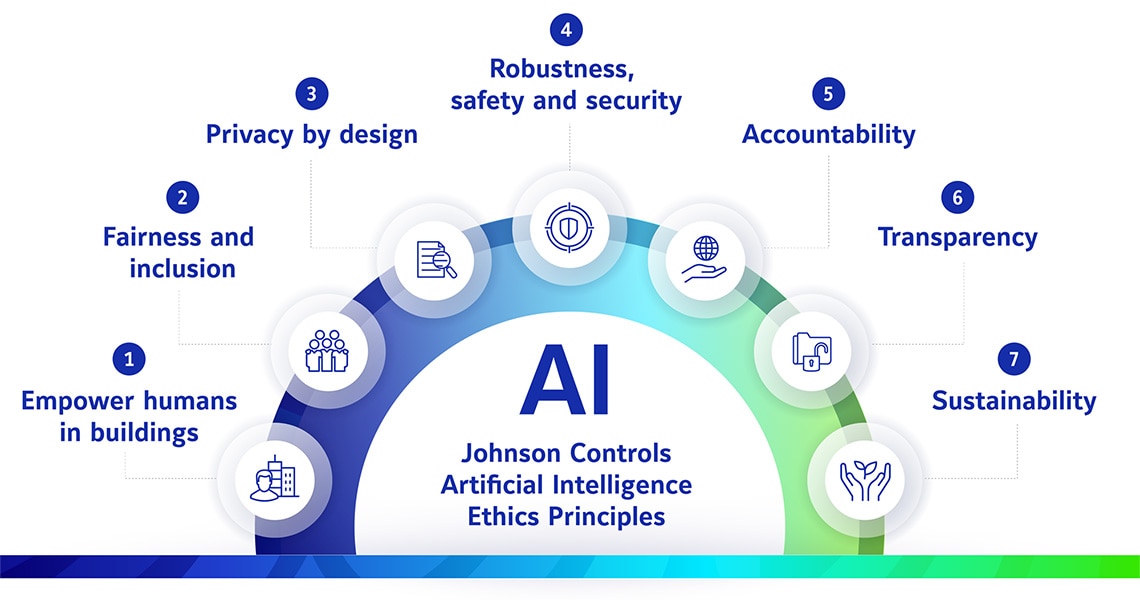
Embracing AI Ethics: The Rise of AI Ethics Auditors
In today's fast-paced, technologically driven world, artificial intelligence (AI) has become an integral part of various critical decision-making processes. With AI systems growing increasingly complex and vast, it has become imperative to ensure that they align with ethical principles, societal values, and regulatory requirements. Enter the AI Ethics Auditor, a specialized professional responsible for independently evaluating AI systems to ensure their adherence to these essential standards.
Defining the AI Ethics Auditor
According to recent studies, an AI Ethics Auditor is a specialized professional who conducts systematic literature reviews, synthesizes conceptualizations of ethical principles in AI auditing literature, and contributes to the knowledge gap in AI auditing for stakeholders. Their primary objective is to independently evaluate AI systems, identifying potential biases, fairness issues, and non-compliance with regulatory requirements.
The Need for AI Ethics Auditors
As AI systems expand into various sectors, including healthcare, finance, and education, the need for AI Ethics Auditors has become increasingly pressing. Their role is crucial in bridging the gap between principles and practice in AI ethics, providing awareness, empowerment, and improvement of decision-making processes. The emergence of AI ethics audit offers a promising mechanism for improving the quality of decision-making, increasing user satisfaction, and unlocking growth potential.
The Role of AI Ethics Auditors in Bridging the Gap
AI Ethics Auditors contribute to the knowledge gap in three significant ways: guidance, methods, tools, and frameworks; awareness and empowerment; and unlocking growth potential. By doing so, they help organizations navigate the complexities surrounding AI ethics and ensure that their systems align with societal values and regulatory requirements.
The Future of AI Ethics Auditors

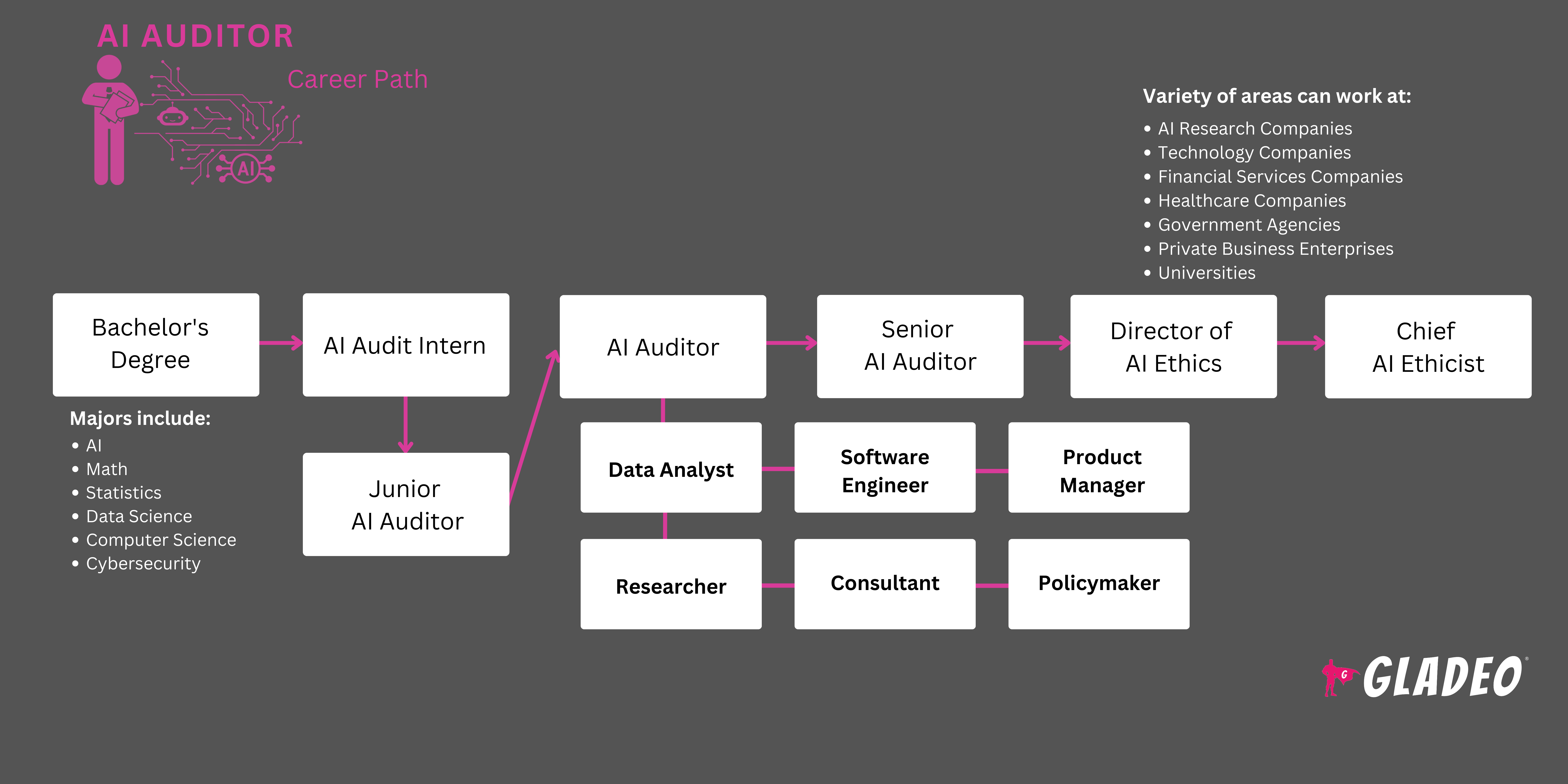
As the role of AI Ethics Auditors continues to evolve, so too will the demand for this specialized profession. The need for expertise in AI auditing is expected to skyrocket, and with it, the opportunities for AI Ethics Auditors to make a meaningful impact on AI systems and decision-making processes will be vast. Emerging roles, such as AI Governance Officers, AI Ethics Officers, and Governance Engineers, will become increasingly critical as organizations prioritize responsible AI use.
The Importance of Independent Audits
Businesses are slowly recognizing the importance of independent audits to assess AI systems for fairness, bias, and compliance with ethical standards. This shift towards transparency and accountability is crucial in building trust and ensuring that AI systems serve the greater good rather than exacerbating societal issues.
Conclusion
The AI Ethics Auditor is a vital professional in today's technological landscape. Their expertise in evaluating AI systems against ethical principles, societal values, and regulatory requirements will play a crucial role in ensuring that AI systems serve humanity's best interests. As organizations prioritize responsible AI use and the demand for AI Ethics Auditors continues to grow, the impact of their work will be a significant force shaping the future of AI.
Further Reading
- Explore the top 10 AI ethics specialist jobs in Tallahassee for 2026, including roles in AI governance, compliance, fairness auditing, and policy development.
- Discover the emerging role of AI auditors and their crucial task of overseeing AI transactions, ensuring ethical behavior, and compliance with legal standards.
- Learn about the Institute of Internal Auditors' presentation, "All Things Internal Audit Tech," which unpacks the ethical challenges of artificial intelligence in internal audit.
- Find out how AI governance is transforming leadership across sectors, including emerging roles like Chief AI Officer, AI Ethics Officer, and Governance Engineers.




-u122l.png "PDFAlgorithmic bias, data ethics, and governance: Ensuring fairness ...")