Biased AI System Debugging: Unraveling the Mysteries of Cognitive Biases in AI
Artificial intelligence (AI) has revolutionized numerous industries, from healthcare to customer service. However, AI systems are not immune to the pitfalls of cognitive biases, which can lead to poor decision-making and unfair outcomes. Debugging biased AI systems is a critical process that requires a deep understanding of the complex relationships between data, algorithms, and human judgment. In this article, we'll dive into the world of biased AI system debugging and explore the essential strategies for identifying and mitigating the impact of cognitive biases in AI.
What are Biases in AI Systems?
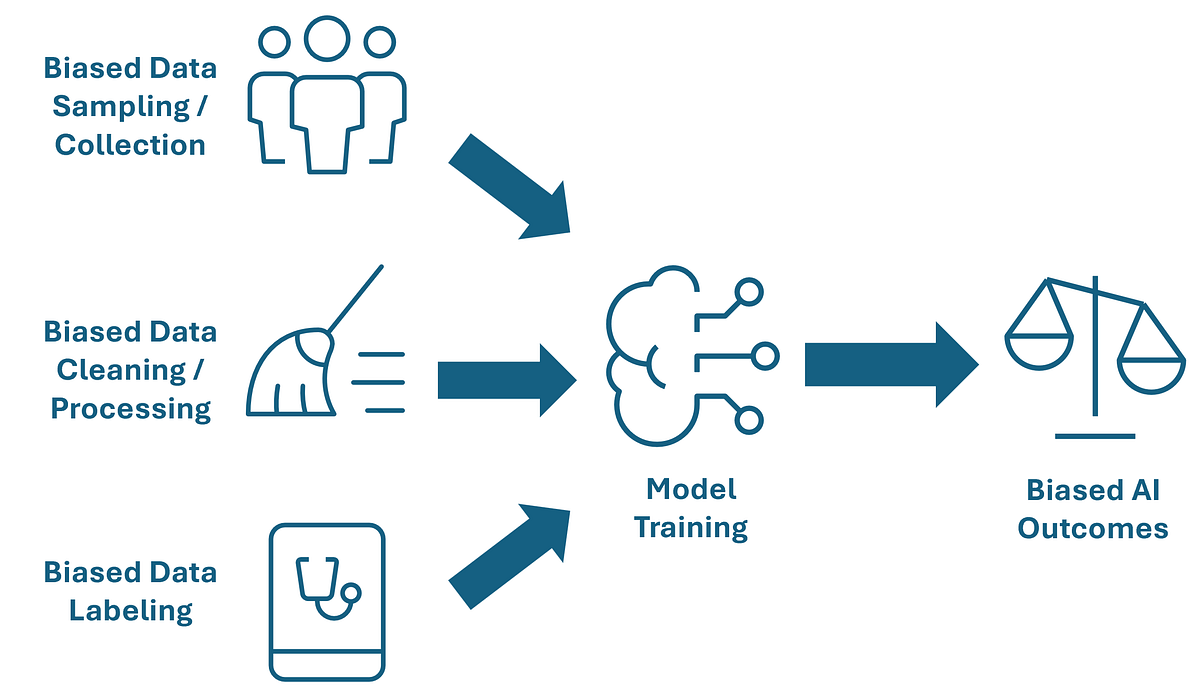
Bias in AI systems refers to the systematic differences in the performance or output of AI algorithms, which can arise from various sources, including data, algorithms, and human judgment. The term "bias" can be misleading, as it implies a deliberate intent to discriminate. However, most biases in AI systems are unintentional and stem from the limitations and flaws inherent in the data, algorithms, and human decision-making processes.
Types of Biases in AI Systems
Biases in AI systems can be categorized into three main types:
- Input Bias: This type of bias arises from the quality and representativeness of the training data. If the data is incomplete, inaccurate, or lacks diversity, the AI algorithm may learn to perpetuate these flaws and produce biased outputs.
- System Bias: This type of bias occurs due to the underlying architecture and design of the AI system itself. Machine learning algorithms, for instance, can be influenced by the choice of activation functions, regularization techniques, and hyperparameters, which can lead to biased outputs.
- Application Bias: This type of bias arises from the deployment and application of AI systems in real-world scenarios. If the AI system is not adapted to the specific context or requirements of the application, it may produce suboptimal or biased results.
Why is Biased AI System Debugging Important?
Biased AI system debugging is essential for several reasons:
- ensures fairness and equity in decision-making processes
- builds trust and confidence in AI systems among stakeholders
- mitigates the risk of producing suboptimal or unfair outcomes
- facilitates the improvement of AI system performance and accuracy
Strategies for Biased AI System Debugging
Debugging biased AI systems requires a multi-faceted approach that involves the following strategies:
- Data Analysis: Carefully scrutinize the training data for bias, ensuring it is representative, diverse, and accurate.
- Algorithmic Auditing: Regularly audit and test the AI algorithm for bias by feeding it different types of data and evaluating its performance.
- Explainability and Transparency: Implement techniques that provide insight into the AI system's decision-making processes, such as feature importance and model interpretability.
- Model Regularization: Deploy regularization techniques to prevent overfitting and bias in the AI model.
- Deployment Considerations: Ensure that the AI system is designed and deployed with consideration for the specific context and requirements of the application.
Tools and Techniques for Biased AI System Debugging
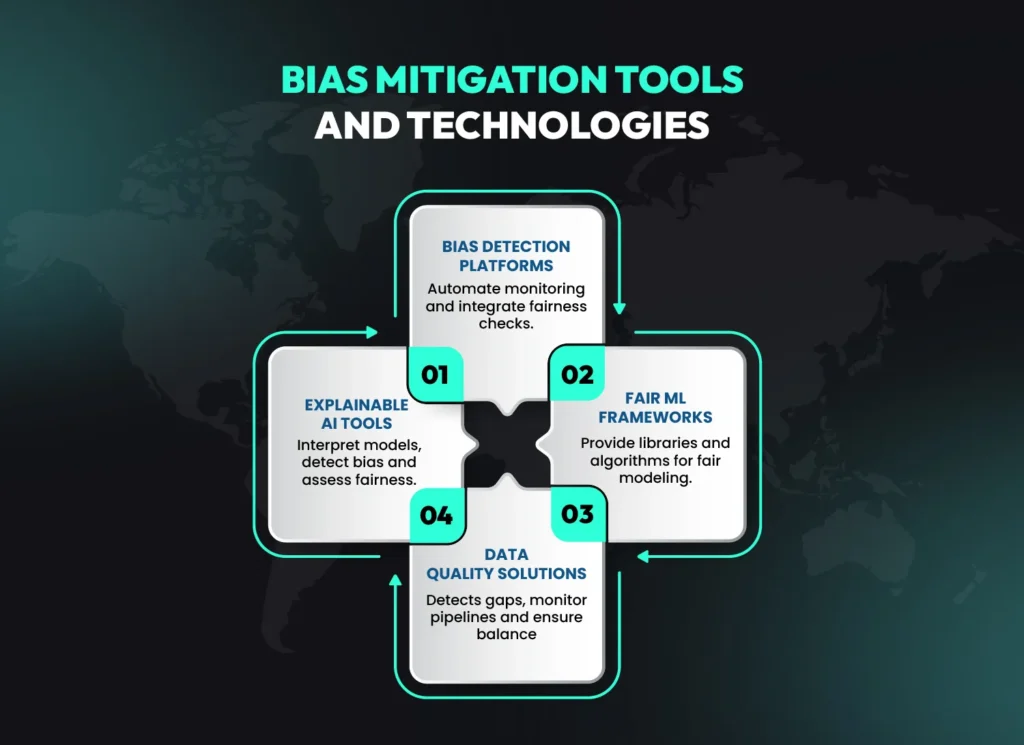
Several tools and techniques can aid in biased AI system debugging, including:
- Explainable AI (XAI) Tools: These tools provide insights into the AI system's decision-making processes, helping identify biases and errors.
- Debugging Frameworks: Frameworks such as the GSD (Generalized System Debugging) framework offer a structured approach to debugging biased AI systems.
- Model Interpreters: Model interpreters provide feature importance, activation maps, and other metrics that help identify biases in AI models.
Conclusion
Biased AI system debugging is an essential process that requires a deep understanding of the complex relationships between data, algorithms, and human judgment. By understanding the sources, types, and methods of bias in AI systems, developers and researchers can identify and mitigate the impact of cognitive biases, leading to fairer, more transparent, and effective AI systems. By adopting the strategies and techniques outlined in this article, you can improve the performance, accuracy, and fairness of your AI systems and ensure that they serve your organization and society well.