Carbon Offset Project Monitoring and Evaluation: A Critical Component of Climate Action
The importance of carbon offset projects in mitigating climate change cannot be overstated. However, the effectiveness of these projects relies heavily on accurate monitoring and evaluation (M&E) practices. In this article, we will delve into the world of carbon offset project M&E, exploring its significance, challenges, and best practices.
What is Carbon Offset Project Monitoring and Evaluation?
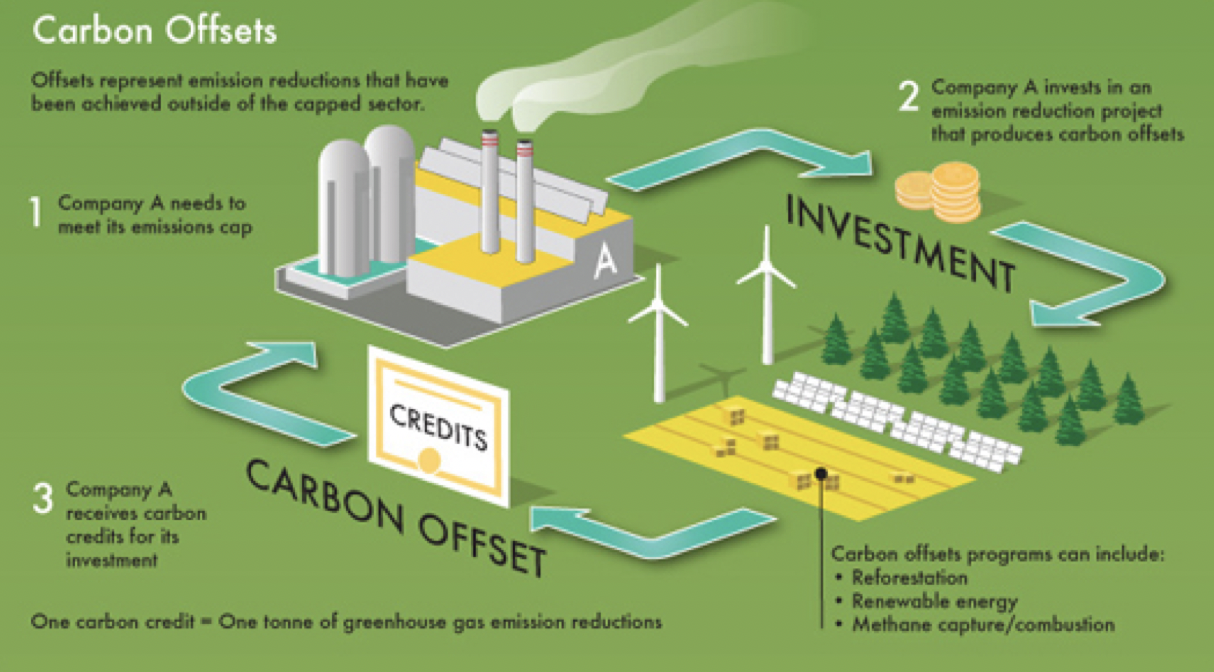
Carbon offset project M&E involves tracking and assessing the performance of carbon offset projects, ensuring they meet their intended goals and deliver real emissions reductions. This process involves monitoring project implementation, evaluating project outcomes, and reporting on project performance.
Benefits of Effective Carbon Offset Project M&E
- Ensures project effectiveness and credibility
- Reduces the risk of project failure and misuse of funds
- Enhances transparency and accountability
- Provides valuable insights for project improvement and replication
- Supports the integrity of the carbon market
Challenges in Carbon Offset Project M&E
While M&E is crucial for carbon offset projects, it poses several challenges, including:
- Complexity of project implementation and monitoring
- Lack of standardization and consistency in M&E practices
- Insufficient resources and capacity for M&E
- Difficulty in tracking and verifying project outcomes
Best Practices in Carbon Offset Project M&E
To overcome the challenges and ensure effective M&E, consider the following best practices:
- Develop clear and measurable project objectives and indicators
- Establish robust monitoring and reporting systems
- Conduct regular on-site visits and reviews
- Use standardized and consistent M&E tools and methodologies
- Engage with local stakeholders and communities
- Ensure transparency and accountability throughout the project cycle
Tools and Resources for Carbon Offset Project M&E
A variety of tools and resources are available to support carbon offset project M&E, including:
- M&E frameworks and guidelines
- Project monitoring and reporting software
- Data analytics and visualization tools
- Carbon offset project registries and databases
- Independent verification and certification agencies
Conclusion
Effective carbon offset project M&E is essential for ensuring the credibility and integrity of the carbon market. By understanding the challenges and best practices in M&E, project developers, implementers, and stakeholders can work together to deliver high-quality projects that achieve real emissions reductions and support climate action.
Recommendations
To further improve the quality and effectiveness of carbon offset project M&E, consider the following recommendations:
- Develop and implement standardized M&E frameworks and guidelines
- Invest in robust monitoring and reporting systems
- Enhance capacity building and training for project staff and stakeholders
- Foster collaboration and knowledge sharing among project developers, implementers, and stakeholders
- Support independent verification and certification agencies
Frequently Asked Questions
What is carbon offset project M&E?
Carbon offset project M&E involves tracking and assessing the performance of carbon offset projects, ensuring they meet their intended goals and deliver real emissions reductions.
Why is M&E important for carbon offset projects?
M&E ensures project effectiveness and credibility, reduces the risk of project failure and misuse of funds, enhances transparency and accountability, and supports the integrity of the carbon market.
What are the challenges in carbon offset project M&E?
The challenges include complexity of project implementation and monitoring, lack of standardization and consistency in M&E practices, insufficient resources and capacity for M&E, and difficulty in tracking and verifying project outcomes.
What are the best practices in carbon offset project M&E?
The best practices include developing clear and measurable project objectives and indicators, establishing robust monitoring and reporting systems, conducting regular on-site visits and reviews, using standardized and consistent M&E tools and methodologies, engaging with local stakeholders and communities, and ensuring transparency and accountability throughout the project cycle.