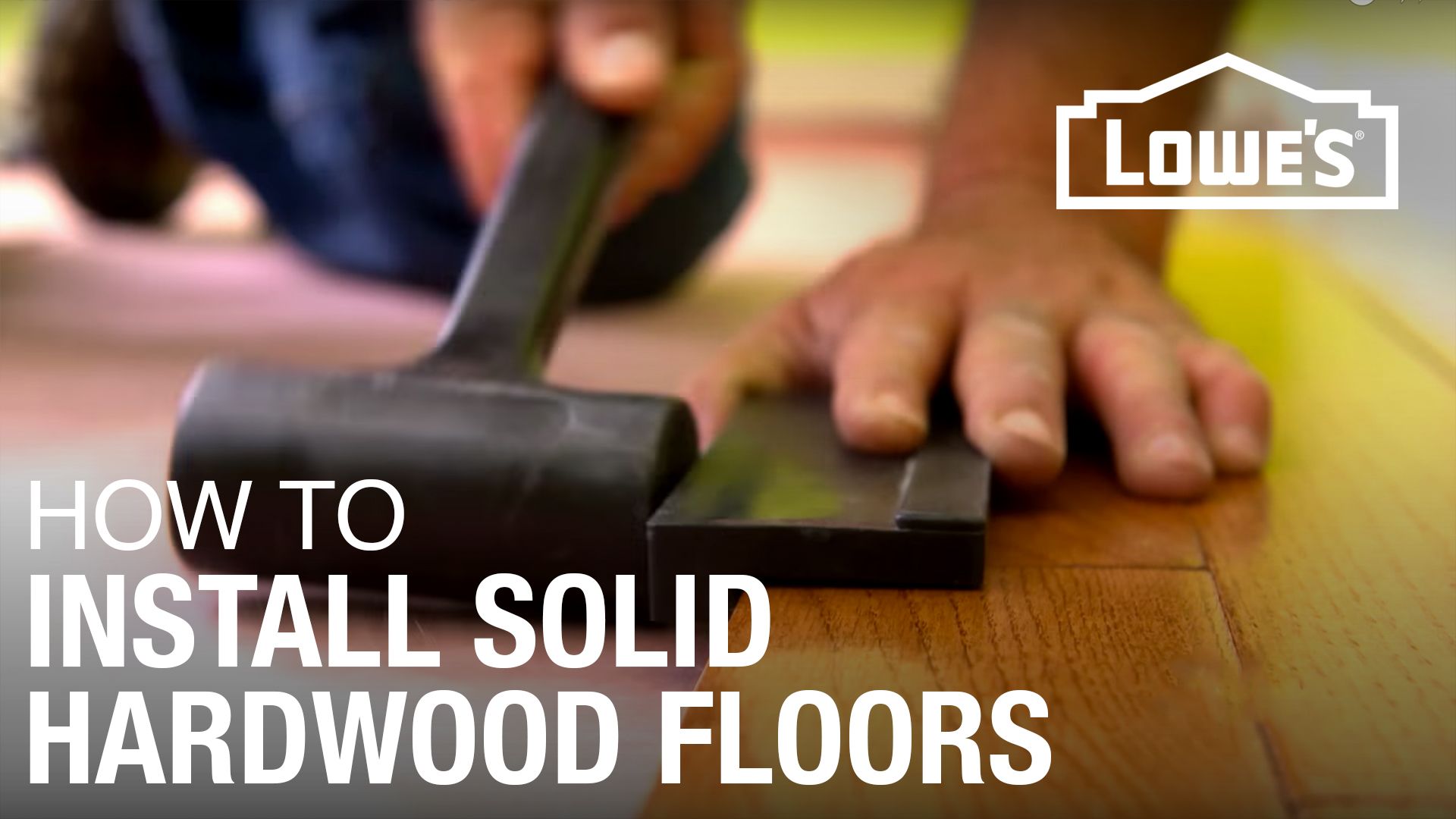
DIY Hardwood Floor Installation: A Comprehensive Guide
Are you ready to give your home a makeover with beautiful and durable hardwood flooring? With the right guidance, installing hardwood floors can be a rewarding DIY project that adds style, value, and warmth to your living space. In this article, we will walk you through the process of DIY hardwood floor installation, from preparation to the final plank.Benefits of DIY Hardwood Floor Installation
Before we dive into the installation process, let's highlight the benefits of going the DIY route: * Cost savings: Installing hardwood floors yourself can save you thousands of dollars compared to hiring a professional. * Increased personal satisfaction: You'll have the satisfaction of knowing you accomplished a challenging project with your own hands. * Customization: With DIY installation, you have the flexibility to make changes or adjustments as needed.Preparation is Key
Before starting your DIY hardwood floor installation project, make sure you're prepared with the necessary tools and materials. Here's a list of what you'll need: * **Tools:** + Hammer + Tape measure + Square + Chisel set + Sandpaper + Pencil and marker * **Materials:** + Hardwood flooring planks + Underlayment materials (e.g., plywood or cement-based underlayment) + Nails or staples + Adhesive (for glue-down installation) + Transition strips (for doorways and heating vents) * **Optional:** + Flooring waste disposal bag + Rug and padding (for subfloor protection)Step 1: Prepare the Subfloor
A smooth, level, and clean subfloor is essential for a successful installation. Ensure the subfloor is: * **Level:** Use a laser level to check the subfloor's surface. * **Clean:** Sweep and vacuum the subfloor to remove debris and dust. * **Secure:** Check for any loose or damaged screws and tighten them as necessary.Step 2: Layer the Underlayment
Apply the underlayment material to the subfloor, following the manufacturer's instructions. Make sure to leave expansion gaps (about 1/4 inch) around the perimeter of the room for the hardwood planks to expand and contract.Step 3: Install the First Row
Start by laying the first row of hardwood planks along the longest wall in the room. Use a chalk line to guide the plank and ensure they're straight. Drive the nails or staples through the plank and into the subfloor, leaving about 1/8 inch of space between planks.Step 4: Lay the Remaining Rows
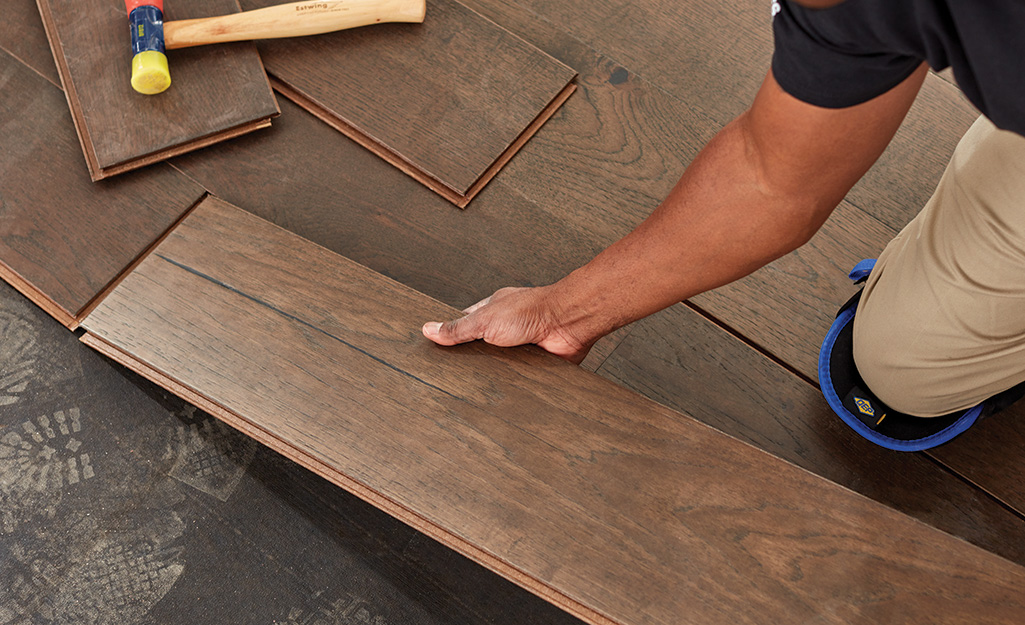
Step 5: Install the Transitions
Cut the transition strips to fit between the hardwood floors and adjoining surfaces (e.g., tile, carpet, or hardwood stairs).Step 6: Finish and Inspect
Once the installation is complete, sand the entire floor to smooth out any imperfections and ensure a seamless finish. Inspect the floor for any gaps or uneven areas, and fill them with filler or adhesive as needed.Conclusion
With this comprehensive guide, you're ready to tackle your DIY hardwood floor installation project. Remember to take your time, follow the manufacturer's instructions, and don't hesitate to seek help if you're unsure about any aspect of the process. Not only will you save money, but you'll also gain a sense of accomplishment and a beautifully durable hardwood floor to enjoy for years to come.
Additional Resources:
Disclaimer: This article is intended as a guide and should not be considered professional advice. For professional installation, consult a licensed contractor.
- Watch short videos about DIY hardwood floor installation on YouTube
- Read reviews and tips on DIY wood flooring installation blogs
- Consult manufacturer instructions for specific hardwood flooring products