Delayed Onset Muscle Soreness Prevention: Strategies for Reducing Muscle Pain and Soreness
Understanding Delayed Onset Muscle Soreness
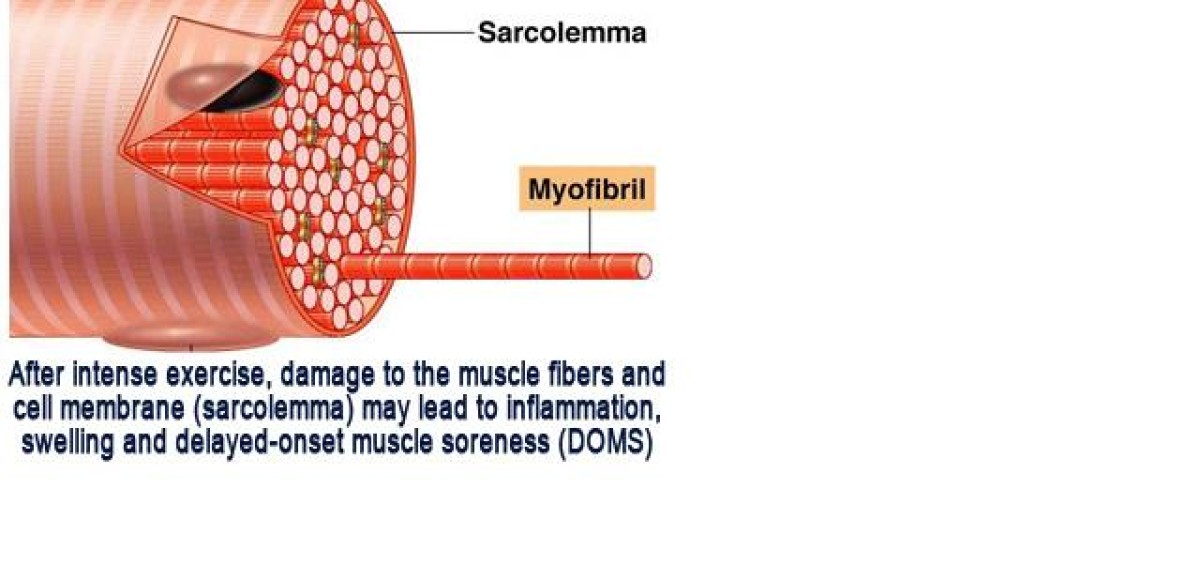
Delayed Onset Muscle Soreness (DOMS) is a common phenomenon that occurs 24 to 72 hours after intense or unfamiliar exercise, especially activities involving eccentric muscle contractions (like downhill running or lowering weights). It's caused by microscopic tears in muscle fibers, which stimulate pain and inflammation in the affected muscles.Why Does Delayed Onset Muscle Soreness Happen?
According to the American College of Sports Medicine, DOMS is a side effect of the muscle repair process. Exercise creates microscopic tears in your muscles, which is a typical process that's necessary for growth. When you lift weights, especially during eccentric training (slow lowering phase), microscopic damage forms inside your muscle fibers.Symptoms of Delayed Onset Muscle Soreness
DOMS can present as muscle stiffness, tightness, tenderness, swelling, or decreased strength of the exercised muscle. The symptoms can be deceiving and dangerous, and it's essential to get checked out thoroughly before brushing it off.Strategies for Preventing Delayed Onset Muscle Soreness
- Warm up and cool down properly: Adequate warm-up and cool-down exercises can help reduce the risk of DOMS.
- Stretching: Proper stretching techniques can enhance workouts and assist in muscle growth. Key benefits include increased blood flow, reduced muscle tension, improved flexibility, and decreased injury risk.
- Cooling therapy or cryostimulation: Applying cooling therapy or cryostimulation immediately post-exercise can help reduce inflammation and alleviate DOMS symptoms.
- Massage therapy: Massage therapy at 24 hours after exercise can help reduce muscle tension and promote recovery.
- Compression or kinesiotaping: Applying compression or kinesiotaping at 48-72 hours after exercise can help reduce swelling and alleviate DOMS symptoms.
- Proper nutrition and hydration: Adequate nutrition and hydration can help support muscle recovery and reduce the risk of DOMS.
- Rest and recovery: Adequate rest and recovery time is essential for muscle repair and recovery.
- CBD cream: CBD cream has been shown to reduce muscle pain and inflammation, and can be a useful addition to your recovery routine.
- Cupping therapy: Cupping therapy can help reduce muscle tension and promote recovery.