Electronic Notary Service Overview
Electronic notarization, also known as e-notarization, is a digital process that allows notaries to perform notarial acts on electronic documents. This method has become increasingly popular as it offers the same level of authenticity, security, and legal compliance as traditional paper notarization. In this article, we will provide an overview of electronic notary services, covering the basics, benefits, and best practices.
What is Electronic Notarization?
Electronic notarization is the process of notarizing documents in electronic form, rather than on paper. This method leverages digital technologies to perform notarial acts, ensuring the same level of authenticity and security as traditional paper notarizations. The process typically involves a digital certificate, an electronic signature, and an electronic seal.
How Electronic Notarization Works
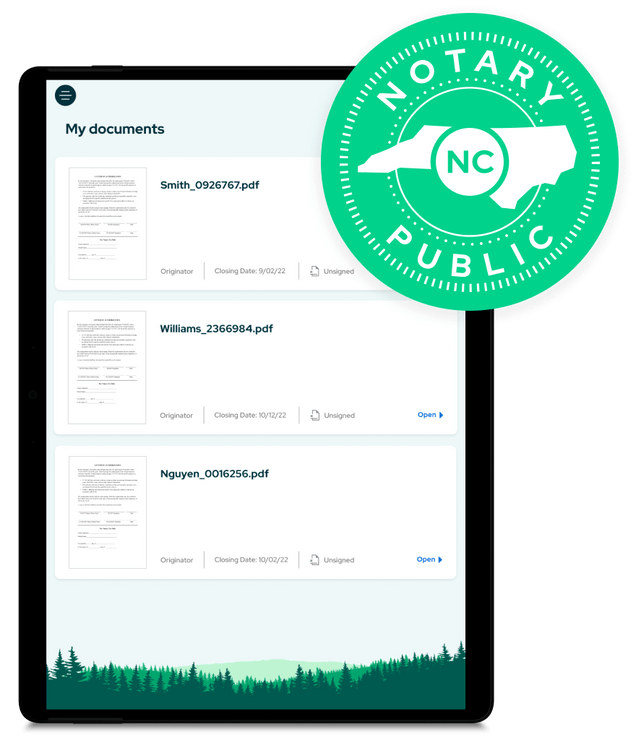
The process of electronic notarization is relatively straightforward. It involves a digital platform that connects the signer and the notary, who are usually in different locations. The notary verifies the signer's identity, authenticates the document, and witnesses the signing. The notarization is then recorded in an electronic journal and stored securely for later reference.
Benefits of Electronic Notarization
Electronic notarization offers several benefits, including:
- Increased convenience: Electronic notarization allows signers and notaries to authenticate documents remotely, eliminating the need for in-person meetings.
- Improved security: Electronic notarization is a more secure process compared to traditional paper notarization, as it uses encryption and secure authentication protocols to protect documents.
- Increased efficiency: Electronic notarization reduces the time and effort required to notarize documents, making the process faster and more streamlined.
- Environmental benefits: Electronic notarization reduces the need for paper and printing, making it a more eco-friendly option.
Types of Electronic Notarization
There are two types of electronic notarization: electronic notarization and online remote notarization. Electronic notarization requires the notary and signer to be in the same location, while online remote notarization allows notaries and signers to be in different locations.
Electronic Notary Technology
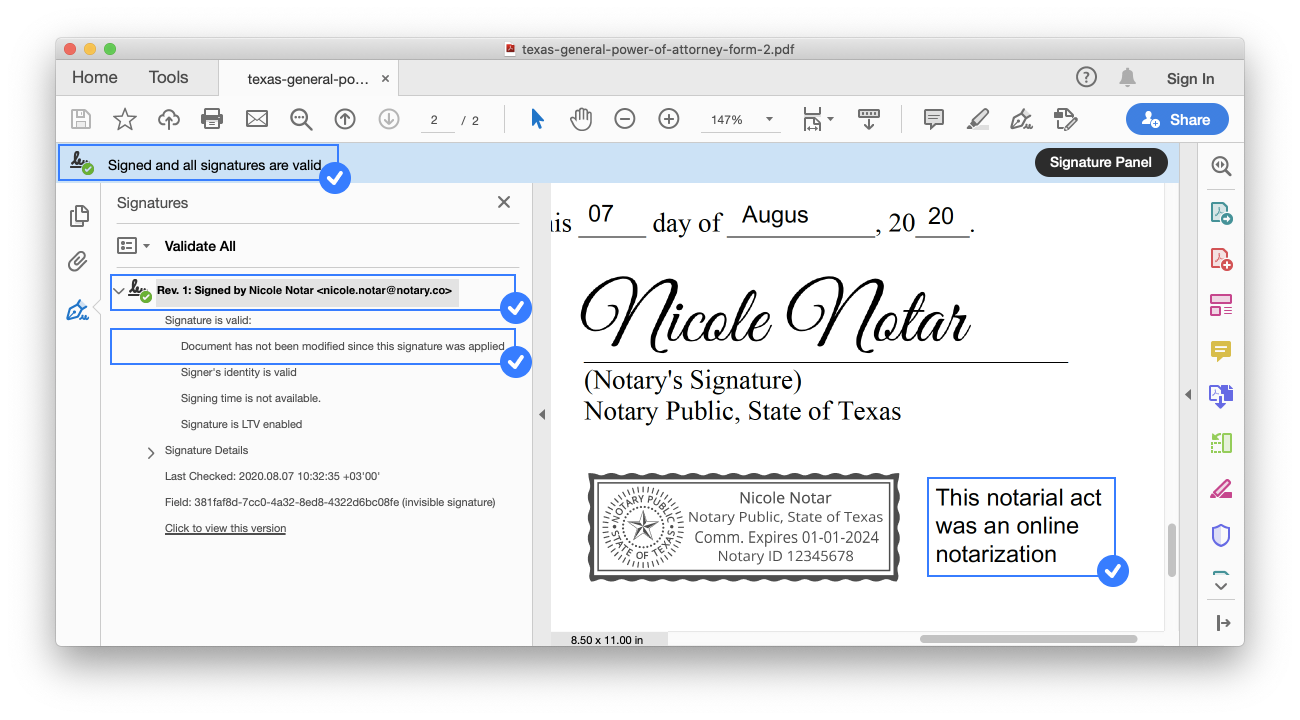
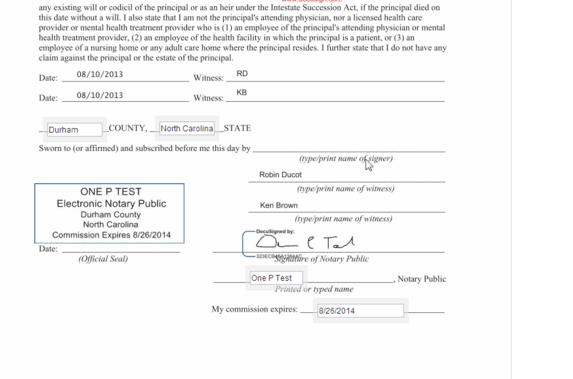
Electronic notary technology uses digital tools to perform notarial acts, such as digital signatures, electronic seals, and digital certificates. These tools ensure the authenticity and security of electronic notarizations.
Choosing an Electronic Notary Service
When selecting an electronic notary service, it's essential to consider several factors, including:
- Security: Look for services that use robust security protocols to protect documents and identities.
- Compliance: Ensure the service complies with state laws and regulations.
- Ease of use: Choose a service that is user-friendly and easy to navigate.
- Support: Look for services that offer 24/7 support and customer service.
Conclusion
Electronic notarization offers a convenient, secure, and efficient way to notarize documents. By understanding the basics, benefits, and best practices of electronic notary services, individuals and businesses can take advantage of this digital solution. Whether you're a notary or an individual, electronic notarization is a valuable addition to the notary services industry.
Additional Resources
For more information on electronic notarization, refer to the following resources:
- Notary Association of [State] for state-specific laws and regulations on electronic notarization.
- National Notary Association for information on electronic notary technology and best practices.
- Local government website for notary registration and licensing information.