Understanding the Relationship Between Food Satisfaction and GLP-1: What You Need to Know
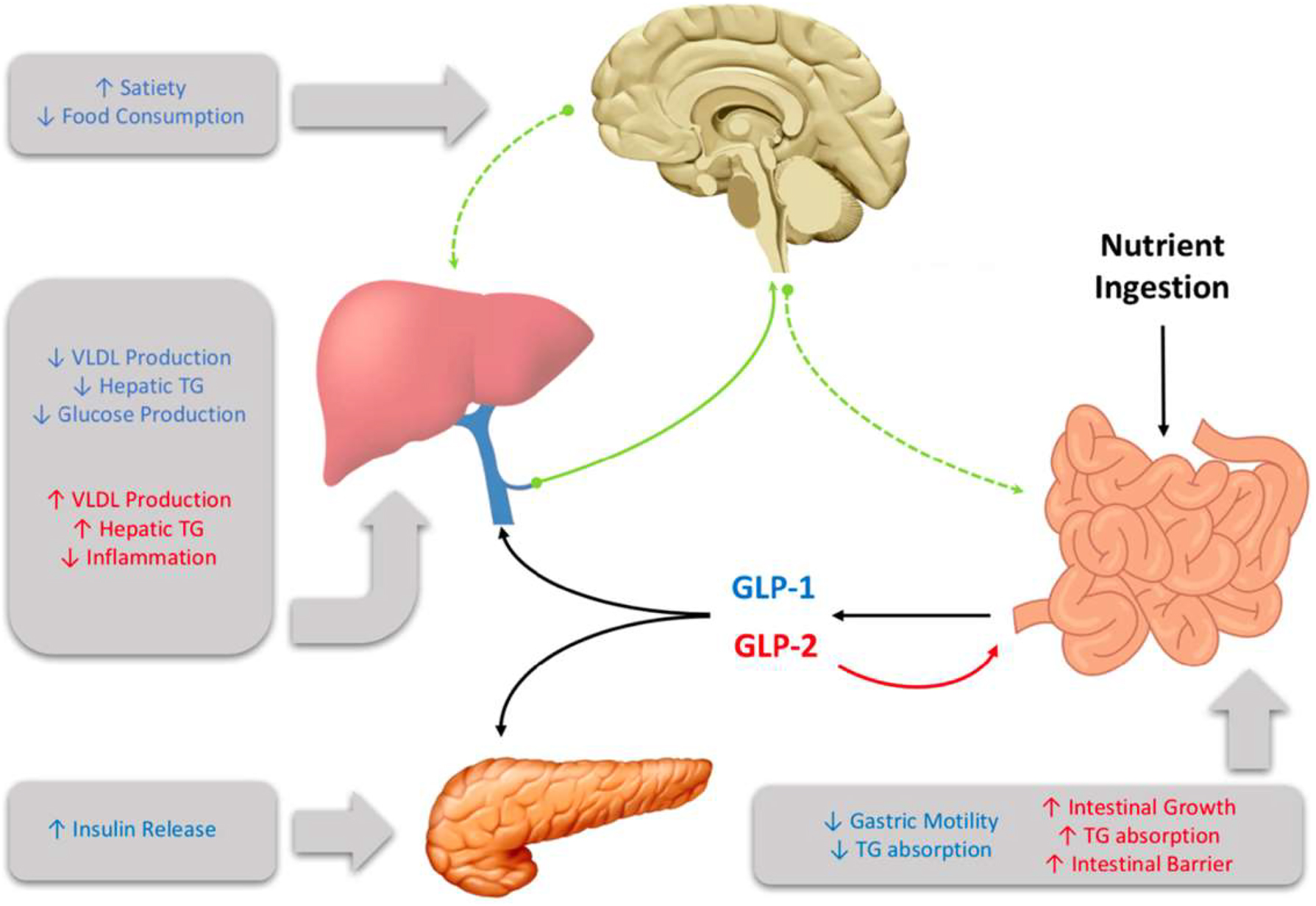
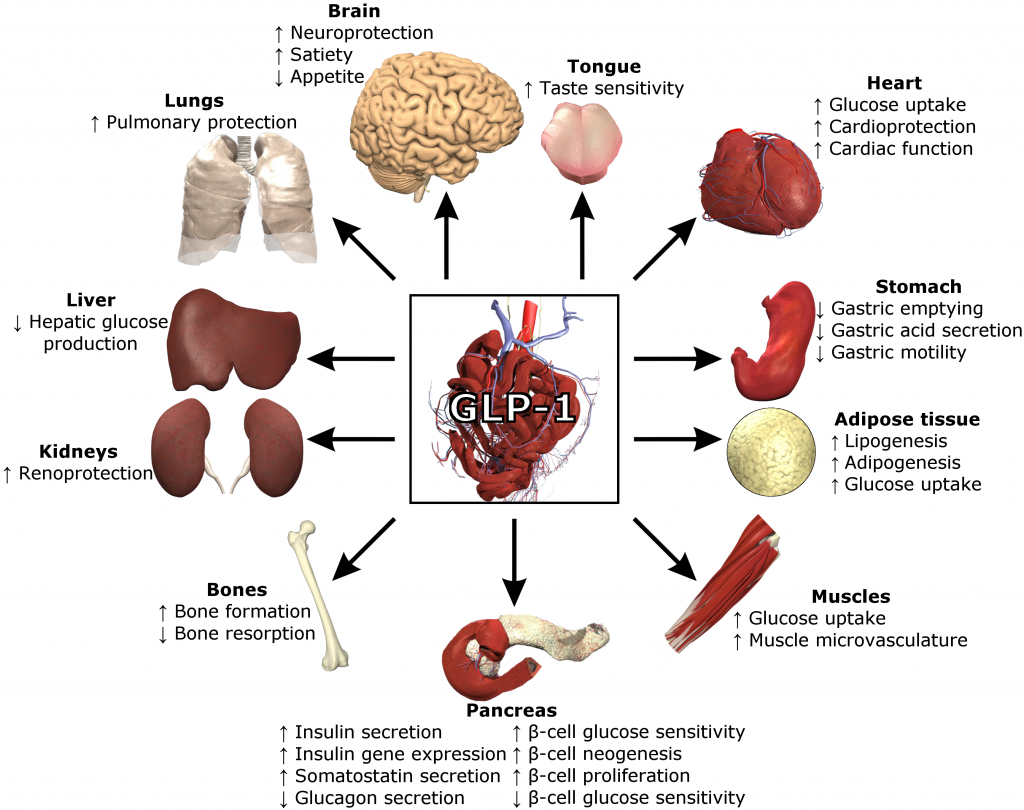
Glucagon-like peptide-1 (GLP-1) is a hormone that plays a crucial role in glucose metabolism and appetite regulation. Research has shown that GLP-1 is involved in the satiety response and the sensation of fullness after meals. But what is the relationship between food satisfaction and GLP-1, and how can you adjust your diet to optimize this connection?
How GLP-1 Affects Food Satisfaction
GLP-1 is secreted by L cells in the intestine in response to food intake. The release of GLP-1 is triggered by nutrient-sensing via transporters and G-protein-coupled receptors (GPCRs). Studies have shown that adults with obesity or type 2 diabetes mellitus (T2DM) may have lower levels of GLP-1 secretion.
- GLP-1 contributes to the change in gastric volume that occurs in anticipation of food ingestion, known as gastric accommodation.
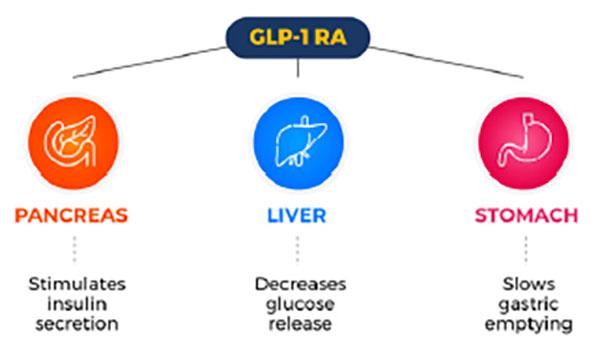
- GLP-1 slows down stomach emptying, which may extend satisfaction after meals and support steadier post-meal energy.
The Role of Food in GLP-1 Production
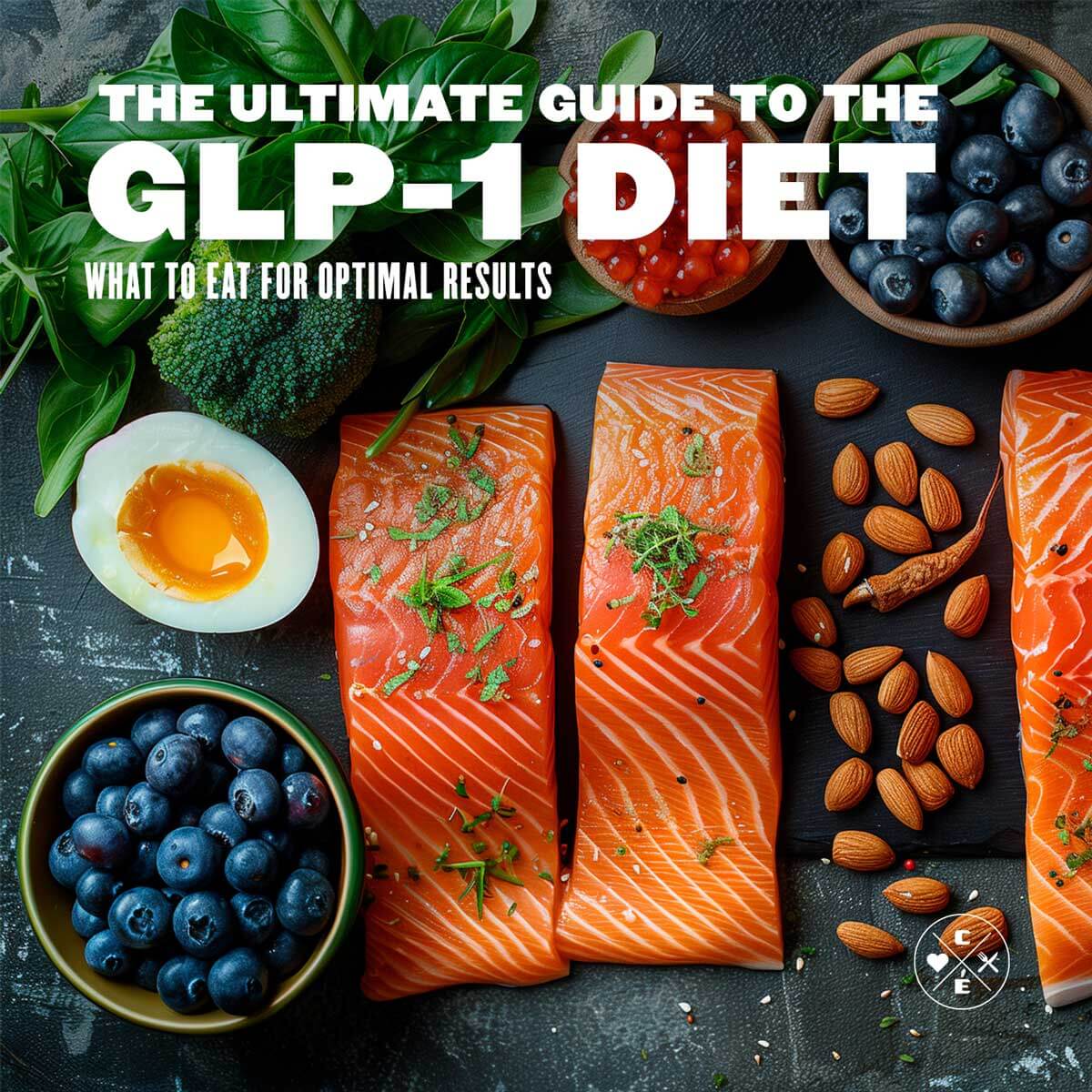
Research suggests that certain foods can increase GLP-1 levels naturally. These foods include:
- Protein-rich foods
- Fiber-rich foods
- Healthy fats
- Eggs
- Vegetables
- Olive oil
Food Choices that Support GLP-1 Activity
When selecting food for meals, focusing on nutrient-dense foods that support gut and digestive health is essential. Incorporating the PFF (Protein + Fat + Fiber) formula into your diet can help unlock sustained energy and deep satisfaction. This formula is a powerful combination of macronutrients that help regulate appetite and support GLP-1 activity.
Unlocking the Potential of GLP-1
GLP-1 medications, such as liraglutide (Saxenda), have shown promising results in reducing binge eating episodes by 50-70%. These medications work by slowing gastric emptying and regulating appetite-controlling hormones in the brain. However, they work best when combined with behavioral therapy and nutritional adjustments. By preparing your diet for optimal GLP-1 activity, you can experience significant benefits, including:
- Improved appetite regulation
- Enhanced nutrient absorption
- Support for weight loss
- Reduced food cravings
Conclusion
The relationship between food satisfaction and GLP-1 is complex and multifaceted. By understanding how GLP-1 is affected by food intake and incorporating nutrient-dense foods into your diet, you can unlock the potential of this hormone to support weight loss and metabolic health. Whether you're taking GLP-1 medications or seeking natural ways to boost GLP-1 levels, making informed food choices is essential for achieving optimal results.