Understanding GHz Router Co-Channel Interference
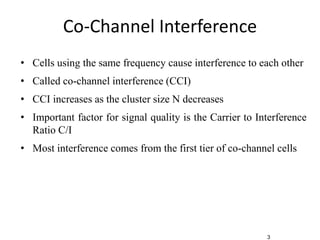
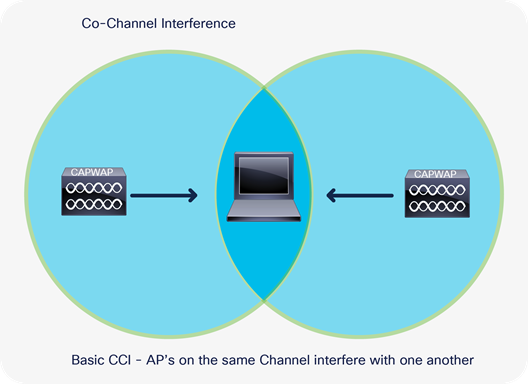
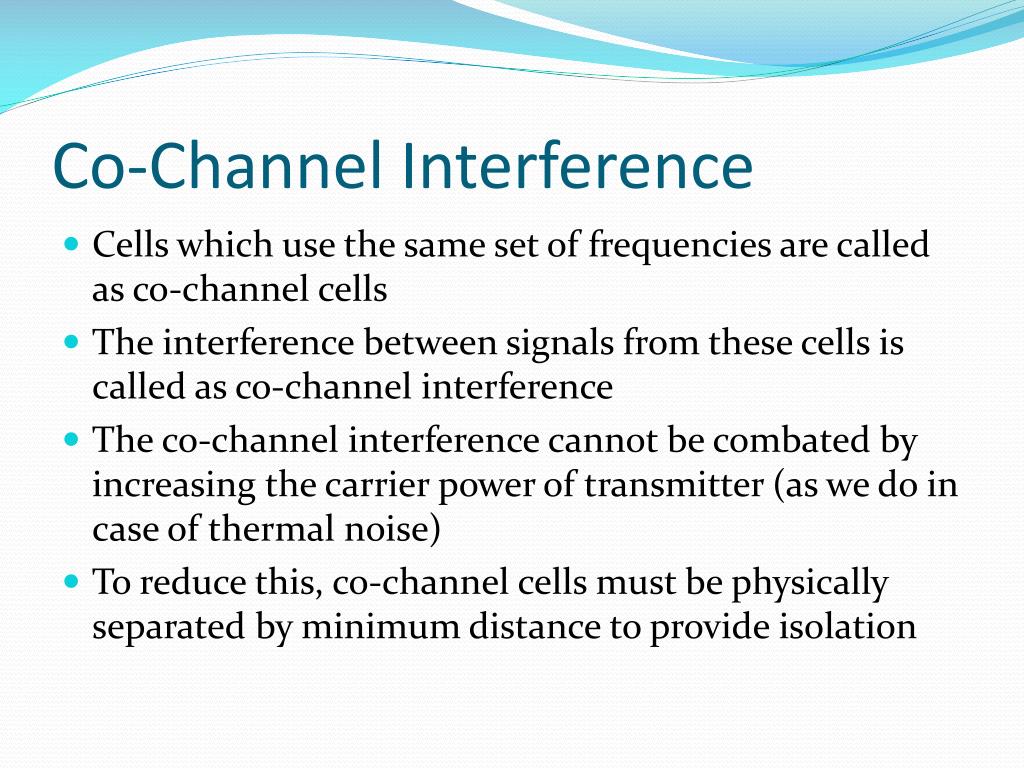
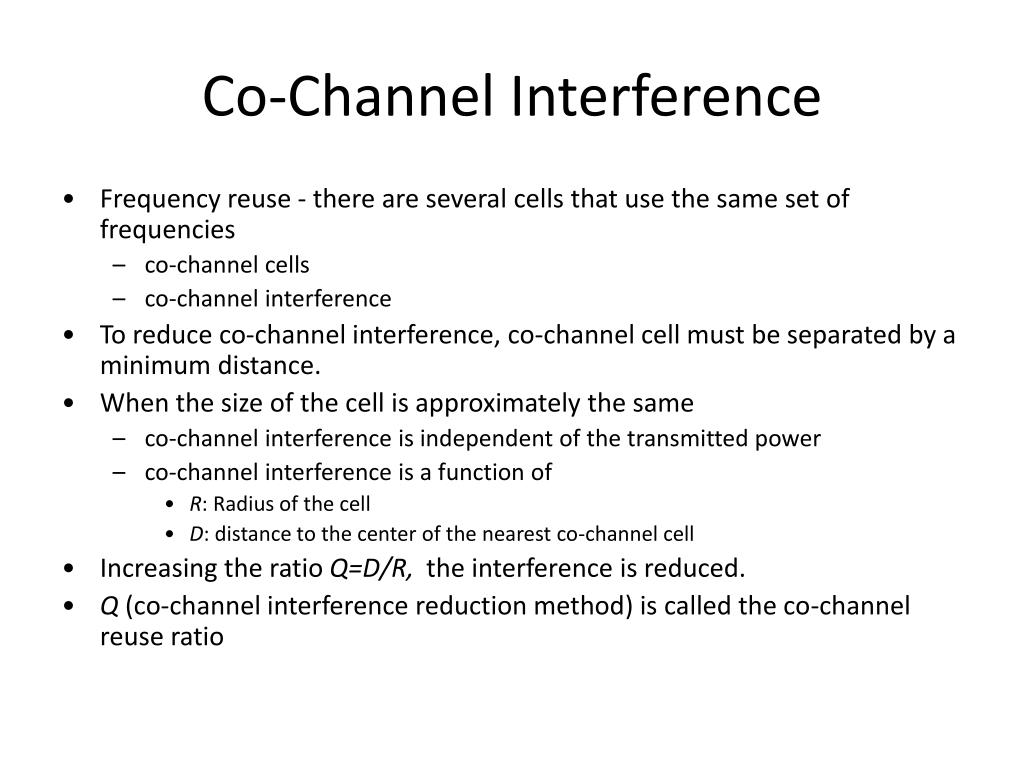
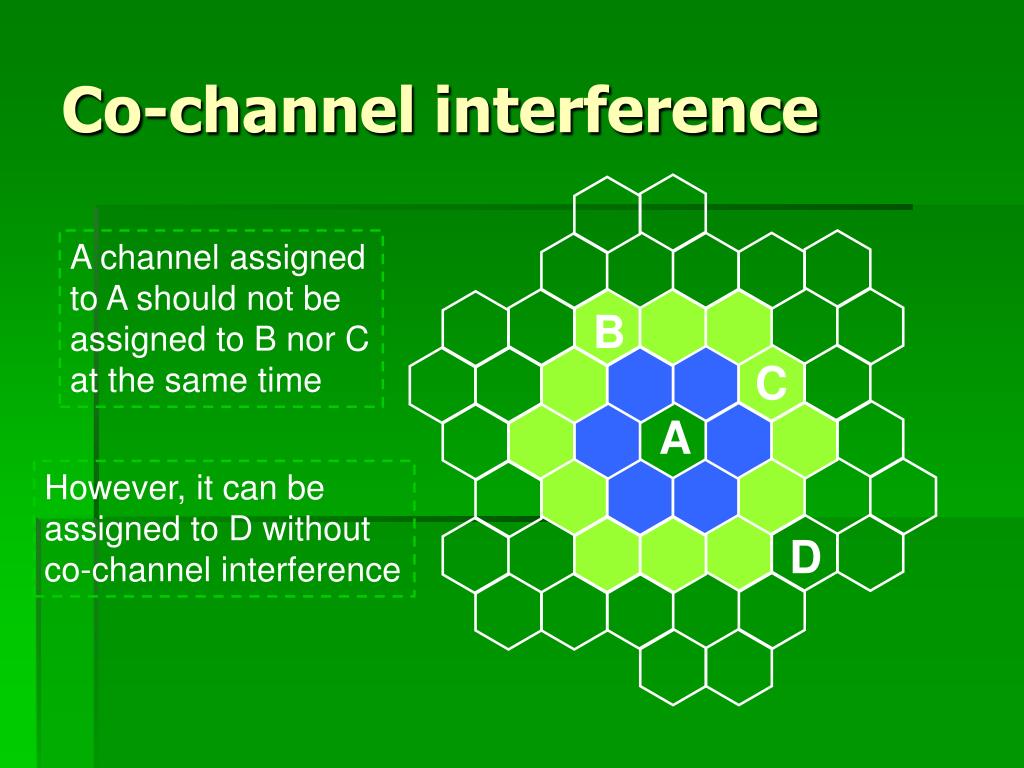
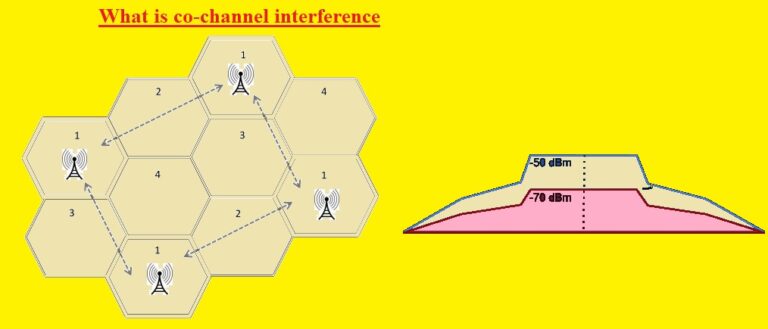
Modern wireless networks are a cornerstone of our daily connectivity, and GHz router co-channel interference is a significant challenge that network designers and administrators must contend with. Co-channel interference (CCI) occurs when two or more access points (APs) or wireless devices share the same channel, causing signal collisions and leading to decreased network performance. In this article, we will delve into the world of GHz router co-channel interference, its impact, and strategies for mitigating its effects.
What is Co-Channel Interference?
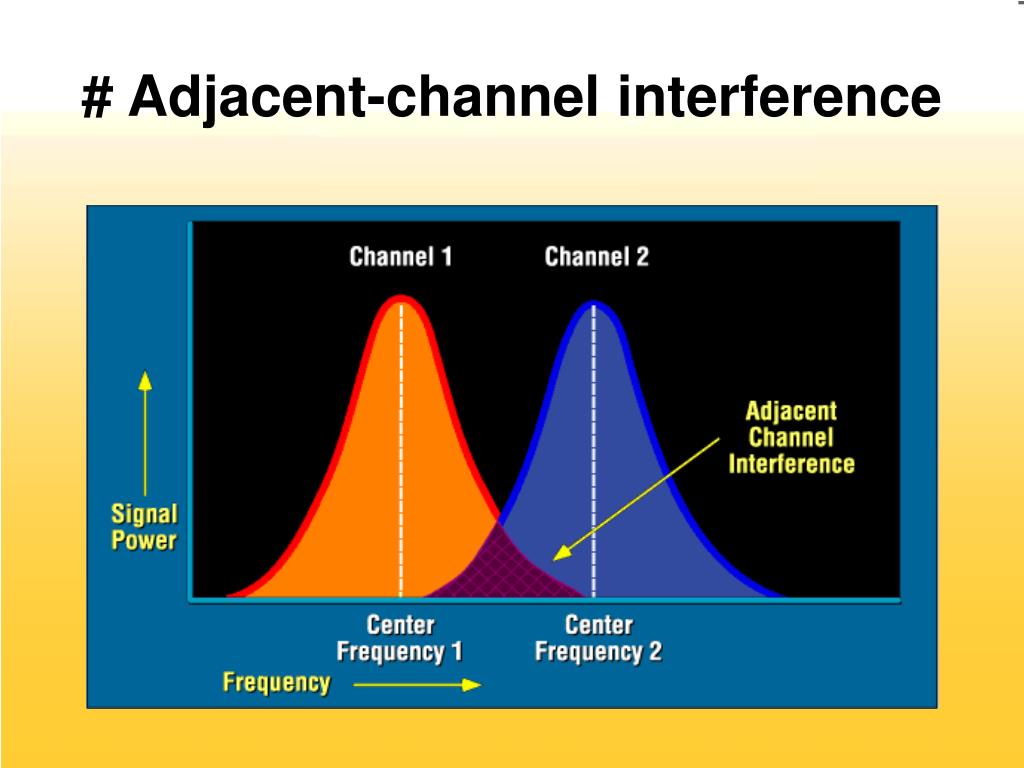
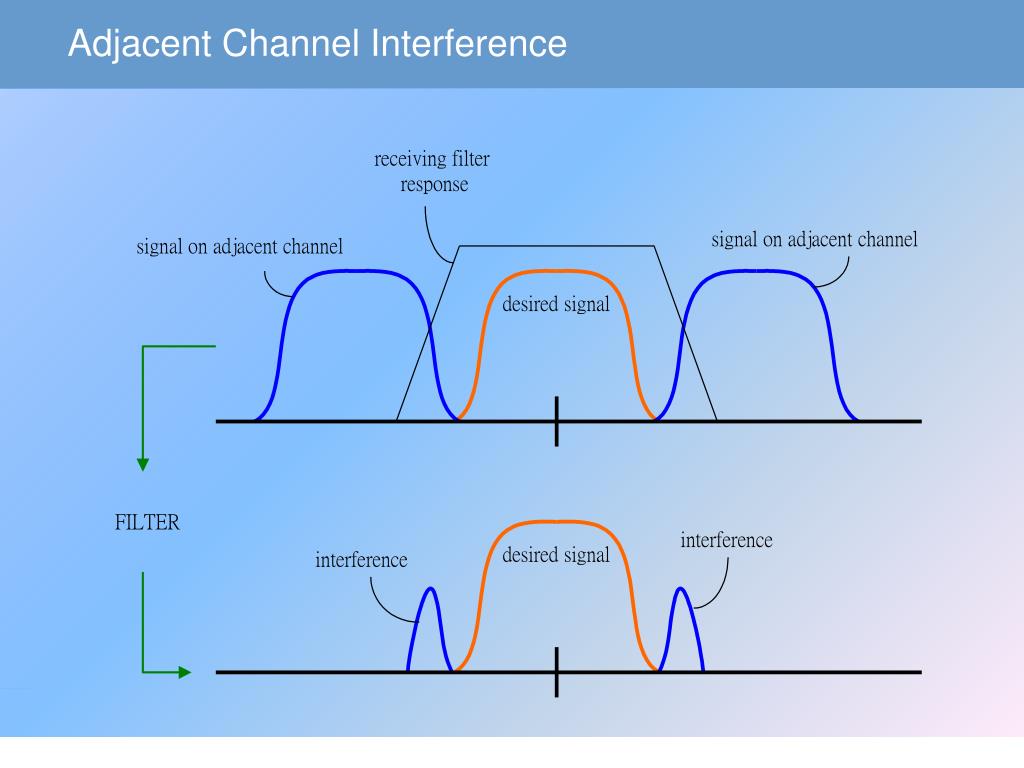
Co-channel interference is the result of multiple wireless devices competing for the same radio frequency channel. When devices use the same channel, they may transmit simultaneously, leading to interference and reduced network performance. In the 2.4GHz band, which is used by legacy 802.11b, 802.11g, and 802.11n specifications, there are 14 channels available, but only 11 are commonly used in North America. Each channel occupies at least 20MHz, but they are spaced only 5MHz apart, resulting in significant overlap. This overlap leads to both co-channel interference and adjacent-channel interference, degrading wireless LAN performance.
Causes of Co-Channel Interference
Co-channel interference is often caused by the mobility of wireless devices. Clients are the primary contributors to CCI, as they move around a network and frequently change channels. This dynamic nature of co-channel interference makes it essential to understand how devices interact and interfere with each other. Proper network design and management practices can significantly minimize the impact of CCI.
Consequences of Co-Channel Interference
Co-channel interference can significantly impact wireless network performance by reducing throughput, increasing latency, and causing dropped connections. It also affects network reliability, leading to frustration for users and administrators alike. Seasoned network professionals recommend implementing effective mitigation strategies to reduce the effects of co-channel interference and keep your network running smoothly.
Strategies for Mitigating Co-Channel Interference
Channel Width Optimization
One effective approach to co-channel interference mitigation is adjusting your device's channel width. Wider channel widths may increase throughput, but they also expand the potential for interference. Narrower channel widths may provide less throughput but reduce the risk of interference. Carefully consider the pros and cons when adjusting your device's channel width.
Channel Selection
Selecting the right channel can significantly reduce interference. Channels 1, 6, and 11 are generally non-overlapping in the 2.4GHz band, making them more suitable for use. Additionally, consider using the 5GHz band, which has a higher frequency and thus less overlap between channels, providing fewer potential interference sources.
Increasing Non-Overlapping Channels
Using multiple non-overlapping channels is an effective strategy for minimizing co-channel interference. In the 5GHz band, DFS (Dynamic Frequency Selection) can help select channels, minimizing interference from neighboring devices.
Interference-Friendly Channel Selection
When setting up wireless networks, use transmitters that straddle multiple channels to minimize interference. This strategy is particularly effective in the 2.4GHz band.
Conclusion
Co-channel interference is a significant challenge in modern wireless networks, impacting network performance and reliability. Understanding the causes and consequences of co-channel interference is crucial in networks. By implementing effective mitigation strategies such as adjusting channel width, choosing the right channel, increasing non-overlapping channels, and using interference-friendly channel selection, you can reduce the impact of co-channel interference and ensure a smooth and efficient wireless network.