GLP-1 Agonist and Fatty Liver Disease Management: A Comprehensive Review
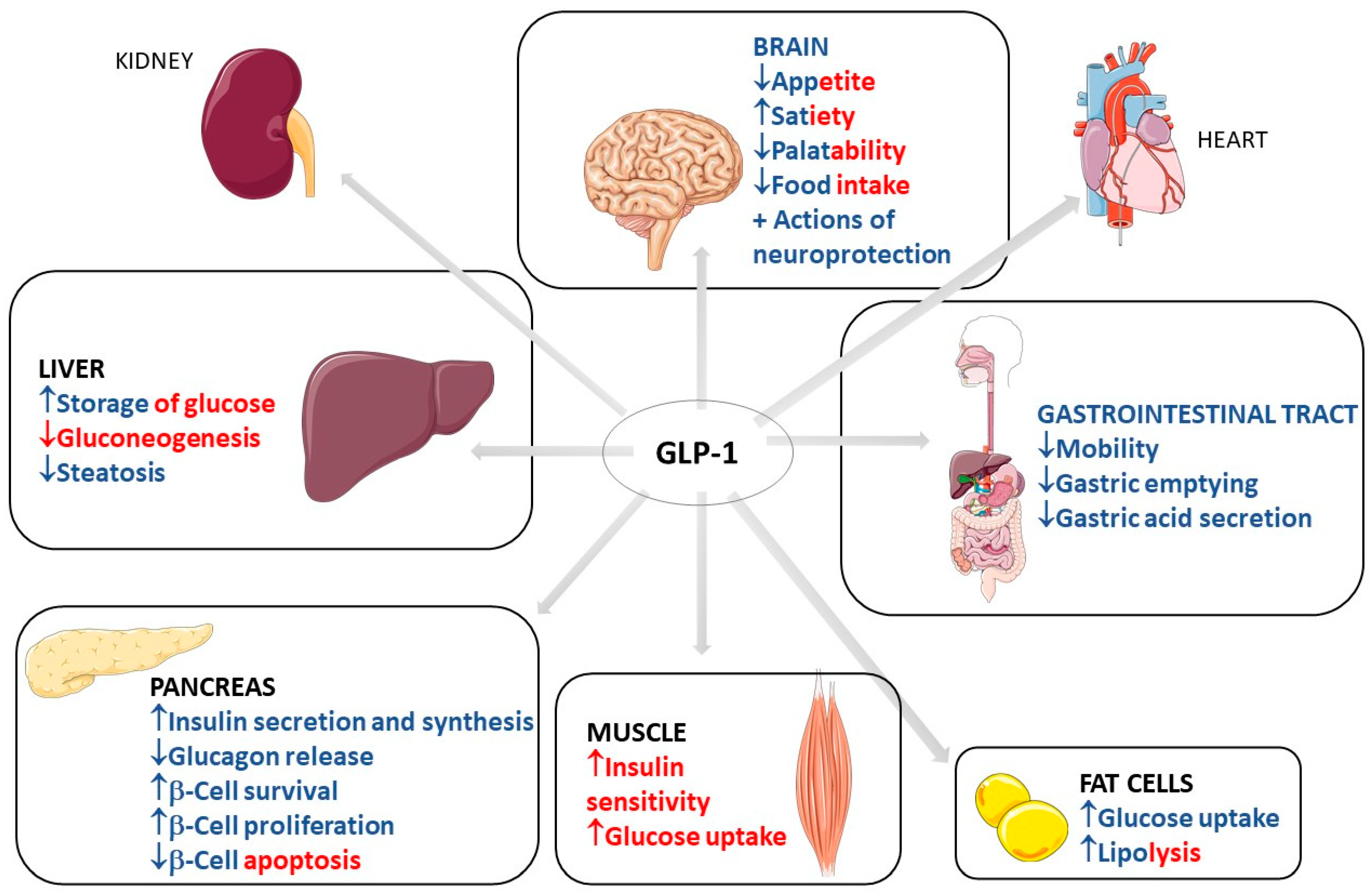
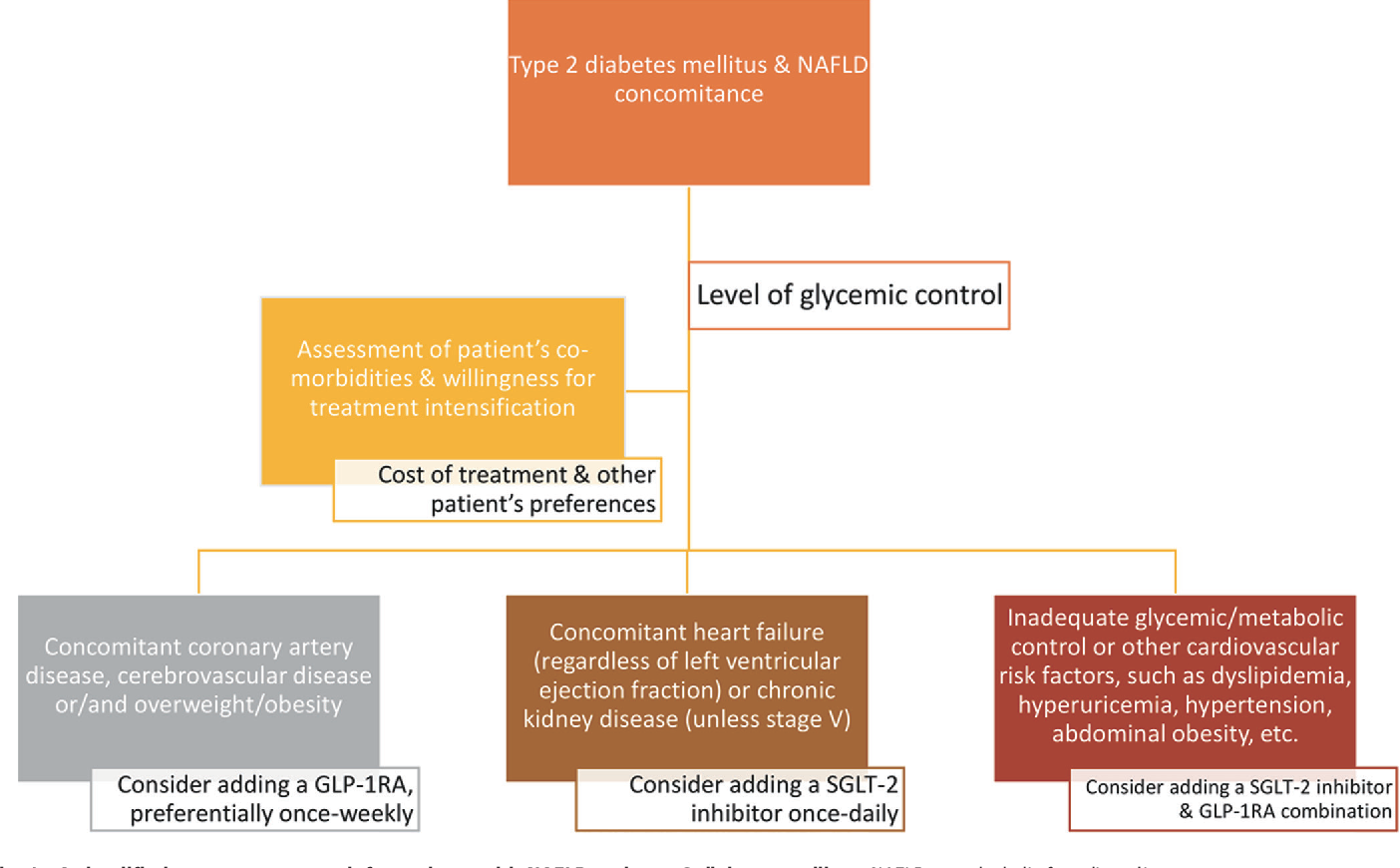
Glucagon-like peptide-1 (GLP-1) receptor agonists have emerged as a promising treatment for various metabolic disorders, including type 2 diabetes and obesity. Recently, research has highlighted the potential of GLP-1 agonists in managing fatty liver disease, a condition characterized by excessive fat accumulation in the liver. In this article, we will delve into the relationship between GLP-1 agonists and fatty liver disease management, exploring the underlying mechanisms, clinical evidence, and future directions.
The Relationship between GLP-1 Agonists and Fatty Liver Disease
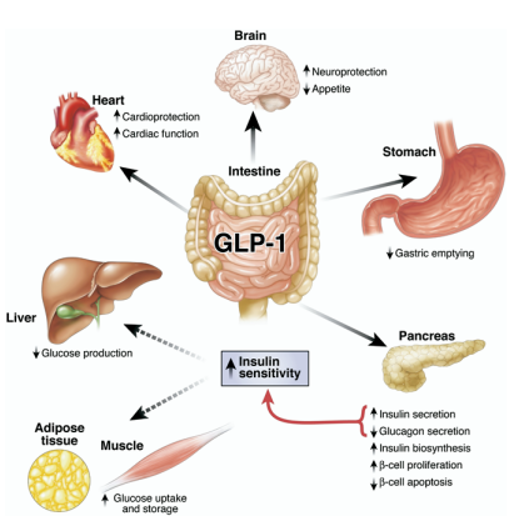
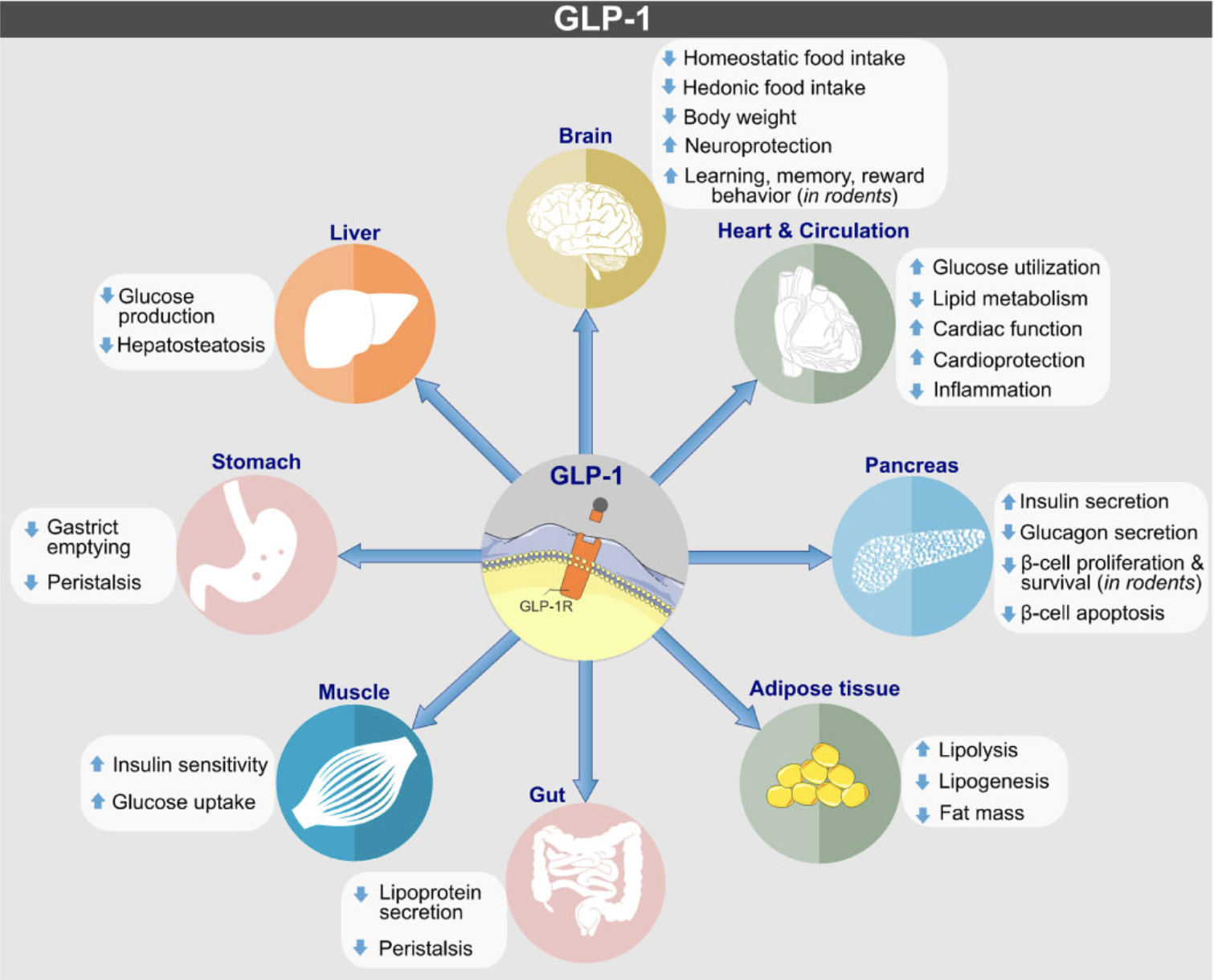
Fatty liver disease, also known as non-alcoholic fatty liver disease (NAFLD), affects up to 70% of patients with diabetes. It is characterized by excessive fat accumulation in the liver, leading to inflammation, fibrosis, and potentially cirrhosis. GLP-1 receptor agonists, originally developed for diabetes management, have been shown to have a significant impact on body weight and multiple metabolic pathways implicated in NAFLD.
GLP-1 Agonists and Weight Loss
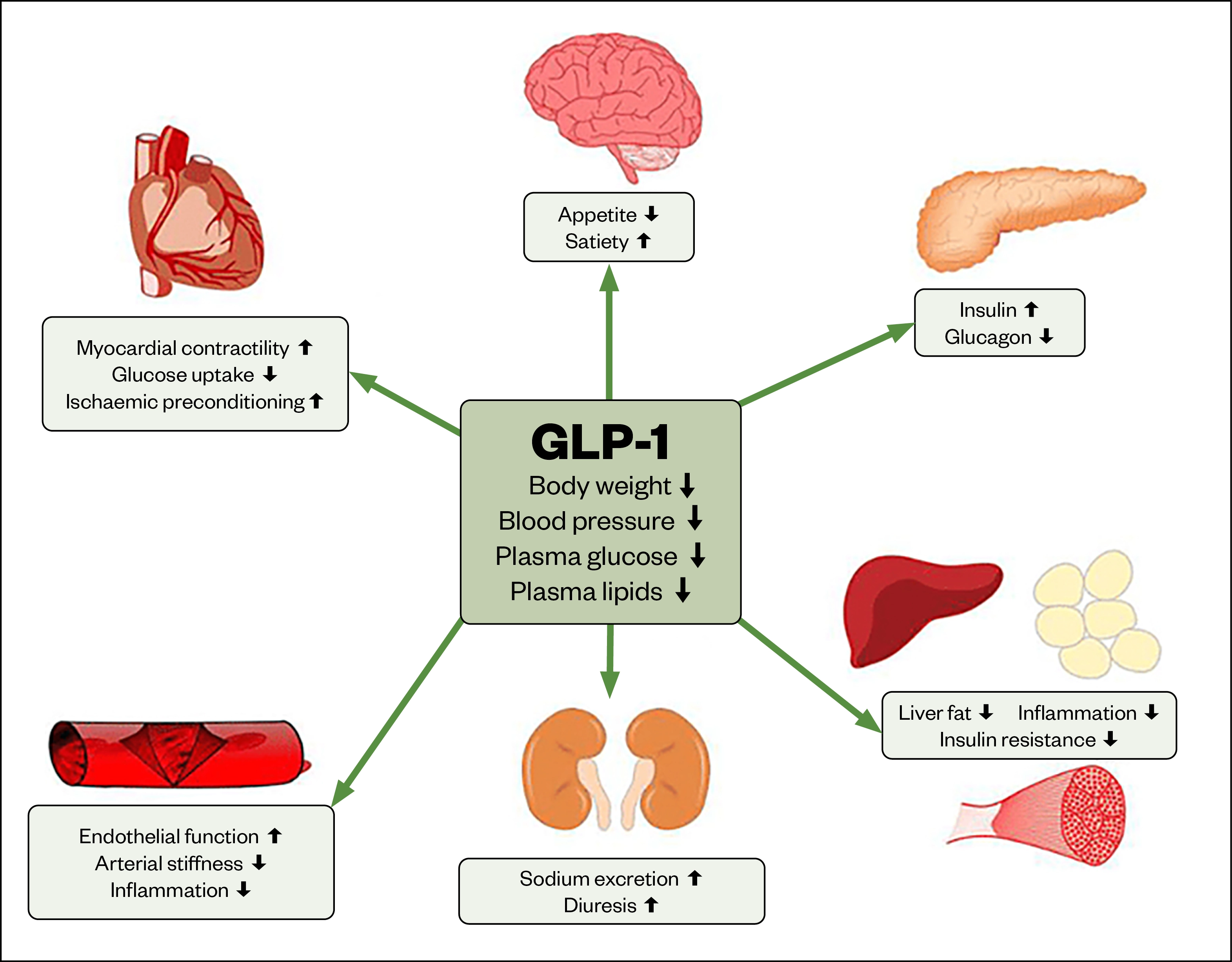
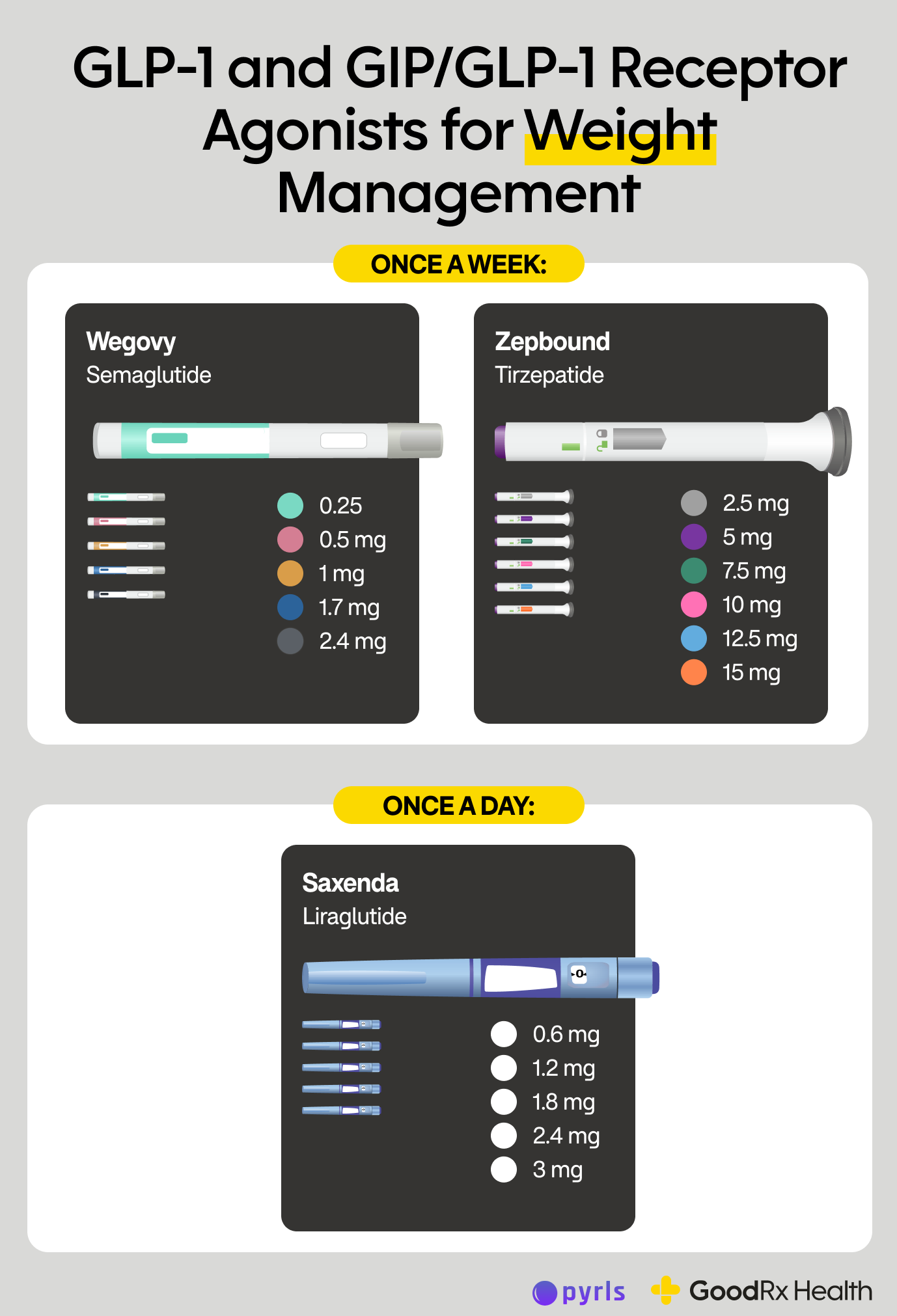
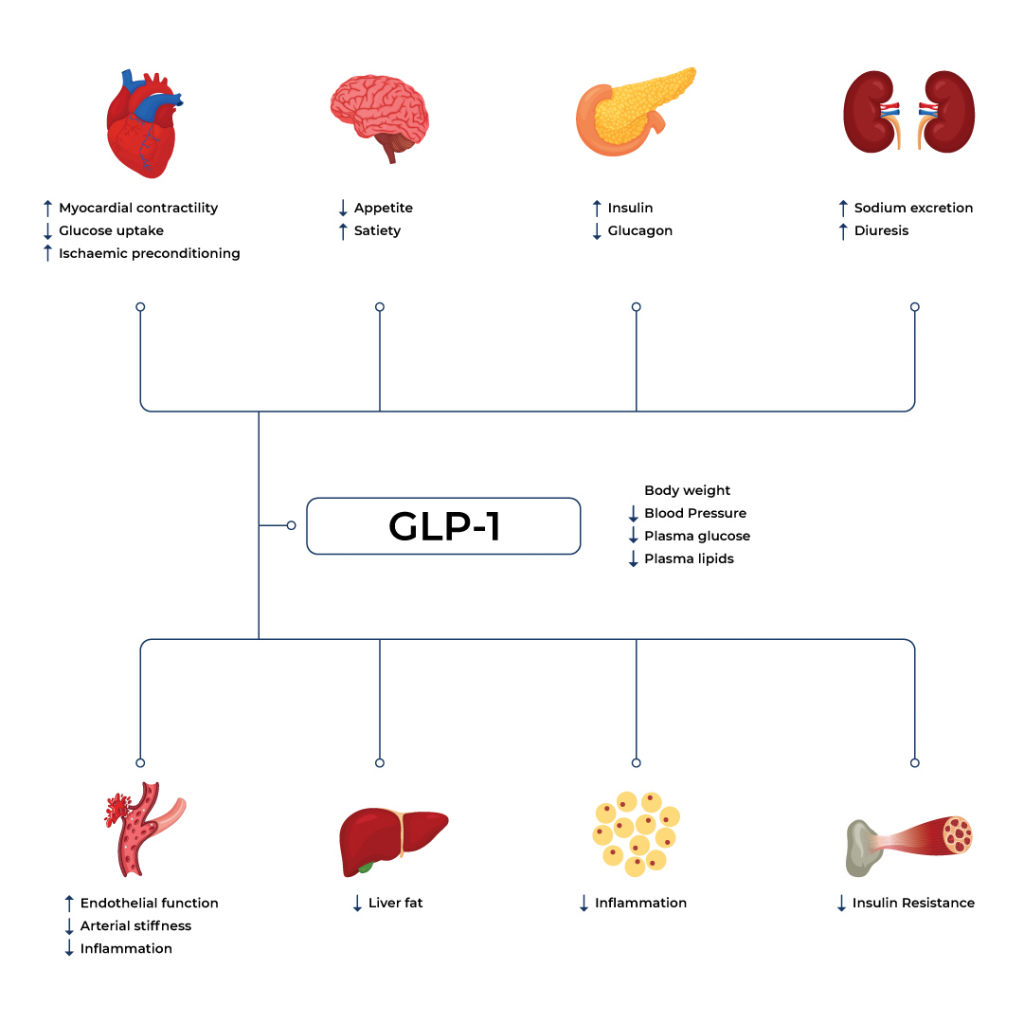
GLP-1 receptor agonists, such as semaglutide, have been shown to promote weight loss by reducing appetite, increasing feelings of fullness, and slowing gastric emptying. This weight loss effect is particularly beneficial for patients with NAFLD, as it can lead to a reduction in liver fat content and improvement in liver enzyme levels.
GLP-1 Agonists and Liver Fat Reduction
Recent studies have demonstrated that GLP-1 agonists can directly reduce liver fat content and improve liver enzyme levels in patients with NAFLD. This effect is thought to be mediated by the activation of GLP-1 receptors in the liver, which stimulates fatty acid oxidation and reduces liver inflammation.
GLP-1 Agonists and Inflammation Reduction
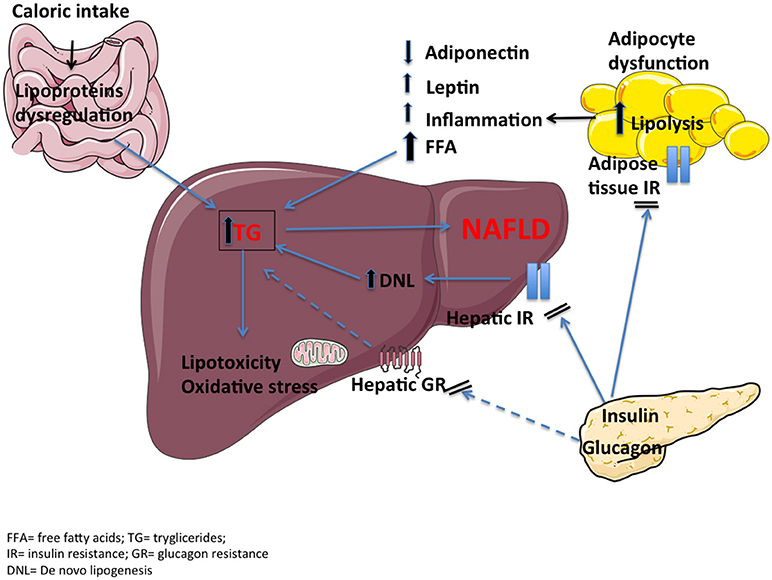
GLP-1 agonists have also been shown to reduce liver inflammation and fibrosis progression in patients with NAFLD. This anti-inflammatory effect is thought to be mediated by the reduction of pro-inflammatory cytokines and the activation of anti-inflammatory pathways in the liver.
Future Directions
The use of GLP-1 agonists in fatty liver disease management is an exciting area of research. Ongoing studies are investigating the efficacy and safety of GLP-1 agonists in patients with NAFLD and are exploring the potential of these medications as a first-line treatment for this condition. Additionally, researchers are investigating the potential of GLP-1 agonists to reduce liver fibrosis and improve liver function in patients with NAFLD.
Key Takeaways
- GLP-1 receptor agonists, such as semaglutide, have been shown to reduce liver fat content and improve liver enzyme levels in patients with NAFLD.
- GLP-1 agonists can directly reduce liver fat content and improve liver enzyme levels in patients with NAFLD.
- GLP-1 agonists have anti-inflammatory effects, which can reduce liver inflammation and fibrosis progression in patients with NAFLD.
- Ongoing studies are investigating the efficacy and safety of GLP-1 agonists in patients with NAFLD.
- GLP-1 agonists may have the potential to reduce liver fibrosis and improve liver function in patients with NAFLD.
Conclusion
In conclusion, GLP-1 agonists have emerged as a promising treatment for fatty liver disease management. The underlying mechanisms, clinical evidence, and future directions highlight the potential of these medications to reduce liver fat content, improve liver enzyme levels, and reduce liver inflammation and fibrosis progression in patients with NAFLD. Further research is needed to fully explore the benefits and limitations of GLP-1 agonists in fatty liver disease management.