Unlock the Full Potential of GLP-1 Agonists and High-Protein Diets for Weight Loss
Glucagon-like peptide-1 (GLP-1) receptor agonists have revolutionized the treatment landscape for obesity and type 2 diabetes. These medications have been shown to produce significant weight loss, improve blood sugar control, and reduce the risk of cardiovascular disease. However, their effectiveness can be enhanced by combining them with a well-structured high-protein diet.
The Science Behind GLP-1 Agonists and Weight Loss
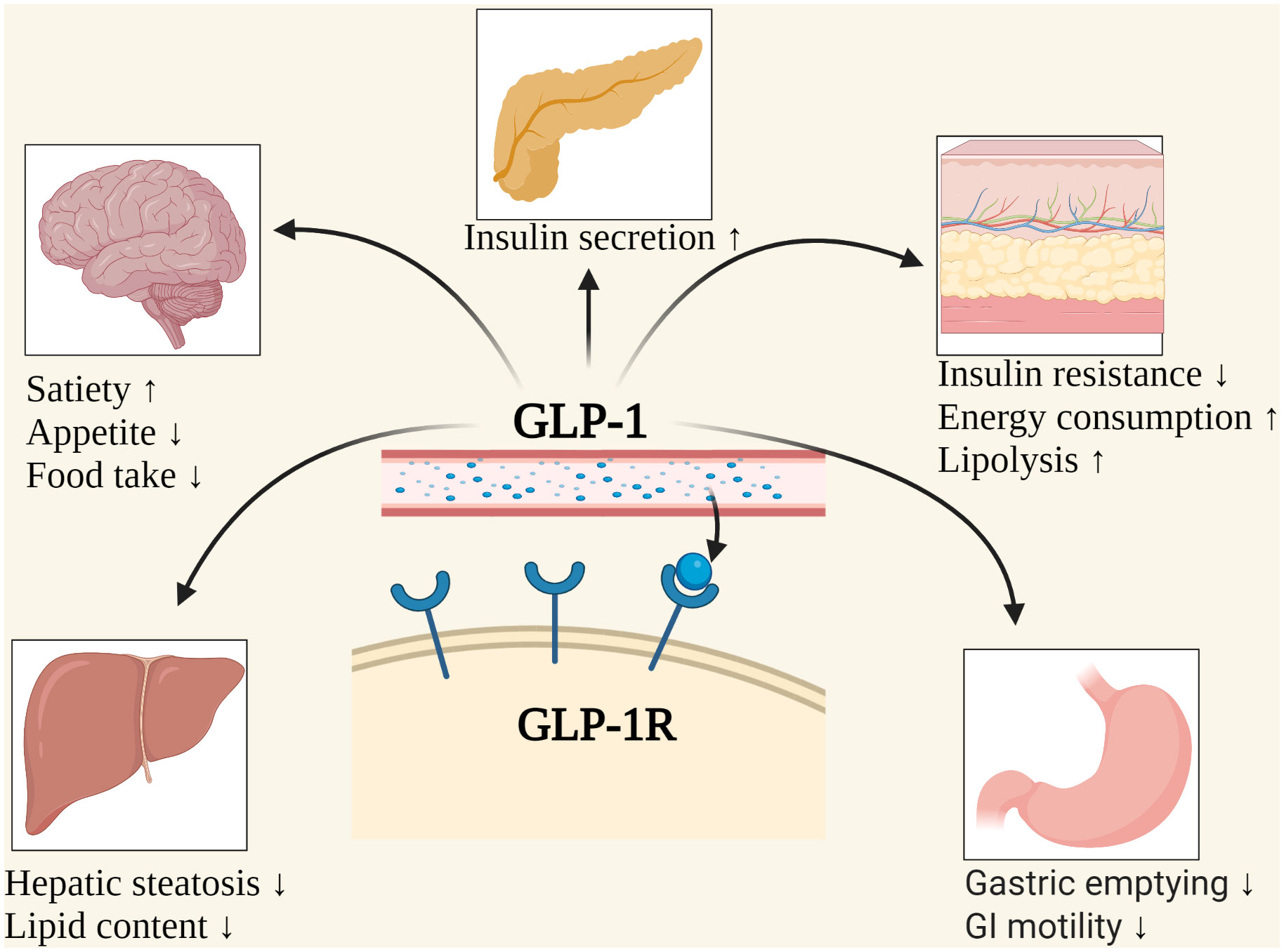
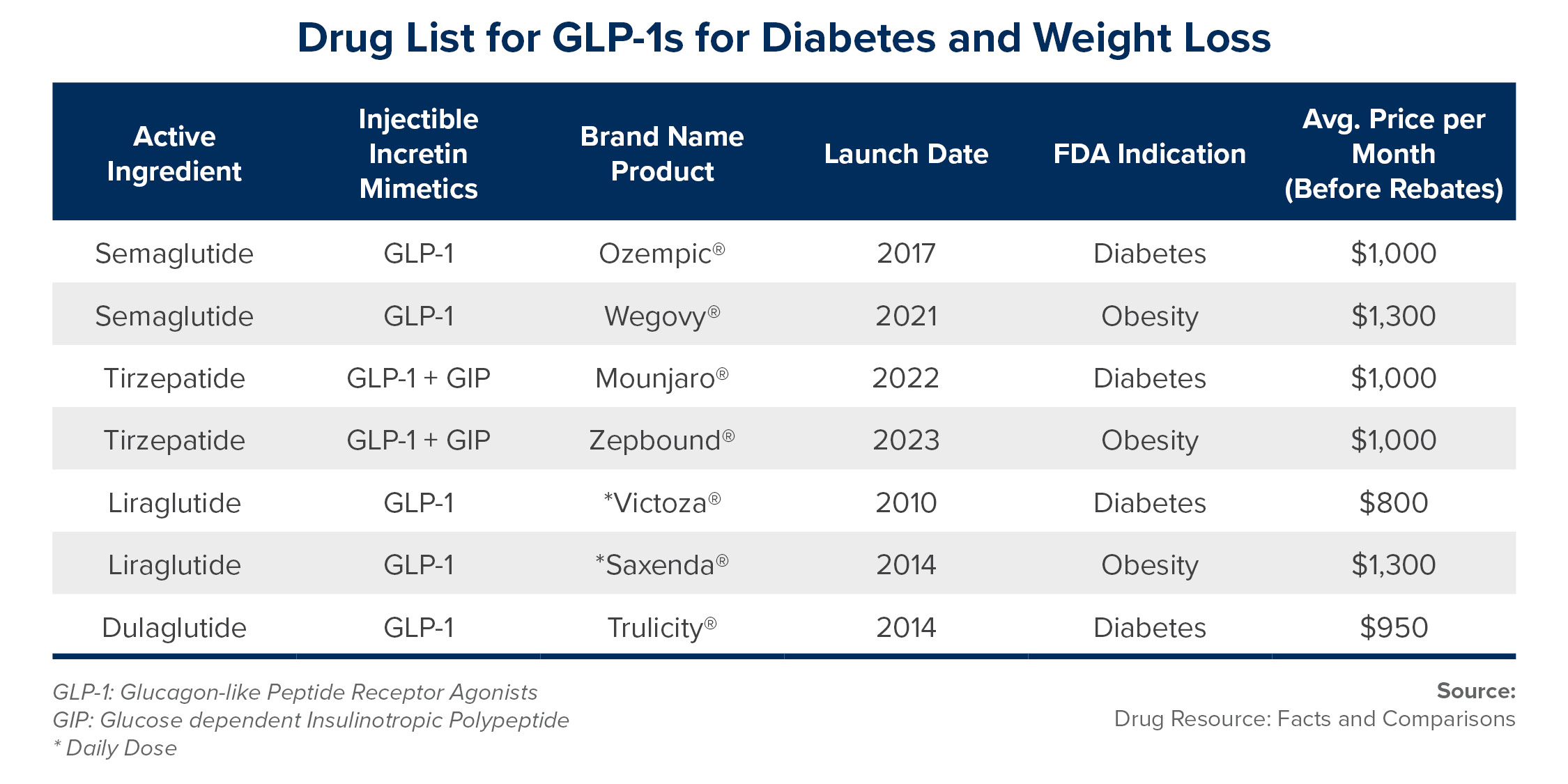
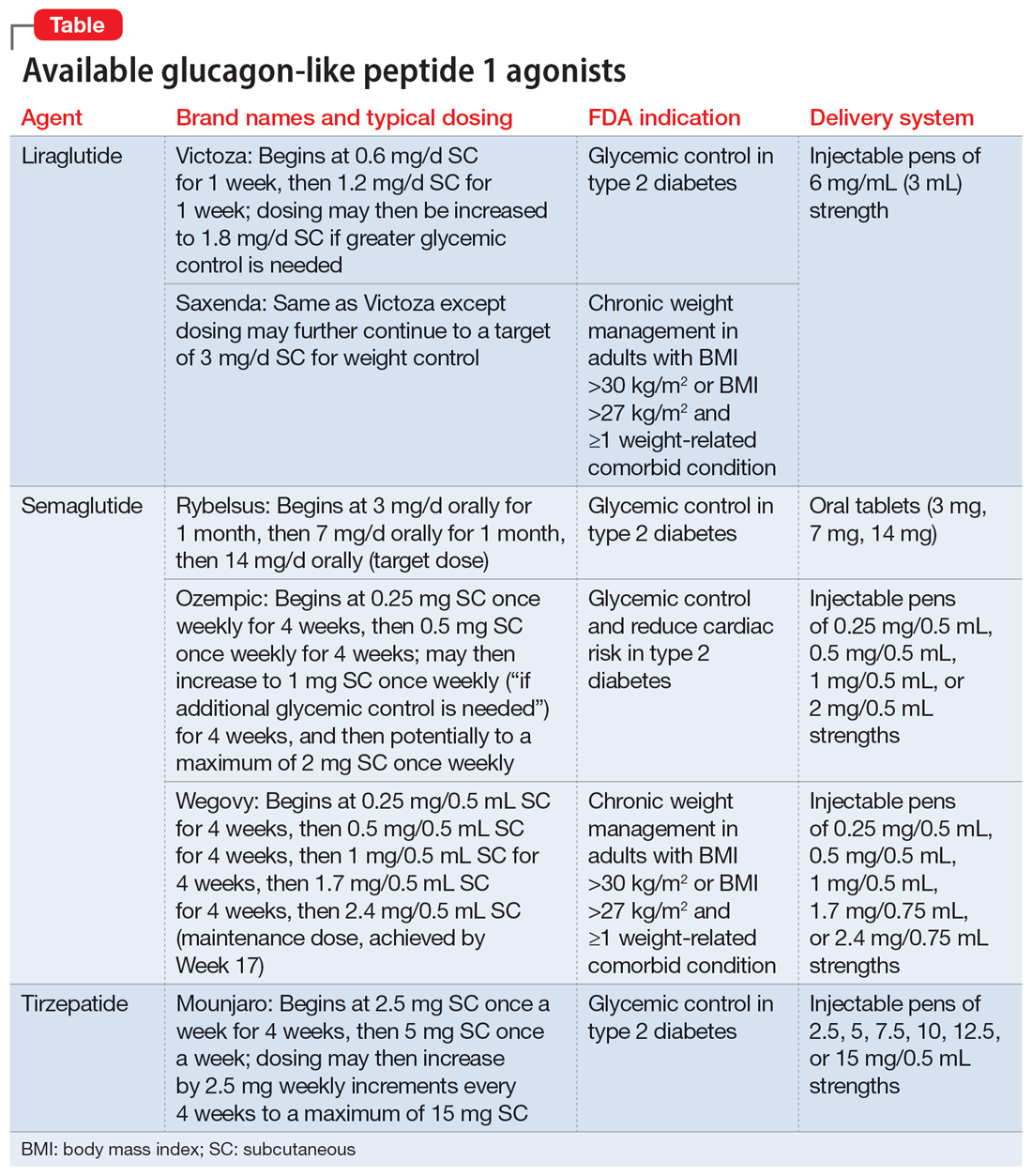
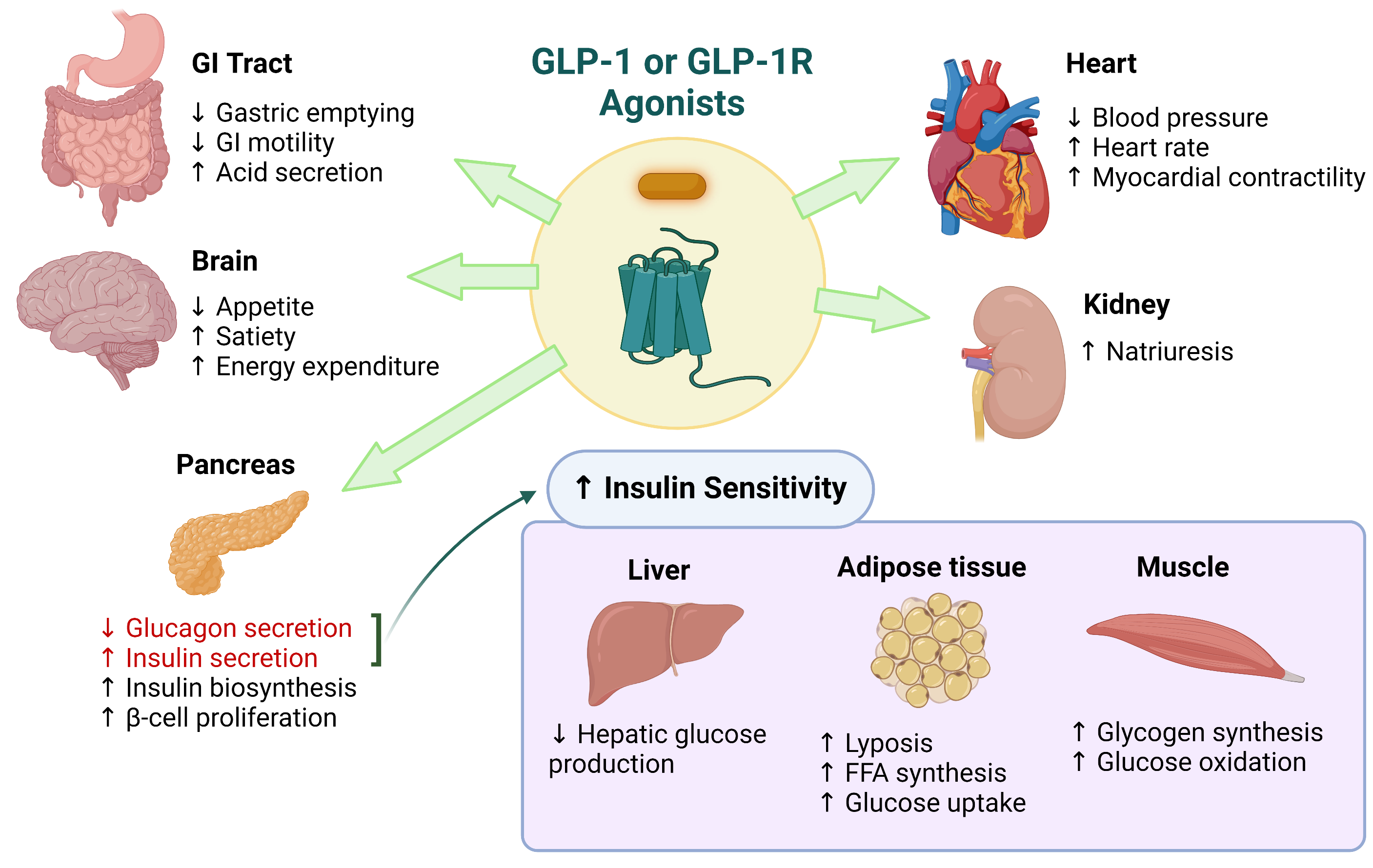
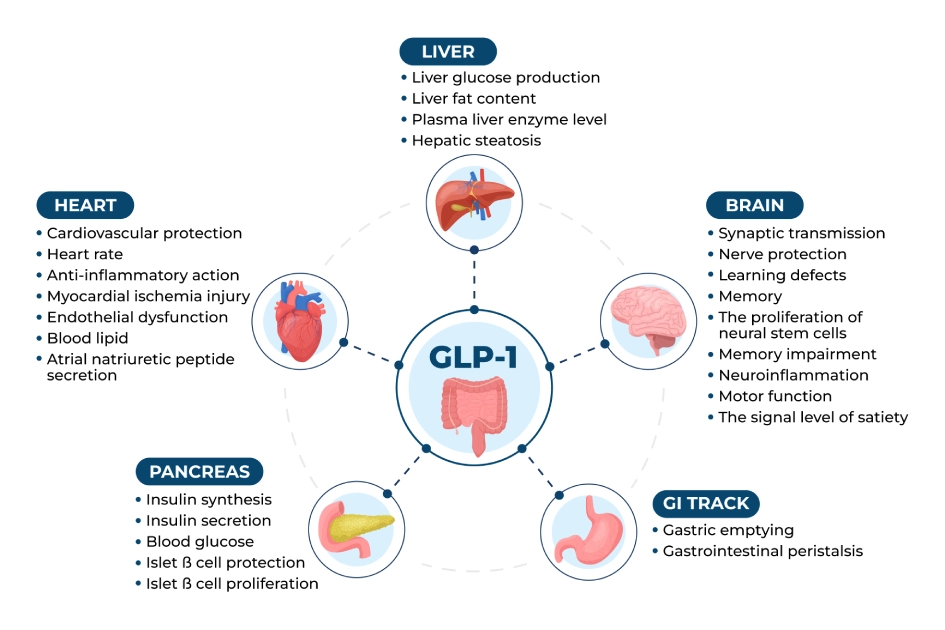
GLP-1 agonists, such as semaglutide and tirzepatide, work by mimicking the action of a natural hormone that helps regulate appetite and glucose metabolism. Studies have shown that these medications can lead to significant weight loss, with average reductions of 8-22% in body weight. However, weight loss can be more challenging in some individuals, leading to a plateau effect.
Why a High-Protein Diet is Essential with GLP-1 Agonists
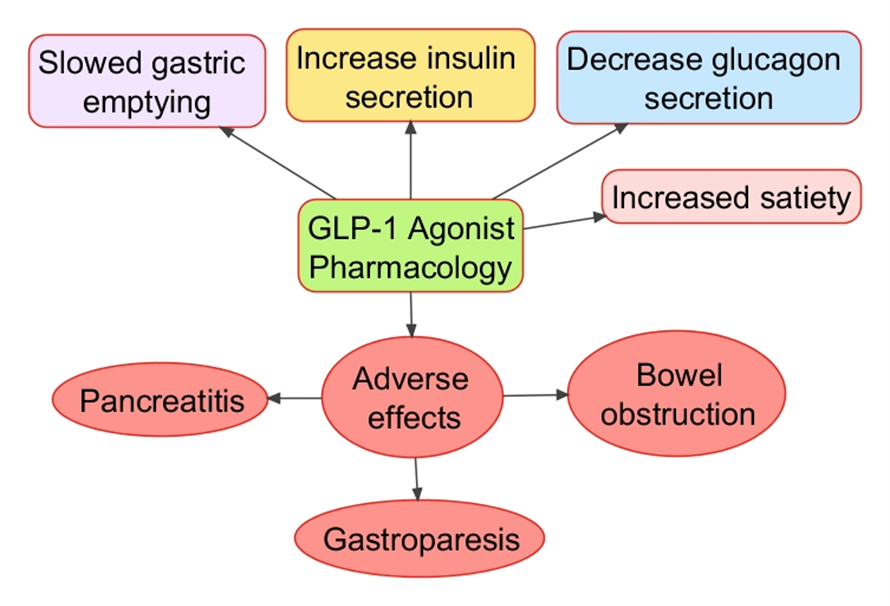
A high-protein diet is crucial when taking GLP-1 agonists to optimize weight loss, blood sugar control, and overall health. Protein is essential for muscle growth and maintenance, and a deficiency can lead to muscle loss and decreased weight loss. GLP-1 agonists slow gastric emptying, requiring easily digestible foods to avoid discomfort and reduce the risk of gastrointestinal side effects.
Benefits of a High-Protein Diet with GLP-1 Agonists
- Improved weight loss: High-protein diets have been shown to enhance weight loss when combined with GLP-1 agonists.
- Increased muscle mass: Adequate protein intake preserves muscle mass, reducing the risk of muscle loss and improved overall health.
- Reduced gastrointestinal side effects: Easily digestible foods reduce the risk of nausea, constipation, and other gastrointestinal issues associated with GLP-1 agonists.
- Enhanced medication effectiveness: A high-protein diet improves the efficacy of GLP-1 agonists, leading to better weight loss and glucose control.
Key Principles of a GLP-1 Agonist-Friendly Diet
A well-structured high-protein diet is essential to unlock the full potential of GLP-1 agonists. The following principles should guide your dietary approach:

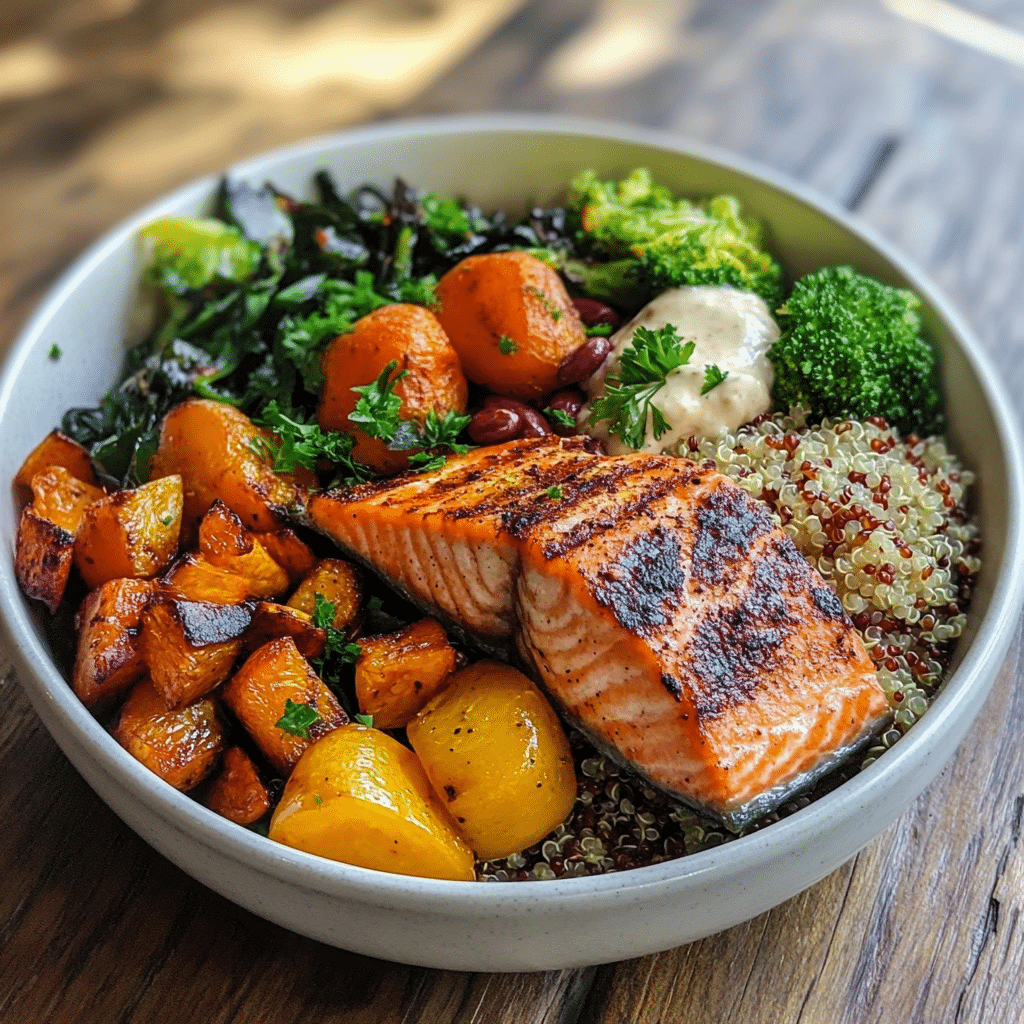
- Focus on protein-rich foods: Include lean meats, fish, eggs, dairy, and plant-based protein sources in your diet.
- Choose easily digestible foods: Opt for low-carb, high-fat, and high-fiber foods to reduce gastrointestinal side effects.
- Avoid simple carbohydrates: Limit sugary drinks, refined grains, and processed foods to minimize blood sugar spikes.
- Incorporate healthy fats: Nuts, seeds, avocados, and olive oil are excellent sources of healthy fats for sustained energy and satiety.
- Stay hydrated: Adequate water intake is essential for optimal weight loss and medication effectiveness.
Overcoming Plateaus with GLP-1 Agonists and High-Protein Diets
Weight loss plateaus can be frustrating, especially when taking GLP-1 agonists. However, combining these medications with a well-structured high-protein diet and incorporating lifestyle modifications can help break through the plateau.
Breakthrough Strategies for GLP-1 Agonist Plateaus
When faced with a weight loss plateau, consider the following strategies:
- Reassess your diet: Review your food choices, ensure a high-protein intake, and adjust your portion sizes to optimize weight loss.
- Boost protein intake: Increase your protein consumption to 0.8-1g per pound of body weight daily to preserve muscle mass.
- Resistance training: Engage in regular resistance exercises to build muscle mass and improve overall health.
- Get enough sleep: Aim for 7-9 hours of sleep per night to regulate appetite and support weight loss.
Conclusion
Combining GLP-1 agonists with a high-protein diet is a powerful approach for achieving significant weight loss and improved health outcomes. By incorporating easily digestible foods, minimizing simple carbohydrates, and staying hydrated, you can unlock the full potential of these medications and enhance your overall well-being. Consult with a healthcare professional to develop a personalized dietary plan that meets your unique needs and goals.