GLP-1 Analogues and Gut Microbiome in Diabetes: The Latest Research and Implications
Introduction
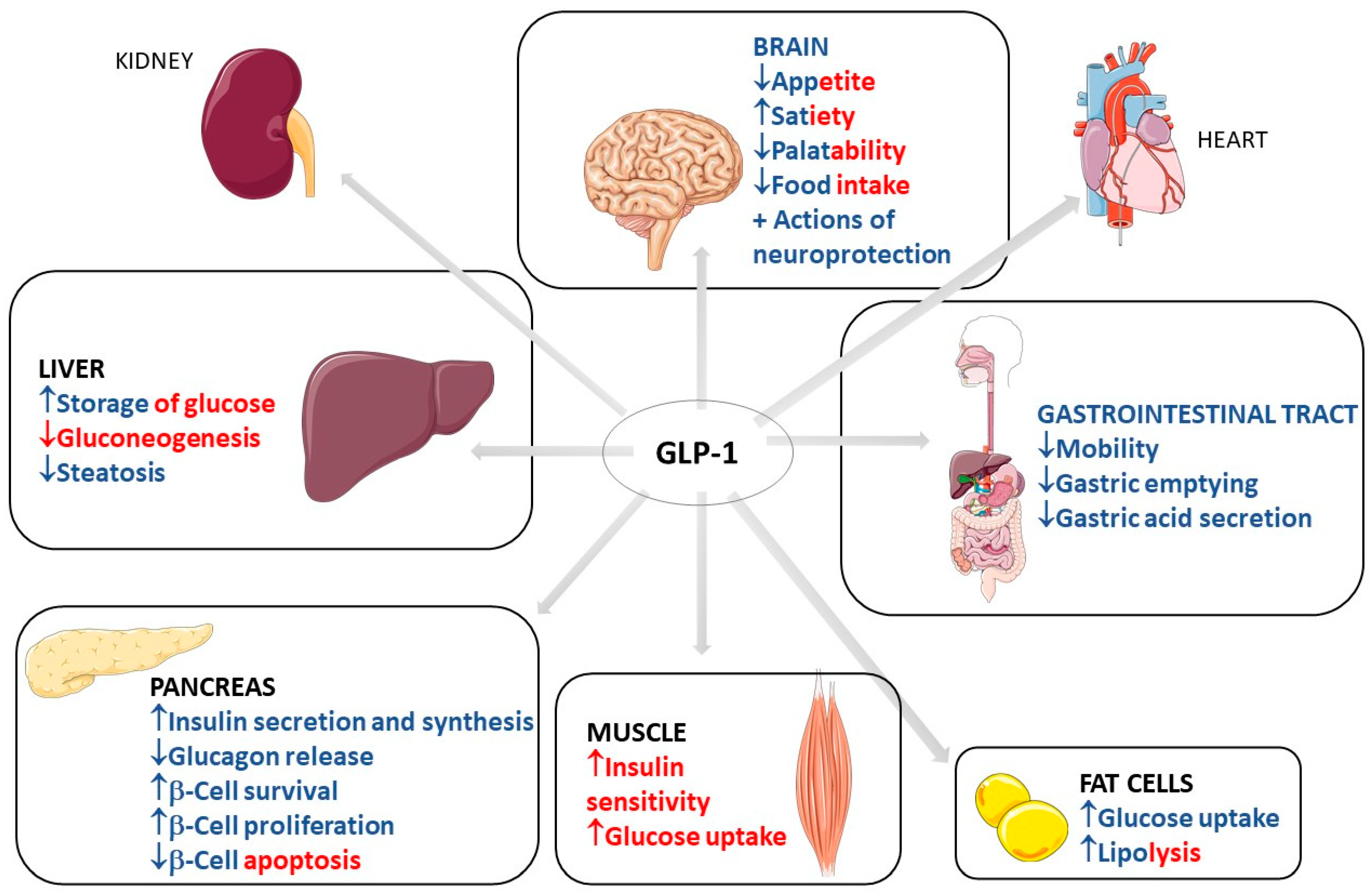
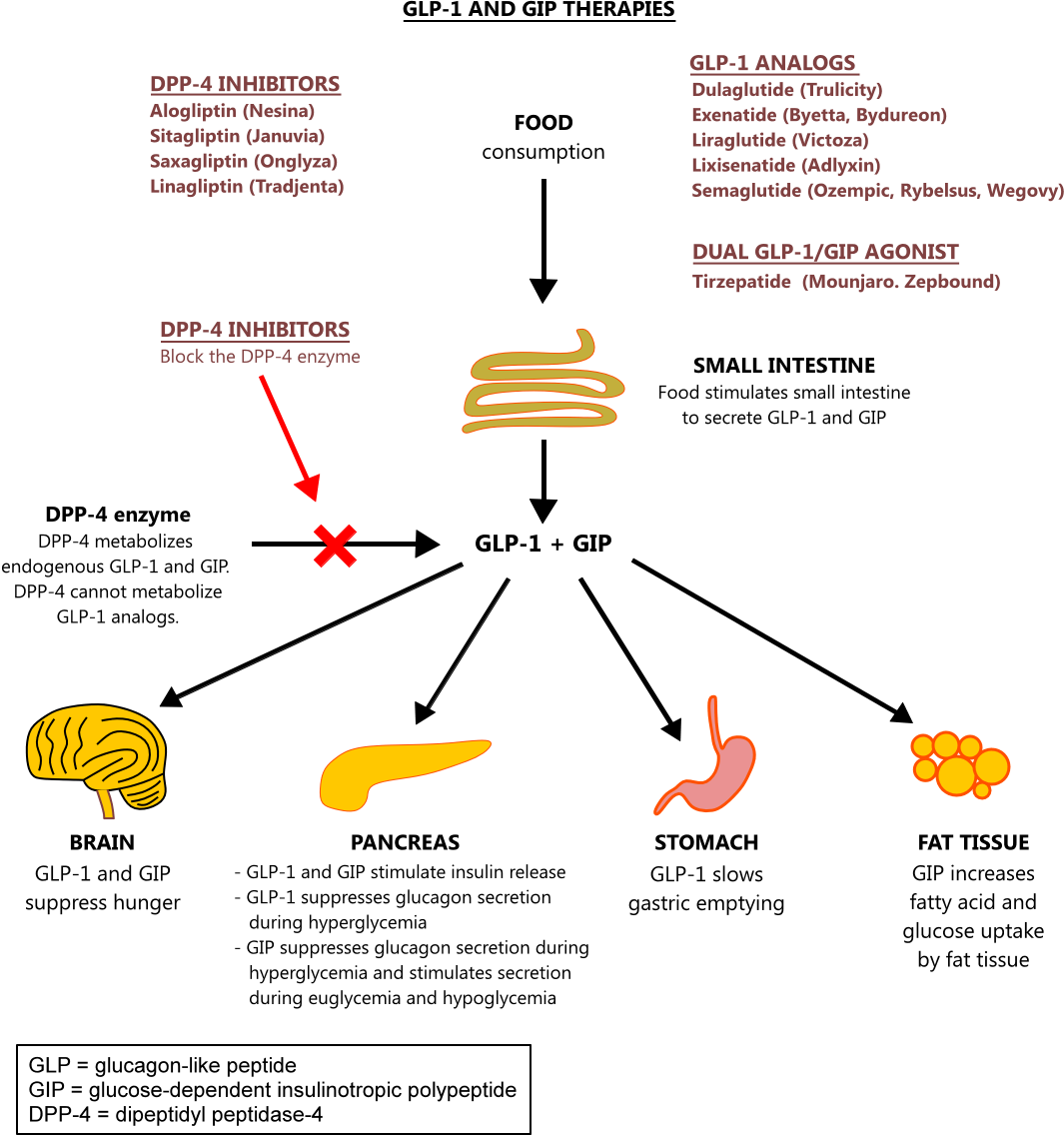
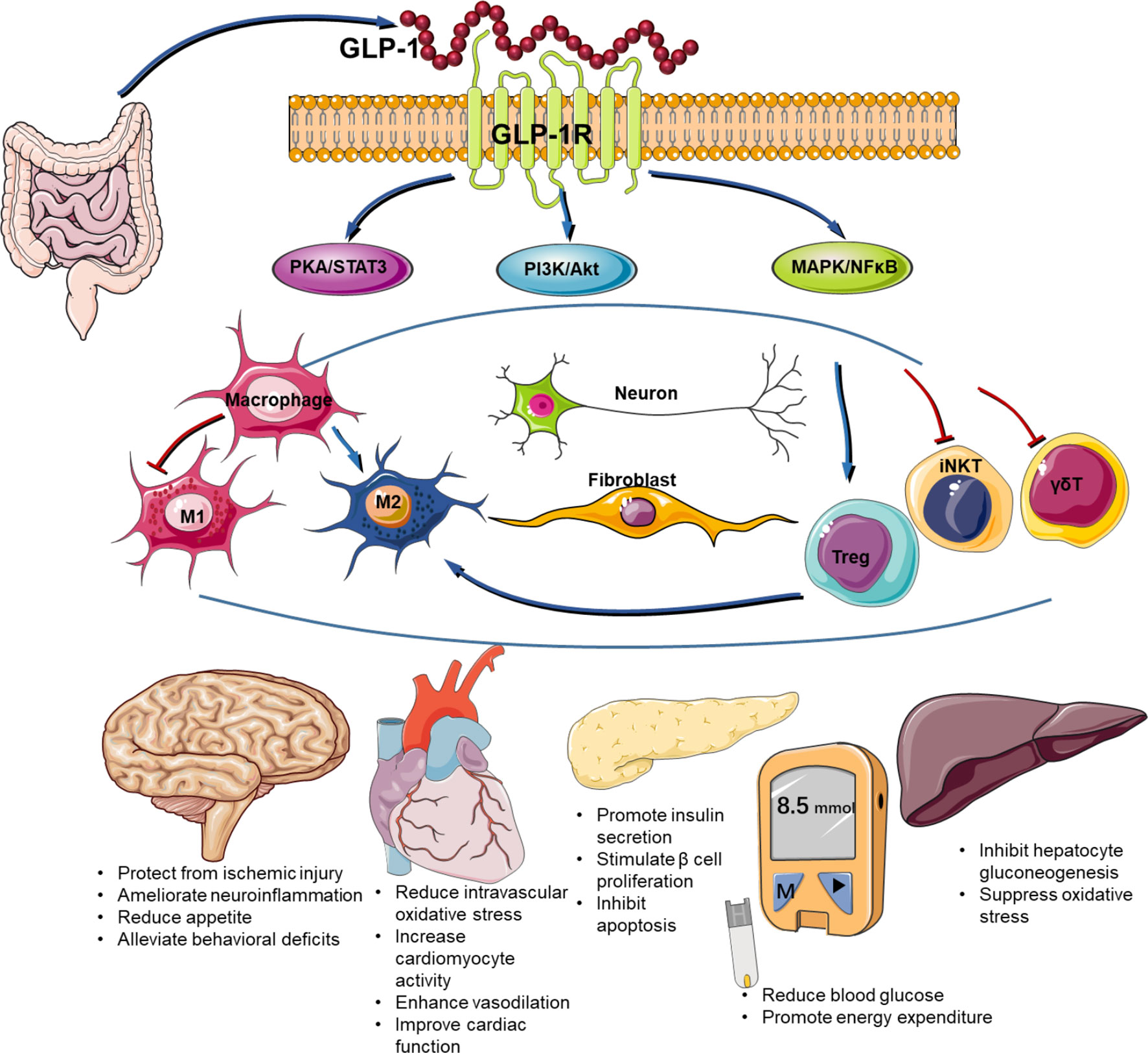
Diabetes management has seen a significant shift with the introduction of GLP-1 analogues, a relatively new class of medications that have become the cornerstone of treatment. These medications have been shown to possess glucose-lowering properties without the risk of hypoglycemia and offer strong cardioprotective effects. The gut microbiome, which has been the focus of numerous studies, plays a significant role in the overall well-being and metabolic health of an individual.The Gut Microbiome and Diabetes
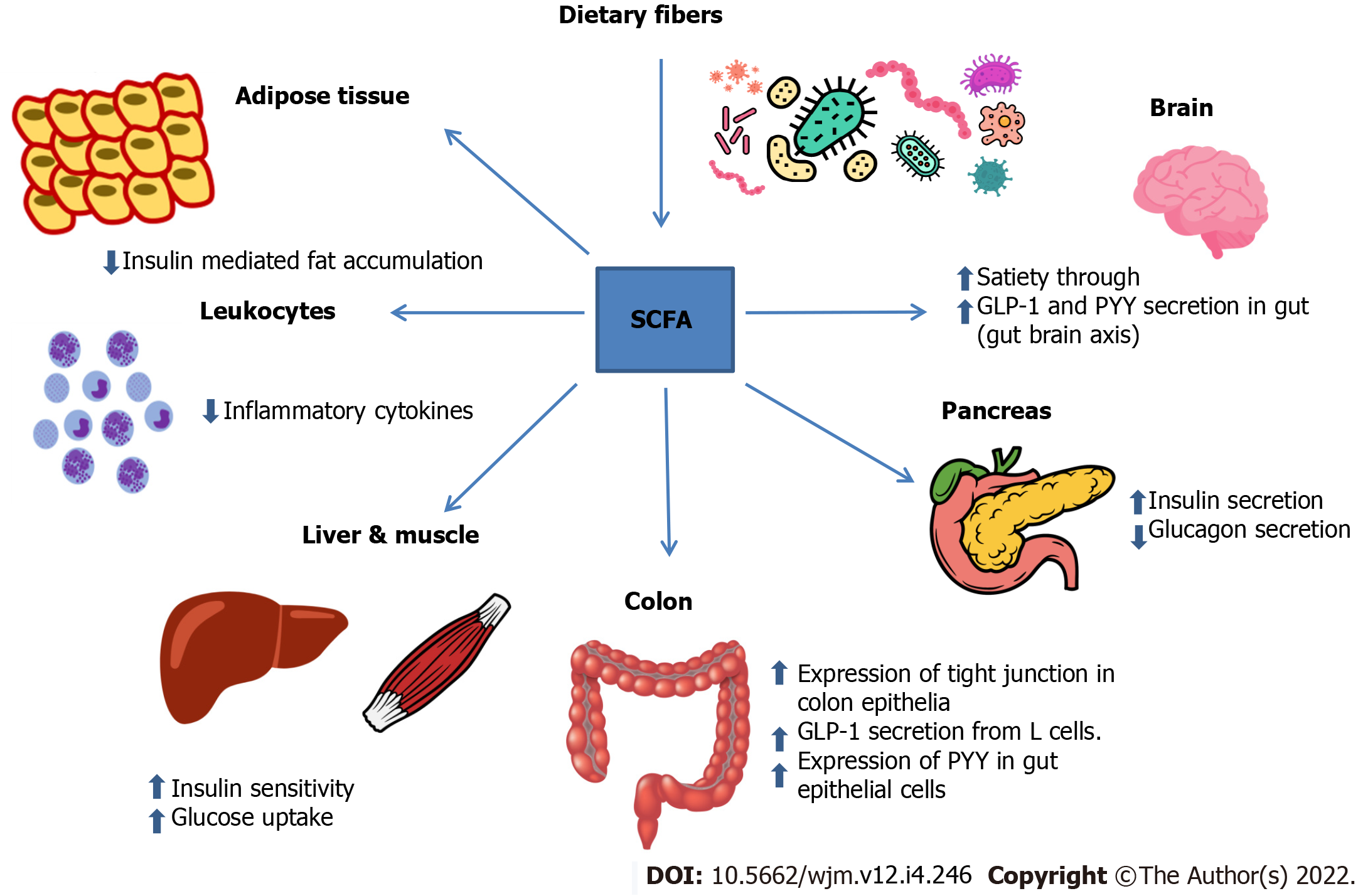
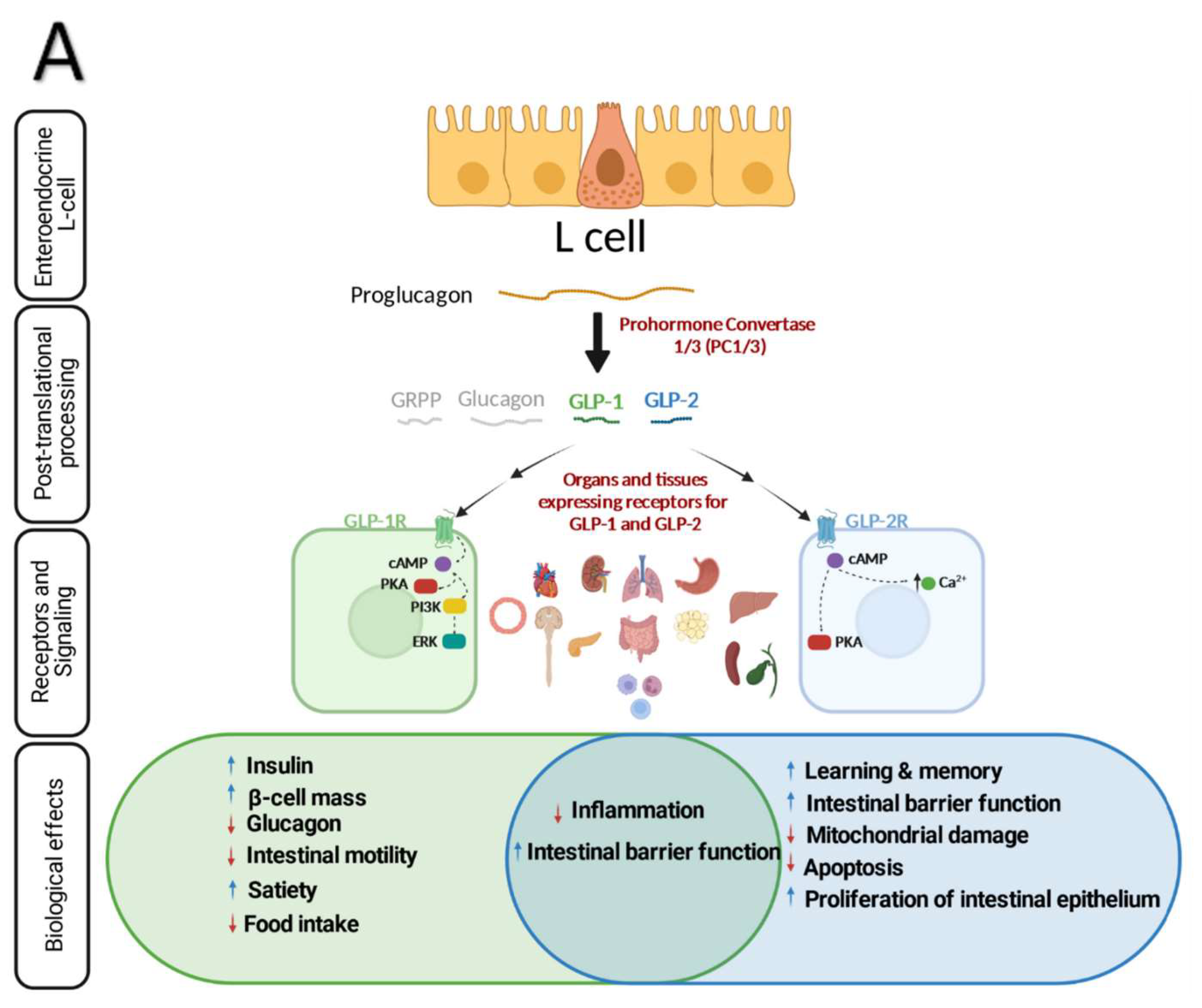
Research has established a close relationship between the gut microbiota and metabolic disorders, including diabetes. The gut microbiome influences not only the gut but also has a significant impact on overall health. A study conducted on mice found that administration of GLP-1 receptor agonist, liraglutide, resulted in changes in the composition of the intestinal flora. This study highlights the potential effects of GLP-1 analogues on the gut microbiota.GLP-1 Analogues and Gut Motility
Studies on GLP-1 analogues have also suggested potential effects on gut motility and pain modulation. However, individual responses to these medications vary, and close attention to body signals is crucial. The mechanism by which GLP-1 analogues impact the gut microbiome and motility is complex and requires further research.GLP-1 Analogues and Gut Microbiome Research
A systematic review study on GLP-1 analogues, including liraglutide, semaglutide, and dulaglutide, found that these medications promote a significant restructuring of the gut microbiome. This restructuring has positive implications for metabolic health, including improved insulin sensitivity and reduced inflammation.GLP-1 and Gut Bacteria