GLP-1 and Depression Management in Diabetes: A Comprehensive Review
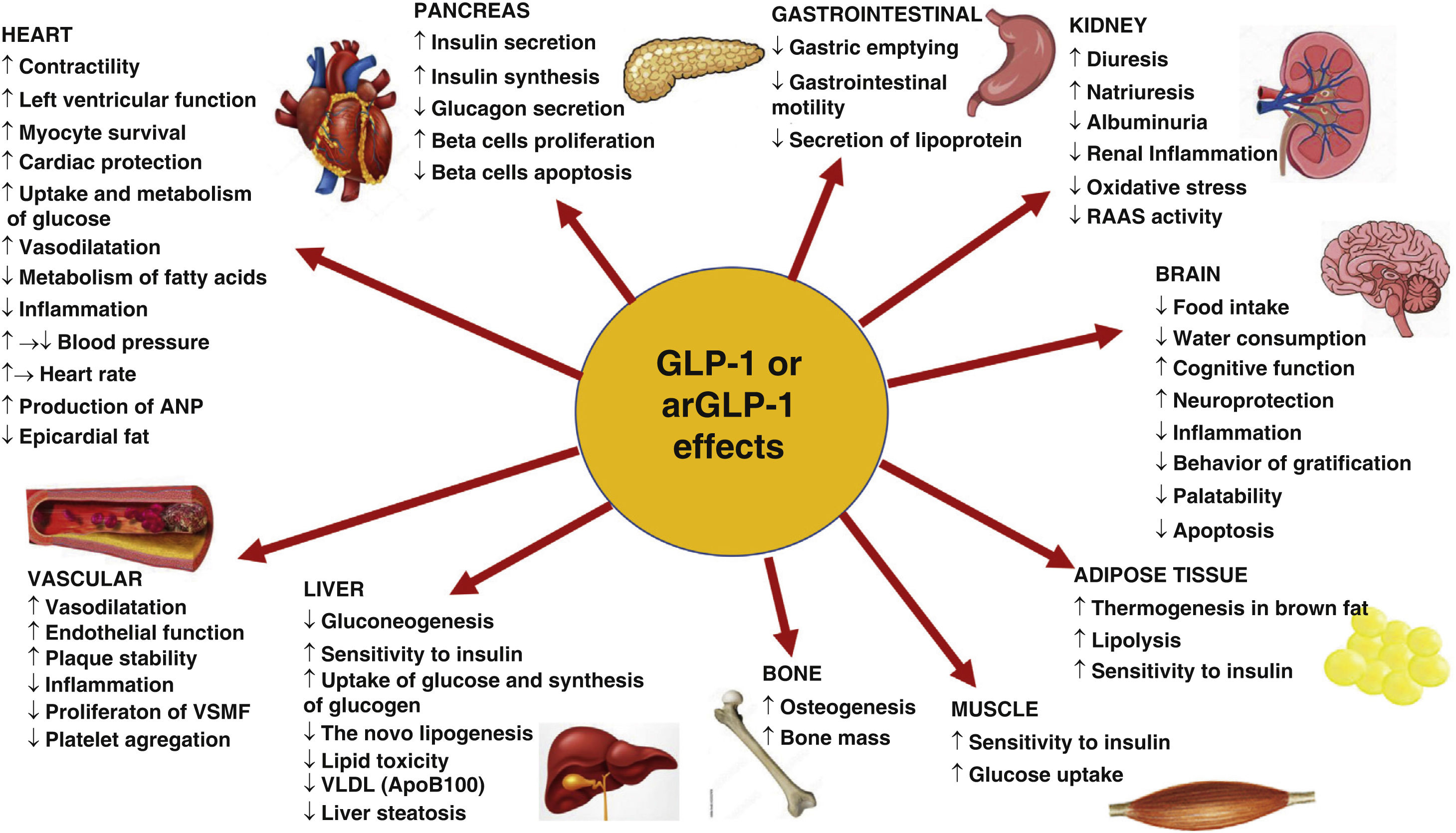
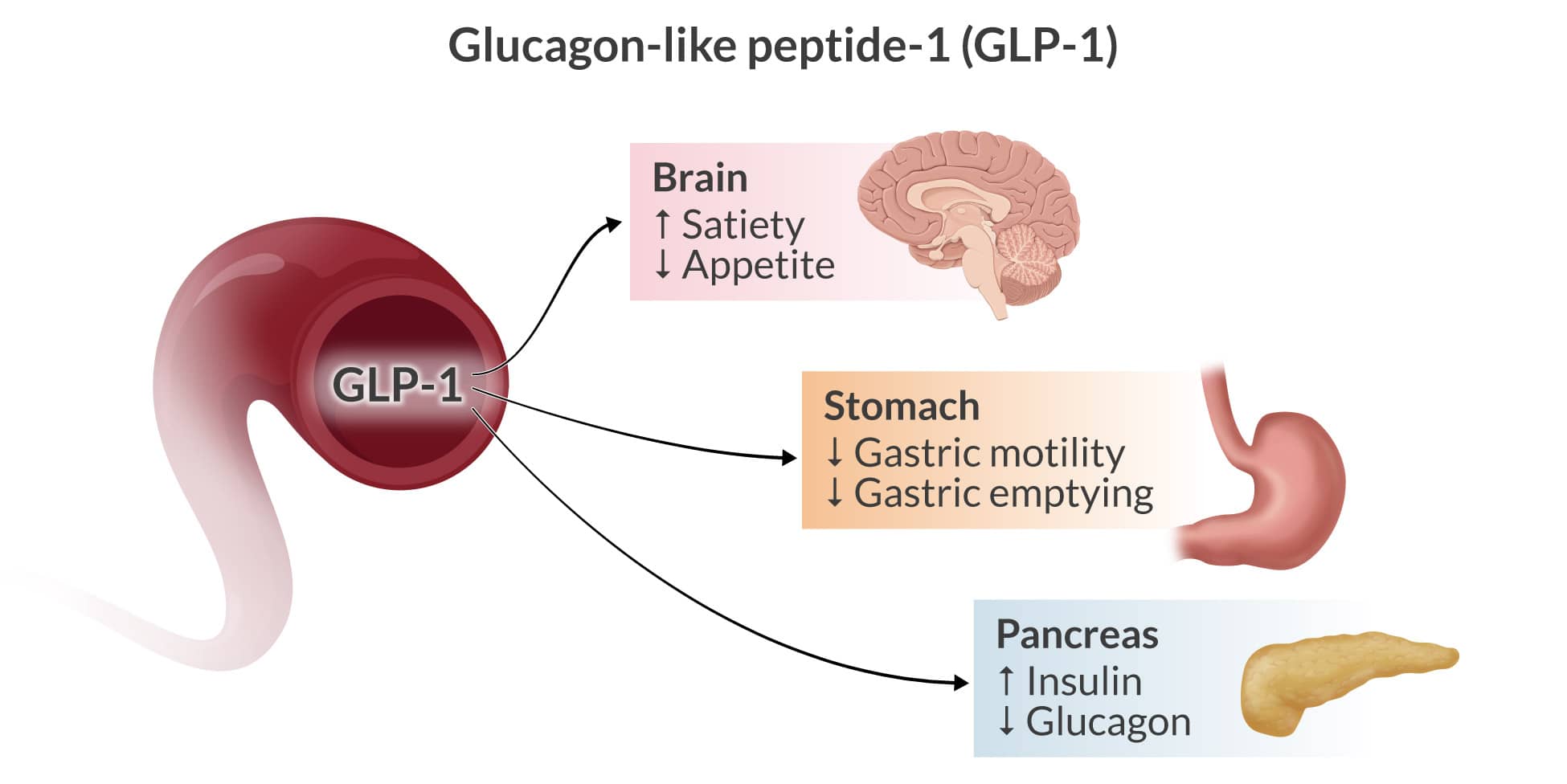
Glucagon-like peptide-1 (GLP-1) receptor agonists have revolutionized the treatment of type 2 diabetes, offering significant benefits in glycemic control, weight management, and cardiovascular health. However, emerging evidence suggests that GLP-1 may also have a profound impact on mental health, particularly in individuals with depression.
GLP-1 and Depression: A Complex Relationship
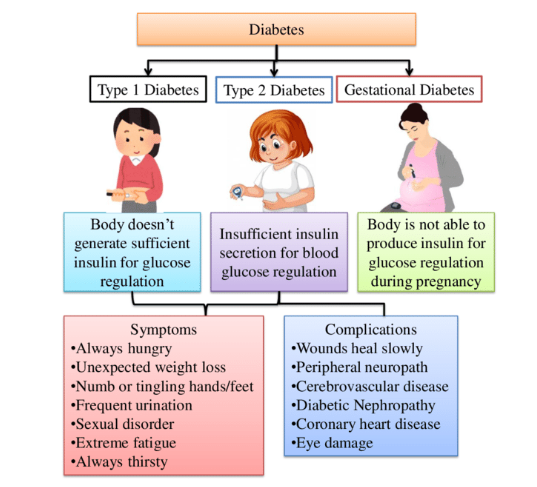
People with diabetes are at a higher risk of developing depression, anxiety, and suicidal thoughts. The relationship between GLP-1 and depression is complex, with some studies suggesting that GLP-1 receptor agonists may exacerbate mental illness, while others propose a potential therapeutic effect.
Systematic Reviews and Meta-Analyses
A systematic review published in The Lancet Psychiatry examined the association between GLP-1 receptor agonists and psychiatric manifestations, including depression, anxiety, and suicidality. The study found that GLP-1 receptor agonists may have a beneficial effect on mental health outcomes, particularly in patients with type 2 diabetes.
Meta-Analyses and Clinical Trials
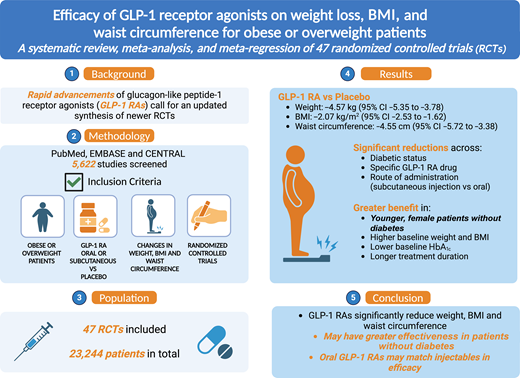
A meta-analysis of clinical trials found that GLP-1 receptor agonists produced significant reductions in depression rating scale scores compared to control treatments. The effect was consistent in patients with type 2 diabetes mellitus. Among specific studies, one found that semaglutide, a GLP-1 receptor agonist, was associated with a lower risk of depression, anxiety, and self-harm in patients with diabetes.
Real-World Studies and Observational Data
A large real-world study analyzed health data from over 700,000 adults with type 2 diabetes and cardiovascular risk factors. The study found that GLP-1 receptor agonists were associated with a reduced need for hospital care and sickness absence due to mental ill-health in people with depression or anxiety.

Insights from GLP-1 Side Effects and Studies
GLP-1 side effects are common when starting treatment, and patients may experience nausea, vomiting, diarrhea, and other gastrointestinal issues. However, as one study suggests, GLP-1 may have therapeutic effects beyond glycaemic control and weight management, potentially addressing mental health concerns.
GLP-1 and Mental Health: A Vital Dialogue
The intersection of diabetes management and mental health treatment opens a vital dialogue for future research and clinical practice, guiding therapeutic approaches that prioritize holistic patient care. Patients with pre-existing mental health conditions require closer monitoring when starting GLP-1 therapy, and clinicians should differentiate between anecdotal reports and solid clinical evidence when counseling patients.
Key Takeaways
- GLP-1 receptor agonists may have a beneficial effect on mental health outcomes, particularly in patients with type 2 diabetes.
- Meta-analyses and clinical trials suggest that GLP-1 receptor agonists produce significant reductions in depression rating scale scores.
- Real-world studies and observational data indicate that GLP-1 receptor agonists are associated with a reduced need for hospital care and sickness absence due to mental ill-health.
- GLP-1 side effects are common, but may have therapeutic effects beyond glycaemic control and weight management.
- Patients with pre-existing mental health conditions require closer monitoring when starting GLP-1 therapy.
Conclusion
GLP-1 receptor agonists have the potential to revolutionize depression management in diabetes, offering a new frontier in therapeutic approaches. However, further research is needed to fully understand the complex relationship between GLP-1 and mental health. As clinicians and researchers, it is essential to prioritize holistic patient care, considering the intricate interplay between diabetes management and mental health treatment.