Unlocking the Power of GLP-1: Enhancing Insulin Sensitivity for Better Health
The Importance of Insulin Sensitivity
Insulin sensitivity is a crucial aspect of our metabolic health, playing a vital role in regulating blood sugar levels and maintaining overall well-being. When our cells become resistant to insulin, it can lead to a range of problems, including type 2 diabetes, metabolic syndrome, and cardiovascular disease. Given the alarming rise in insulin resistance cases worldwide, it's essential to explore innovative solutions to improve insulin sensitivity.
Enter GLP-1: A Powerful Regulator of Insulin Sensitivity
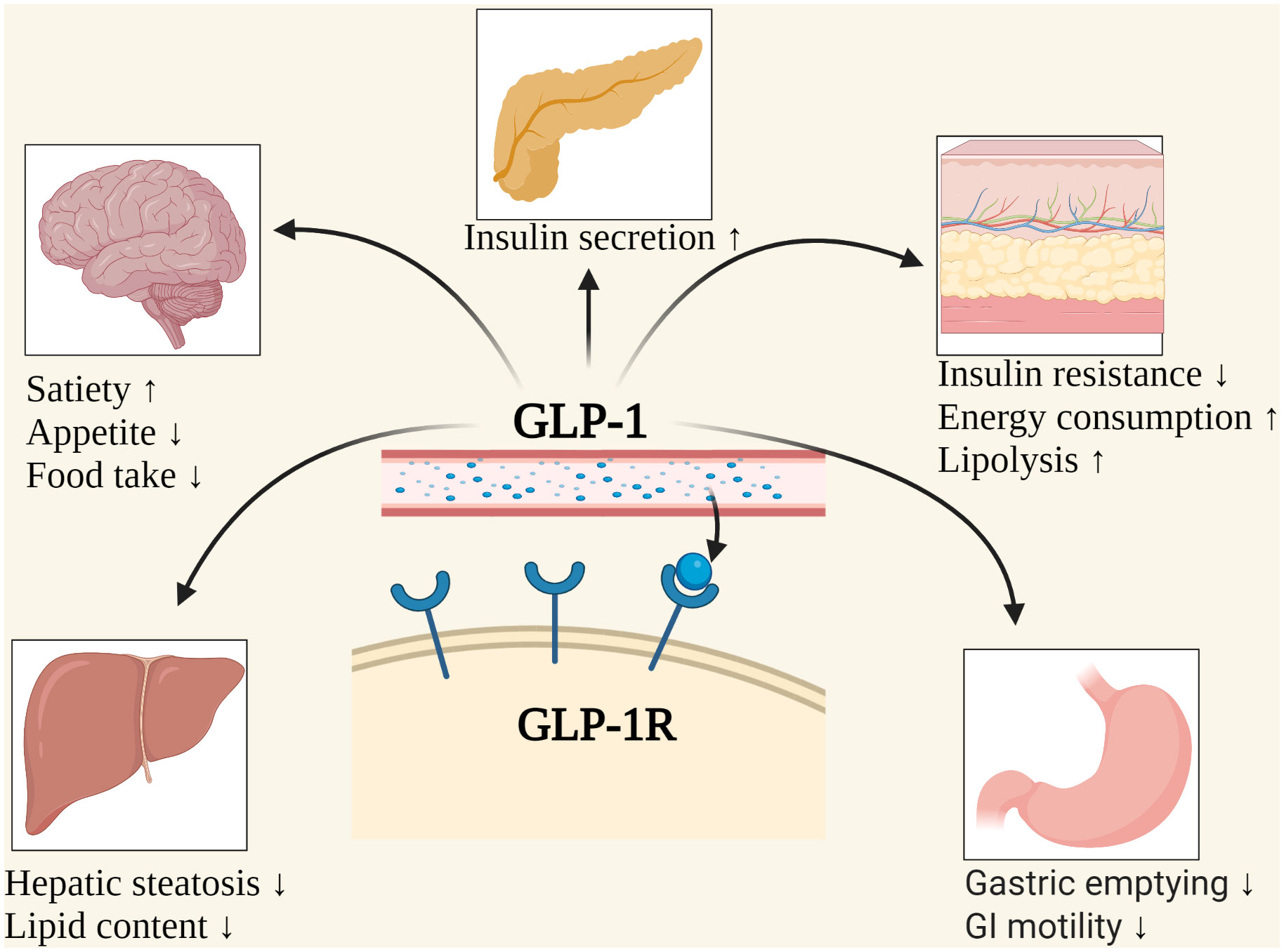
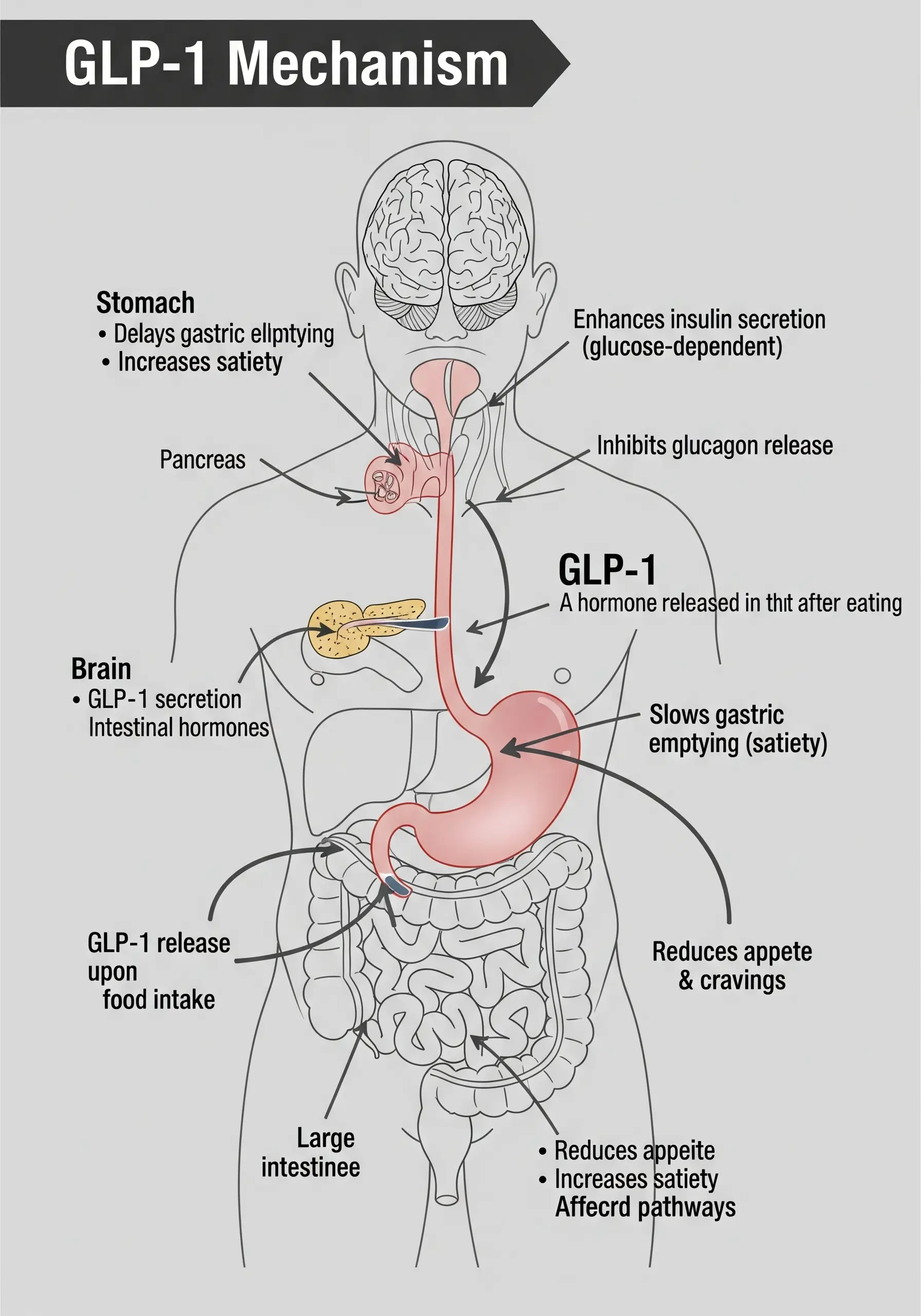
Glucagon-like peptide-1 (GLP-1) is a gut hormone with a profound impact on our metabolic health. GLP-1 receptor agonists have emerged as a promising treatment option for individuals with type 2 diabetes due to their ability to augment β-cell function, promote weight loss, and provide cardiovascular protection. However, despite these benefits, GLP-1 receptor agonists do not normalize insulin sensitivity in people with type 2 diabetes.
How GLP-1 Improves Insulin Sensitivity
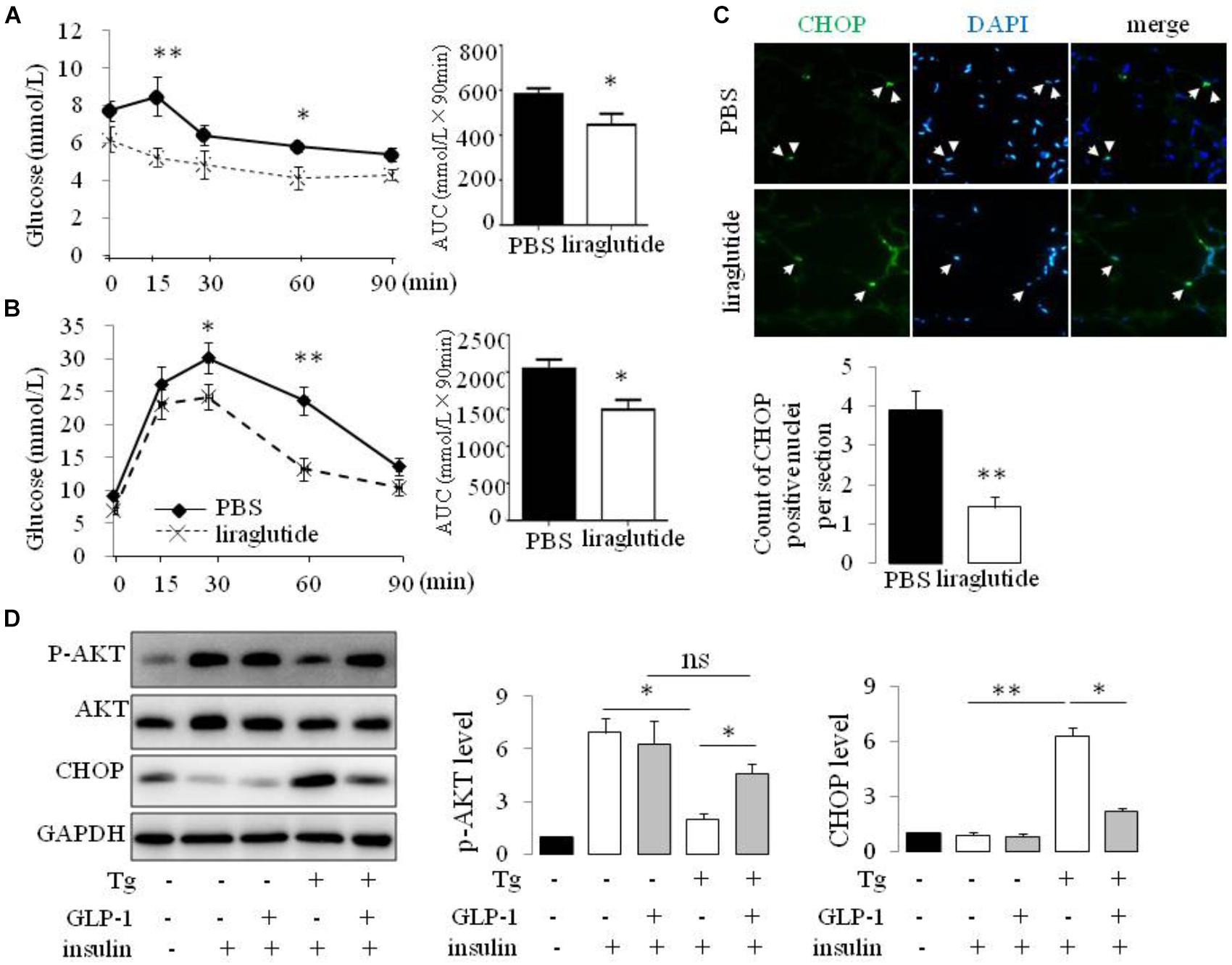
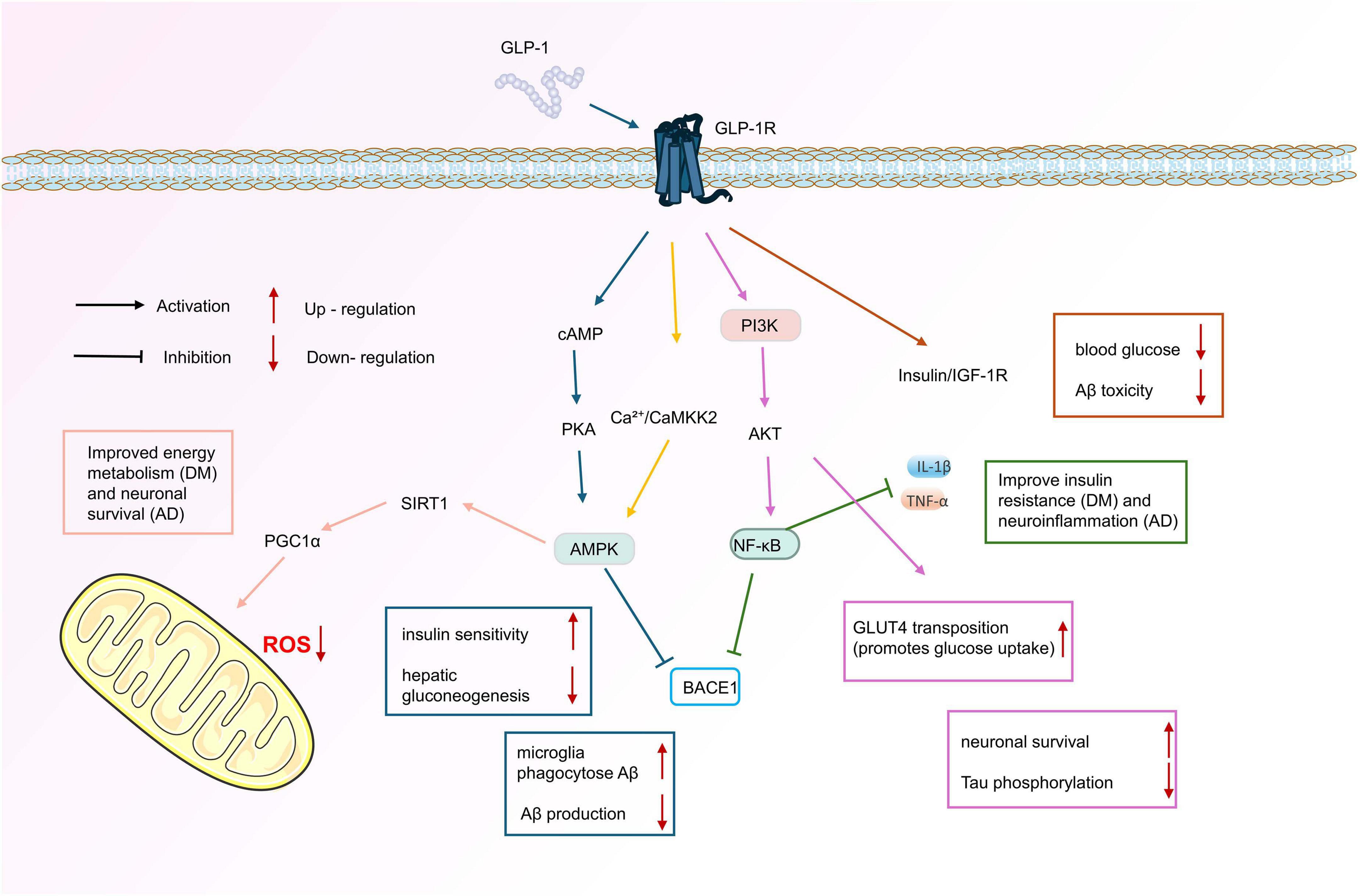
So, how does GLP-1 enhance insulin sensitivity? By stimulating adenylate cyclase and increasing cyclic AMP (cAMP) levels, GLP-1 receptor agonists promote insulin release from pancreatic β cells. This increase in insulin secretion is crucial for improving insulin sensitivity, particularly in individuals with insulin resistance or type 2 diabetes.
- GLP-1 regulated glucose homeostasis, reducing inflammation and improving insulin secretion
- Enhanced glucose uptake by promoting the activation of AMP-activated protein kinase (AMPK)
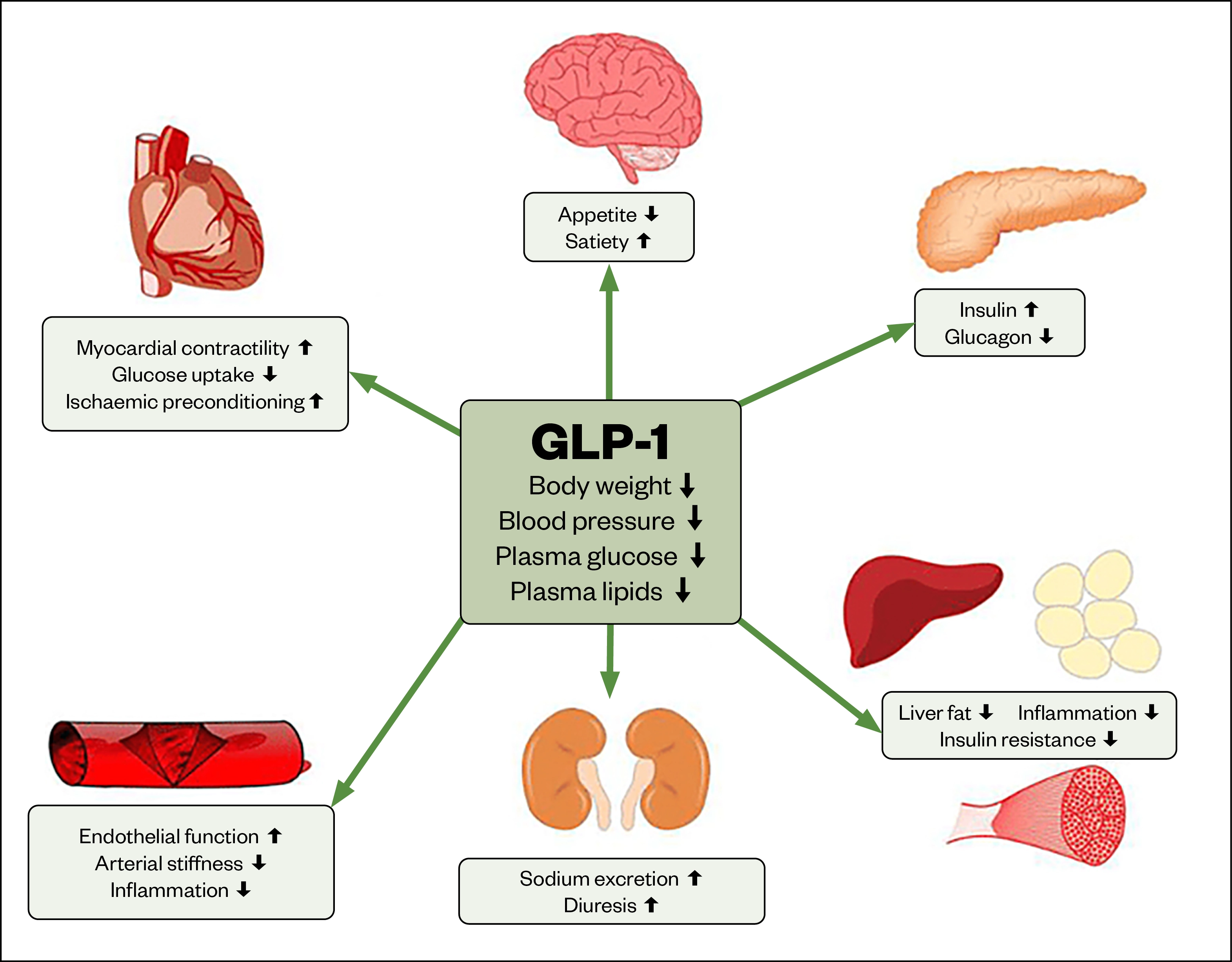
- Suppressed glucagon release to further support improved insulin sensitivity
- Reduced inflammation and oxidative stress to promote healthier blood vessel function
The Benefits of GLP-1 on Insulin Sensitivity
The ability of GLP-1 to improve insulin sensitivity offers numerous benefits for individuals with insulin resistance or type 2 diabetes. By enhancing insulin secretion and glucose uptake, GLP-1 receptor agonists can help:
- Improve glycemic control and reduce HbA1c levels
- Reduce body weight and body fat percentage
- Decrease blood pressure and lipids
- Enhance cardiovascular outcomes and reduce the risk of cardiovascular disease
Challenges and Future Directions
While GLP-1 receptor agonists show promise in improving insulin sensitivity, there are still challenges to be addressed. Further research is needed to explore the direct effects of GLP-1 on insulin-responsive cells, which could inform the development of clinical practice guidelines for GLP-1R agonists. Additionally, the potential benefits of GLP-1 for insulin sensitivity are being vigorously researched and discussed, ensuring continuous advancement in the field.
Conclusion
In conclusion, GLP-1 receptor agonists have shown impressive benefits for improving insulin sensitivity, particularly in individuals with insulin resistance or type 2 diabetes. By enhancing insulin secretion, promoting glucose uptake, and reducing inflammation and oxidative stress, GLP-1 receptor agonists offer a powerful tool in the fight against metabolic disorders. As research continues to uncover the intricacies of GLP-1's mechanisms, we can expect further breakthroughs in our understanding of how to harness this powerful hormone for improved health.