GLP-1 and Weight Loss for Insulin Resistance: A Breakthrough in Managing Type 2 Diabetes
Glucagon-like peptide-1 (GLP-1) receptor agonists have gained widespread acceptance as a treatment for individuals with type 2 diabetes, due to their impressive weight loss-promoting effects, ability to augment β-cell function, and cardiovascular protective effects. However, despite their potential in reducing weight and improving insulin sensitivity, there is still a need for further understanding of their mechanisms of action and their impact on insulin resistance.
The Active Role of GLP-1 in Promoting Weight Loss and Improving Insulin Sensitivity
GLP-1 receptor agonists, such as liraglutide and semaglutide, have been shown to induce significant weight loss in individuals with type 2 diabetes, as well as those with obesity and pre-diabetes. These weight loss-promoting effects are not limited to behavior-based changes, but rather are driven by direct action on the body's metabolic pathways. Research has highlighted the importance of GLP-1 receptor agonists in improving insulin sensitivity, an essential factor in controlling blood sugar levels in individuals with type 2 diabetes.
- GLP-1 receptor agonists exhibit rapid, weight loss-independent effects on insulin sensitivity.
- These effects are not achieved through increasing endogenous GLP-1 levels.
- GLP-1 receptor agonists have been shown to facilitate glucose-dependent insulin secretion, ultimately leading to improved insulin sensitivity.
How GLP-1 Mediates Weight Loss and Improves Insulin Sensitivity
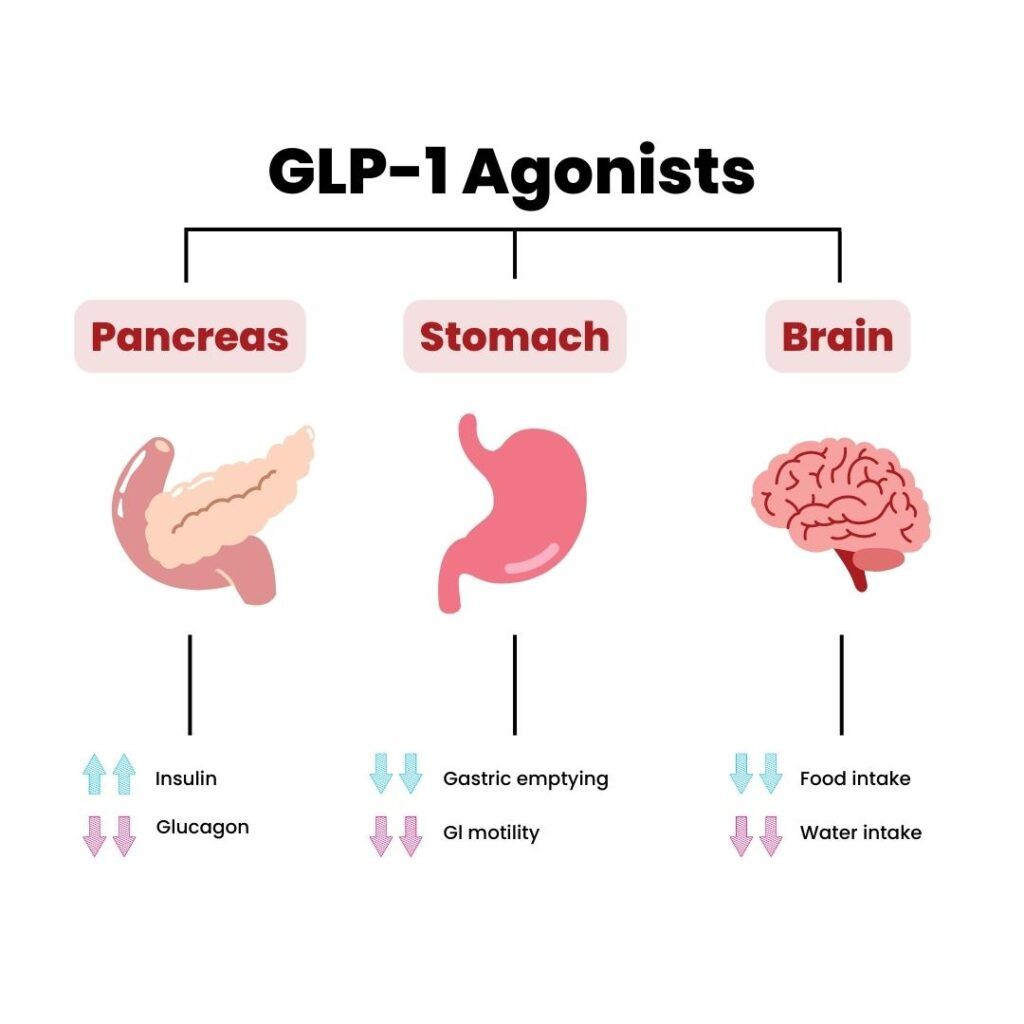
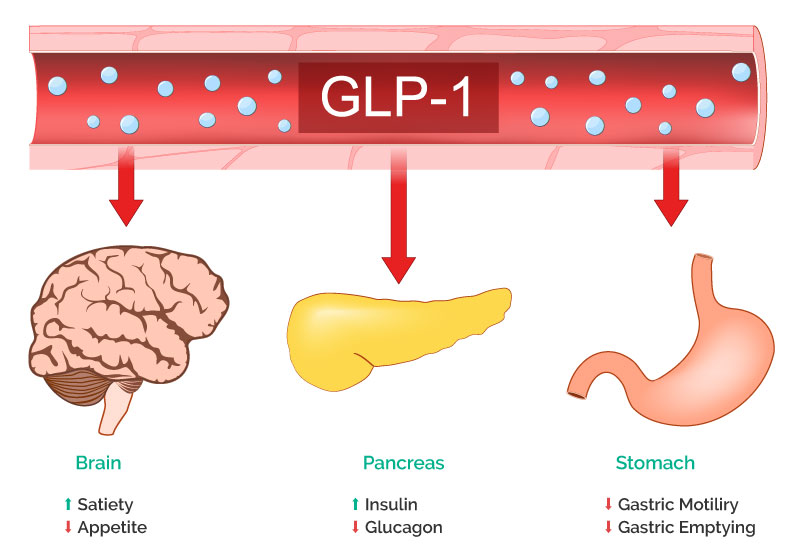
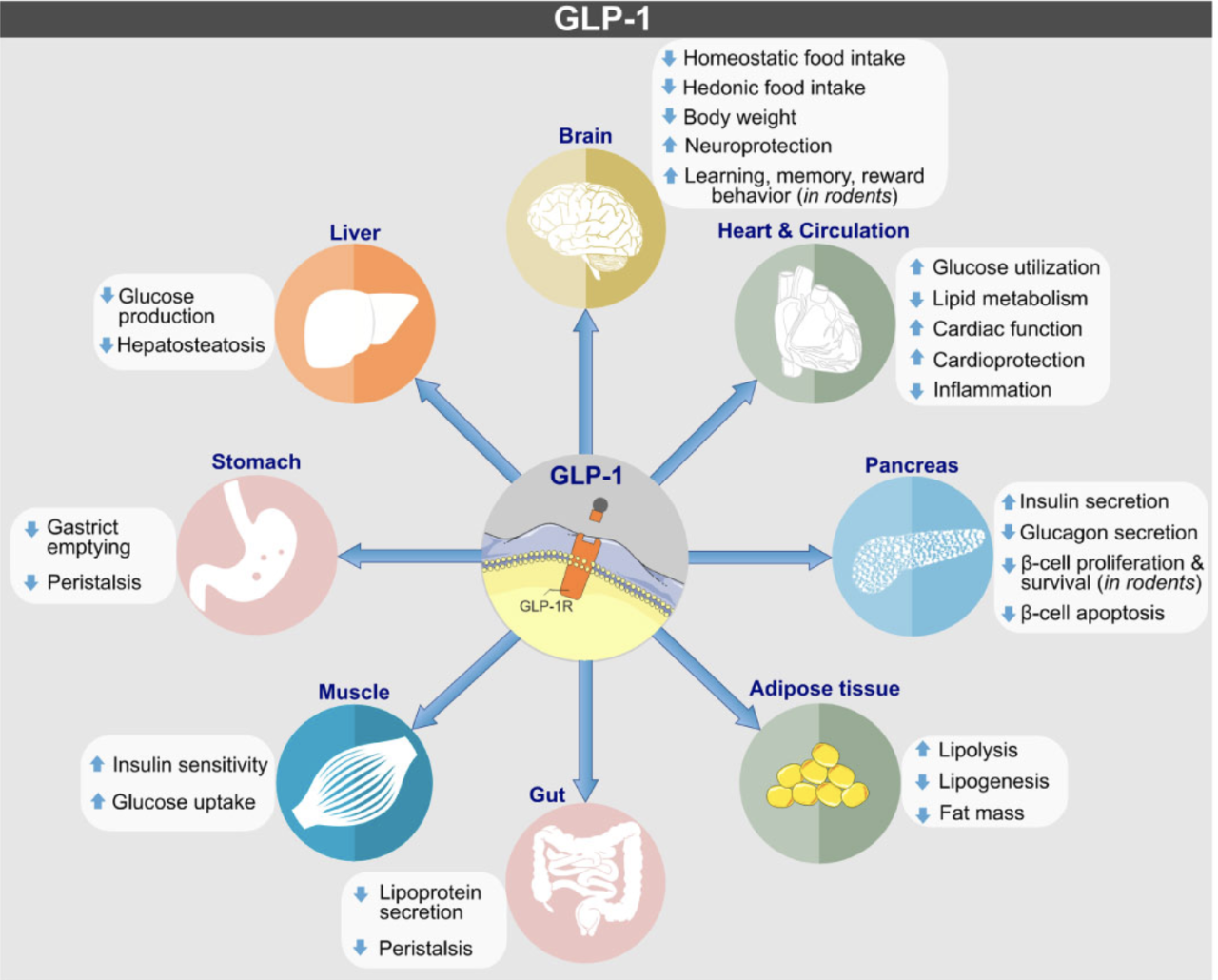
The mechanism underlying GLP-1 receptor agonist-induced weight loss involves central as well as peripheral pathways. Centrally, GLP-1 receptor agonists modulate brain regions controlling appetite, influencing food intake and energy balance. Peripherally, these agonists promote weight loss by slowing gastric emptying, increasing feelings of satiety, and reducing food intake.
The impact of GLP-1 receptor agonists on insulin sensitivity is multifaceted. By facilitating glucose-dependent insulin secretion and promoting the biogenesis of new insulin receptors, these agonists enhance the body's ability to respond to insulin, improving insulin sensitivity and reducing the risk of hyperglycemia associated with type 2 diabetes.

GLP-1 Receptor Agonists: A New Frontier in Weight Management
GLP-1 receptor agonists offer a promising approach to weight management in individuals with type 2 diabetes, obesity, and pre-diabetes. Their benefits extend beyond weight loss, improving insulin sensitivity, blood sugar control, and overall metabolic health. While these medications have been shown to promote rapid and sustainable weight loss, they also offer a unique profile of cardiovascular and renal benefits, making them a valuable addition to the treatment arsenal for individuals with type 2 diabetes.
Challenges and Limitations: Understanding the Potential Drawbacks of GLP-1 Receptor Agonists
Beyond their potential benefits, GLP-1 receptor agonists have raised several concerns. While these medications have been shown to reduce weight and improve insulin sensitivity, they may also be associated with increased risks of gastrointestinal side effects, muscle pain, and pancreatitis. Further research is required to elucidate the full spectrum of benefits and risks associated with these medications, as well as their optimal dosing and treatment duration.
Conclusion
GLP-1 receptor agonists have marked a significant shift in the management of type 2 diabetes, obesity, and pre-diabetes. As our understanding of their mechanisms of action continues to grow, these medications offer a promising approach to weight loss and improved insulin sensitivity. With their impacts on central and peripheral pathways, weight loss, and insulin sensitivity, GLP-1 receptor agonists stand as a valuable addition to the treatment arsenal, holding immense potential for individuals struggling with these chronic conditions.







.png "Women Over 40 & GLP-1: Hormonal Considerations 2026")