GLP-1 Therapy for Body Weight Reduction: A Comprehensive Overview
Glucagon-like peptide-1 (GLP-1) receptor agonists have revolutionized the treatment of obesity and type 2 diabetes by providing a safe and effective means of weight reduction. These medications work by mimicking the action of the natural hormone GLP-1, which helps to regulate appetite and metabolism. In this article, we will delve into the world of GLP-1 therapy for body weight reduction, exploring its mechanisms of action, benefits, and potential side effects.
What is GLP-1 Therapy?
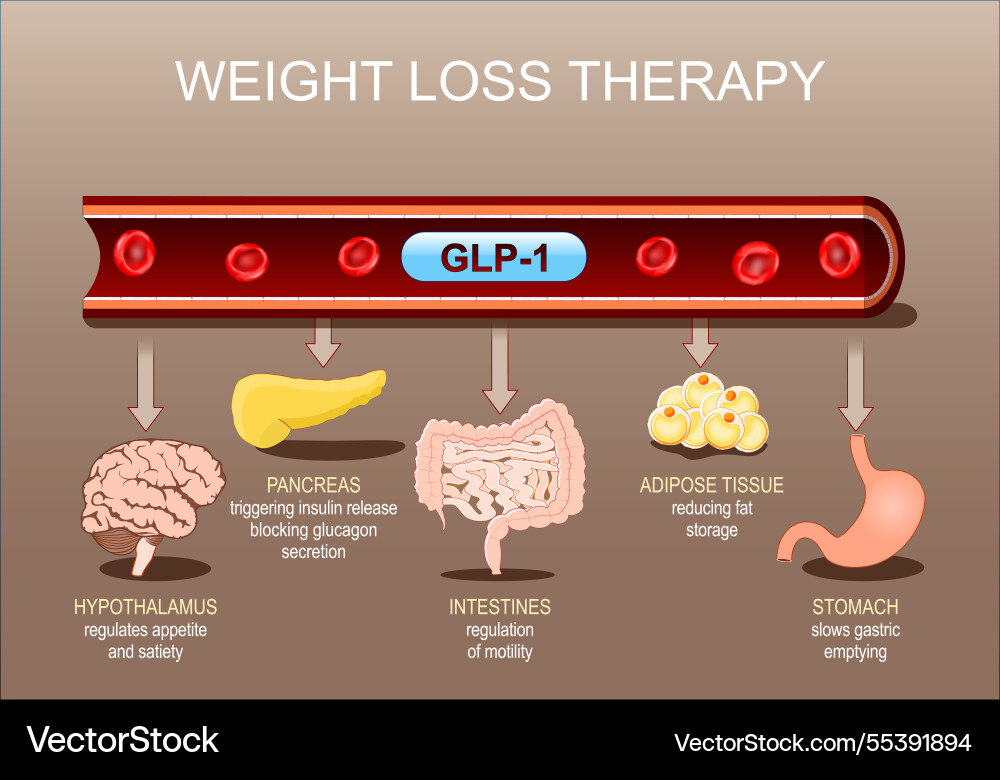
GLP-1 therapy involves the use of medications that stimulate the GLP-1 receptor, leading to increased insulin secretion and decreased glucose production in the liver. This results in a decrease in blood sugar levels and a reduction in body weight. GLP-1 receptor agonists are designed to mimic the action of the natural hormone GLP-1, which is released in response to food intake. By increasing GLP-1 levels, these medications help to suppress appetite and enhance feelings of fullness, leading to weight loss.
Benefits of GLP-1 Therapy for Body Weight Reduction
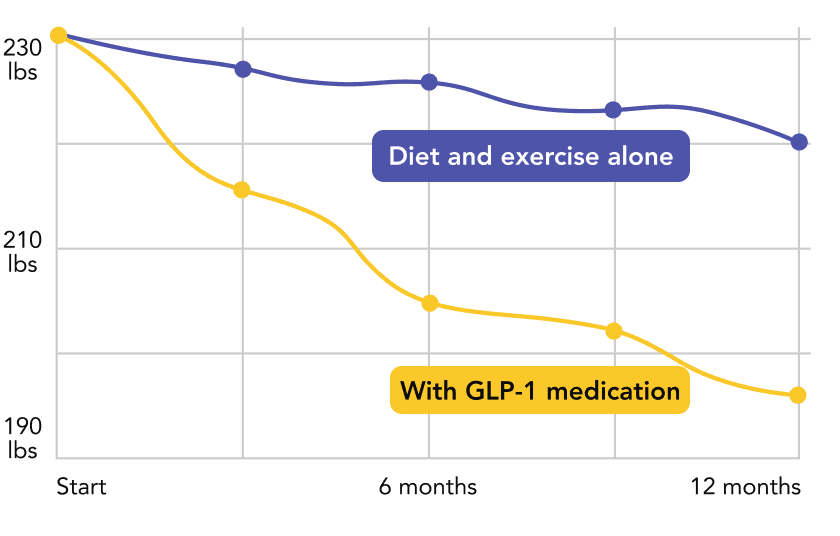
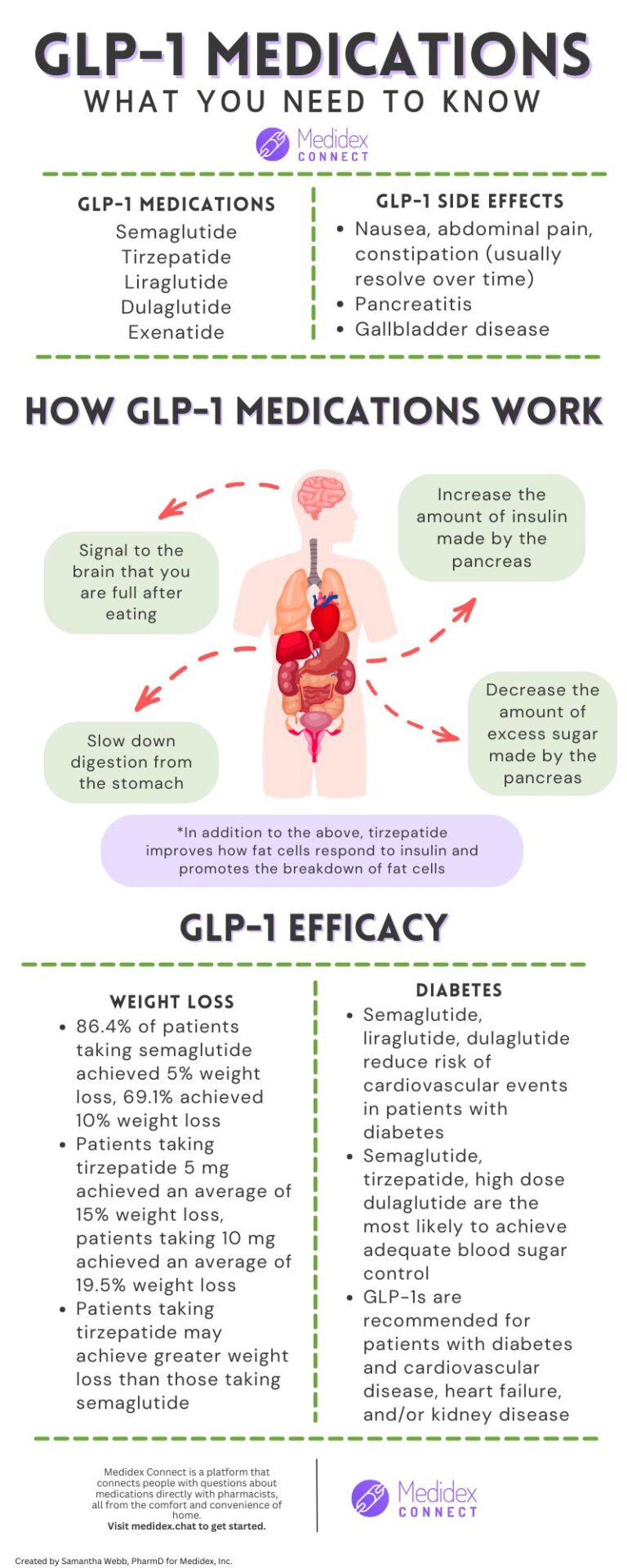
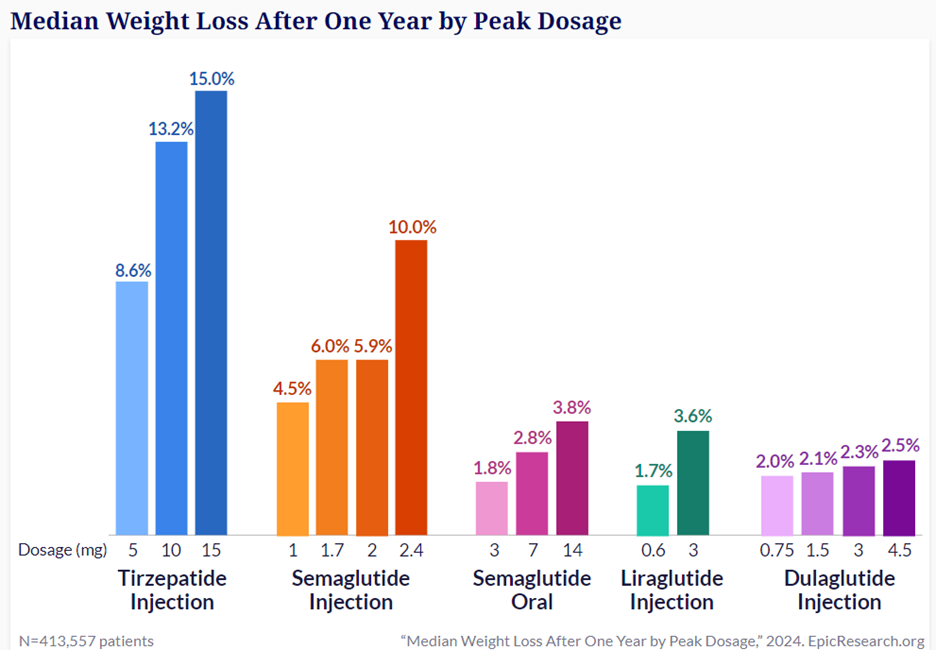
- Significant Weight Loss**: GLP-1 therapy has been shown to result in significant weight loss, with studies demonstrating an average weight reduction of 5% to 18%.
- Improved Metabolic Parameters**: GLP-1 therapy has been associated with improvements in metabolic parameters, including reductions in blood sugar levels and blood pressure.
- Reduced Cardiovascular Risk**: GLP-1 therapy has been shown to reduce the risk of major cardiovascular events, such as heart attacks and strokes.
- Enhanced Quality of Life**: GLP-1 therapy can improve quality of life by reducing symptoms of obesity, such as joint pain and sleep apnea.
Mechanism of Action
GLP-1 receptor agonists work by stimulating the GLP-1 receptor, which is present on the surface of cells in the pancreas, liver, and other tissues. This stimulation leads to increased insulin secretion and decreased glucose production in the liver, resulting in a decrease in blood sugar levels and a reduction in body weight. In addition, GLP-1 receptor agonists can also reduce appetite and enhance feelings of fullness, leading to weight loss.
Potential Side Effects
As with any medication, GLP-1 therapy can cause side effects, including:

- Nausea and Vomiting**: GLP-1 therapy can cause nausea and vomiting, particularly during the initial stages of treatment.
- Diarrhea**: GLP-1 therapy can cause diarrhea, which can be a significant side effect in some individuals.
- Injection Site Reactions**: GLP-1 therapy can cause injection site reactions, such as redness, swelling, and itching.
- Muscle and Bone Loss**: GLP-1 therapy can cause muscle and bone loss, particularly in individuals who are undergoing significant weight loss.
Conclusion
GLP-1 therapy is a safe and effective means of weight reduction for individuals with obesity and type 2 diabetes. By mimicking the action of the natural hormone GLP-1, these medications can help to regulate appetite and metabolism, leading to significant weight loss and improvements in metabolic parameters. While potential side effects exist, they can be managed with proper medical supervision and support. If you are considering GLP-1 therapy for body weight reduction, it is essential to discuss the potential benefits and risks with your healthcare provider.
Alternatives to GLP-1 Therapy
While GLP-1 therapy is a safe and effective means of weight reduction, it may not be suitable for everyone. In some cases, alternative treatments may be recommended, such as:
- Bariatric Surgery**: Bariatric surgery can be an effective means of weight reduction for individuals with severe obesity.
- Phentermine**: Phentermine is a medication that can help to reduce appetite and enhance feelings of fullness.
- Other Weight Loss Medications**: Other weight loss medications, such as orlistat and phentermine-topiramate, can also be effective alternatives to GLP-1 therapy.
Future Directions
GLP-1 therapy is a rapidly evolving field, with new medications and delivery systems being developed. Future directions include: