G Network Configuration for High Availability Networks
High availability is a critical component of modern network design, ensuring that networks consistently operate at an optimal level without manual intervention, providing uninterrupted service. A well-designed high availability network configuration can withstand hardware failures, software crashes, and other disruptions, minimizing the risk of downtime and ensuring business continuity.
Understanding High Availability
High availability refers to the ability of a system, component, or application to operate at a high level, continuously, without intervention, for a given time period. High-availability infrastructure is configured to deliver quality performance and handle different loads and failures with minimal or zero downtime.
Network Configuration for High Availability
A robust G network configuration for high availability networks involves several key components and strategies. Some of the most important considerations include:
- Load Balancing: Dynamically distributes network traffic across multiple servers or devices to prevent overloading and minimize the risk of component failure.
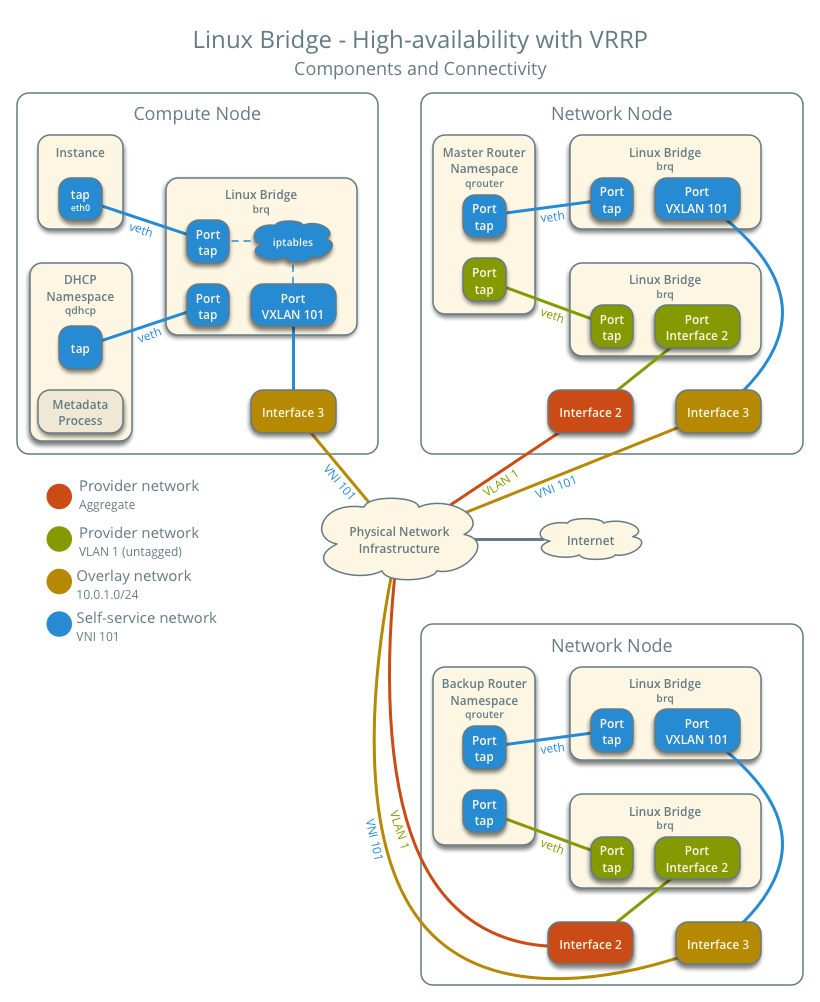
- Failover Mechanisms: Establish backup systems or paths to ensure seamless transition during hardware or software failures.
- Redundant Network Topology: Implementing ring, mesh, or clustered network structures to provide multiple paths for data to traverse and bypass failed components.
- Advanced Routing Protocols: Utilize protocols like OSPFv2, EIGRP, and BGP for efficient and reliable traffic management.
Network Availability Software and Solutions
Recent developments in network management software and solutions have addressed concerns related to excessive network management polling and multi-server scalability. Tools and functionality provide failovers and fallbacks transparently and quickly, ensuring high availability at the network level.
Redundancy and Network Architecture
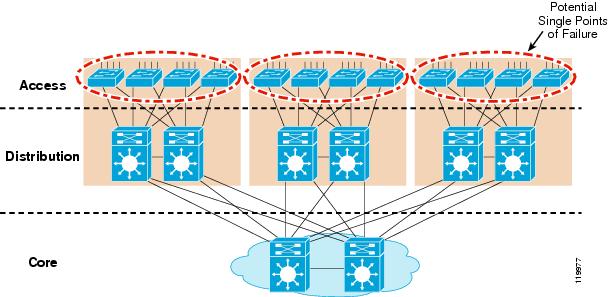
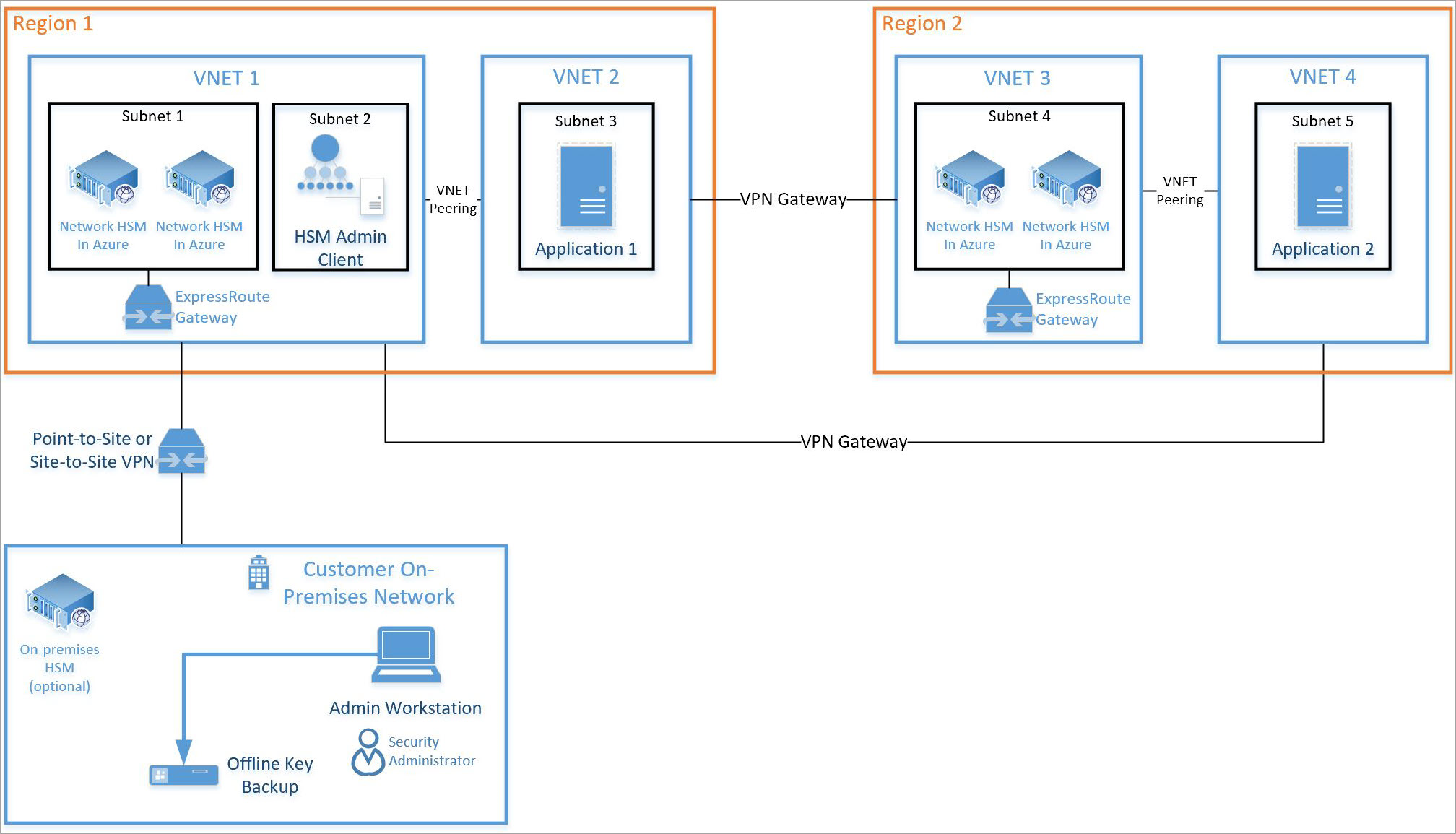
For a network to be considered high availability, it must provide multiple paths and streams of data to ensure continued operation in the event of a hardware failure or other factors that could impact performance. Thenetwork's physical arrangement plays a crucial role in this concept. Relying on cluster or mesh structures improves the availability of networks. Understanding the flexibility of the end-to-end network architecture and planning for end-to-end redundancy plays a critical role in ensuring the availability.
Implementation of HA
The implementation of HA (high availability) requires careful planning and configuration. This may include:
- Peer Device Configuration: In case of MNHA configuration, setting up a peer device to have reliable and efficient network traffic is paramount. The ICL (Inter-chassis Link) setup procedure, including ECMP (Equal-Cost Multipath), must be completed.
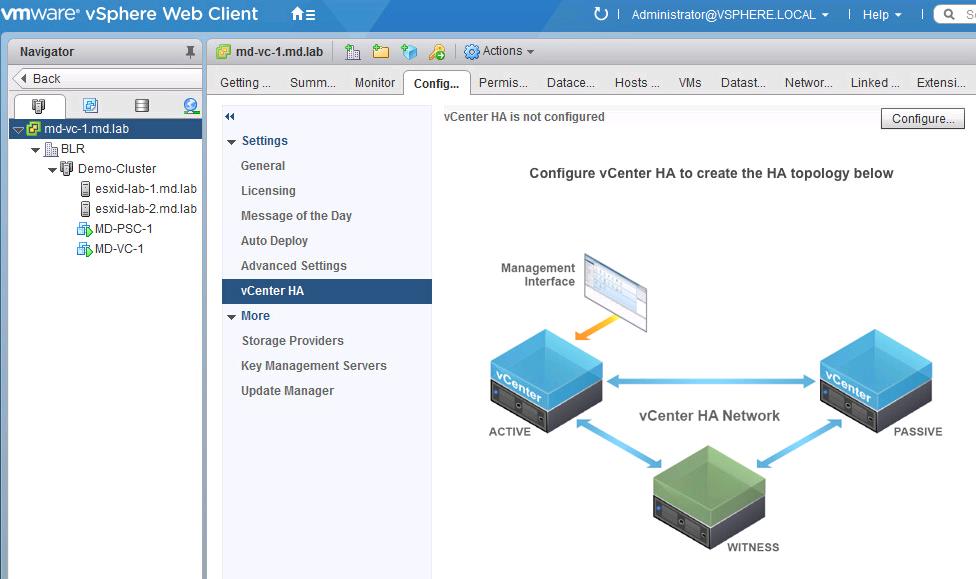
- HA Widget: Using a widget to add a high-availability configuration in some solutions.
- Firewall HA Configuration: For Palo Alto Networks firewalls, following the guidelines and guidance from the manufacturer, such as PAN-OS version 8.1 and above.
Benefits and Conclusion
Implementing a high availability network configuration for G networks offers numerous benefits, including minimized downtime, increased scalability, and improved reliability. By incorporating load balancing, failover mechanisms, redundant network topology, and advanced routing protocols, networks can achieve high availability and provide uninterrupted service. Moreover, the latest advancements in network management software and solutions offer more efficient and transparent failovers and fallbacks, further enhancing network resilience and high availability.
Recommendations
Considering the complexities of contemporary networks, several best practices can ensure enhanced resilience in designing high availability networks. They include constant monitoring, software updates, backup systems, and the use of intelligent monitoring systems. For businesses and organizations looking to improve the reliability and stability of their networks, leveraging high availability strategies is crucial to mitigate the risk of network failures and ensure operational continuity.