House Foundation Stabilization: A Comprehensive Guide to Keeping Your Home Safe and Secure
As a homeowner, there's nothing more unsettling than noticing cracks in your walls, uneven floors, or doors that won't shut properly. These issues can be symptoms of a more serious problem: a house foundation that's shifting or settling. Foundation stabilization is a crucial aspect of maintaining the structural integrity of your home. In this article, we'll delve into the world of foundation stabilization, exploring what it means, common repair methods, and the pros and cons of using this technique.
What is House Foundation Stabilization?
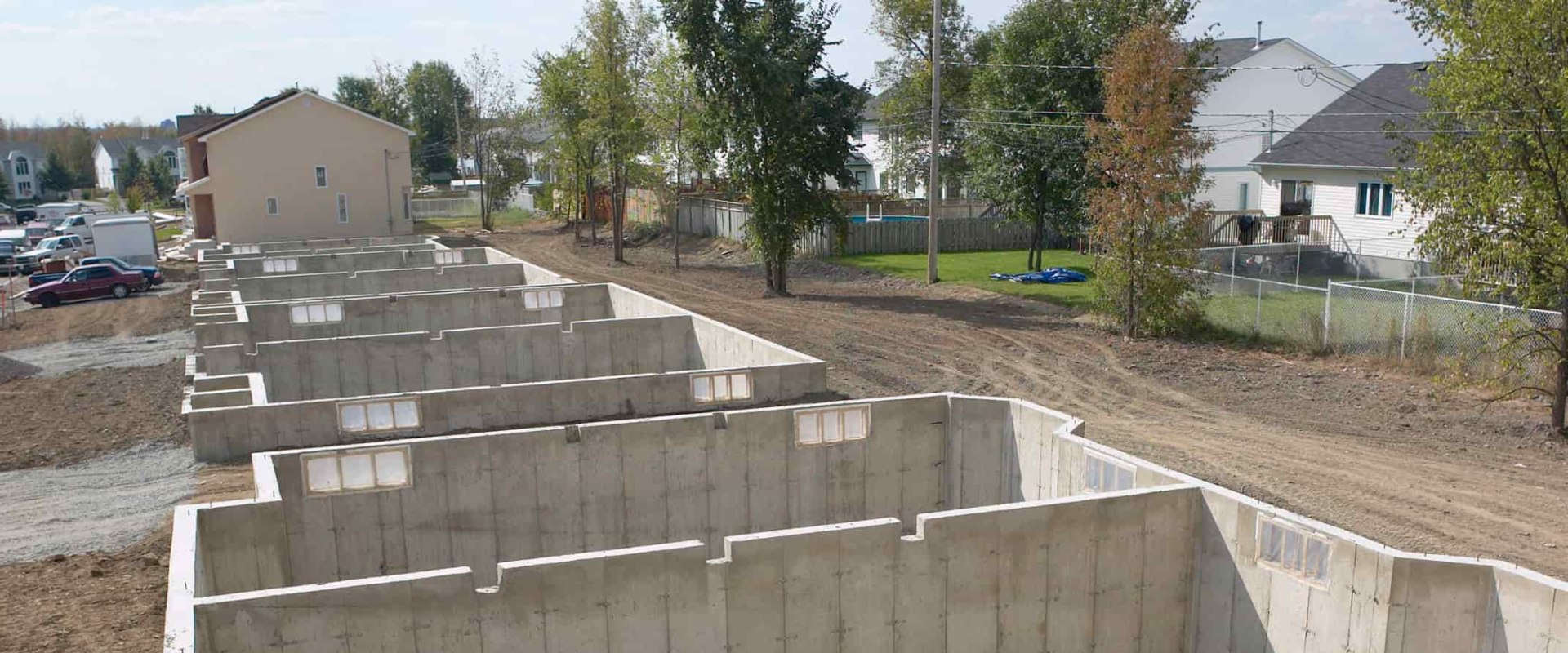
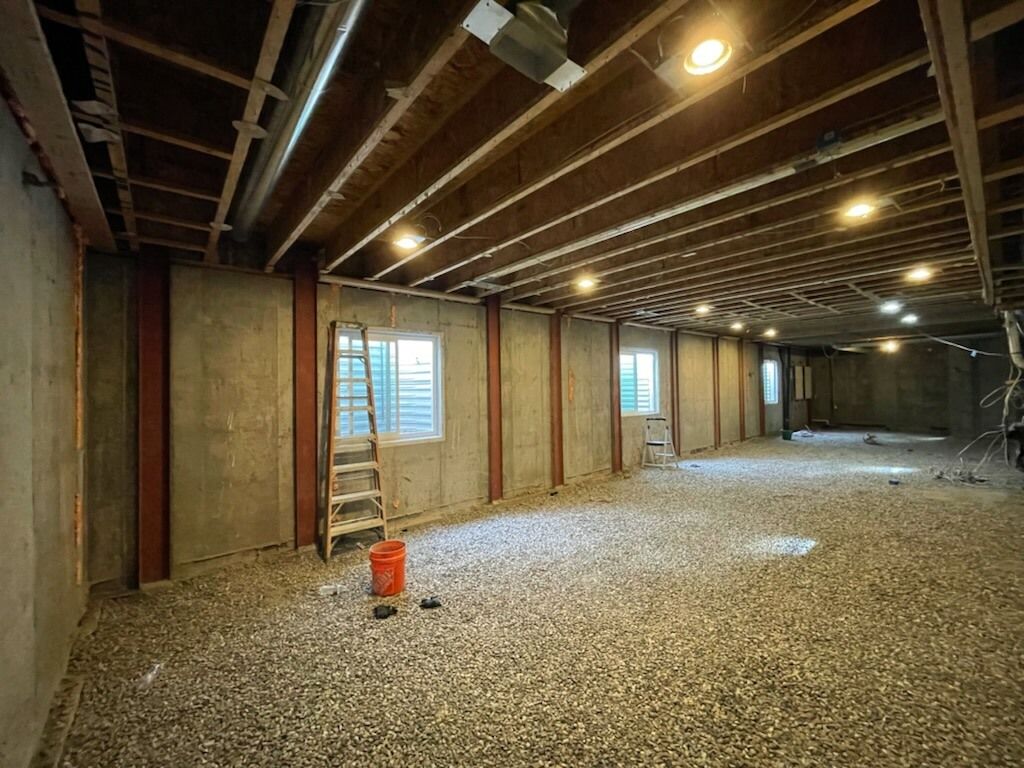
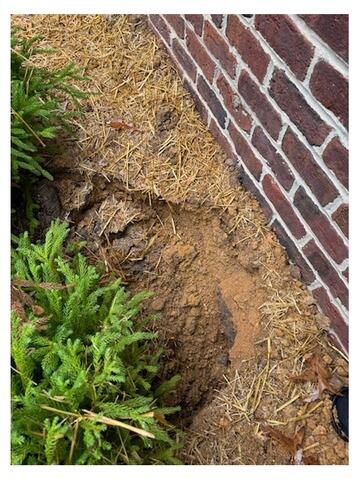
At its simplest, foundation stabilization means making sure your home's foundation stops moving and stays put. This can involve repairing damaged areas, adding new structural support, or transferring the weight of your home to deeper, more stable soil layers. Foundations are built to carry thousands of pounds, and when the soil beneath shifts, erodes, or settles unevenly, the foundation can become unstable. This is where foundation stabilization comes in – to restore the foundation's original integrity and ensure your home remains safe and secure.
The Importance of House Foundation Stabilization
Foundation stabilization is essential for several reasons:
Prevents further damage: By stabilizing the foundation, you prevent more severe problems from occurring, such as cracks in walls, ceilings, and floors.
Restores structural integrity: A stabilized foundation ensures that your home remains safe and secure, preventing potential collapses or injuries.
Increases property value: A well-maintained foundation can increase your property's value and appeal, making it easier to sell or refinance your home.
Reduces energy bills: A stable foundation can help reduce energy bills by ensuring that your home's insulation and HVAC systems function efficiently.
The Best Methods for House Foundation Stabilization
When a foundation becomes unstable, choosing the right repair method is crucial for long-term stability and structural safety. The best solution depends on factors like soil conditions, foundation type, and the severity of the issue. Some common foundation stabilization methods include:
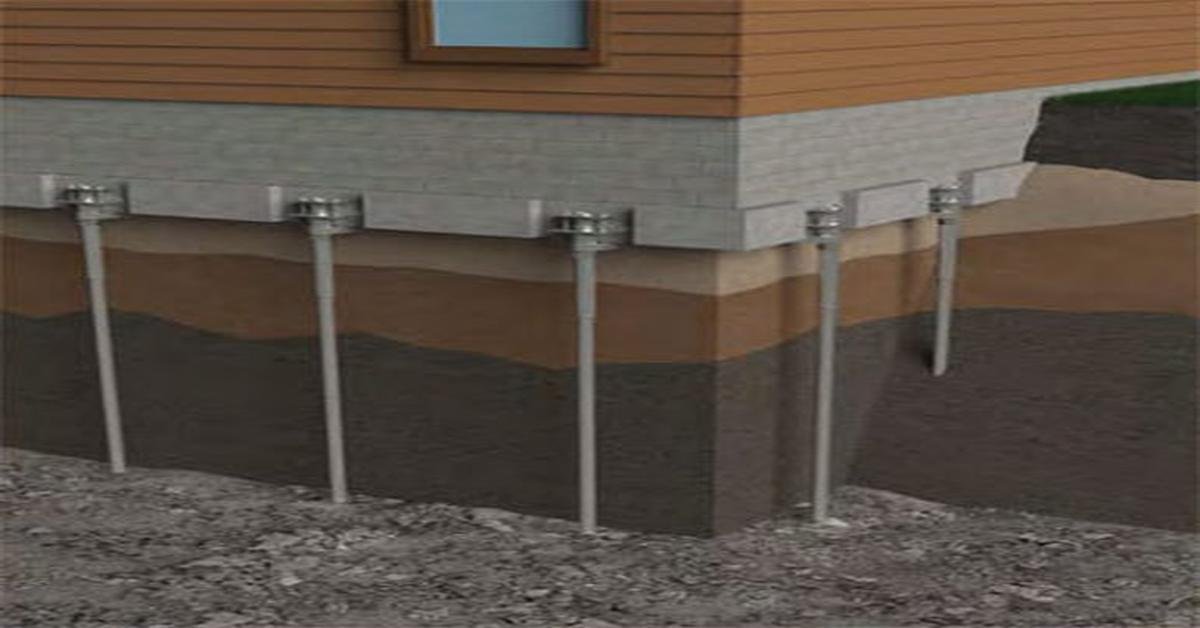
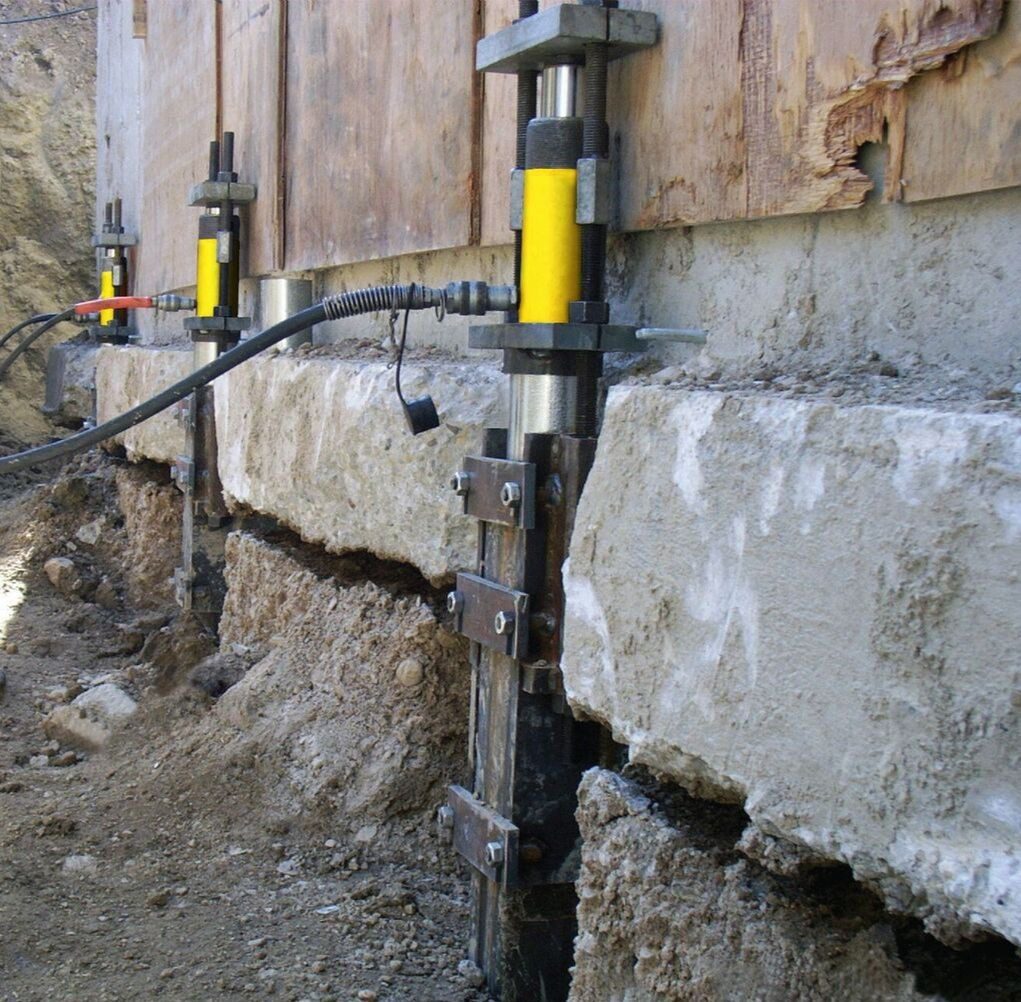
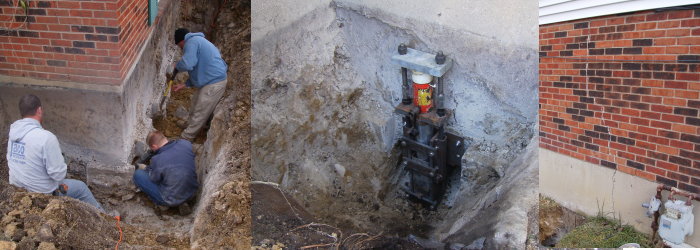
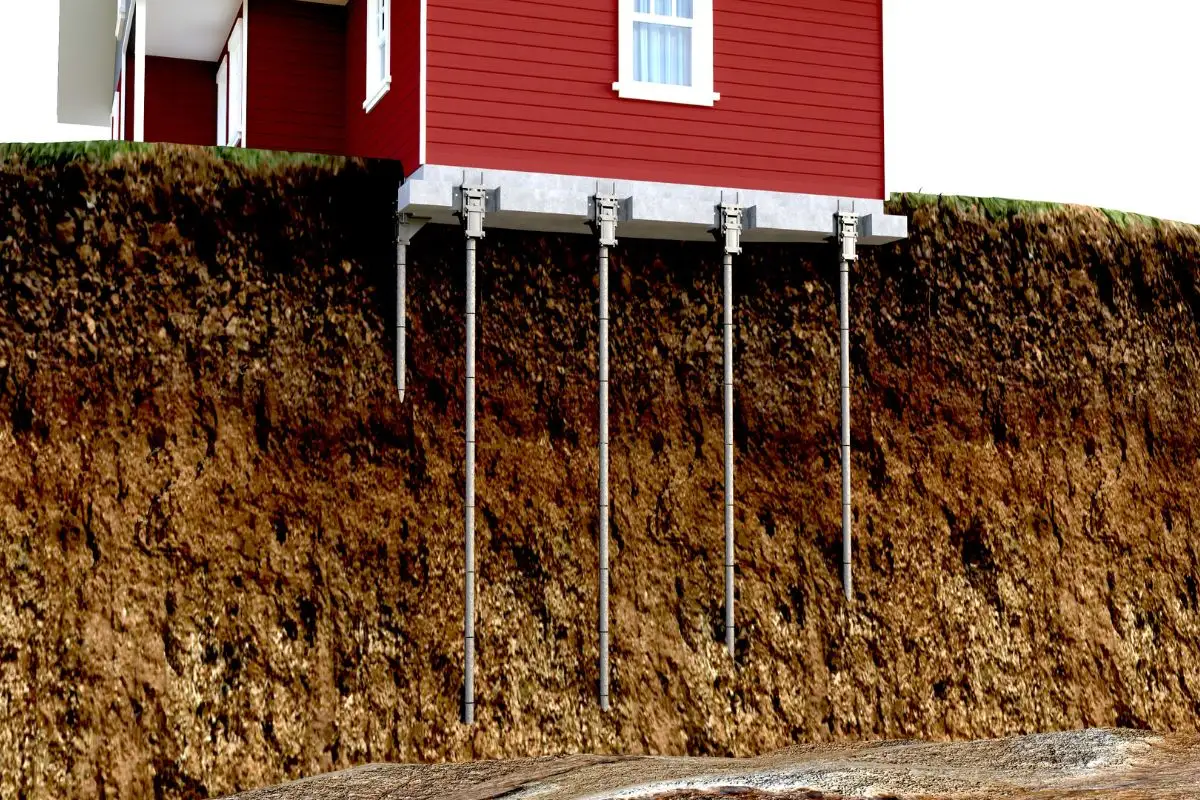
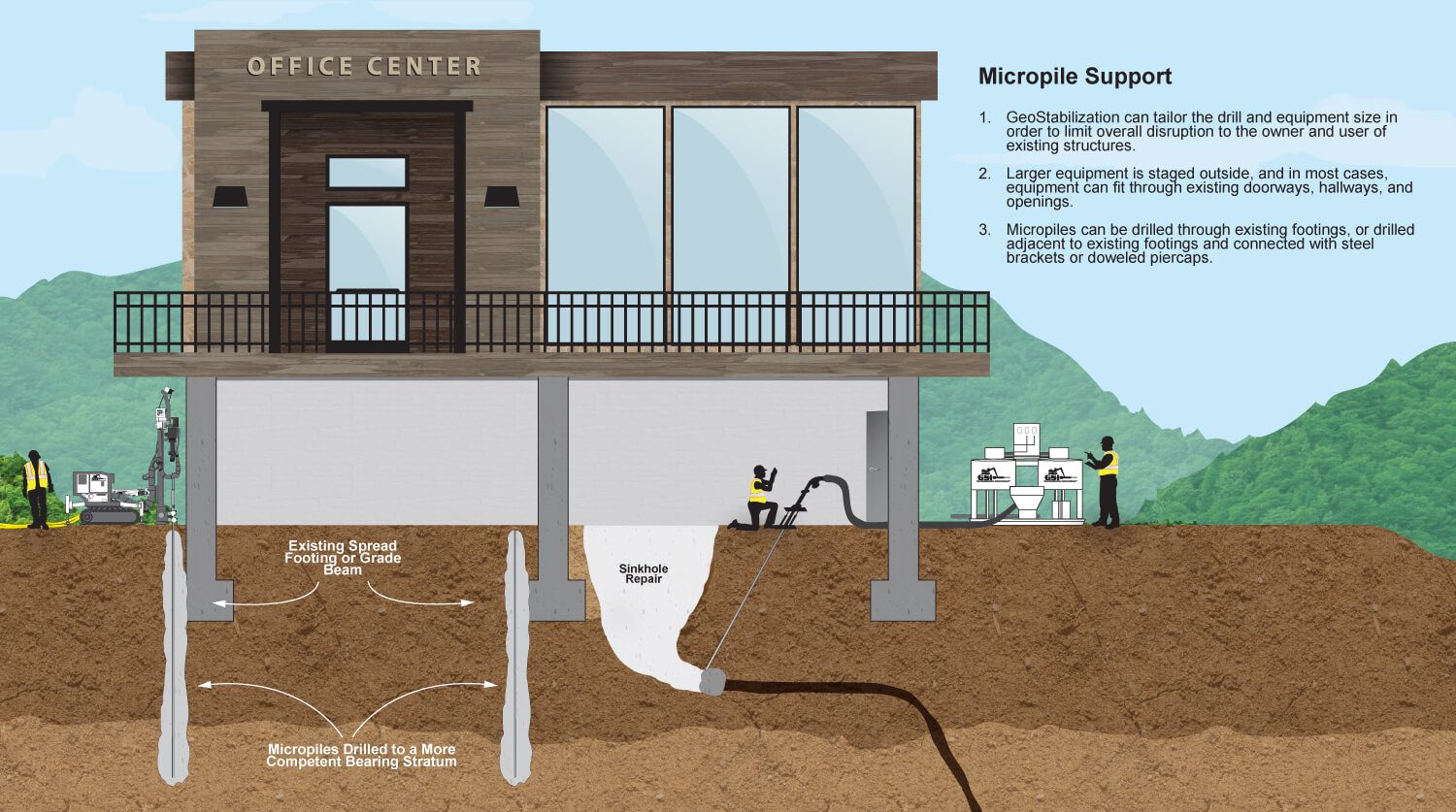
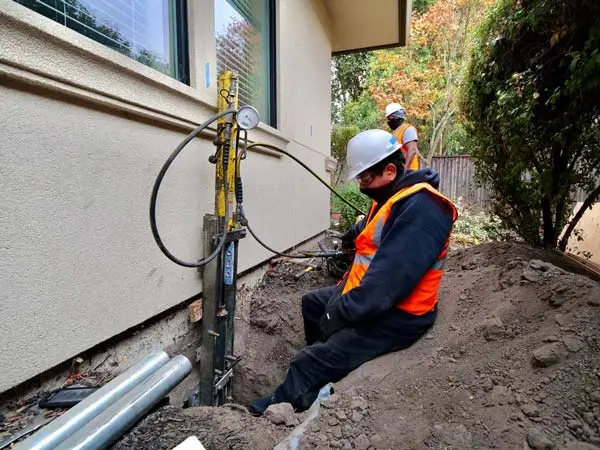
Underpinning: This involves installing new piers or footings to support the foundation, transferring the weight to deeper, more stable soil layers.
Helical piers and anchors: These are steel shafts with helical flutes that are screwed into the soil to provide additional support and stability.
Slab jacking: This involves pumping grout under the slab to raise it back to its original position, relieving pressure on the foundation.
Common Physical Signs of Foundation Settlement
It's essential to recognize the physical signs of foundation settlement to address the issue promptly. Common signs include:
Cracks in walls, ceilings, and floors
Doors and windows that won't shut properly
Uneven floors and sagging ceilings
Water damage or leaks
Conclusion
House foundation stabilization is a critical aspect of maintaining your home's structural integrity. By understanding the importance of foundation stabilization, common repair methods, and physical signs of foundation settlement, you can take proactive steps to ensure your home remains safe and secure. If you suspect your home is experiencing foundation issues, consult with a professional to determine the best course of action. With the right foundation stabilization techniques, you can prevent further damage and enjoy a peaceful, worry-free living space.
Contact a Foundation Stabilization Expert Today
If you're experiencing foundation issues or want to learn more about foundation stabilization, contact a professional foundation repair company today. They can assess your home's foundation, recommend the best course of action, and provide expert foundation stabilization services to ensure your home remains safe and secure.