Moral AI Design Principles: The Foundation for Responsible AI Systems
As artificial intelligence (AI) continues to transform industries and societies worldwide, the need for responsible and ethical AI design principles has become increasingly pressing. AI systems are being integrated into various aspects of our lives, from healthcare and finance to transportation and education. However, the rapid development of AI has also raised concerns about its impact on individuals, communities, and society as a whole.
The Importance of Moral AI Design Principles
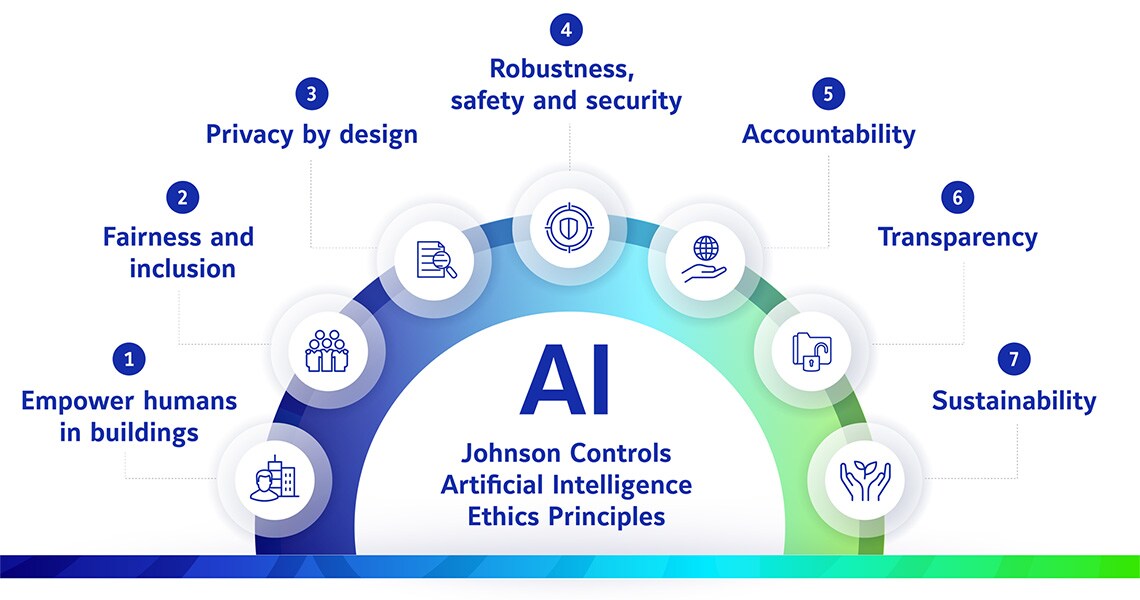
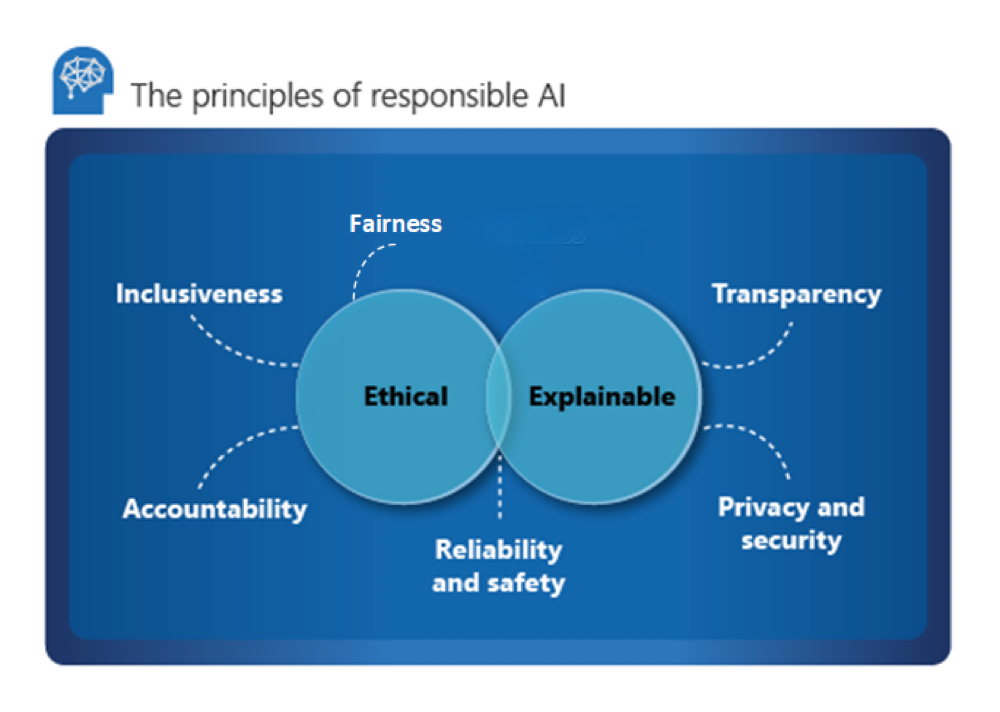
Moral AI design principles are the foundation for creating AI systems that are transparent, explainable, fair, and accountable. These principles guide developers and designers to build AI systems that respect human values and promote responsible AI practices. By adhering to moral AI design principles, organizations can ensure that their AI systems are aligned with their values and mission, and that they contribute positively to society.
Key Principles for Moral AI Design
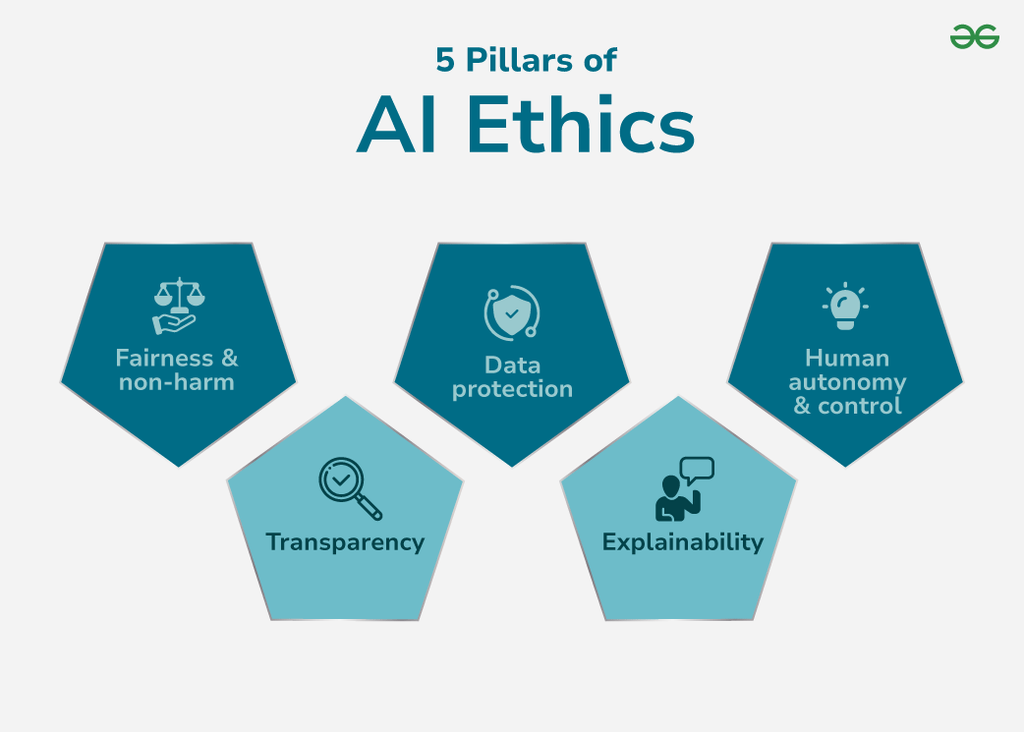
- Transparency**: AI systems should be transparent in their decision-making processes, providing clear explanations for their actions and outcomes.
- Explainability**: AI systems should be designed to provide insights into their reasoning and decision-making processes, enabling users to understand how they arrive at their conclusions.
- Fairness**: AI systems should be designed to avoid bias and ensure that their outcomes are fair and equitable for all individuals and groups.
- Accountability**: AI systems should be designed to ensure that they are accountable for their actions and outcomes, with clear processes for addressing errors and addressing conflicts.
Implementing Moral AI Design Principles in Practice
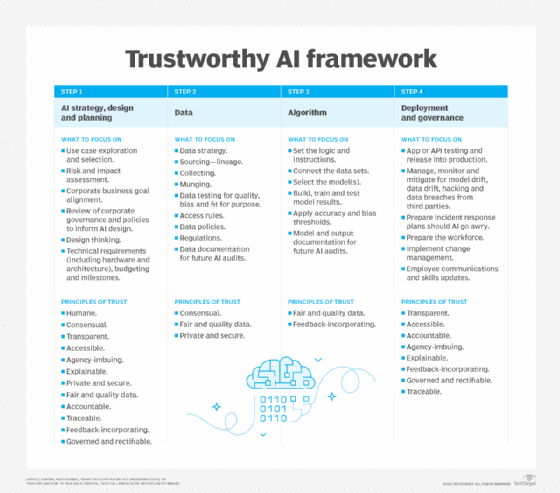
Implementing moral AI design principles in practice requires a collaborative effort between developers, designers, and stakeholders. This involves creating actionable policies for AI ethics and weaving ethical considerations throughout the AI life cycle, from inception to real-world application. Organizations must also establish clear governance structures and accountability mechanisms to ensure that their AI systems are aligned with their values and mission.

Benefits of Moral AI Design Principles
The benefits of moral AI design principles are numerous. By prioritizing transparency, explainability, fairness, and accountability, organizations can build trust with their customers, employees, and stakeholders. Moral AI design principles also help to mitigate the risks associated with AI, such as bias, errors, and cyber attacks. Furthermore, organizations that prioritize moral AI design principles are more likely to achieve their business objectives and contribute positively to society.
Conclusion
Moral AI design principles are the foundation for creating responsible and ethical AI systems. By prioritizing transparency, explainability, fairness, and accountability, organizations can build trust, mitigate risks, and contribute positively to society. As AI continues to transform industries and societies worldwide, it is essential that organizations prioritize moral AI design principles and create AI systems that are aligned with their values and mission.
References
- Crawford, K., & Calo, R. (2016). There is no human–computer accord. Harvard Law & Policy Review, 10(2), 469-493.
- Madiega, A. (2021). Artificial Intelligence and the EU's Digital Single Market.
- European Commission. (2019). White Paper on Artificial Intelligence – A European Approach to Excellence and Trust.
- Kohlberg, L. (1984). Essays on Moral Development, Vol. 2: The Psychology of Moral Development.