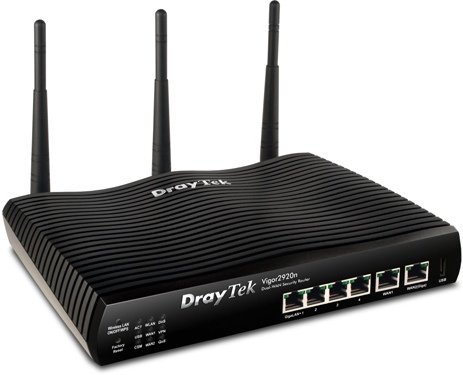
Primary WAN on Wireless Router: Understanding the Basics
A wireless router is a vital component of your home network, connecting your devices to the internet and allowing communication between them. One of the essential features of a wireless router is its primary WAN (Wide Area Network) connection. In this article, we will delve into the concept of primary WAN on wireless router, its importance, and how to configure it for optimal performance.
What is a Primary WAN on Wireless Router?
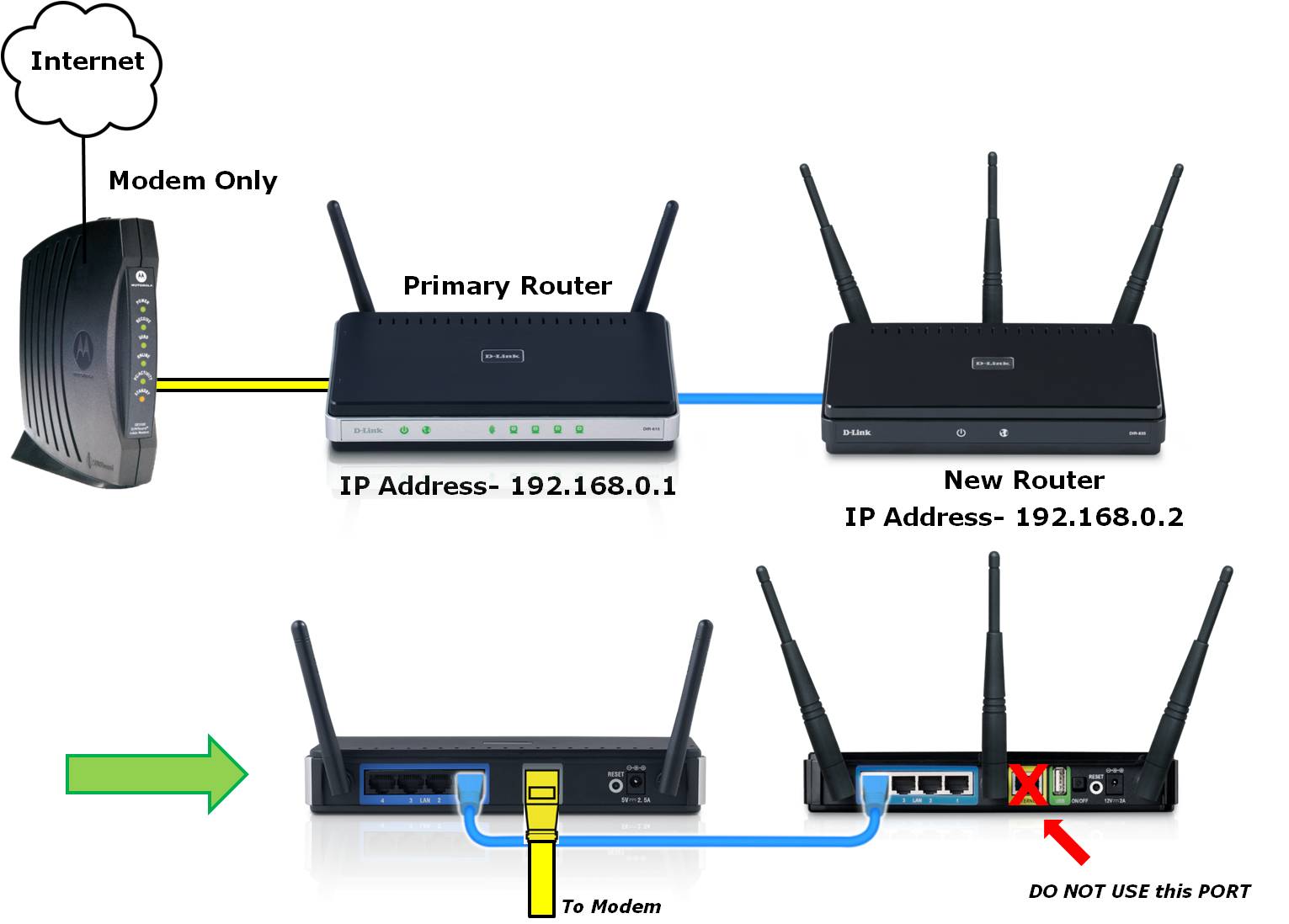
A primary WAN on a wireless router refers to the main internet connection that the router uses to connect to the internet. This connection is usually established through a modem and a cable or fiber optic line. The primary WAN is responsible for routing internet traffic to and from your devices, ensuring that they have a stable and fast connection to the internet.
- The primary WAN is the main internet connection used by the wireless router.
- It is usually established through a modem and a cable or fiber optic line.
- The primary WAN is responsible for routing internet traffic to and from your devices.
Importance of Primary WAN on Wireless Router
The primary WAN on a wireless router plays a crucial role in ensuring that you have a stable and fast internet connection. Without a reliable primary WAN, your devices may experience slow speeds, dropped connections, or even complete loss of internet access. A good primary WAN connection is essential for:
- Fast and stable internet speeds.
- Reliable streaming and online gaming experience.
- Seamless communication between devices.
Configuring Primary WAN on Wireless Router
Configuring the primary WAN on a wireless router is usually a straightforward process. Here are the general steps to follow:
- Access the router's web interface by typing its IP address in a web browser.
- Log in to the router using the admin username and password.
- Navigate to the WAN settings section.
- Select the primary WAN connection type (e.g., DHCP, Static IP, or PPPoE).
- Enter the WAN settings, such as IP address, subnet mask, and default gateway.
- Save the changes and restart the router.

Choosing the Right Primary WAN Connection Type
When configuring the primary WAN on a wireless router, you need to choose the right connection type. The most common options are:
- Dynamic Host Configuration Protocol (DHCP): This is the most common connection type, where the router requests an IP address from the ISP's DHCP server.
- Static IP: This involves assigning a fixed IP address to the router, which is usually required by some ISPs.
- PPP over Ethernet (PPPoE): This is a broadband connection type that involves encapsulating PPP frames in Ethernet packets.
Conclusion
In conclusion, the primary WAN on a wireless router plays a vital role in ensuring a stable and fast internet connection. Understanding the basics of primary WAN, its importance, and how to configure it can help you troubleshoot common issues and optimize your internet performance. Remember to choose the right connection type and configure the WAN settings accordingly to get the most out of your wireless router.
Appendix: Frequently Asked Questions
Q: What is the difference between primary WAN and secondary WAN? A: The primary WAN is the main internet connection used by the wireless router, while the secondary WAN is an additional internet connection that can be used as a backup or load-balanced connection.
Q: How do I configure the primary WAN on my wireless router? A: Configure the primary WAN by accessing the router's web interface, navigating to the WAN settings section, selecting the primary WAN connection type, entering the WAN settings, and saving the changes.
Q: What are the common primary WAN connection types? A: The most common primary WAN connection types are Dynamic Host Configuration Protocol (DHCP), Static IP, and PPPoE.
![[Wireless Router] How to set 2.5G or 10G port as WAN type?](https://www.cisco.com/c/dam/en/us/products/collateral/routers/1841-integrated-services-router-isr/data_sheet_c78-659405.doc/_jcr_content/renditions/data_sheet_c78-659405-7.jpg "[Wireless Router] How to set 2.5G or 10G port as WAN type?")



![[Wireless Router] How to set 2.5G or 10G port as WAN type?](https://manuals.plus/wp-content/uploads/2022/10/ASUS-RT-AX86U-Pro-Wireless-AX5700-Dual-Band-Gigabit-Router-Connect-4.png "[Wireless Router] How to set 2.5G or 10G port as WAN type?")
![[Wireless Router] Dual WAN introduction and setup - ASUS](https://www.practicallynetworked.com/wp-content/uploads/2022/04/home-network-diagram-with-modem-router-8627692.jpg "[Wireless Router] Dual WAN introduction and setup - ASUS")
![[Wireless Router] How to set up an Internet Connection? (WAN ... - ASUS](https://eu.dlink.com/uk/en/-/media/product-pages/dwr/116/dwr116a1imagelback1.png "[Wireless Router] How to set up an Internet Connection? (WAN ... - ASUS")
![[Wireless Router] How to configure the Auto Network Detection while ...](https://data-discourse.cdn.mikrotik.com/original/2X/2/2322abd152f89306106d9471b0665d65cc40fcb3.jpeg "[Wireless Router] How to configure the Auto Network Detection while ...")