Resealing Foundation Cracks: A Comprehensive Guide
Foundation cracks can be a significant concern for homeowners, potentially leading to water damage, structural issues, and even health problems. In this article, we'll provide a thorough guide on how to reseal foundation cracks, including tips on when to DIY and when to call a professional.
What are Foundation Cracks?
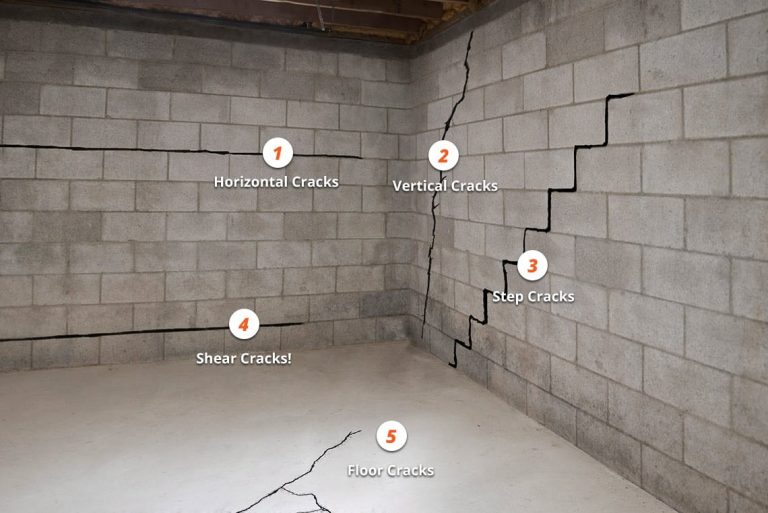
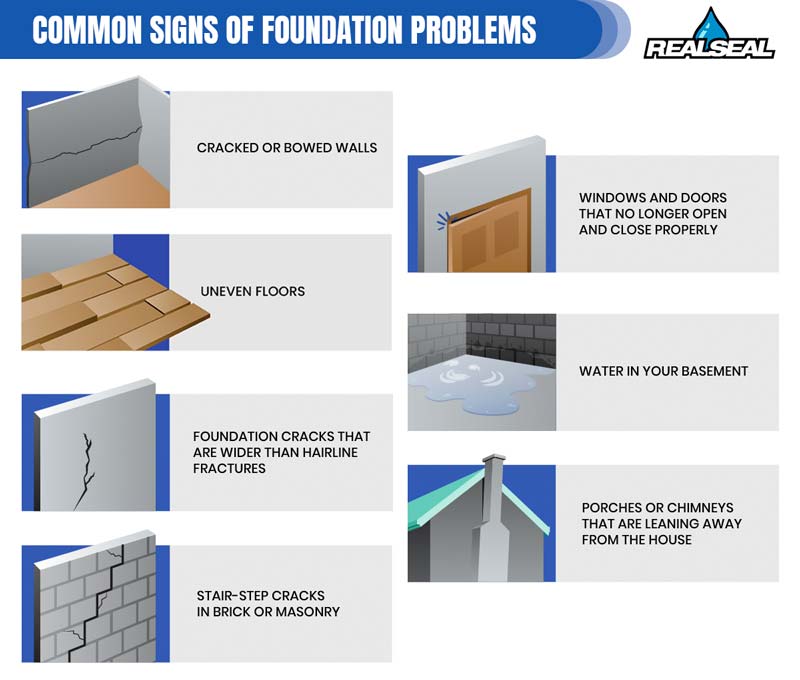
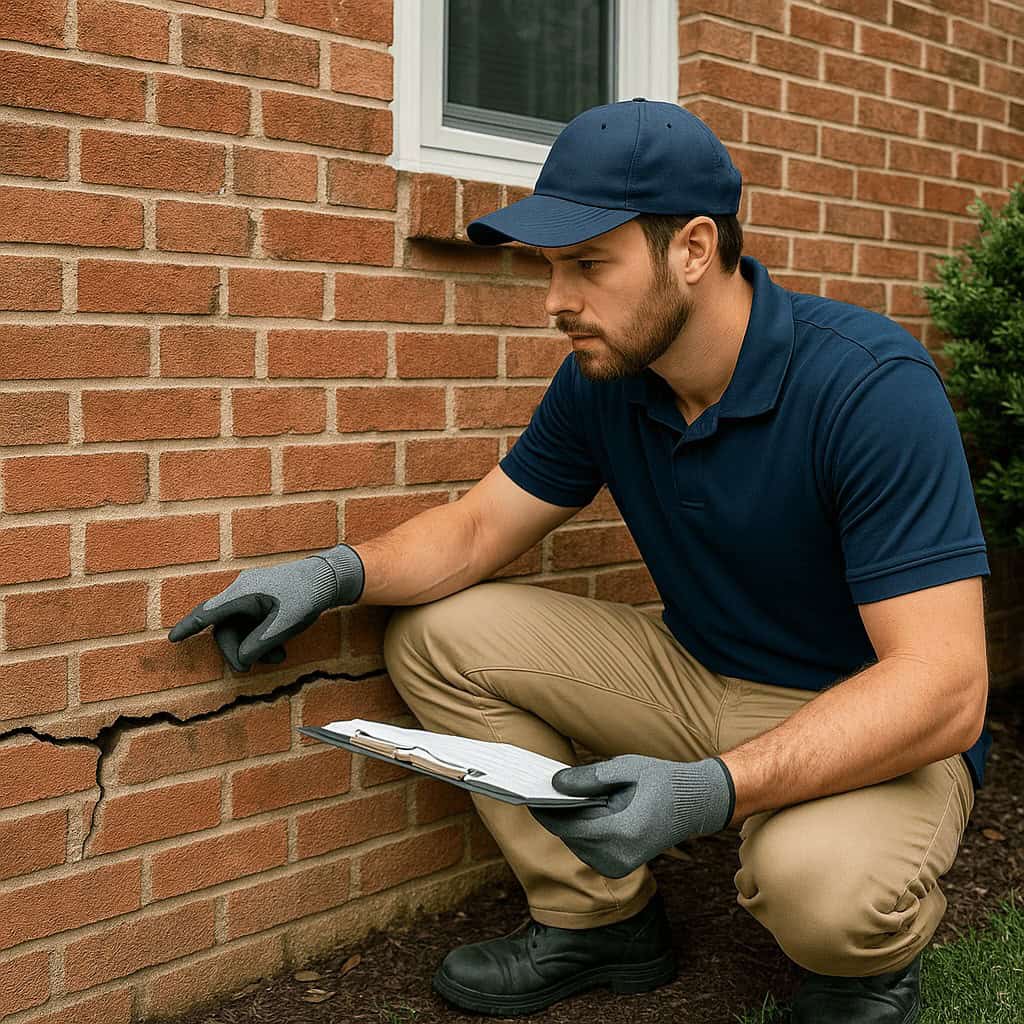
Foundation cracks can occur due to various reasons, including soil settlement, construction defects, and environmental factors like seasonal moisture and temperature fluctuations. These cracks can range from minor hairline fractures to more serious structural problems, compromising the integrity of your foundation.
Types of Foundation Cracks
- Structural Cracks: These cracks compromise the structural integrity of your foundation and require immediate attention to prevent further damage.
- Non-Structural Cracks: These cracks are purely cosmetic and can be repaired with simpler methods, but still need to be addressed to prevent water intrusion.
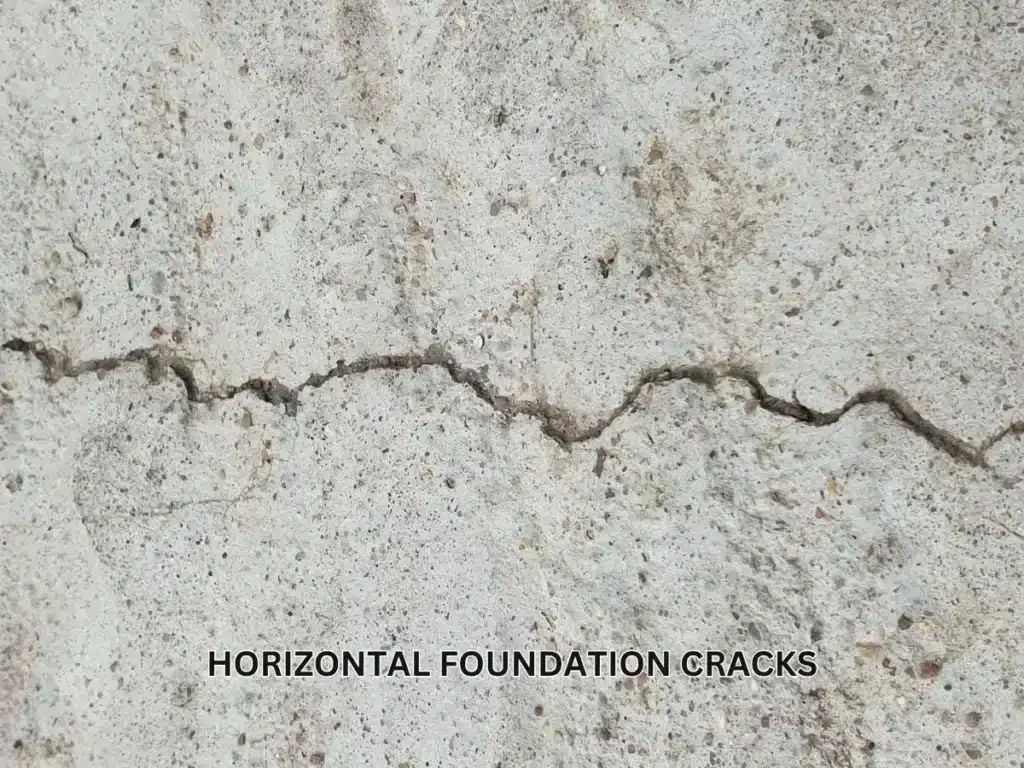
- Hairline Cracks: These are small, shallow cracks that can be repaired with surface-level fixes like caulking.
DIY vs. Professional Repair
Not all cracks require professional intervention, but it's essential to know when to DIY and when to call a pro. Non-structural cracks, such as shallow hairline cracks, can be repaired with ease using surface-level fixes like urethane caulk or acrylic sealants. However, structural cracks, those compromising the foundation's integrity, demand immediate attention from a professional.
Resealing Foundation Cracks: Instructions
Below are the steps to reseal foundation cracks using different materials and methods:
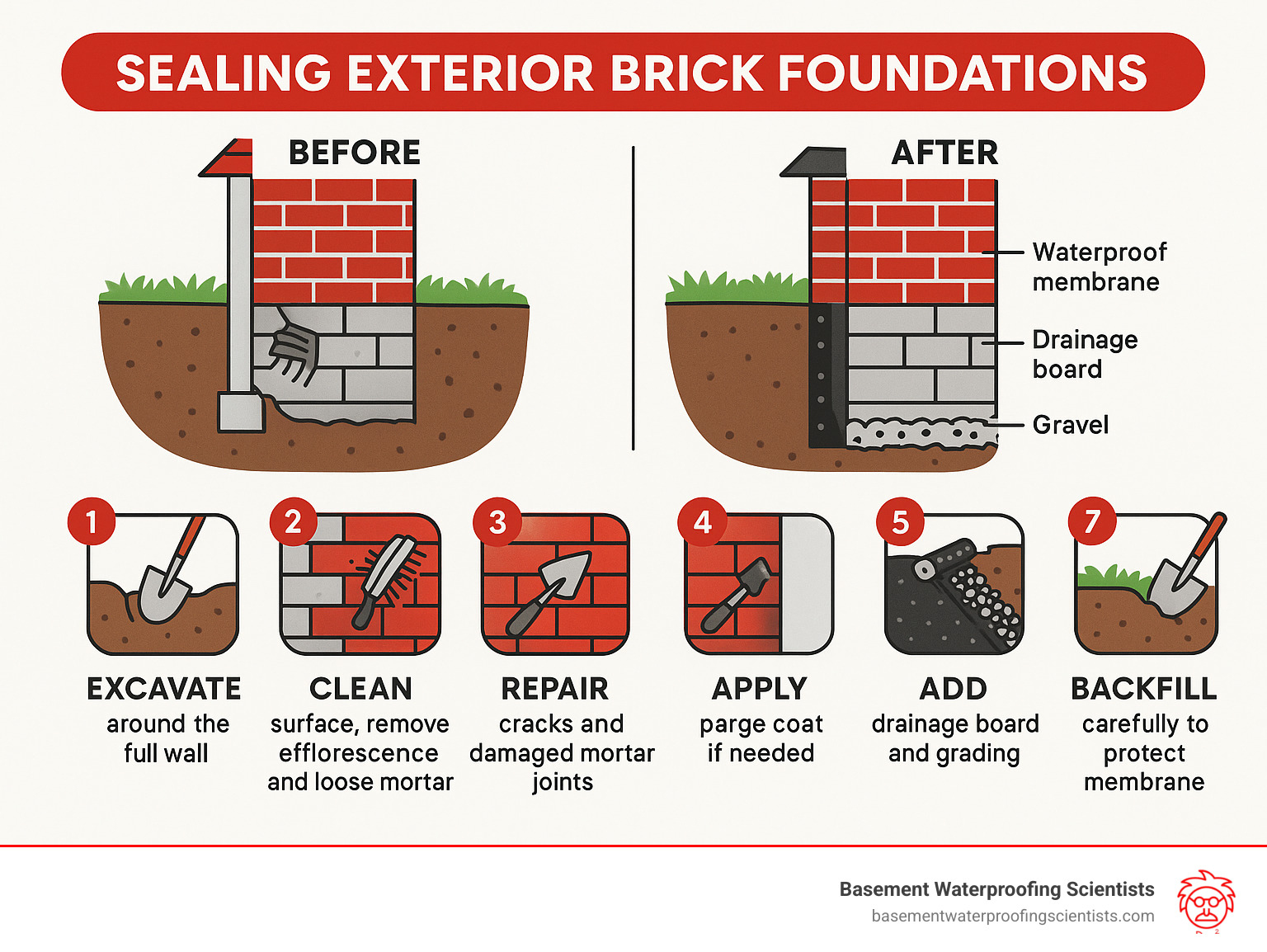
- Step 1: Clean and Prepare the Area before applying any sealant, ensure the area is free from debris and old sealants.
- Step 2: Apply a Sealant choose a suitable sealant based on the type of crack and your preference.
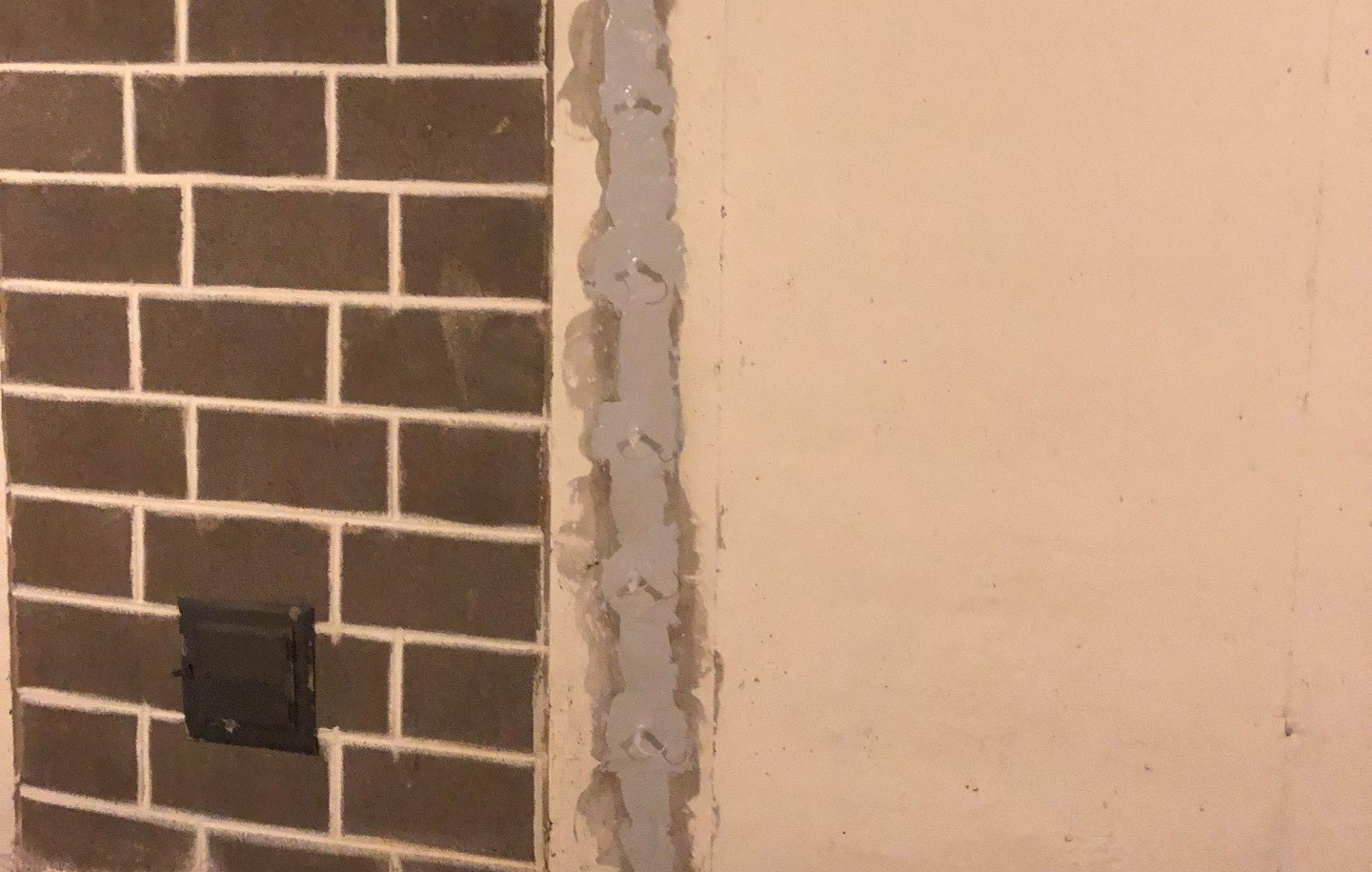
- Step 3: Fill the Crack for non-structural cracks, apply sealant in the crack and smooth it out.
Materials and Techniques

Some popular materials and techniques for resealing foundation cracks include:
- Urethane Caulk: suitable for shallow hairline cracks and joints between foundation and concrete surfaces.
- Acrylic Sealant: a water-based, non-corrosive sealant for non-structural cracks.
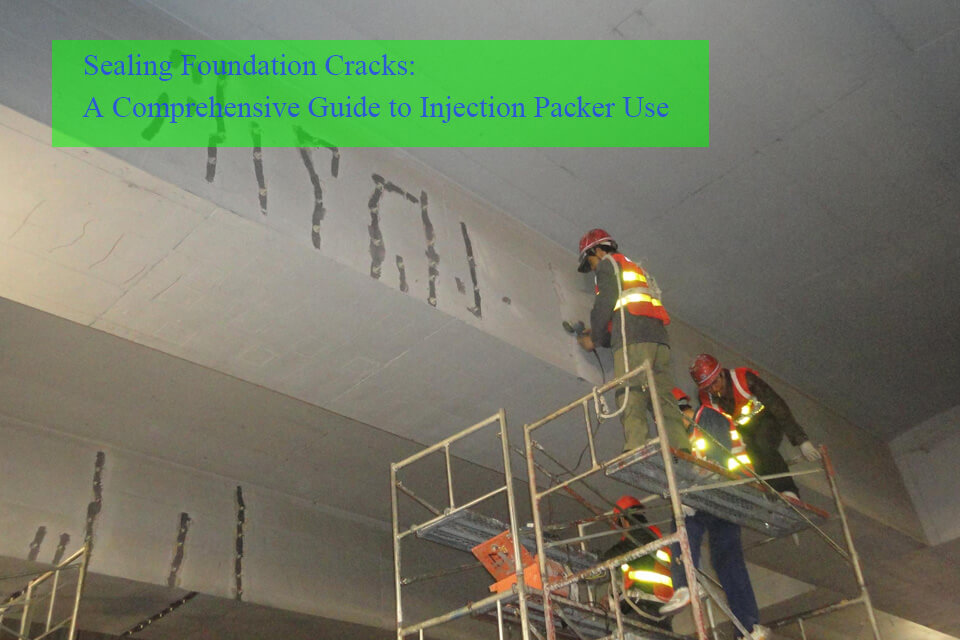
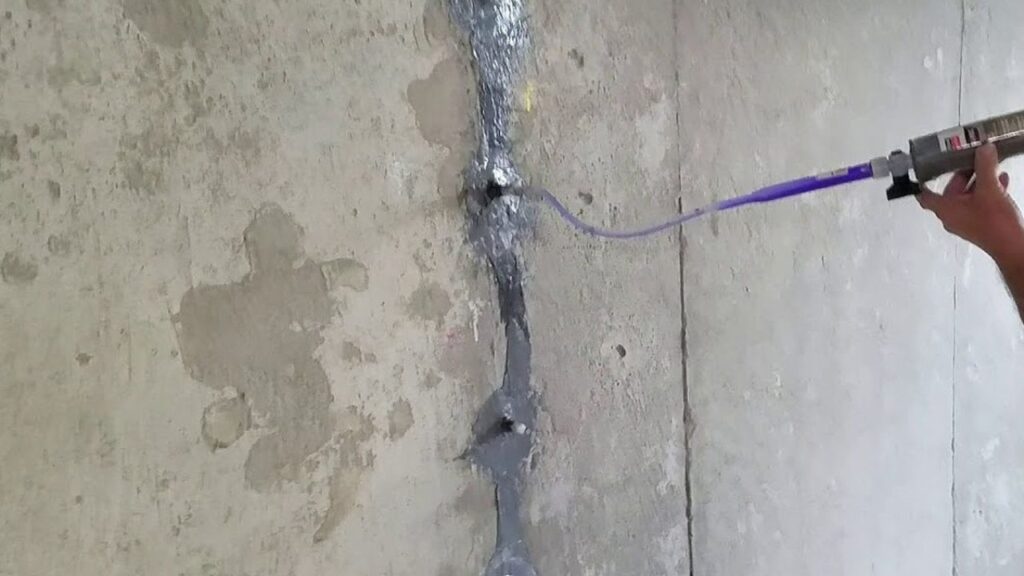
- Epoxy Injection: for larger cracks, this process involves injecting a two-part epoxy mixture into the crack.
Why Re-seal Foundation Cracks?
Resealing foundation cracks is crucial to prevent water intrusion, structural issues, and potential health problems. It's also essential to note that failing to address foundation cracks can lead to costly repairs and compromise the overall value of your home.
Conclusion
Resealing foundation cracks requires patience, attention to detail, and the right materials. While some cracks can be DIY'd, others demand professional attention. Remember to stay informed about the different types of foundation cracks, materials, and techniques to ensure you're taking the right steps to protect your home's integrity.
When faced with foundation cracks, prioritize addressing them promptly to prevent water damage, safety hazards, and costly repairs. Whether you choose to DIY or hire a professional, it's essential to take the necessary measures to ensure a stable and secure foundation for your home.
Additional Tips and Considerations
Before sealing foundation cracks, consider the following:
- Consult a professional if you're unsure about the extent of the damage or the best course of action.
- Address water-related issues, such as efflorescence or mineral deposits, to prevent them from intensifying the damage.
- Prevent water intrusion by ensuring proper drainage and roof integrity.
Investing time and resources in resealing foundation cracks is crucial to maintain the integrity of your home. Stay informed, address cracks promptly, and take proactive measures to ensure your home remains safe, stable, and secure for years to come.