Comprehensive Guide to Solar Panel Installation and Monitoring
Solar panel installation and monitoring are crucial aspects of harnessing the power of the sun to reduce your carbon footprint and save on energy costs. In this article, we will delve into the importance of post-installation monitoring and reporting for solar energy systems, highlighting the key components, data metrics, types of reports, and benefits of embracing solar panel installation and maintenance.
What is Solar Panel Monitoring?
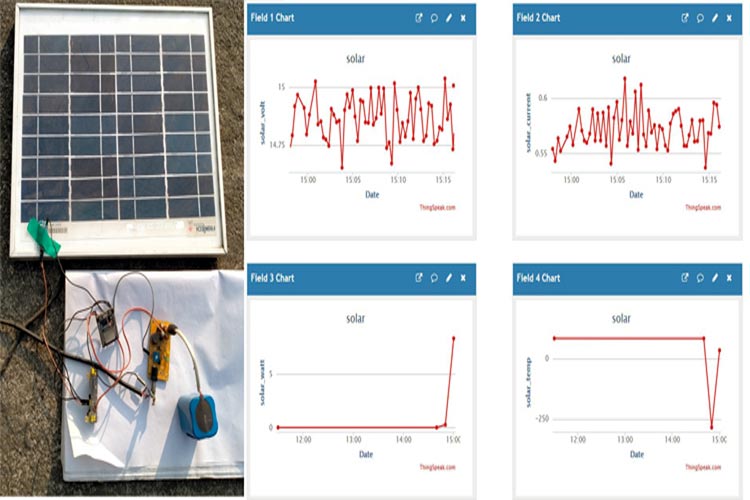
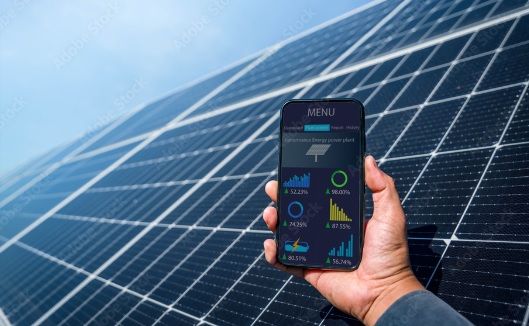
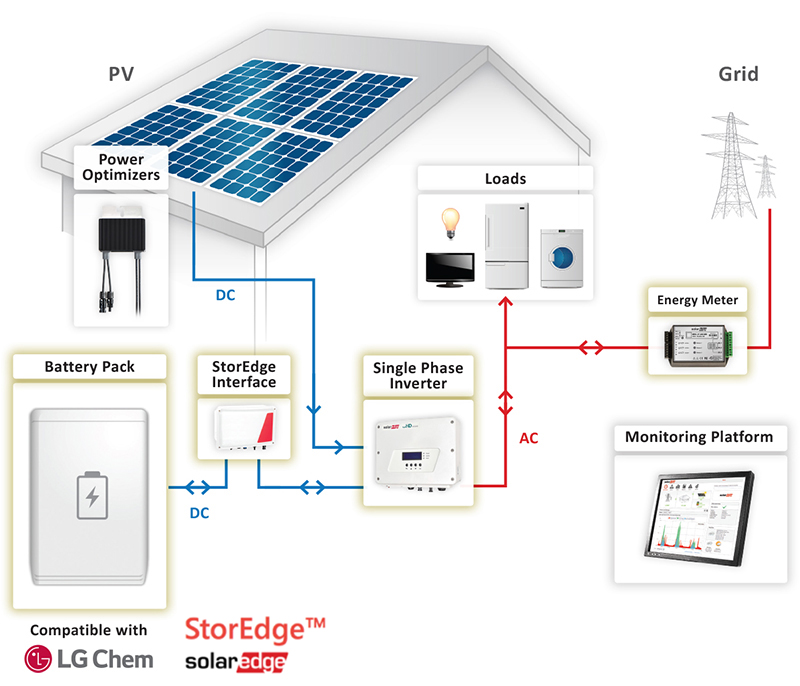
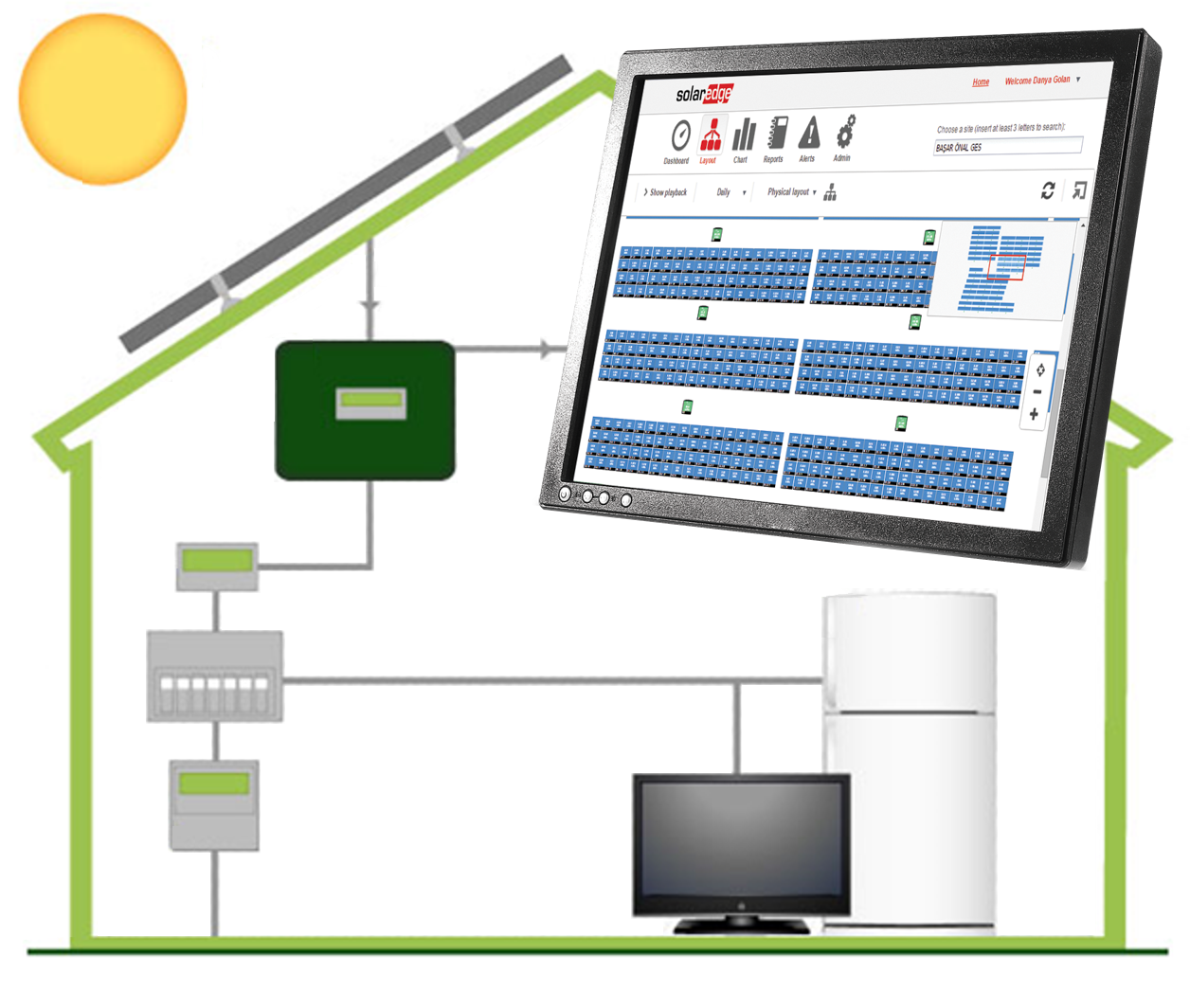
A solar monitoring system is a technological solution designed to track the performance and health of a solar power system. It collects and analyzes data from solar panels, inverters, and other system components to provide real-time information about energy production, system performance, and potential issues. This data can be used to optimize energy usage, identify areas for improvement, and extend the lifespan of the solar panel system.
Types of Solar Monitoring Systems
Solar monitoring systems come in various forms, including:
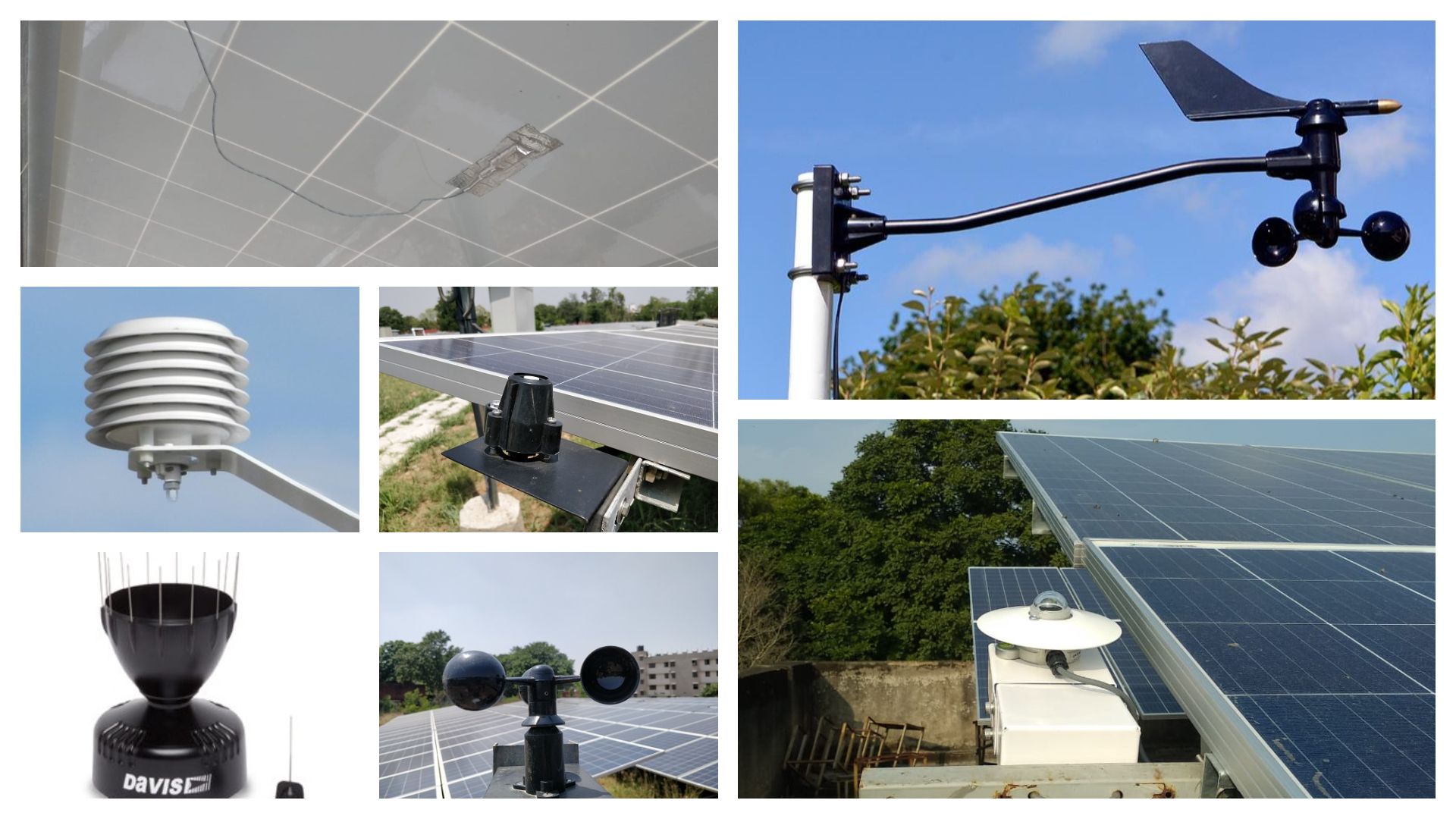
- Hardware-based monitoring systems: These systems use sensors and data loggers to collect data from the solar panel system and transmit it to a central monitoring platform.
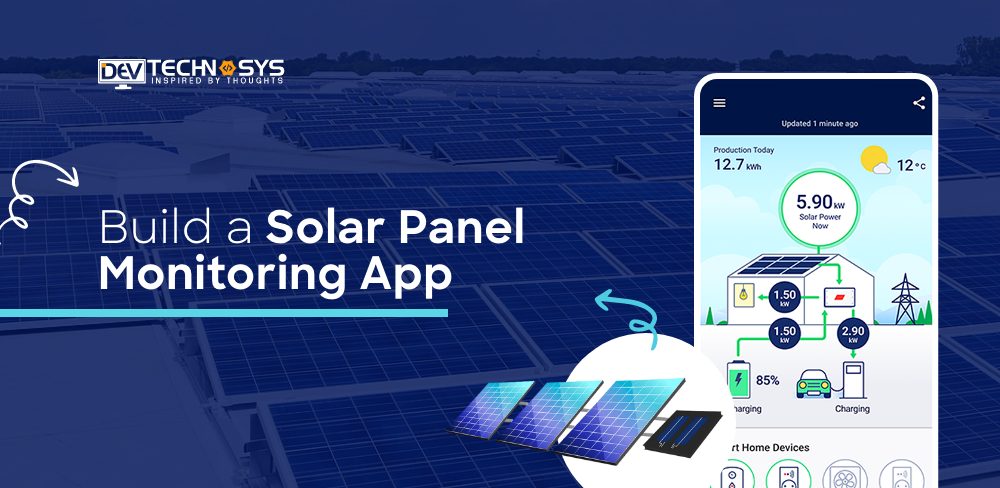
- Software-based monitoring systems: These systems use cloud-based software to collect and analyze data from the solar panel system, providing real-time monitoring and reporting capabilities.
- Smart grid monitoring systems: These systems integrate solar panel monitoring with smart grid technology to provide advanced monitoring and control capabilities.
Benefits of Solar Panel Monitoring

The benefits of solar panel monitoring include:
- Increased energy efficiency: Solar panel monitoring helps identify areas for improvement, allowing homeowners to optimize energy usage and reduce energy waste.
- Extended system lifespan: Regular monitoring and maintenance can extend the lifespan of the solar panel system, reducing the need for repairs and replacements.
- Improved safety: Solar panel monitoring can detect potential safety issues, such as electrical malfunctions or system faults, allowing homeowners to take corrective action.
- Enhanced investment protection: Solar panel monitoring helps homeowners protect their investment by identifying potential issues and preventing costly repairs.
How to Choose a Solar Monitoring System
When selecting a solar monitoring system, consider the following factors:
- Accuracy and reliability: Look for a system that provides accurate and reliable data, with minimal downtime or maintenance requirements.
- Ease of use: Choose a system that is user-friendly and easy to navigate, with intuitive software and a simple installation process.
- Scalability and flexibility: Select a system that can scale with your energy needs and adapt to changes in your solar panel system.
- Integration with smart grid technology: Consider a system that integrates with smart grid technology to provide advanced monitoring and control capabilities.
Conclusion
Solar panel installation and monitoring are critical components of a successful solar energy system. By embracing solar panel installation and maintenance, homeowners can reduce their carbon footprint, save on energy costs, and increase their energy independence. With the right monitoring system, homeowners can optimize energy usage, extend system lifespan, and enhance investment protection. In this article, we have explored the importance of solar panel monitoring, types of monitoring systems, benefits, and how to choose the right system for your needs.
:max_bytes(150000):strip_icc()/GettyImages-1306175466-5fea06cef4d6421993ed4385257eba50.jpg "PV Monitoring Platform - Solar Panel Efficiency | SolarEdge US")