Understanding Trademark Application South Africa: A Comprehensive Guide
In today's competitive business landscape, protecting your brand identity is crucial. One effective way to safeguard your brand is through trademark registration. If you're considering registering your trademark in South Africa, this guide will walk you through the process, highlighting the essential steps, legal requirements, and expert tips to secure your trademark rights effectively.
What is a Trademark?
A trademark is a sign capable of distinguishing the goods or services of one enterprise from those of others. It can include words, logos, sounds, or even colors. In South Africa, trademarks are governed by the Companies and Intellectual Property Commission (CIPC).
Benefits of Trademark Registration in South Africa
- Exclusive right to use the mark
- Prevents competitors from using your mark
- Enhances brand reputation and value
- Protection for your intellectual property
Trademark Application South Africa: A Step-by-Step Guide
Step 1: Conduct a Trademark Search
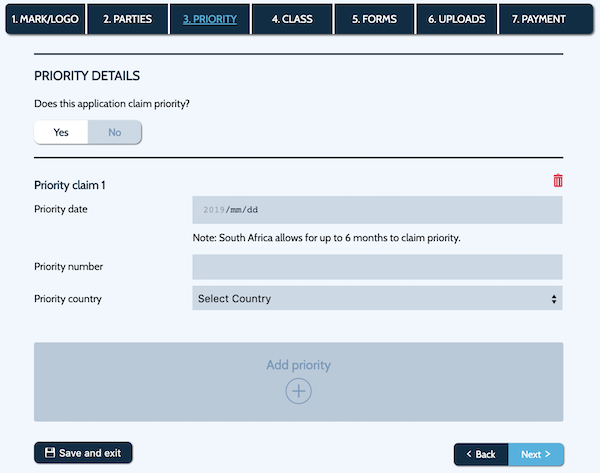
Before filing your trademark application, it's essential to conduct a search on the trademark register to ensure your mark is unique and doesn't infringe on existing trademarks. CIPC Intellectual Property Online is South Africa's official portal for IP services, streamlining the application process for trademarks and other IP domains.
Step 2: File Your Trademark Application
Once you've conducted a search, you can file your trademark application with CIPC. The process involves submitting an application, paying the required fees, and providing supporting documents. It's recommended to work with a qualified intellectual property attorney who understands the legal intricacies of the process.
Step 3: Examination of Your Trademark Application
After filing your application, the trademark examiner will review your mark to ensure it meets the required criteria. If any objections arise, you'll need to respond to the examiner within 3 months. The examination process typically takes 9-12 months, but it may vary depending on the complexity of your application.

Step 4: Publication for Opposition
Once your application has been examined, it will be published in the South African Official Gazette for opposition purposes. During this period, third parties can object to your trademark registration. If no oppositions are received, your mark will be registered.
Step 5: Registration and Renewal
After your trademark has been registered, you'll receive a registration certificate, which has legal status. Registered trademarks are valid for 10 years from the date of application and can be renewed every 10 years upon payment of the prescribed renewal fee.
Why You Should Register Your Trademark in South Africa
In South Africa, trademark registration is governed by the Trade Marks Act No 194 of 1993. The act provides for the registration of trademarks, certification trademarks, and collective trademarks, as well as incidental matters. Registering your trademark in South Africa offers numerous benefits, including exclusive rights to use the mark, prevention of competitors from using your mark, and protection of your intellectual property.
Conclusion
Trademark registration in South Africa is a crucial step in protecting your brand identity. By following the steps outlined in this guide, you'll be well on your way to securing your trademark rights effectively. Remember to work with a qualified intellectual property attorney to ensure a smooth and successful application process.
Have any questions about trademark registration in South Africa? Talk with us directly using LiveChat.
Resources
- CIPC Intellectual Property Online: South Africa's official portal for IP services
- Trade Marks Act No 194 of 1993: Governs trademark registration in South Africa
- Guidelines on the Examination of Trademark Applications: Insights into the practice of the Office of the Registrar of Trade Marks