Understanding the Trademark Class System
The Trademark Class system is a crucial aspect of the trademark registration process. It helps classify goods and services into broad categories, making it easier to search for registered and pending trademarks, calculate fees, and assess the scope of protection. In this article, we'll delve into the world of Trademark Classes, exploring their significance, how they work, and common mistakes to avoid when registering a trademark.
What Are Trademark Classes?
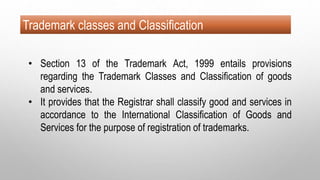
Trademark Classes are essentially the organized filing cabinets of the intellectual property world. They provide a structured system for categorizing the vast array of goods and services businesses offer, helping to register and protect trademarks. The international classification of goods and services is the controlling system used by the United States and applies to all trademark applications filed on or after September 1, 1973, and their resulting registrations for all statutory purposes (37 C.F.R. section 2.85 (b); TMEP section 1401.02).
The Nice Classification System
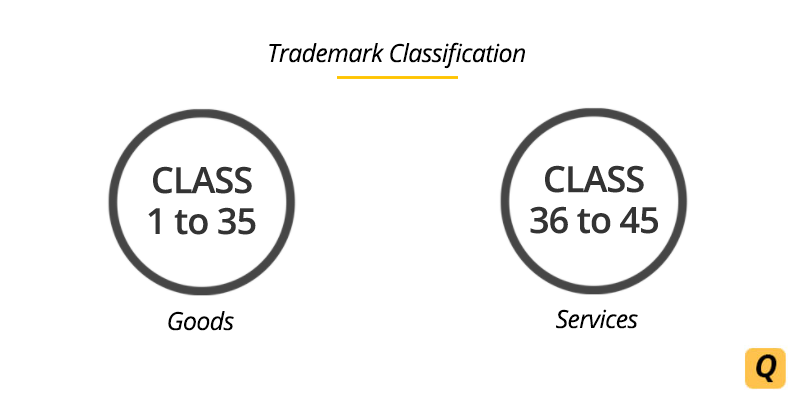
The Nice Classification System is an international system for classifying goods and services for trademark registration. It consists of 45 classes, with Classes 1-34 covering goods and Classes 35-45 covering services. This system is used by many countries worldwide and is essential for businesses seeking to register a trademark. One trademark can cover multiple classes, and each class has a title indicating what is covered in that particular class. The class list also includes specific, often extensive, lists of goods or services that are covered.
Key Features of the Trademark Class System
- 45 Classes:** The Trademark Class system consists of 45 classes, with 34 classes for products and 11 classes for services.
- Goods and Services:** Classes 1-34 cover goods, while classes 35-45 cover services.
- Coordinated Classes:** Two or more international classes can be coordinated if the goods or services in one class are closely related to the goods or services in the other.
- Proper Classification:** Navigating the trademark classifications system is crucial for businesses aiming to protect their brand and avoiding legal vulnerabilities and consumer confusion.
Why Proper Classification Matters
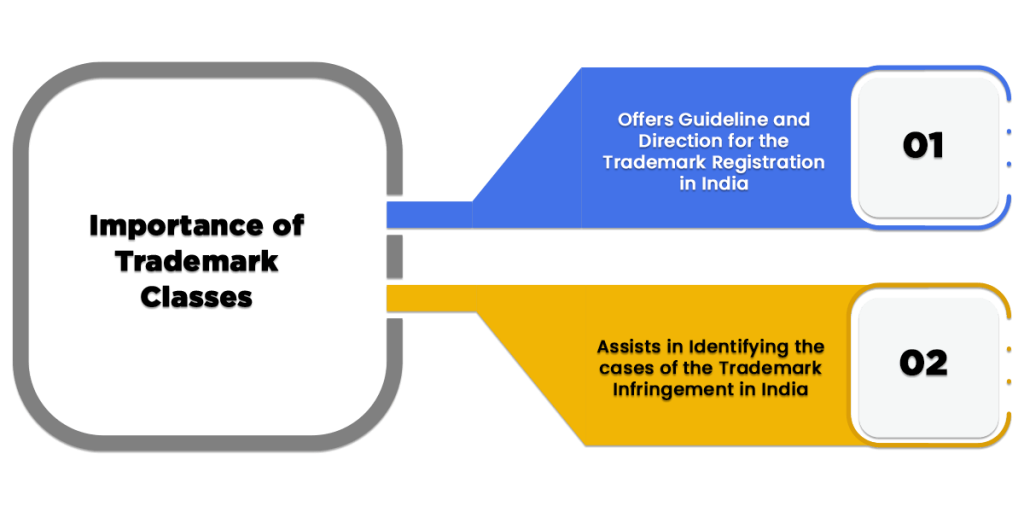
Proper classification under the Nice Classification system ensures the right scope of protection and reduces the risk of infringement. Misclassification can lead to legal vulnerabilities and consumer confusion, ultimately damaging brand trust. Therefore, it is essential to choose the right class when applying for trademark registration to avoid potential risks and issues.
Conclusion
The Trademark Class system is a vital aspect of the trademark registration process. Understanding how the system works, its features, and the importance of proper classification can help businesses navigate the complexities of trademark protection. By choosing the appropriate class for their goods and services, businesses can ensure the right scope of protection, reduce the risk of infringement, and ultimately safeguard their brand.
How to Choose the Right Trademark Class
When applying to register a trademark, you must use the classification system to specify the goods and/or services you'll be using it on. The USPTO provides a list of the 45 classes, consisting of 34 classes for products and 11 classes for services.