Urethane Resin Casting for 3D Printing: A Comprehensive Guide
Urethane resin casting, also known as vacuum casting or polyurethane casting, is a versatile and cost-effective manufacturing and prototyping process that utilizes a two-part urethane resin to produce production-quality replicas of a master model. This method is ideal for creating low to medium volumes (less than 30) of parts, particularly those with intricate geometries.
Understanding Urethane Resin Casting
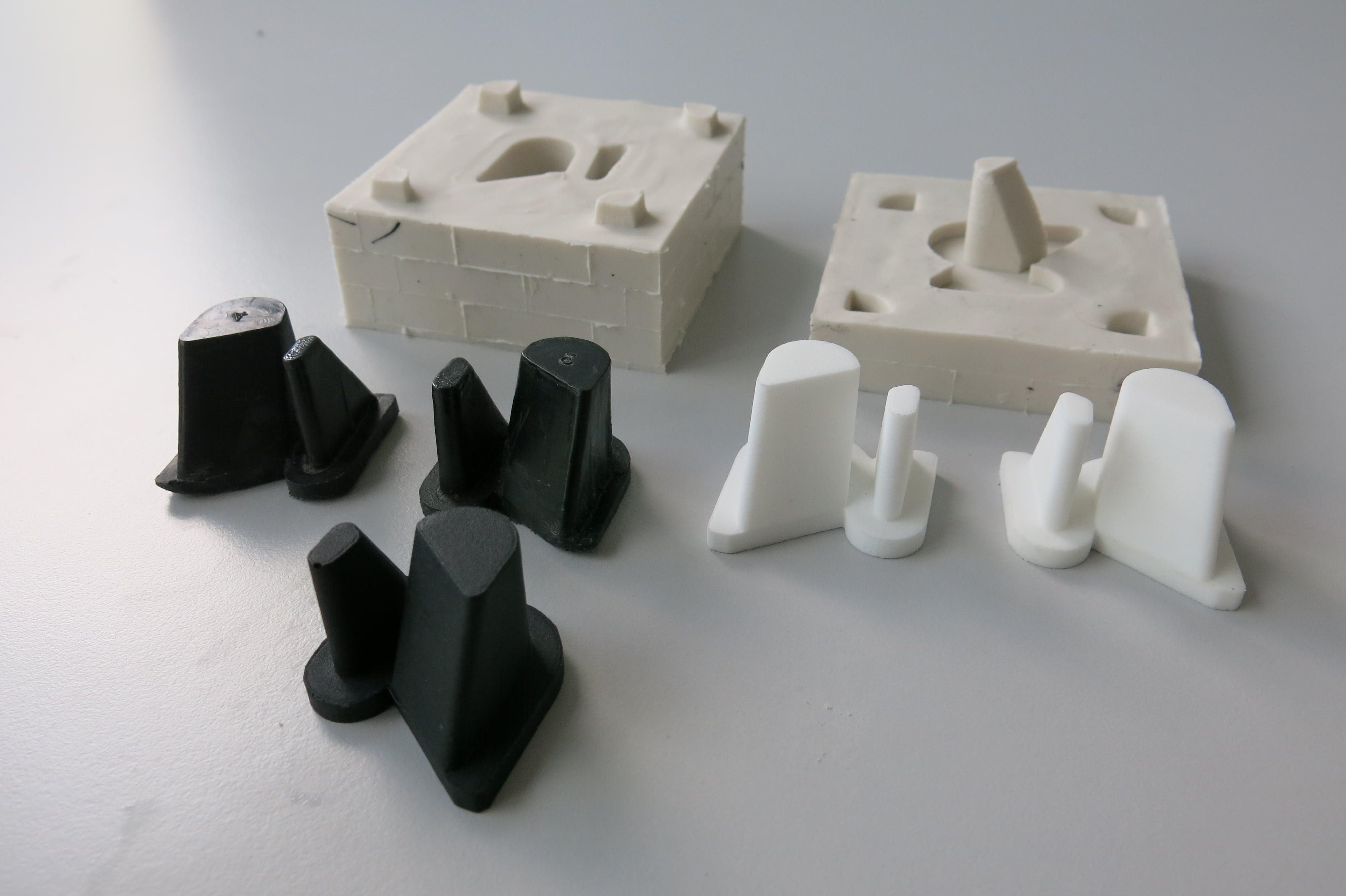
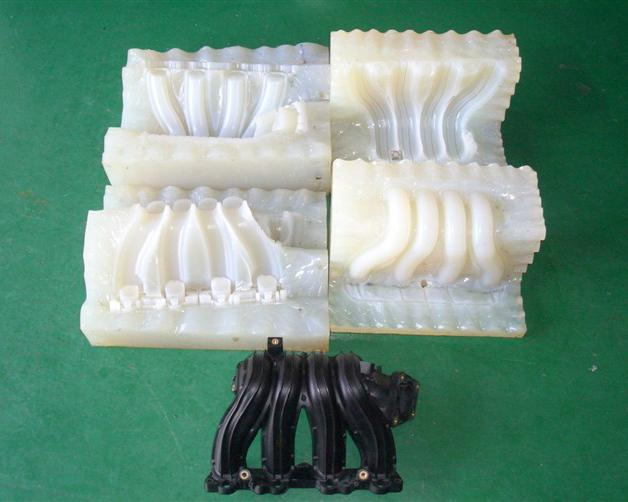
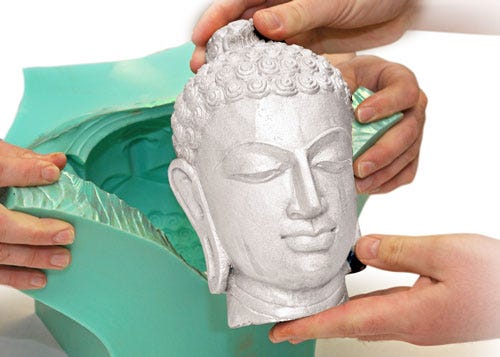
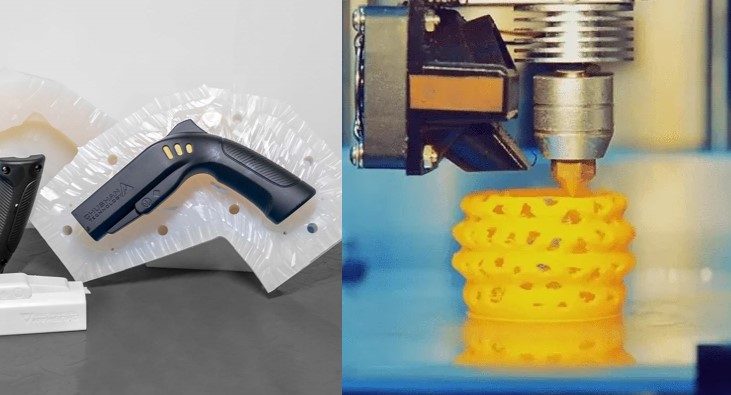
Urethane resin casting involves the creation of a master model, typically manufactured by 3D printing or CNC machining, which is then encased in silicone to form a mold. The liquid urethane resin is poured into the mold cavity, and under vacuum, it solidifies, eliminating bubbles and ensuring smooth, accurate parts.
Advantages of Urethane Resin Casting
- Low-cost and quick turnaround time for high-quality plastic parts
- Inexpensive and easy-to-produce silicone molds
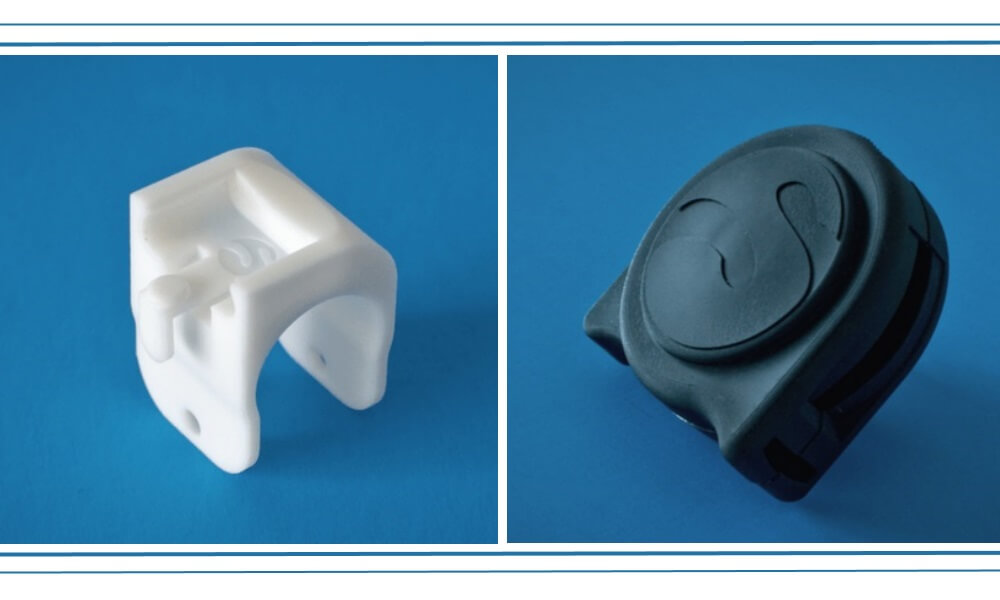
- High-quality, production-grade parts with intricate details and complex geometries
- Low-to-medium volume production capabilities (less than 30 parts)
Urethane Resin Casting Process
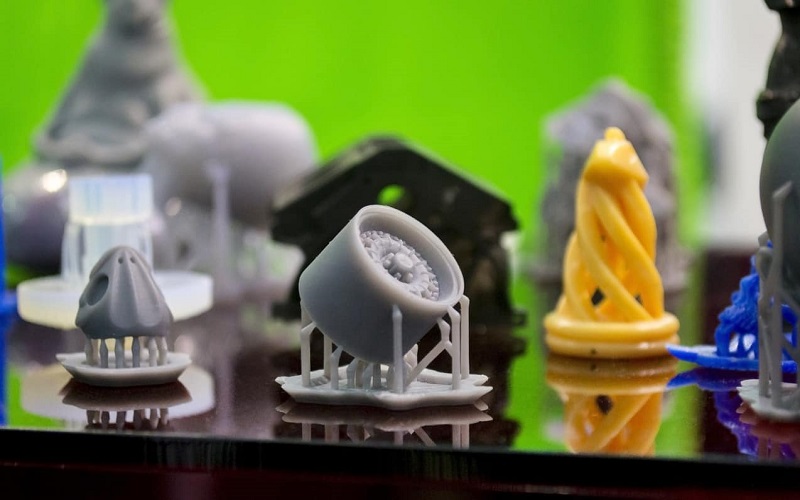
The process of urethane resin casting begins with the creation of a high-resolution master pattern, typically created using SLA 3D printing and hand-finished to capture fine detail. The master pattern is then encapsulated in silicone to form a mold. Next, the liquid urethane resin is poured into the mold cavity, and under vacuum, it solidifies, eliminating bubbles and ensuring smooth, accurate parts.
Materials Used in Urethane Resin Casting
The type of urethane resin used in the casting process is critical to the final product's quality and properties. Common types of urethane resin include:
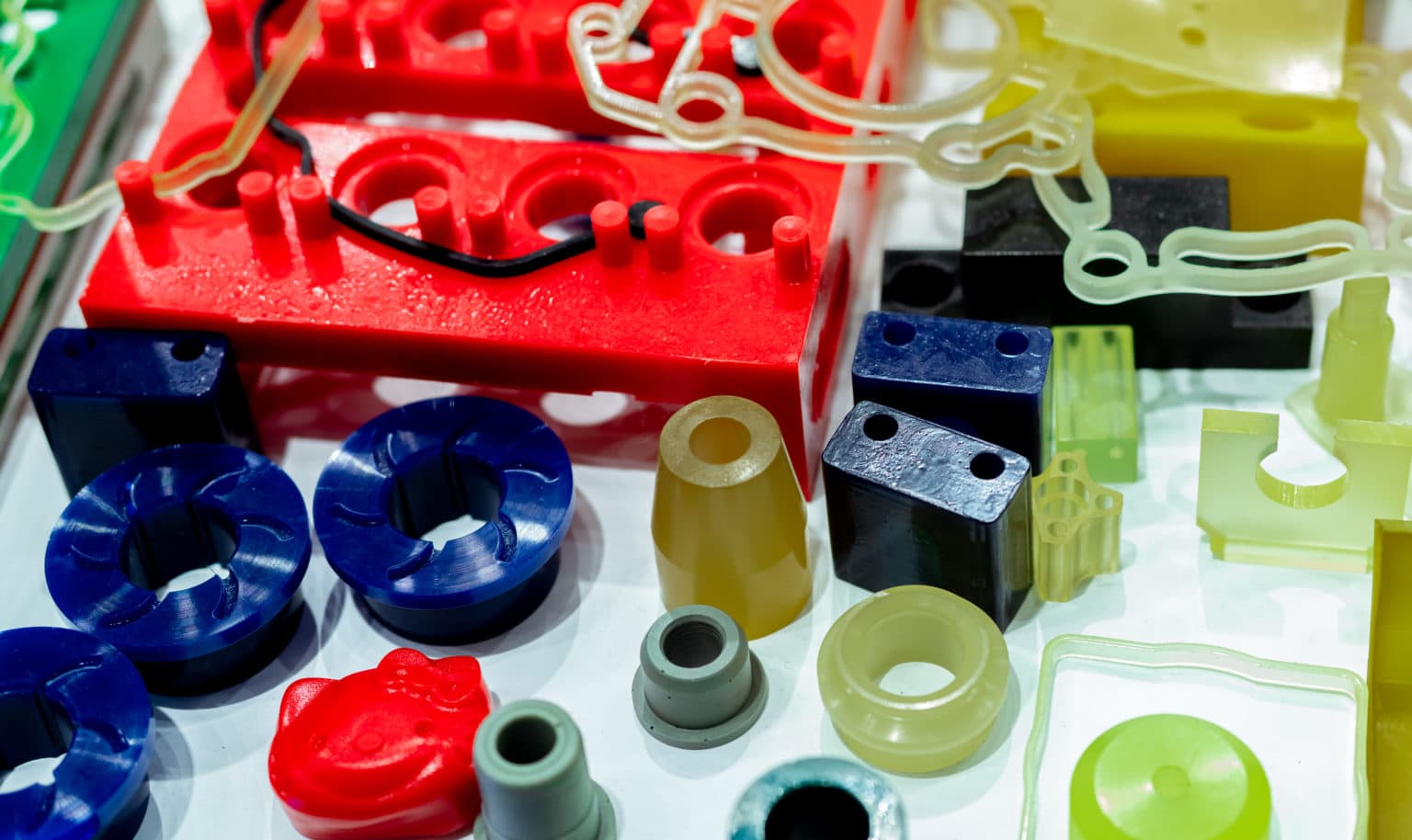
- Aliphatic polyurethane resin
- Thermosetting polyurethane resin
- Flexible polyurethane resin
Applications of Urethane Resin Casting
Urethane resin casting is used in various industries, including:
- Aerospace
- Automotive
- Medical
- Industrial
- Consumer goods
Comparison to 3D Printing
While 3D printing is a viable option for creating custom parts, urethane resin casting has several advantages, including:
- Higher accuracy and precision
- Better post-processing efficiency, clarity, and color pigment accuracy
- Lower tooling costs
- Quicker turnaround times
Conclusion
In conclusion, urethane resin casting is a versatile and cost-effective manufacturing and prototyping process that offers several advantages over traditional 3D printing. With its low-cost and quick turnaround time, high-quality production-grade parts, and ability to produce intricate details and complex geometries, urethane resin casting is an essential technology for manufacturers to have at their disposal. Whether you're a seasoned professional or a hobbyist, urethane resin casting is a process worth exploring for your next project.