Voluntary Carbon Market Growth: A Rising Tide of Sustainability
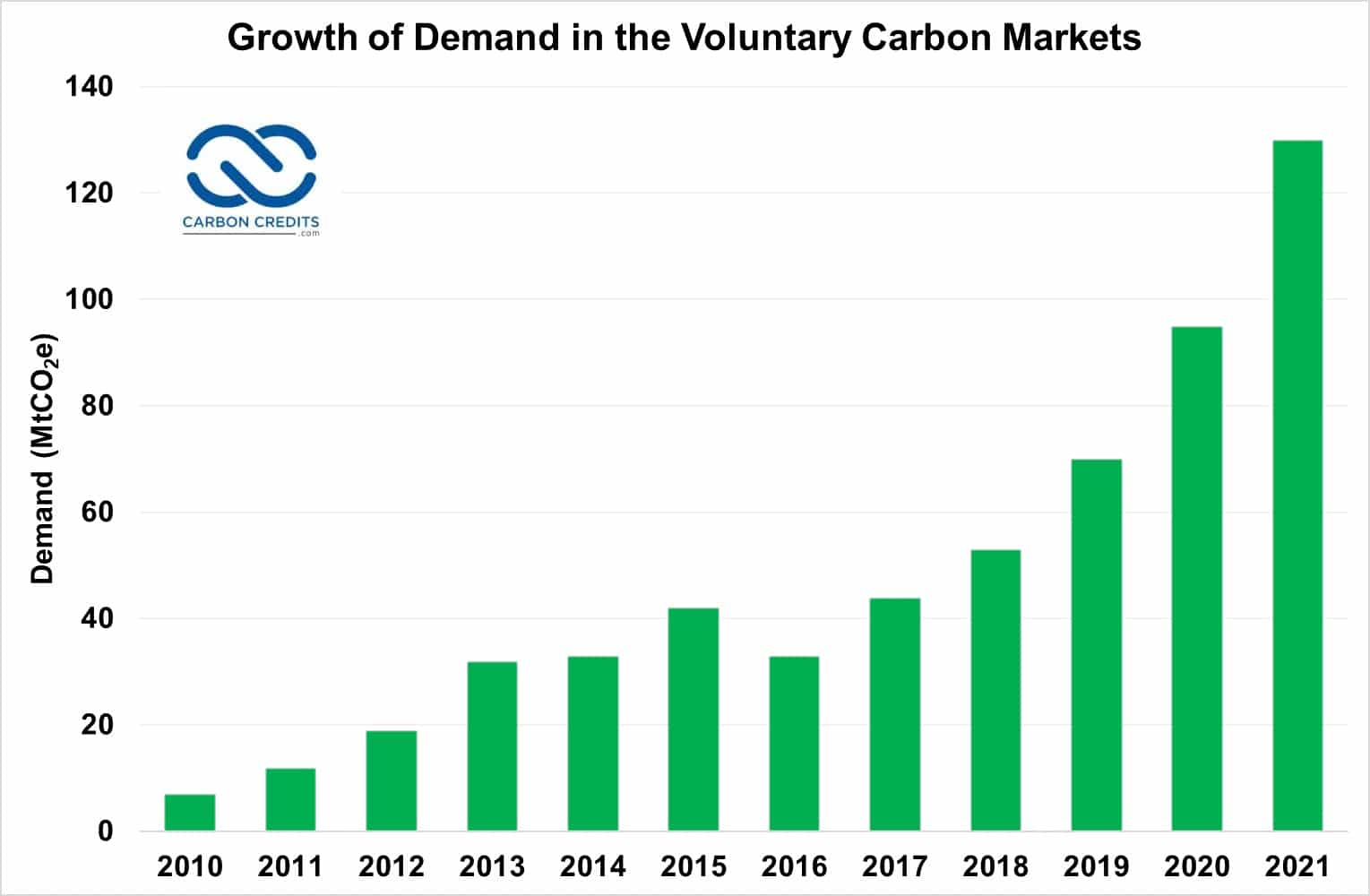
The world's economies are shifting rapidly towards a low-carbon future, driven by the need for climate action and corporate sustainability commitments. At the heart of this transformation lies the Voluntary Carbon Market (VCM), which is experiencing unprecedented growth.
Market Size and Growth Estimates
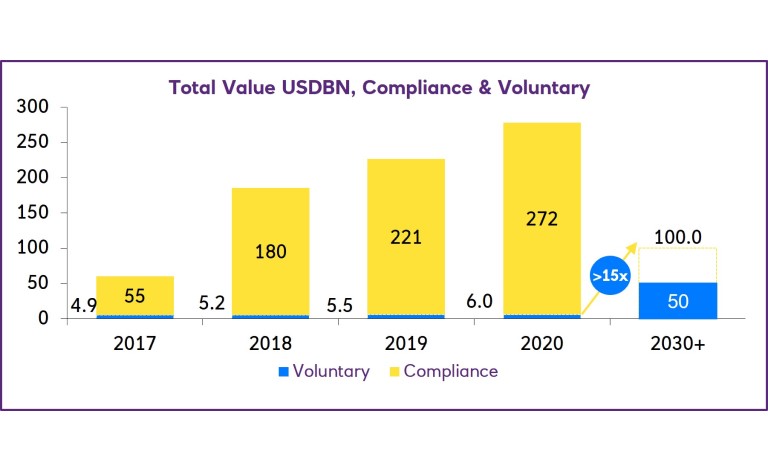
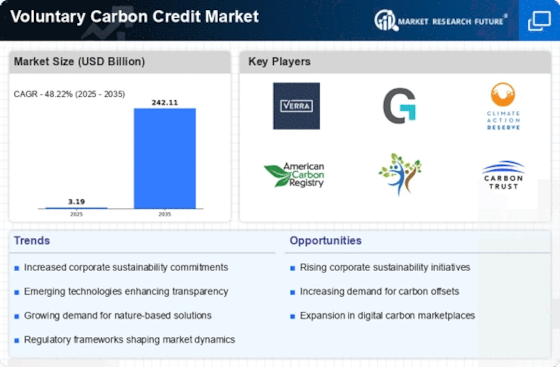
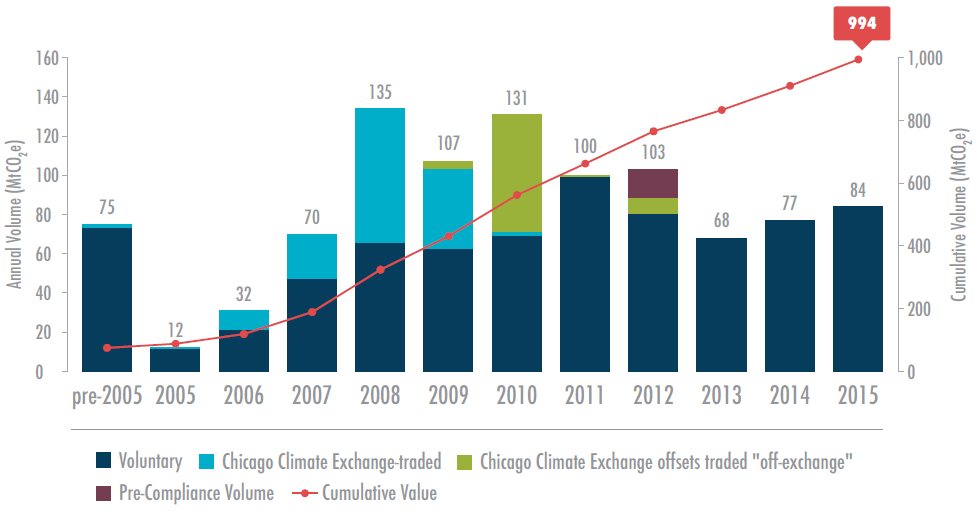
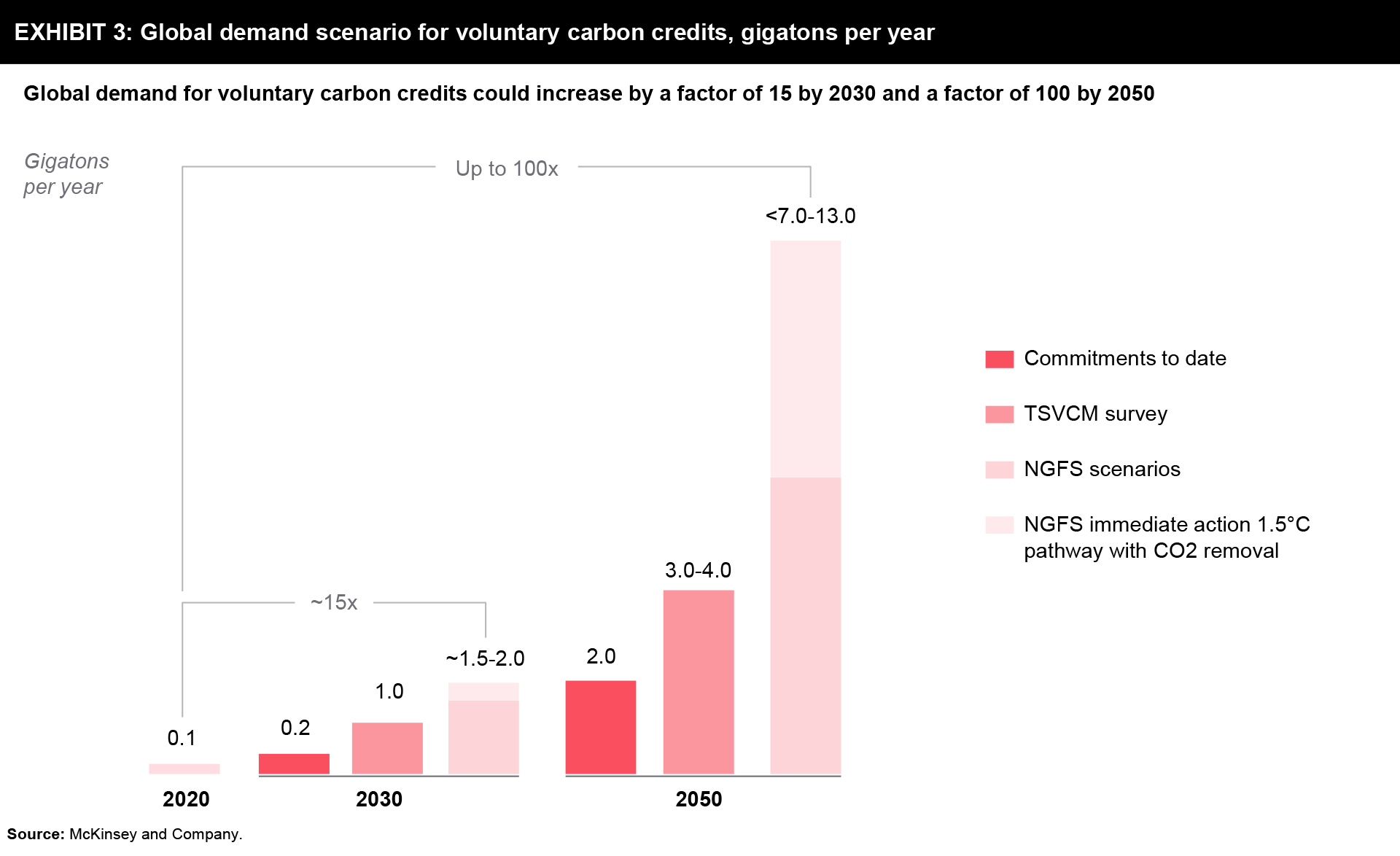
According to recent market research, the global voluntary carbon credit market was valued at USD 1.7 billion in 2024 and is estimated to grow at a Compound Annual Growth Rate (CAGR) of 25% from 2025 to 2034 [1]. This growth trajectory is expected to accelerate, reaching USD 11.5 billion by 2033, driven by heightened climate action and robust market demand.
Market Segmentation and Trends
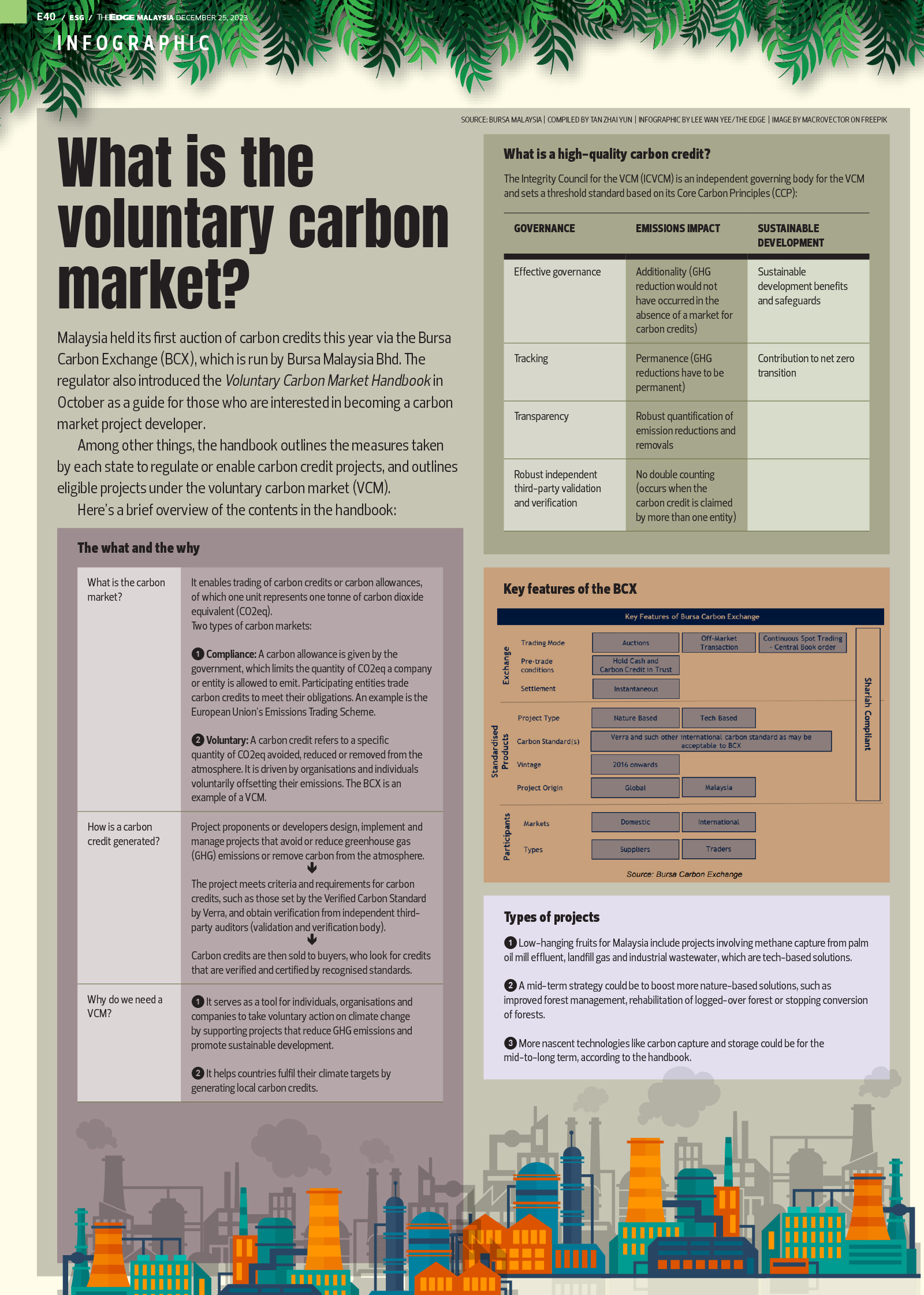
The voluntary carbon market is characterized by various transactions, including carbon reduction, carbon removal, and mixed transactions [2]. Forest conservation and restoration projects are gaining traction, as they offer a unique opportunity for carbon sequestration through reforestation and sustainable land management.
Key Players and Market Drivers
Major market players, such as the Intercontinental Exchange (ICE), Xpansiv, AirCarbon Exchange (ACX), and ESGCX, are shaping the market landscape by offering a range of carbon credit exchanges, compliance markets, and digital platforms [3]. These players are driving growth through strategic partnerships, investments in advanced measurement technologies, and market diversification.
Increasing Corporate Commitment to Sustainability
Corporations are increasingly pledging to achieve net-zero emissions, creating a surge in demand for high-quality carbon credits [4]. This shift is driving market growth, as companies seek to offset their remaining emissions through verified carbon removal projects and sustainable land use practices.
Nature-Based Solutions and Carbon Removal
Nature-based solutions, particularly forest conservation and restoration, are gaining traction in the voluntary carbon market [5]. These projects offer a unique opportunity for carbon sequestration, reduced emissions, and biodiversity conservation, making them an attractive option for environmentally conscious investors.
Market Growth Drivers
The voluntary carbon market is driven by a range of factors, including:
- Increasing corporate commitment to net-zero targets and sustainability practices
- Government regulations and policies supporting climate action
- Rising adoption of nature-based carbon removal solutions
- Expanding participation in voluntary carbon markets
- Improved measurement technologies and forecasting tools
Challenges and Opportunities

Despite the growth of the voluntary carbon market, challenges persist, including:
- Quality concerns and lack of standardization
- Supply-demand imbalance and price volatility
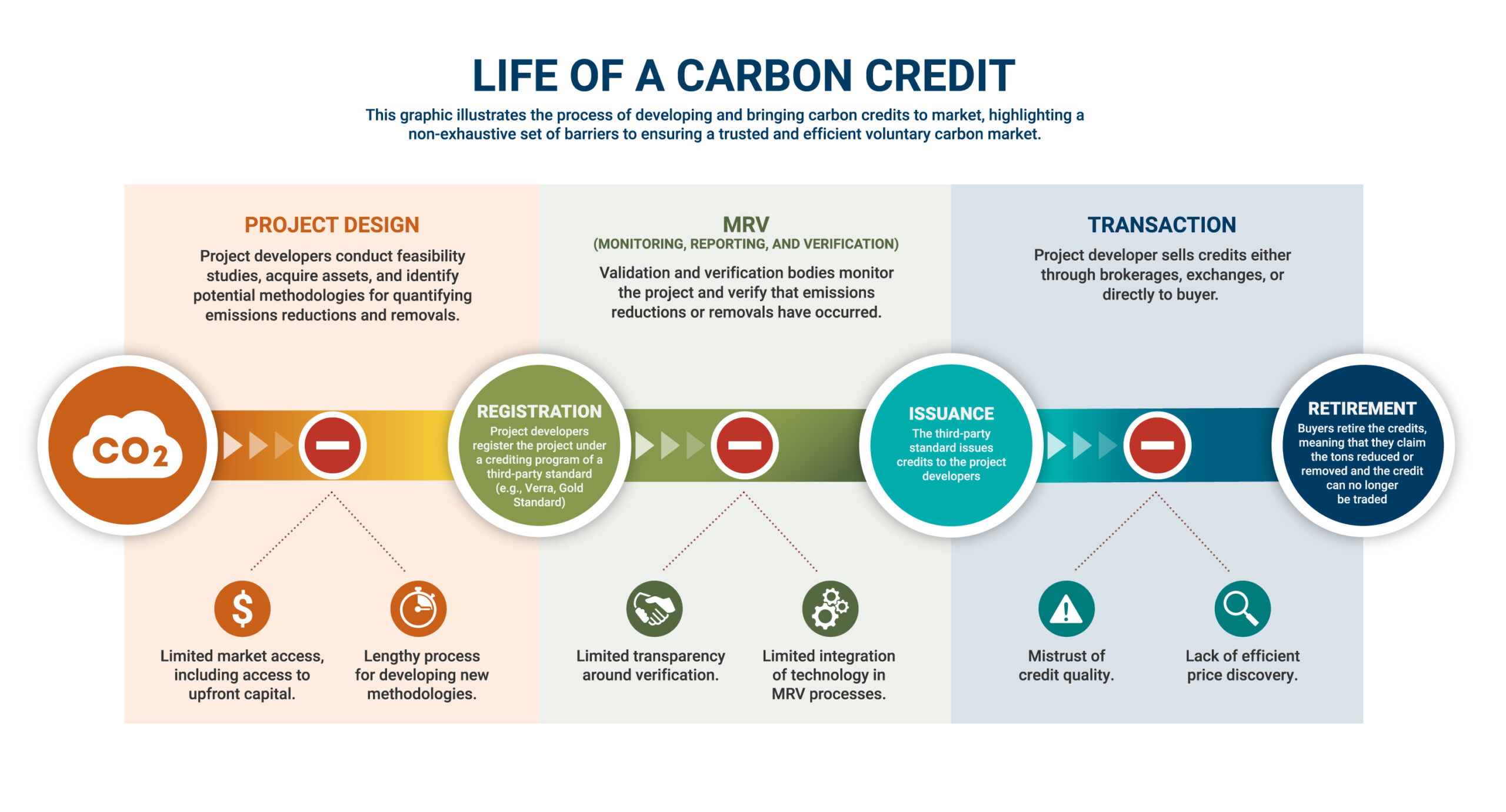
- Difficulty in verifying project impacts and emissions reductions
However, these challenges also present opportunities for innovation and growth, particularly in the areas of:
- Nature-based solutions and carbon removal
- High-integrity, short-term offsetting
- Next-generation digital marketplaces
- Improved measurement technologies
Conclusion
The voluntary carbon market is experiencing a perfect storm of growth, driven by increasing corporate commitment to sustainability, government regulations, and innovative nature-based solutions. As the market evolves, it is essential to address challenges and opportunities through collaboration, innovation, and strategic planning.
References:
[1] Example [2] Investopedia [3] Economist [4] Reuters [5] GreenbizJoin the Conversation:
Stay up-to-date with the latest developments in the voluntary carbon market by following reputable sources, attending industry events, and engaging with thought leaders on social media.