What to Avoid on a GLP-1 Diet Plan
If you're on a GLP-1 diet plan, you're likely aware of the importance of making healthy food choices. However, with the rise of these medications, it's essential to know what foods to avoid to minimize side effects, reduce the risk of nutrient deficiencies, and support sustainable weight loss.Common Foods to Avoid on a GLP-1 Diet Plan
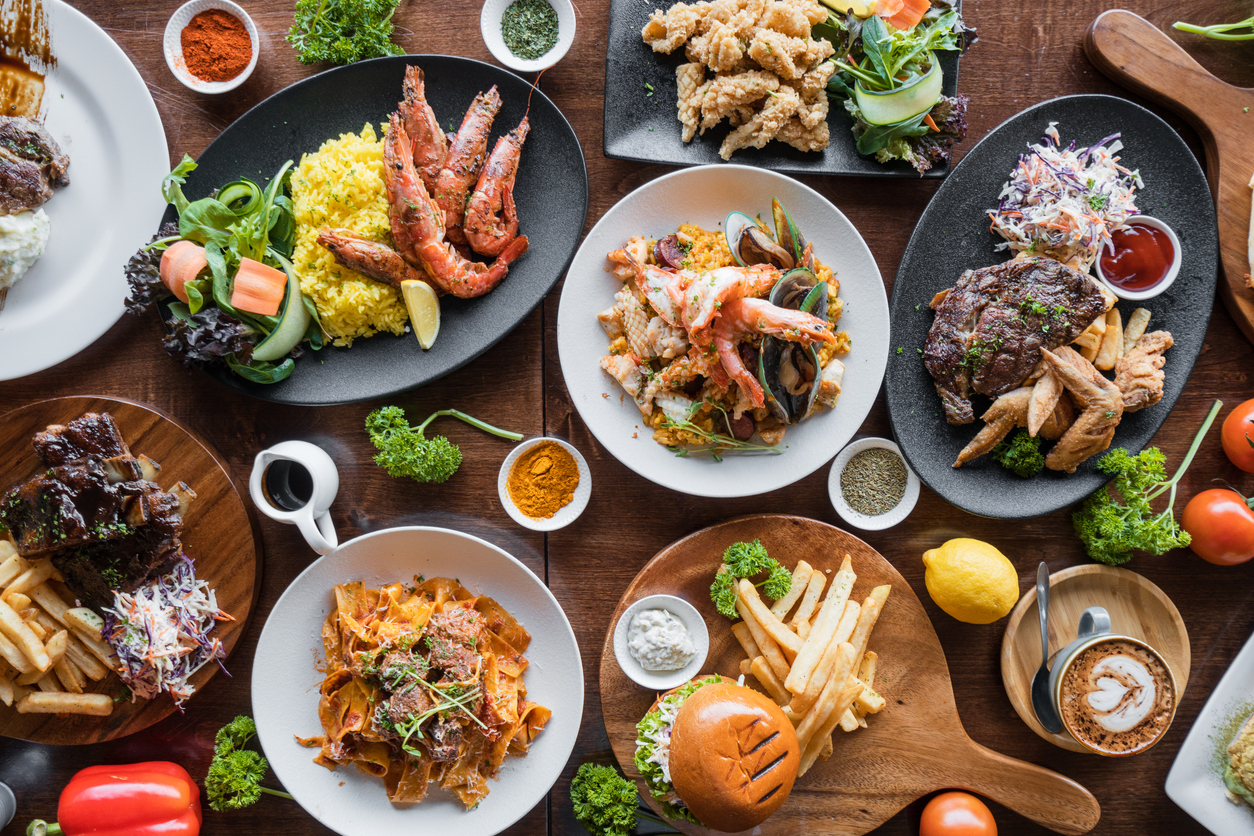
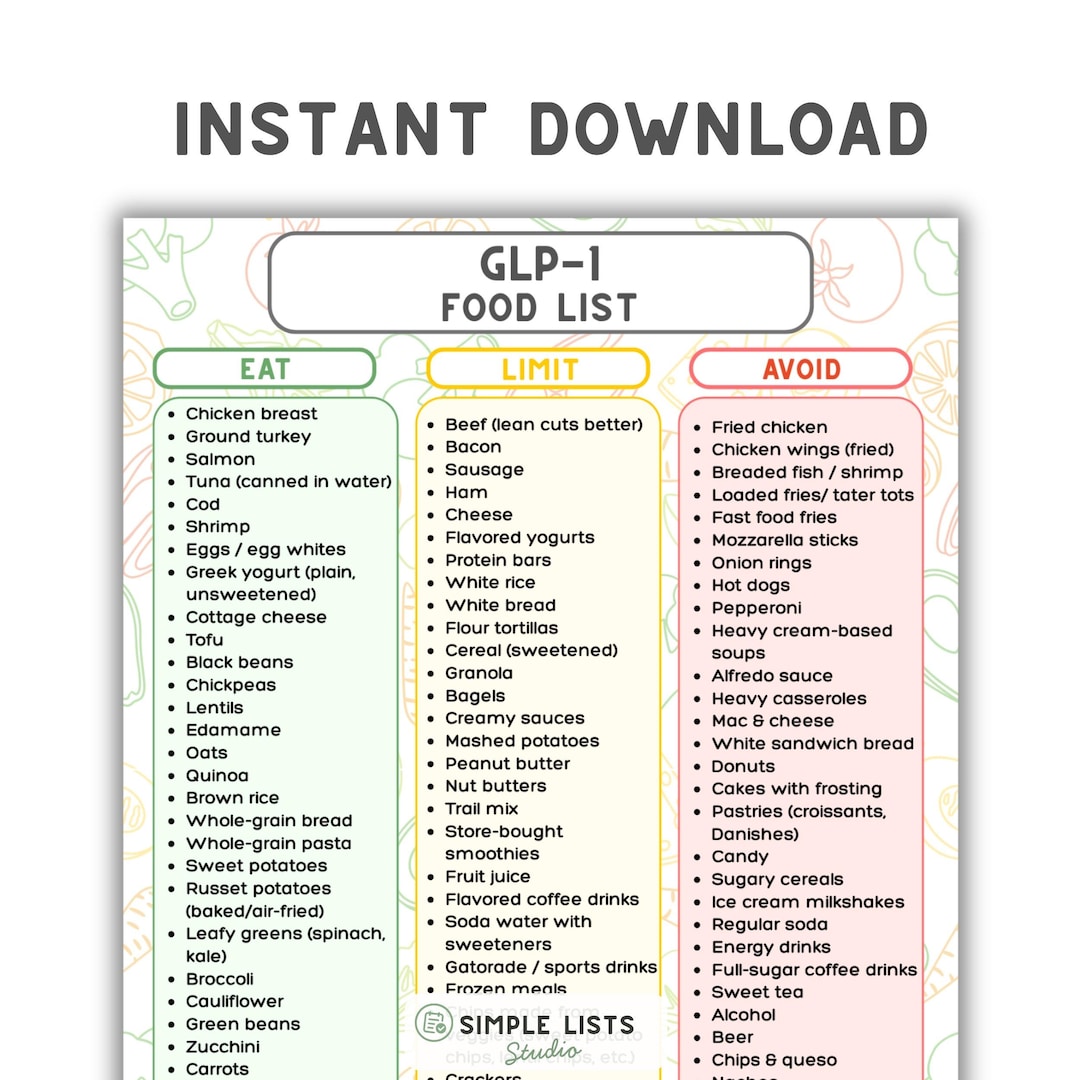
When following a GLP-1 diet plan, there are certain foods that you should limit or avoid altogether. These include:- High-Fat Foods: Greasy meals can exacerbate nausea and discomfort, making it challenging to stick to your diet. Opt for lean protein sources, like poultry, fish, and plant-based options.
- Sugary Drinks: Beverages high in sugar can cause a spike in blood sugar levels, leading to weight gain and increasing the risk of side effects. Instead, choose water, seltzer, or unsweetened tea.
- Processed Meats**: Processed meats like hot dogs, sausages, and bacon are high in saturated fat, sodium, and preservatives. These can worsen side effects and hinder weight loss.
- High-Fiber Foods in Excess**: While fiber is essential for digestion, consuming too much of it can lead to bloating, gas, and stomach discomfort. Gradually increase your fiber intake to give your body time to adjust.
- Carbonated Drinks**: Carbonated drinks, including soda and beer, can irritate the stomach, worsening nausea and discomfort.
- Hard-to-Digest Fruits and Vegetables**: Certain fruits and vegetables like beans, cabbage, and broccoli can be difficult to digest. If you experience discomfort, try alternative options or cook them to make them easier to digest.
- Spicy Foods**: Spicy foods can exacerbate nausea and heartburn, making it challenging to enjoy your meals. Opt for mild flavors and gradually increase the intensity if you're comfortable.
- Raw Onions and Garlic**: These can be harsh on the digestive system, leading to bloating, gas, and discomfort. Cook them to make them easier to digest.
Ways to Minimize Side Effects on a GLP-1 Diet Plan

- Eat Smaller, Frequent Meals**: Breaking down your food intake into smaller meals can reduce nausea and ease digestion.
- Stay Hydrated**: Adequate hydration is crucial for digestion, reducing the risk of constipation and nausea.
- Include Lean Protein and Fiber-Rich Foods**: This combination can help stabilize blood sugar levels, reduce symptoms, and promote satiety.
- Address Nutrient Deficiencies**: Consult with your healthcare provider or registered dietitian to identify potential nutrient deficiencies and develop a plan to address them.
- Monitor Your Sodium Intake**: High sodium levels can exacerbate bloating and discomfort. Limit processed and high-sodium foods to reduce the risk of side effects.
![GLP-1 Diet: Foods to Eat, Avoid & Sample Meal Plan [2026]](https://www.ivimhealth.com/wp-content/uploads/2024/12/protein-rich-glp1-foods.jpg "GLP-1 Diet: Foods to Eat, Avoid & Sample Meal Plan [2026]")