Teaching Anxiety Relief Mindfulness for Kids: A Comprehensive Guide
Mindfulness is a powerful tool for kids struggling with feelings of anger and anxiety. By incorporating mindfulness into your child's daily routine, you can help them develop essential life skills, such as emotional regulation, self-awareness, and self-esteem. In this article, we'll explore the benefits of anxiety relief mindfulness for kids, provide practical tips for introducing mindfulness activities, and share engaging resources to help your child manage stress and anxiety.
Benefits of Anxiety Relief Mindfulness for Kids
- Improved emotional regulation: Mindfulness helps kids recognize, understand, and manage their emotions in a healthy way.
- Increased self-awareness: By practicing mindfulness, kids develop a greater understanding of themselves, their thoughts, and their feelings.
- Enhanced self-esteem: Mindfulness activities help kids build confidence and develop a positive self-image.
- Reduced stress and anxiety: Regular mindfulness practice can calm the mind and body, reducing feelings of stress and anxiety.
Introducing Mindfulness Activities for Kids
Introducing mindfulness activities to kids can be a fun and engaging experience. Here are some practical tips to get you started:
- Start with short sessions: Begin with brief mindfulness activities, such as a 5-minute breathing exercise, to keep your child engaged and focused.
- Make it interactive: Engage your child with interactive mindfulness activities, such as guided meditation, visualization, or sensory play.
- Use creative resources: Utilize fun and interactive resources, such as coloring books, puzzles, or games, to teach mindfulness skills.
- Practice together: Practice mindfulness activities with your child to model behaviors and create a sense of unity.
Engaging Resources for Anxiety Relief Mindfulness for Kids

There are many engaging resources available to help your child develop anxiety relief mindfulness skills. Here are some creative and educational resources to consider:
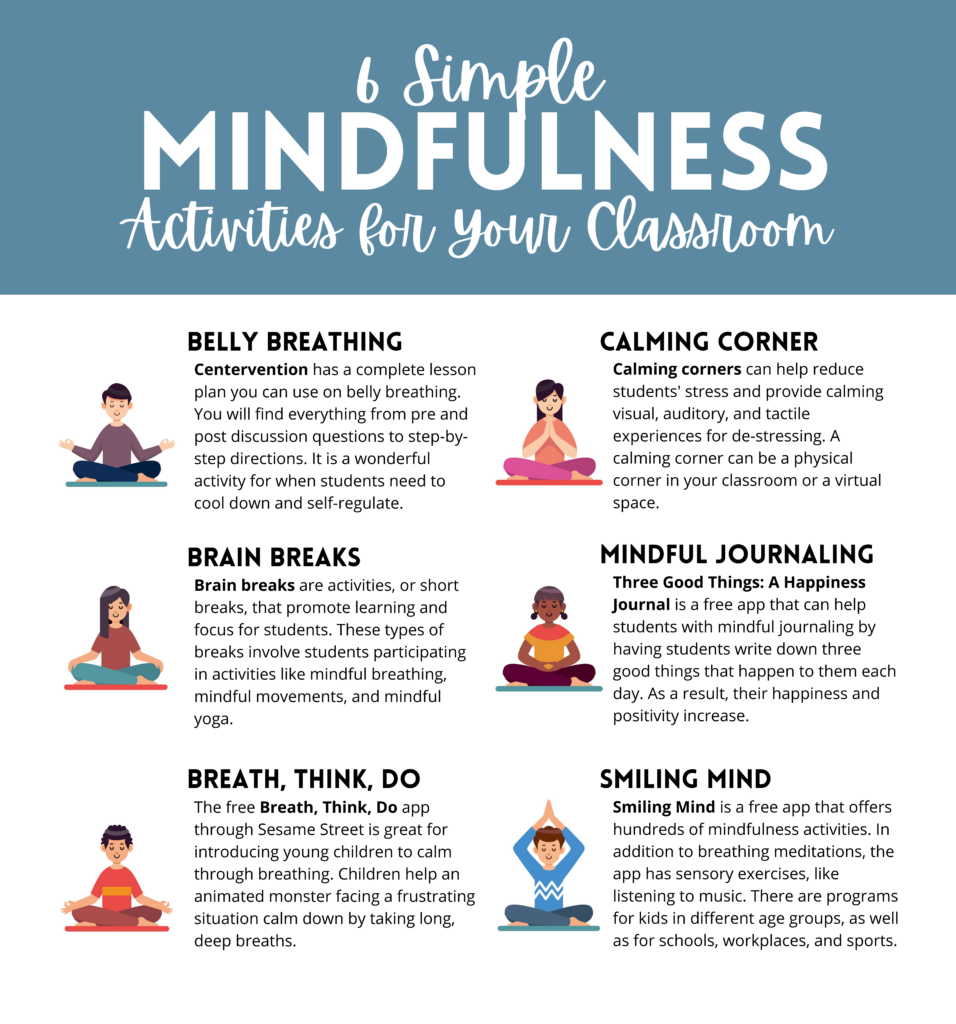
- Coloring books and activity sheets: Utilize fun and interactive coloring books, puzzle books, and activity sheets to teach mindfulness skills.
- Mindfulness apps and games: Explore mobile apps and online games that teach mindfulness skills, such as breathing exercises, meditation, or sensory play.
- Guided meditation and audio resources: Utilize guided meditation and audio resources, such as videos, podcasts, or audiobooks, to teach mindfulness skills.
- Sensory toys and materials: Engage your child with sensory toys, such as playdough, slime, or sensory balls, to teach mindfulness skills through tactile exploration.
Grounding Techniques for Anxiety Relief for Kids
Grounding techniques are helpful tools for kids to manage anxiety and overwhelm. By providing a sense of calm and focus, grounding techniques can be an effective way to reduce stress and anxiety. Here are some grounding techniques to consider:
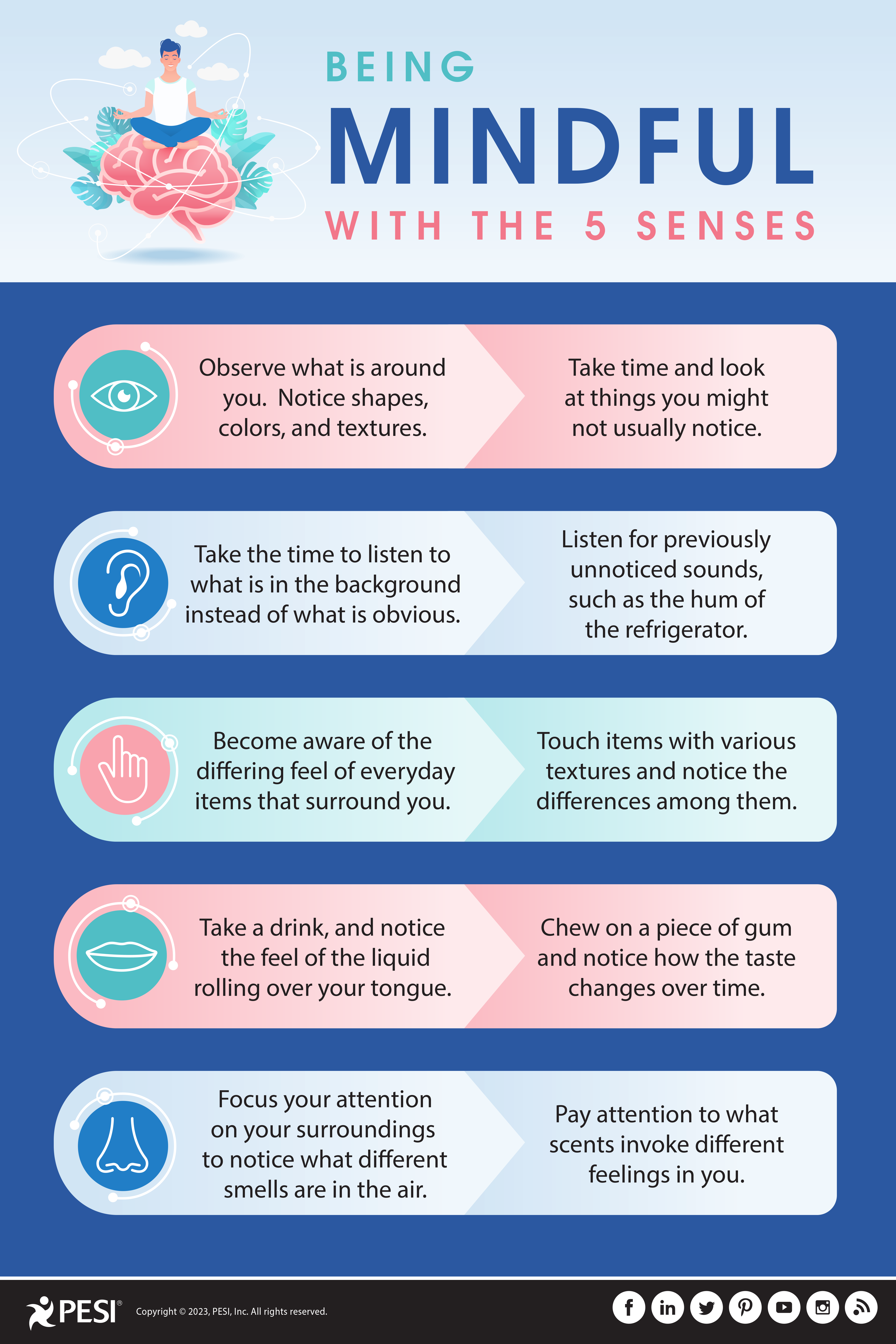
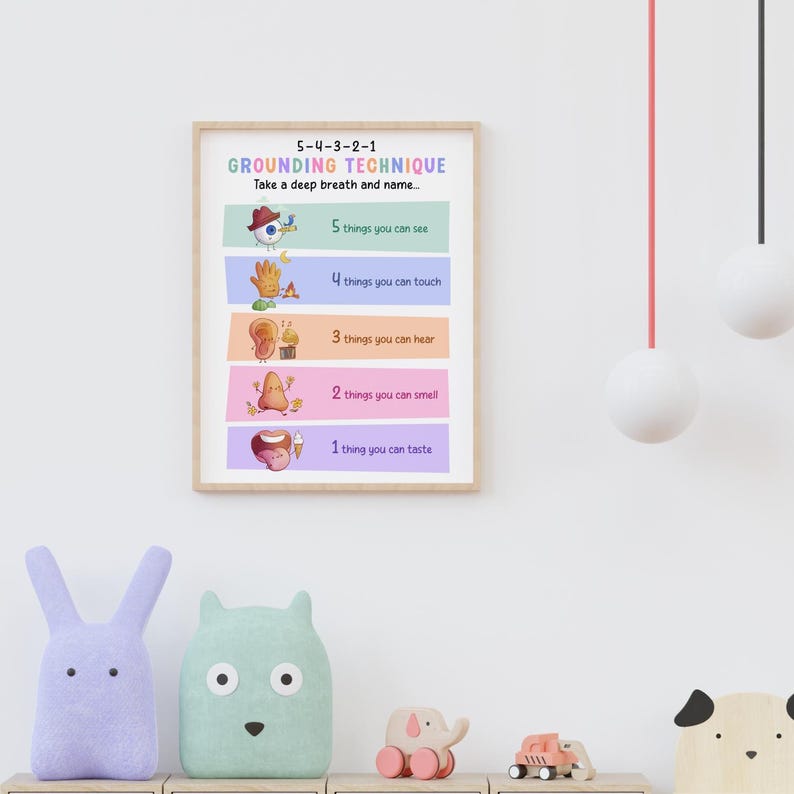
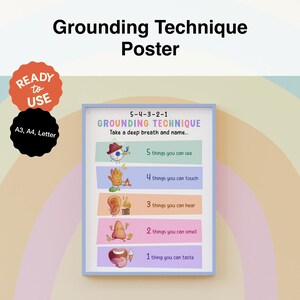
- 5-4-3-2-1 Grounding Method: This technique involves noticing five things you can see, four things you can touch, three things you can hear, two things you can smell, and one thing you can taste.
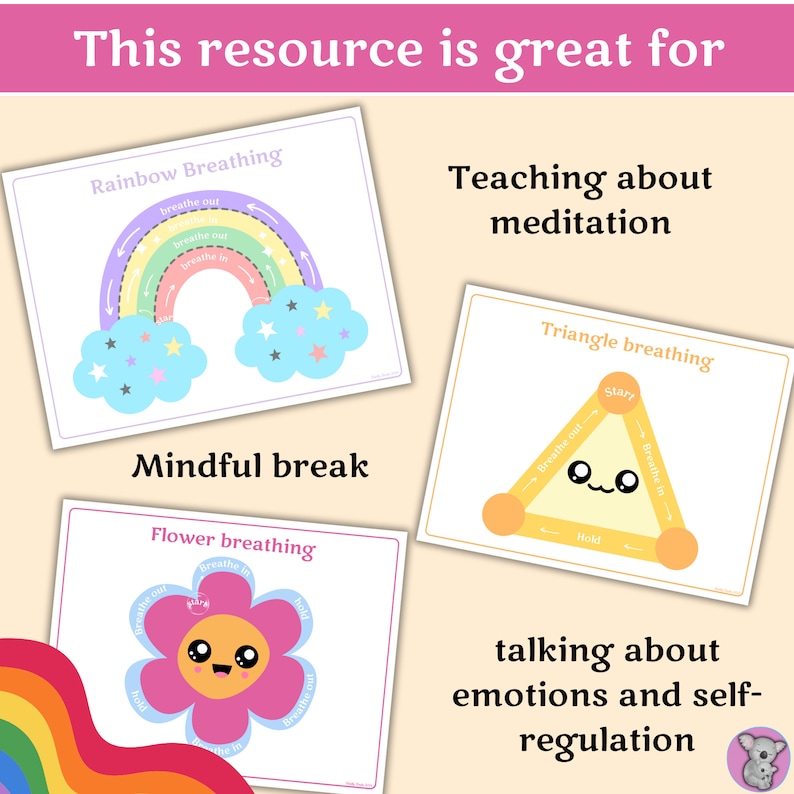
- Deep breathing exercises: Teach your child to breathe deeply and slowly, focusing on the sensation of the breath moving in and out of the body.
- Progressive muscle relaxation: Guide your child to relax different muscle groups, starting with their toes and moving up to their head.
- Mindful walking: Encourage your child to walk slowly and intentionally, paying attention to the sensation of their feet touching the ground.
Conclusion
Anxiety relief mindfulness for kids is an essential tool for developing emotional regulation, self-awareness, and self-esteem. By incorporating mindfulness activities and grounding techniques into your child's daily routine, you can help them manage stress and anxiety in a healthy and effective way. Remember to start with short sessions, engage your child with interactive resources, and practice mindfulness activities together to create a sense of unity and support.