The Benefit of Following a Low-Carb Diet
Deciding to follow a low-carb diet can be a daunting task, especially with the wealth of information available online. However, the benefits of such a diet extend beyond mere weight loss and can have a significant impact on our overall health and well-being.
What is a Low-Carb Diet?
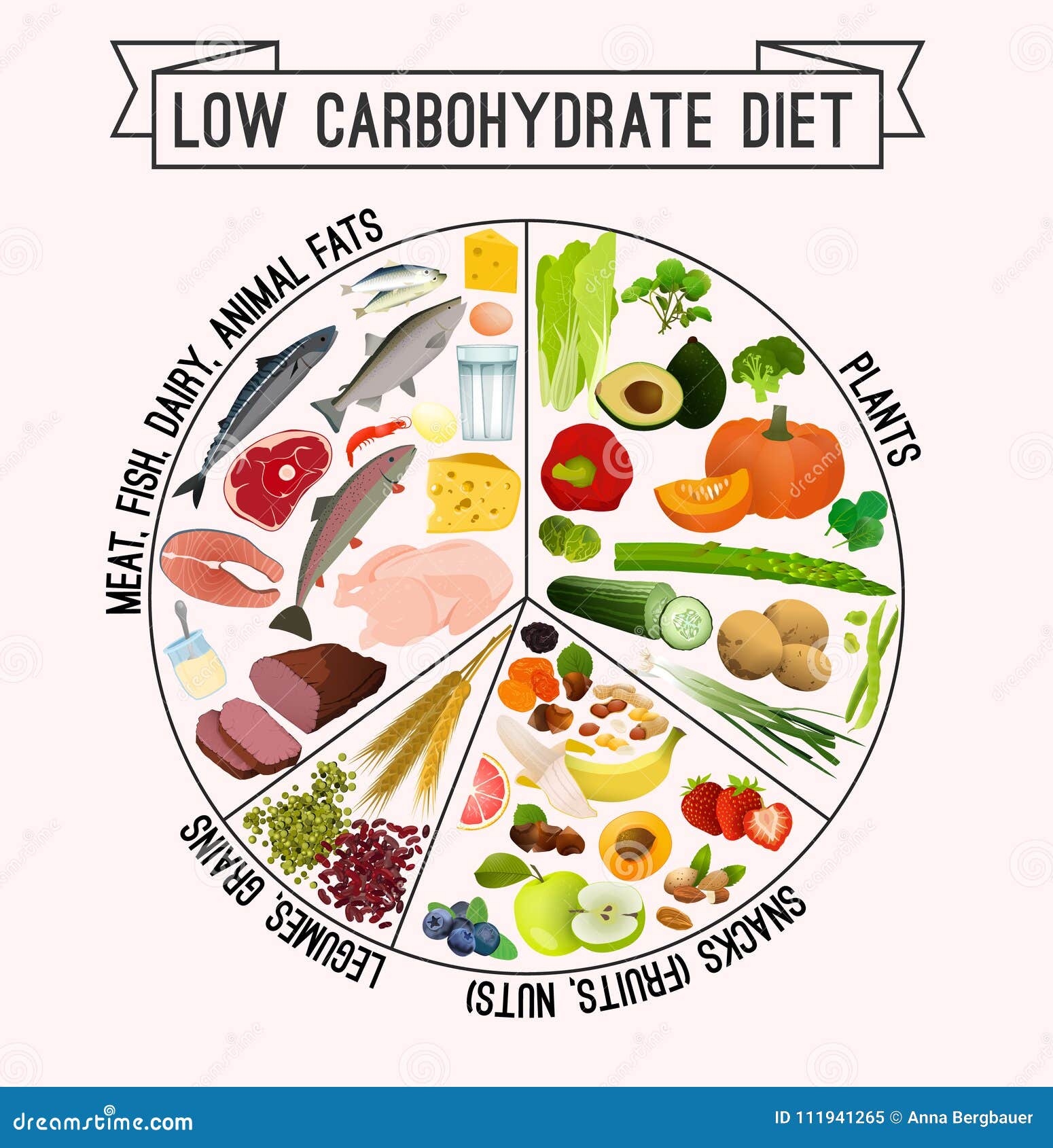
A low-carb diet is a dietary approach that restricts the intake of carbohydrates, such as those found in bread, pasta, fruit, and sugary foods. This type of diet often involves replacing carbohydrates with increased intake of fat and protein, particularly animal products, to promote weight loss, improve blood sugar control, and increase energy levels.
The Benefits of a Low-Carb Diet
Research has shown that low-carb diets can lead to dramatic weight loss and improvements in most major risk factors for heart disease and diabetes. One of the primary benefits of a low-carb diet is its potential for weight loss. By reducing carbohydrate intake, the body is forced to use its fat stores for energy, resulting in weight loss. Additionally, low-carb diets have been shown to improve triglycerides and HDL levels, reduce blood pressure, and decrease the risk of type 2 diabetes.
- Weight Loss and Metabolic Health: One of the most significant benefits of a low-carb diet is its potential for weight loss. By reducing carbohydrate intake, the body uses its fat stores for energy, resulting in weight loss.
- Improved Blood Sugar Control: Low-carb diets have been shown to improve blood sugar control and reduce the risk of type 2 diabetes.
- Increased Energy: Low-carb diets often lead to increased energy levels, as the body begins to burn fat for fuel instead of carbohydrates.
- Improved Triglycerides and HDL Levels: Low-carb diets have been shown to improve triglycerides and HDL levels, reducing the risk of heart disease.
- Reduced Blood Pressure: Low-carb diets have been shown to reduce blood pressure, decreasing the risk of heart disease and stroke.
- Improved Mental Health: Some research suggests that low-carb diets may also have a positive impact on mental health, reducing symptoms of anxiety and depression.
Types of Low-Carb Diets
There are several types of low-carb diets, each with its unique approach and benefits. Some of the most popular low-carb diets include:
- Atkins Diet: A low-carb diet that involves a gradual reduction in carbohydrate intake over several phases.
- Keto Diet: A high-fat, low-carb diet that aims to induce a state of ketosis, in which the body burns fat for fuel instead of carbohydrates.
- Paleo Diet: A diet that focuses on whole, unprocessed foods, eliminating grains, legumes, and added sugars.
- South Beach Diet: A diet that restricts the intake of carbohydrates, added sugars, and saturated fats, promoting weight loss and improved health.
How to Follow a Low-Carb Diet
Following a low-carb diet can be relatively easy once you understand the basic principles. Here are some tips to help you get started:
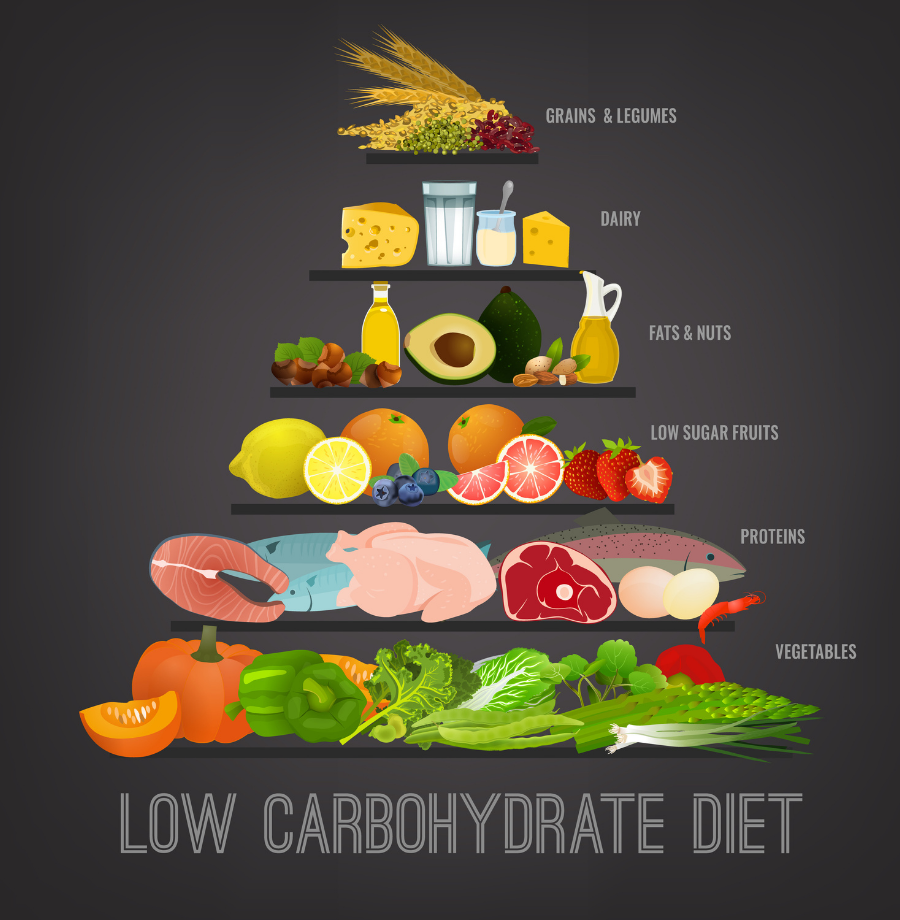
- Choose whole, unprocessed foods: Focus on whole, unprocessed foods, such as meats, fish, eggs, vegetables, and nuts.
- Limit carbohydrate intake: Restrict the intake of carbohydrates, such as bread, pasta, fruit, and sugary foods.
- Increase fat intake: Increase the intake of healthy fats, such as avocado, olive oil, and nuts.
- Choose low-carb protein sources: Choose protein sources that are low in carbohydrates, such as fish, eggs, and lean meats.
- Monitor your portion sizes: Monitor your portion sizes to ensure you are not consuming too many carbohydrates.
Conclusion
A low-carb diet can have a significant impact on our overall health and well-being. By reducing carbohydrate intake, we can promote weight loss, improve blood sugar control, increase energy levels, and reduce the risk of heart disease and type 2 diabetes. Remember to choose whole, unprocessed foods, limit carbohydrate intake, increase fat intake, and choose low-carb protein sources to reap the benefits of a low-carb diet.



.png "10 Health Benefits of Low-Carb and Ketogenic Diets")