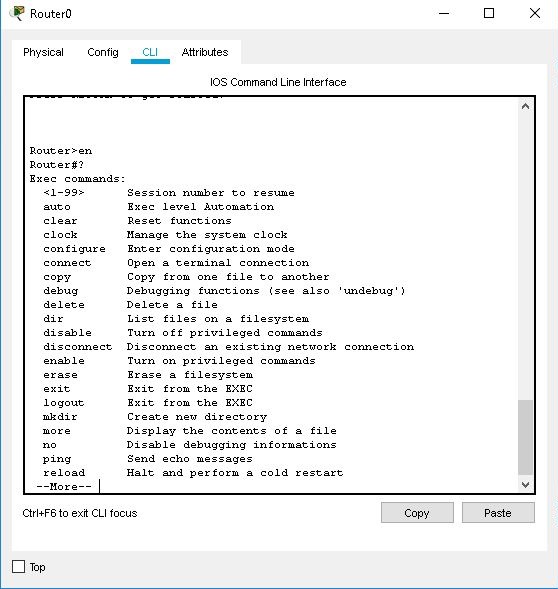
Cisco Router Configuration Commands: A Comprehensive Guide
Cisco routers are a crucial part of any network infrastructure, and configuring them correctly is essential for ensuring efficient and secure data transmission. In this article, we'll explore the world of Cisco router configuration commands, covering the basics and advanced features to help you become a proficient network engineer.
Understanding Cisco Router Configuration Modes
Before diving into the commands themselves, it's essential to understand the different configuration modes available in Cisco routers. The three primary modes are:
- Global Configuration Mode: This mode allows you to configure settings that apply to the entire router, such as hostname, banner, and clock settings.
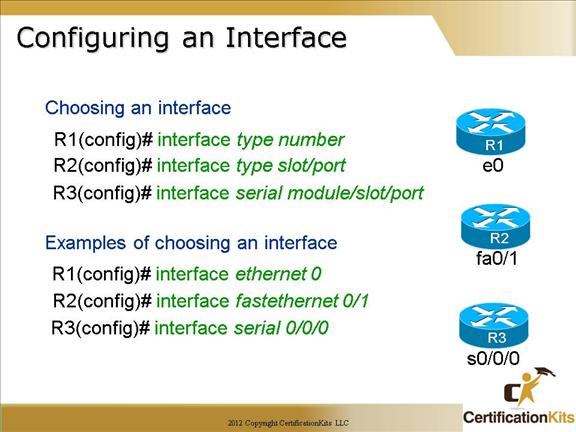
: This mode enables you to configure settings specific to individual interfaces, such as IP addressing, subnet masks, and descriptions. - : This mode allows you to configure settings related to routing protocols, such as routing IP, OSPF, and EIGRP.
Basic Interface Configuration Commands
Here are some essential interface configuration commands to get you started:
- description: Provides a description for the interface, making it easier to identify and troubleshoot.
- ip address: Assigns an IP address and subnet mask to the interface.
- no shutdown: Enables the interface, allowing it to come up and start forwarding traffic.
- clock rate: Sets the clock rate for the interface, usually used for serial interfaces.
Advanced Interface Configuration Commands
As you progress in your networking journey, you'll encounter more advanced interface configuration commands. Here are a few examples:
- duplex auto: Enables the interface to automatically adjust the duplex setting.
- speed auto: Enables the interface to automatically adjust the speed setting.
- bandwidth: Sets the bandwidth for the interface, usually used for bandwidth prioritization.
- ip access-group: Applies an access control list (ACL) to the interface, filtering traffic based on specific rules.
Routing Protocol Configuration Commands

Routing protocols are the backbone of any network, and configuring them correctly is crucial for efficient routing. Here are some essential routing protocol configuration commands:
- router rip: Enables the RIPv2 routing protocol on the router.
- router eigrp: Enables the EIGRP routing protocol on the router.
- network: Configures the network statement, specifying the networks to be advertised by the routing protocol.
- metric: Sets the metric for the routing protocol, usually used for adjusting routing priorities.
Security Configuration Commands
Security is a top priority for any network, and configuring the router with security features is essential. Here are some essential security configuration commands:
- banner motd: Displays a message of the day (MOTD) on the console and login banners.
- enable password: Sets the enable password, requiring authentication to access privileged EXEC mode.
- aaa new-model: Enables the AAA (Authentication, Authorization, and Accounting) server, allowing users to authenticate using various methods.
- ip http secure-server: Enables HTTPS access to the router's web interface, securing traffic with SSL/TLS encryption.
Additional Tips and Resources
Staying up-to-date with the latest Cisco router configuration commands is essential for any network engineer. Here are some additional tips and resources to help you on your journey:
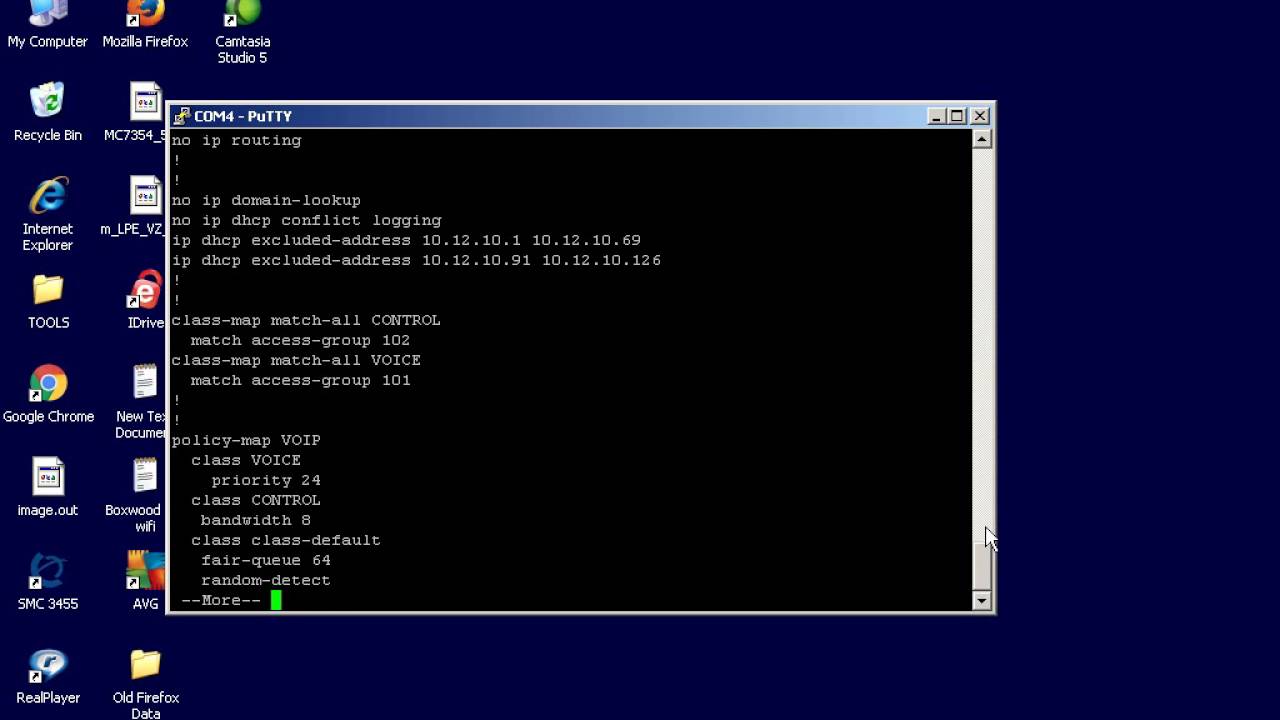
- Use the show running-config command to view the current configuration of the router.
- Use the copy running-config startup-config command to save the current configuration to the startup configuration.
- Visit the Cisco website for the latest documentation, tutorials, and training resources.
- Participate in online communities, such as the Cisco Support Community, to connect with other network engineers and learn from their experiences.
Conclusion
Cisco router configuration commands are an essential part of any network engineer's toolkit. From basic interface configuration to advanced routing protocol and security configuration, understanding these commands will take your networking skills to the next level. Remember to stay curious, keep learning, and experiment with different commands to become proficient in configuring Cisco routers.