Designing a Keyword Research Strategy: Unlocking Your Online Success
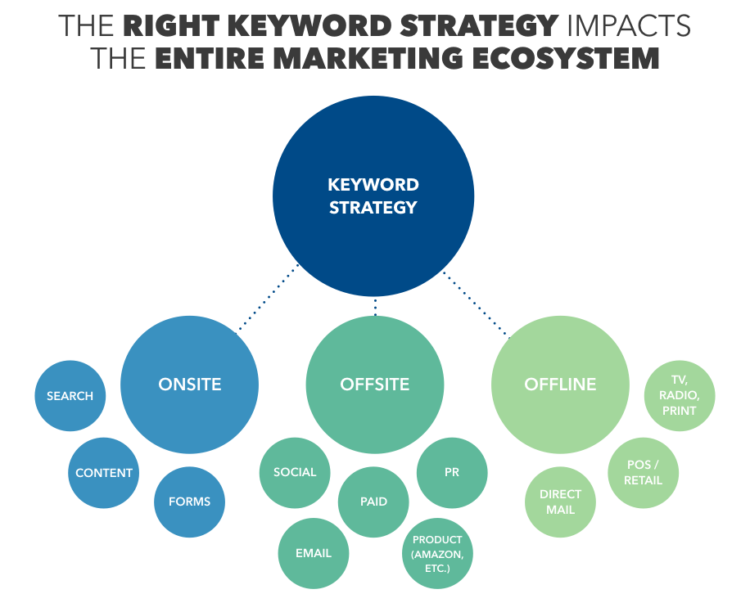
As the digital landscape continues to evolve, a well-designed keyword research strategy is more crucial than ever for businesses and content creators looking to stand out online. With millions of people conducting search queries every day, keyword research is the foundation that helps align your website with your customer's search intentions.
The Importance of Keyword Research in Your SEO Strategy
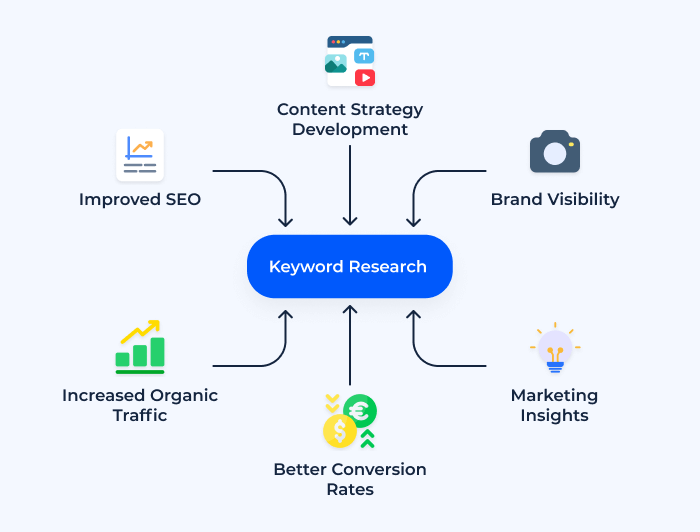
Keyword research is the critical first step of any successful SEO campaign. It's a process that helps you identify the terms and phrases your target audience is searching for, enabling you to create content that ranks high on search engines and drives relevant traffic to your site. Without a list of keywords, it's hard (or impossible) to create content that's designed to rank in search engines.
Designing a Keyword Research Strategy
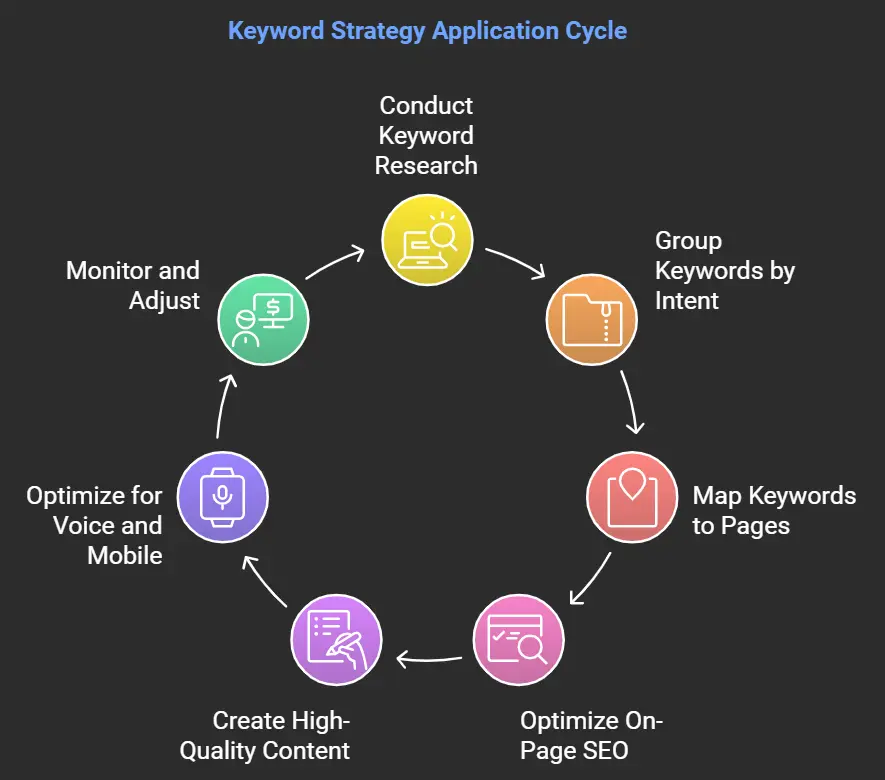
The process of designing a keyword research strategy involves several key steps:
- Identify Your Target Audience: Understand your customers' search queries, preferences, and behaviors.
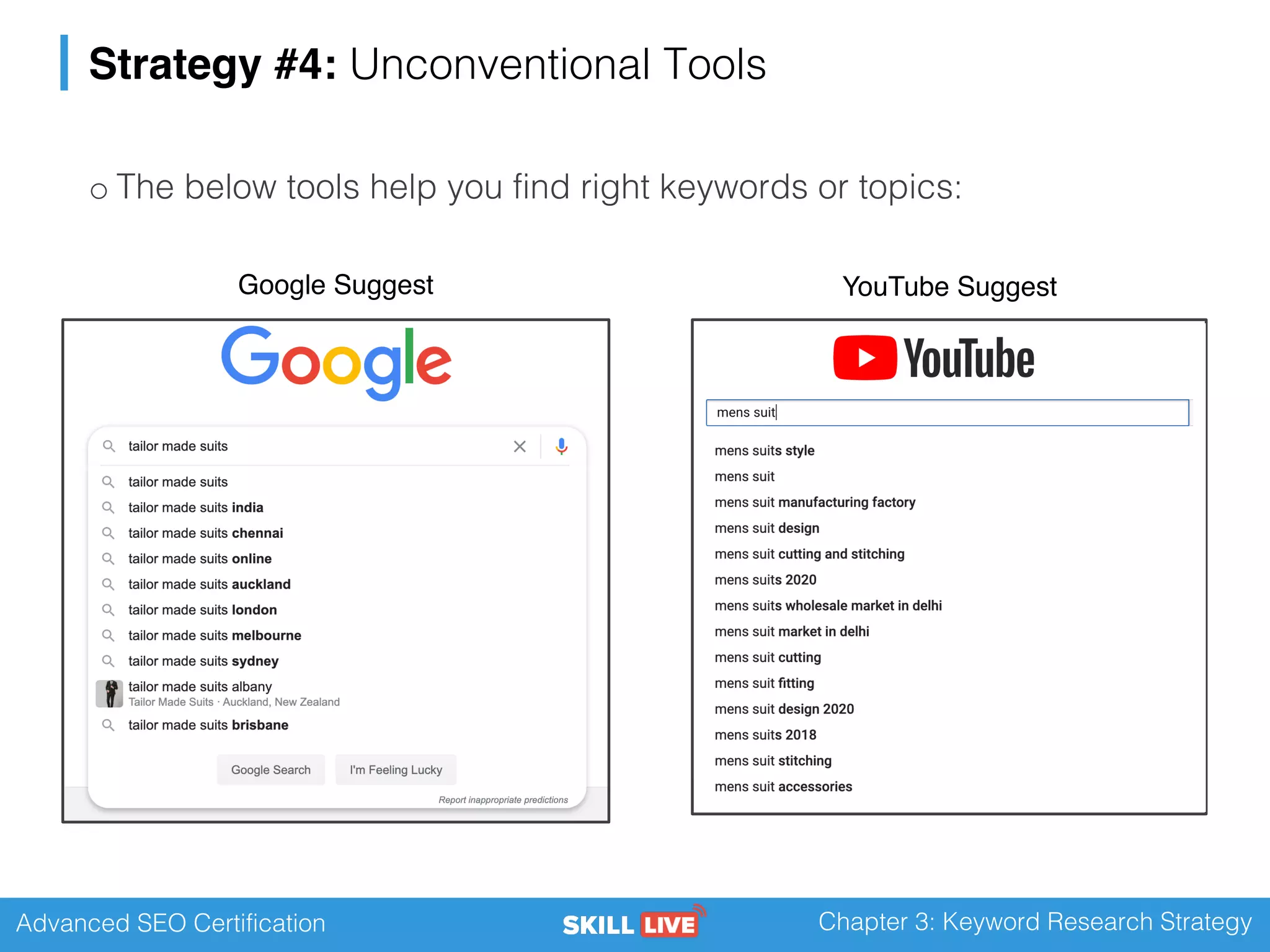
- Conduct Comprehensive Keyword Research: Use tools like Ahrefs' Keyword Explorer, Google Keyword Planner, or free keyword generators to uncover valuable keywords.
- Group and Analyze Keywords: Categorize your keywords into groups based on themes, intents, and difficulties.
- Optimize Your Content: Create high-quality, engaging content that incorporates your target keywords naturally.
- Monitor and Refine Your Strategy: Continuously monitor your keyword performance and refine your strategy to achieve better results.
Tools and Resources for Effective Keyword Research

While designing a keyword research strategy requires effort and expertise, the right tools and resources can make the process much smoother. Some of the essential tools for keyword research include:
- Ahrefs' Keyword Explorer: A comprehensive keyword research tool that offers advanced features, such as SERP analysis, keyword clustering, and backlink analysis.
- Google Keyword Planner: A free tool that provides keyword suggestions, search volume estimates, and cost-per-click data.
- SEMRush: An all-in-one digital marketing tool that offers keyword research, competitor analysis, and technical SEO audits.
Best Practices for Keyword Research
When designing a keyword research strategy, it's essential to follow best practices to ensure you get the best results:
- Focus on High-Quality Content: Aim for well-written, engaging content that provides value to your target audience.
- Use Relevant and Specific Keywords: Target keywords that are closely related to your product or service, and have a high search volume.
- Monitor and Refine Your Strategy: Continuously monitor your keyword performance and refine your strategy to achieve better results.
- Use Keyword Clustering and Grouping: Categorize your keywords into groups based on themes, intents, and difficulties to improve content optimization.
Conclusion
Designing a keyword research strategy is a critical step in achieving online success. By following the key steps outlined in this article, leveraging essential tools and resources, and adopting best practices, you can create a well-designed keyword research strategy that helps you rank higher, drive more traffic, and attract your target audience. Remember, keyword research is an ongoing process that requires continuous effort and optimization to achieve the best results.