Export Licensing and Rules: A Comprehensive Guide for Businesses
If you're a business owner who exports products or services to foreign countries, you're aware of the importance of complying with regulations and rules. Export licensing and rules are complex and constantly evolving, and violating them can result in severe penalties and reputational damage.
The Basics of Export Licensing and Rules
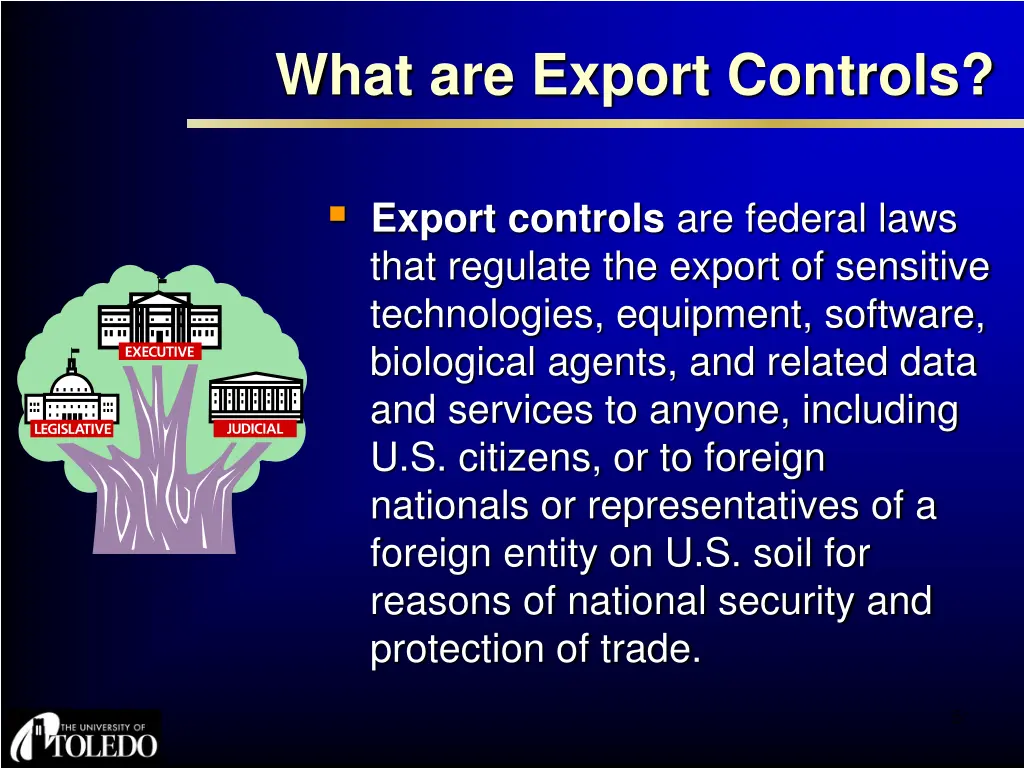
Export licensing and rules are set by governments to regulate the export of certain goods, software, and technology to foreign destinations. The regulations aim to protect national security, prevent proliferation, and ensure that exports don't harm the environment or local communities.
Three Key Agencies Involved in Export Regulations
- The U.S. Customs and Border Protection (CBP)
- The Bureau of Industry and Security (BIS)
- The Department of Commerce
Each of these agencies plays a crucial role in regulating exports and ensuring compliance with regulations.
The 95 Percent Myth: Understanding Deemed Exports
The 95 percent myth suggests that 95 percent of exports don't require a license. However, this is only partially true. Deemed exports, which include research and development collaborations, testing, and training, may require licenses, even if the exported item is not specifically listed on the Commerce Control List.
Determining Jurisdiction: ITAR or EAR?
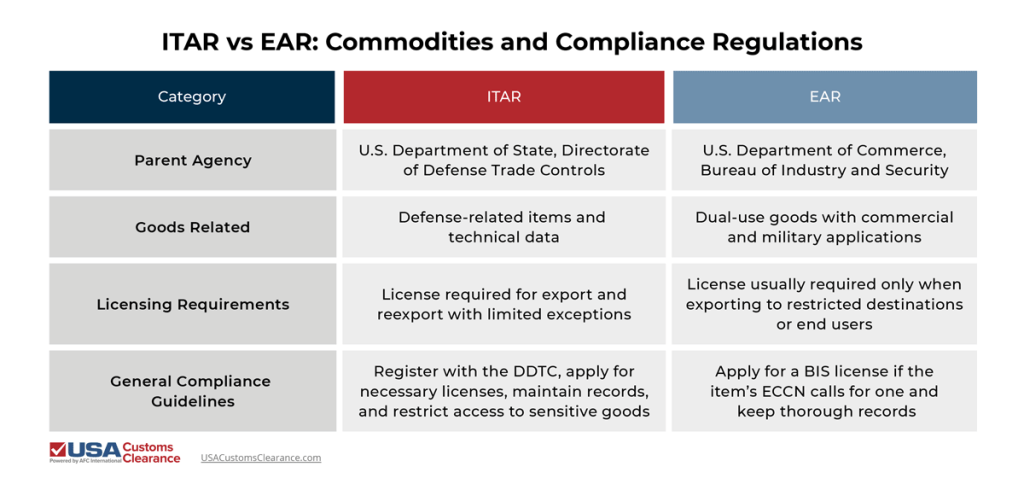
When exporting certain items, such as defense articles, you may need to comply with either the International Traffic in Arms Regulations (ITAR) or the Export Administration Regulations (EAR). Understanding which regulations apply to your exports is crucial to avoid costly mistakes.
The ITAR Compliance Path
To comply with ITAR regulations, you'll need to register with the Department of State's Directorate of Defense Trade Controls (DDTC) and obtain an export license. The ITAR compliance path involves submitting detailed information about your company, employees, and exports, as well as implementing robust export control procedures.
The EAR Analysis: A Four-Factor Test

The EAR analysis involves a four-factor test to determine whether an item is subject to export controls:
- Is the item on the Commerce Control List?
- Is the item specifically designated as controlled?
- Is the item subject to a license requirement?
- Is the item exported to a country subject to sanctions?
License Exceptions: A Potential Alternative
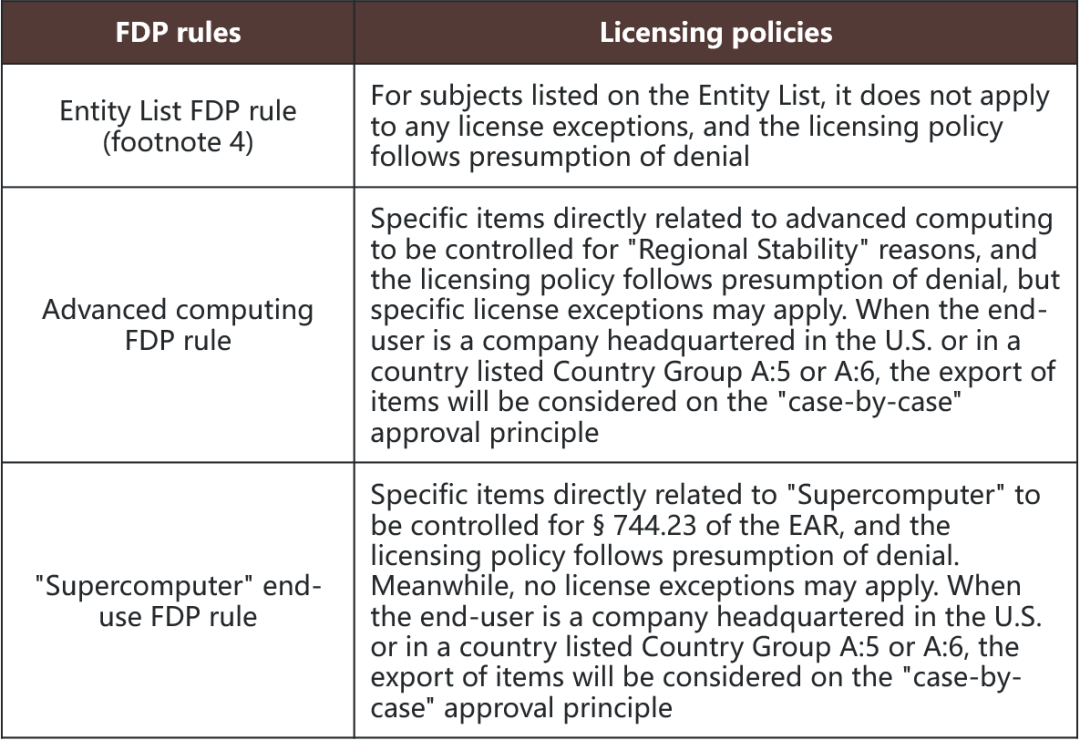
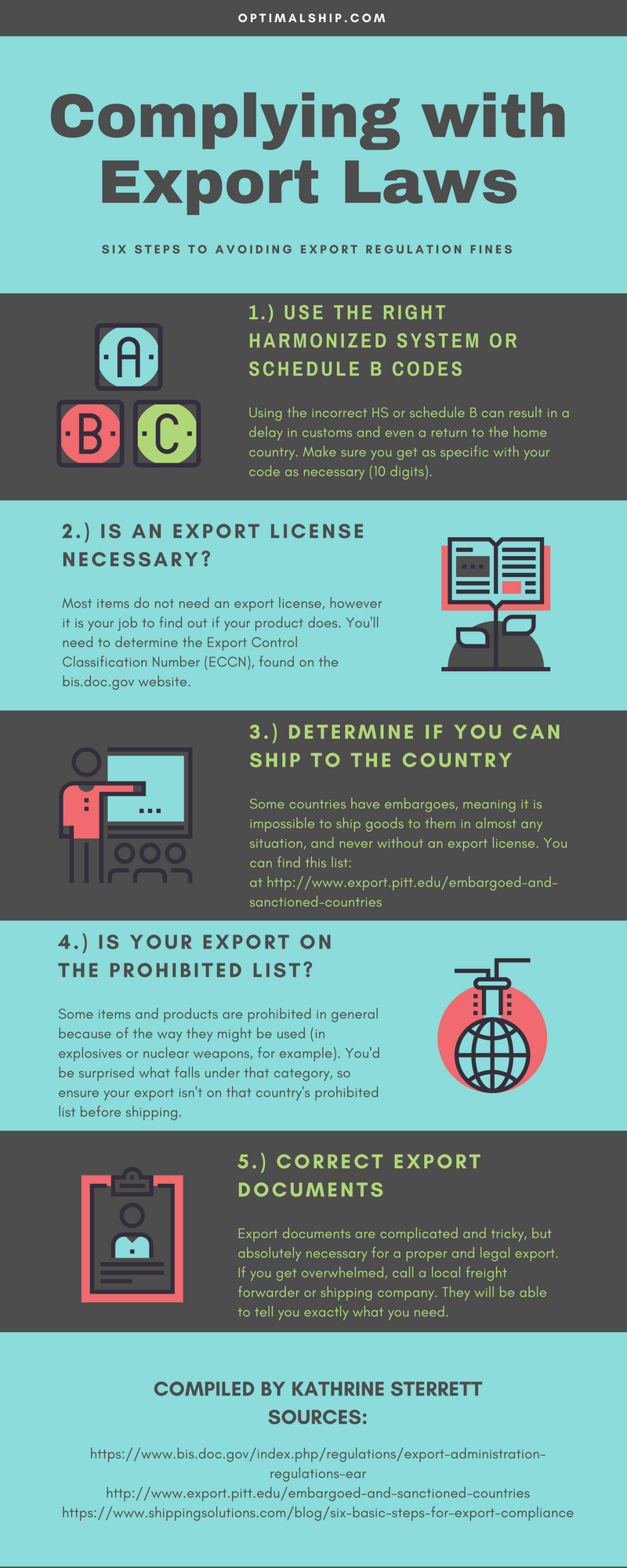
License exceptions, as described in part 740 of the EAR, allow you to export or re-export items subject to the EAR without a license. To qualify for a license exception, you'll need to meet specific conditions and provide detailed information about your exports.
Applying for a License
To apply for a license, you'll need to submit a detailed application to the BIS, including information about your company, employees, exports, and compliance procedures. The BIS will review your application and may request additional information or clarification.
Export Documentation and Compliance
Export documentation, such as export authorizations and certificates, is critical to ensuring compliance with regulations. You'll need to keep detailed records of your exports, including shipping documents, invoices, and customs forms.
The Importance of Compliance Training
Compliance training is essential for export-related professionals to ensure they understand export regulations and licensing requirements. The BIS offers training courses and seminars on export administration regulations and compliance procedures.
Conclusion
Export licensing and rules are complex and constantly evolving. To ensure compliance and avoid costly mistakes, it's essential to understand the regulations, licensing requirements, and export documentation procedures. By following this comprehensive guide, you'll be well-equipped to navigate the world of export licensing and rules.