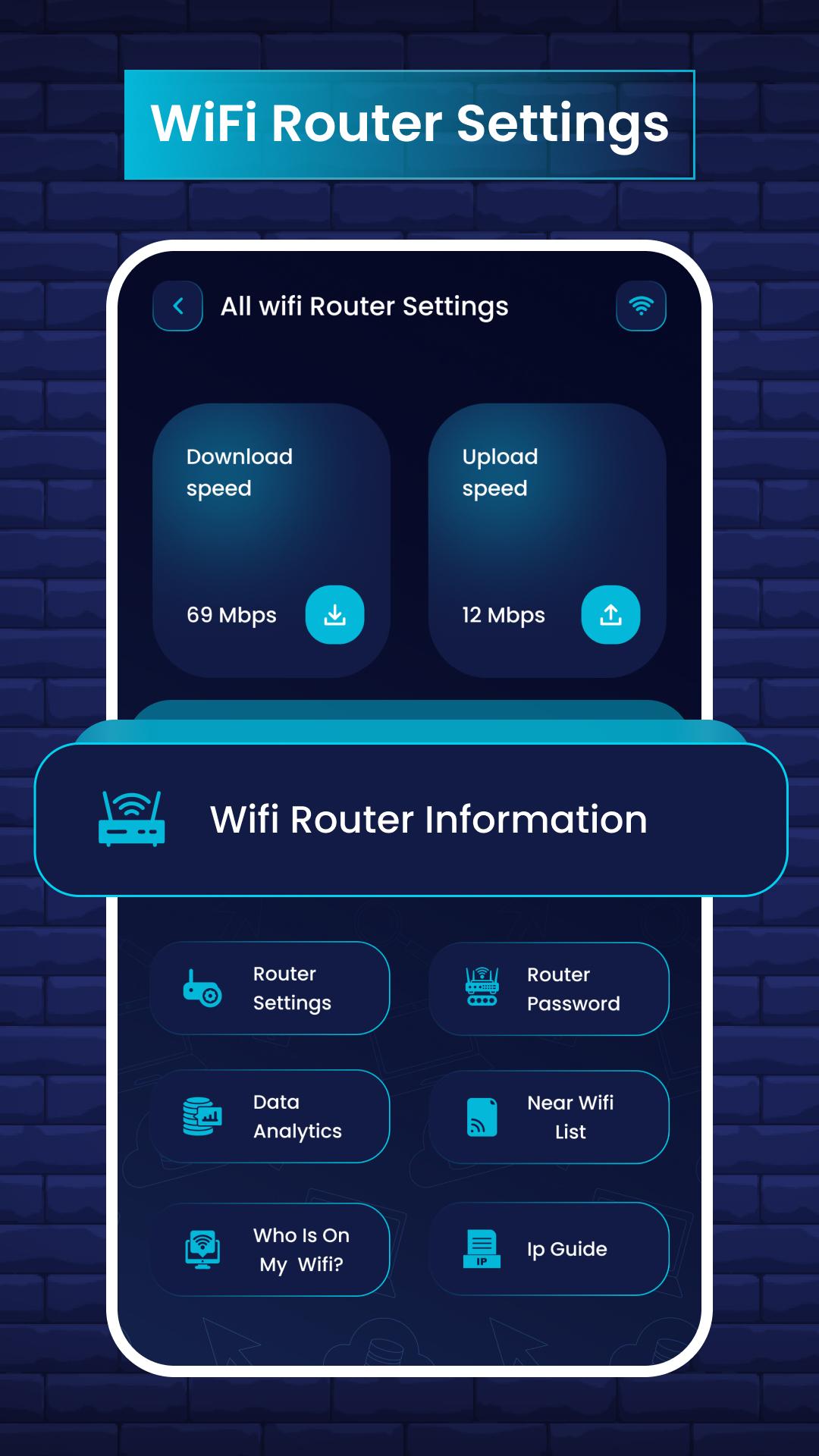
Mastering the G Router Setup for Wireless Settings: A Comprehensive Guide
Setting up a wireless router, specifically a G router, can be a daunting task for many users. However, with the right guidance, you can easily configure your router's wireless settings and enjoy seamless internet connectivity. In this article, we will delve into the world of G router setup for wireless settings, exploring the essential steps and tips to ensure a successful setup process.
Getting Familiar with Your G Router
Before we dive into the setup process, it's essential to understand the basics of your G router. Familiarize yourself with the router's manual, which should provide you with detailed information about its features and configuration options. Make sure you have a clear understanding of the router's IP address, SSID, and WiFi password.
Step 1: Physical Setup
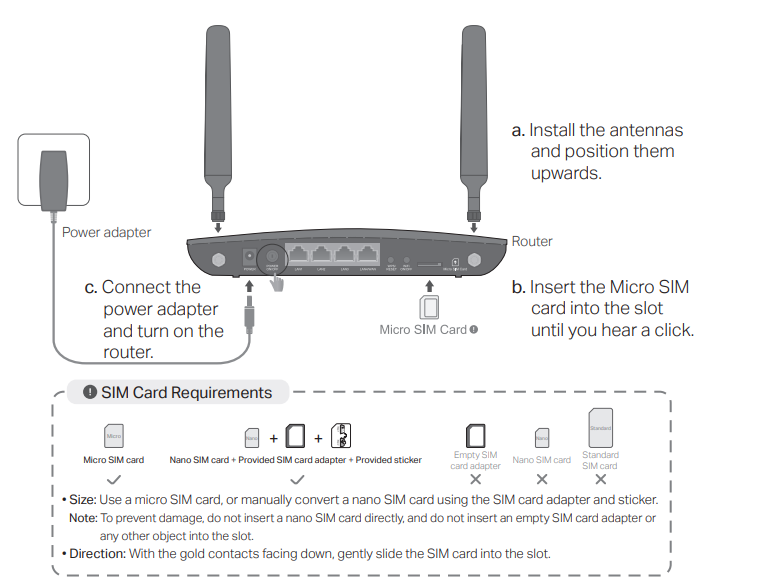
The first step in setting up your G router is to physically connect it to your modem and power source. Make sure the router is located in a central position in your home or office, ensuring optimal coverage for all wireless devices. Use a high-quality Ethernet cable to connect the router to your modem, and plug it into a power outlet.
Configuration Wizard
Most G routers come with a user-friendly configuration wizard that guides you through the setup process. This wizard will prompt you to create a username and password for the admin account, set up the wireless network, and configure other advanced settings.
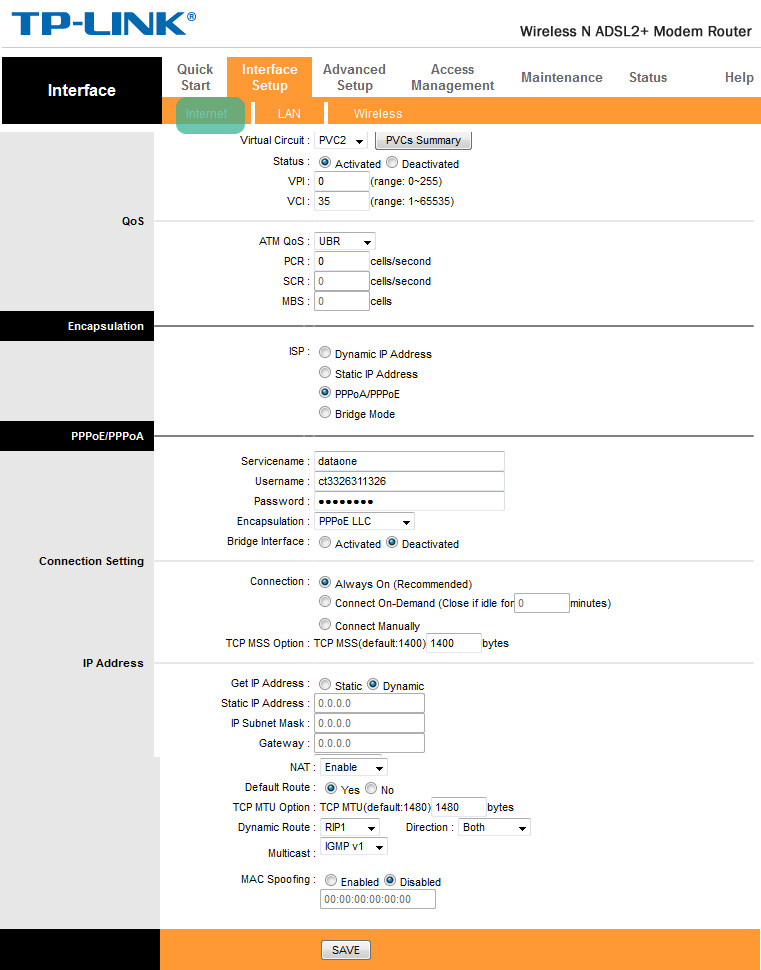
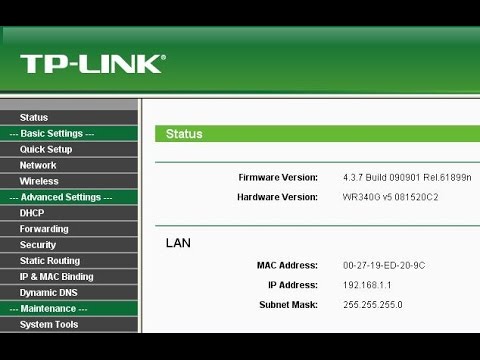
Access the configuration wizard by opening a web browser and typing the router's IP address (usually 192.168.1.1 or 192.168.0.1) into the address bar. Follow the on-screen instructions to complete the setup process.
Wireless Settings Configuration
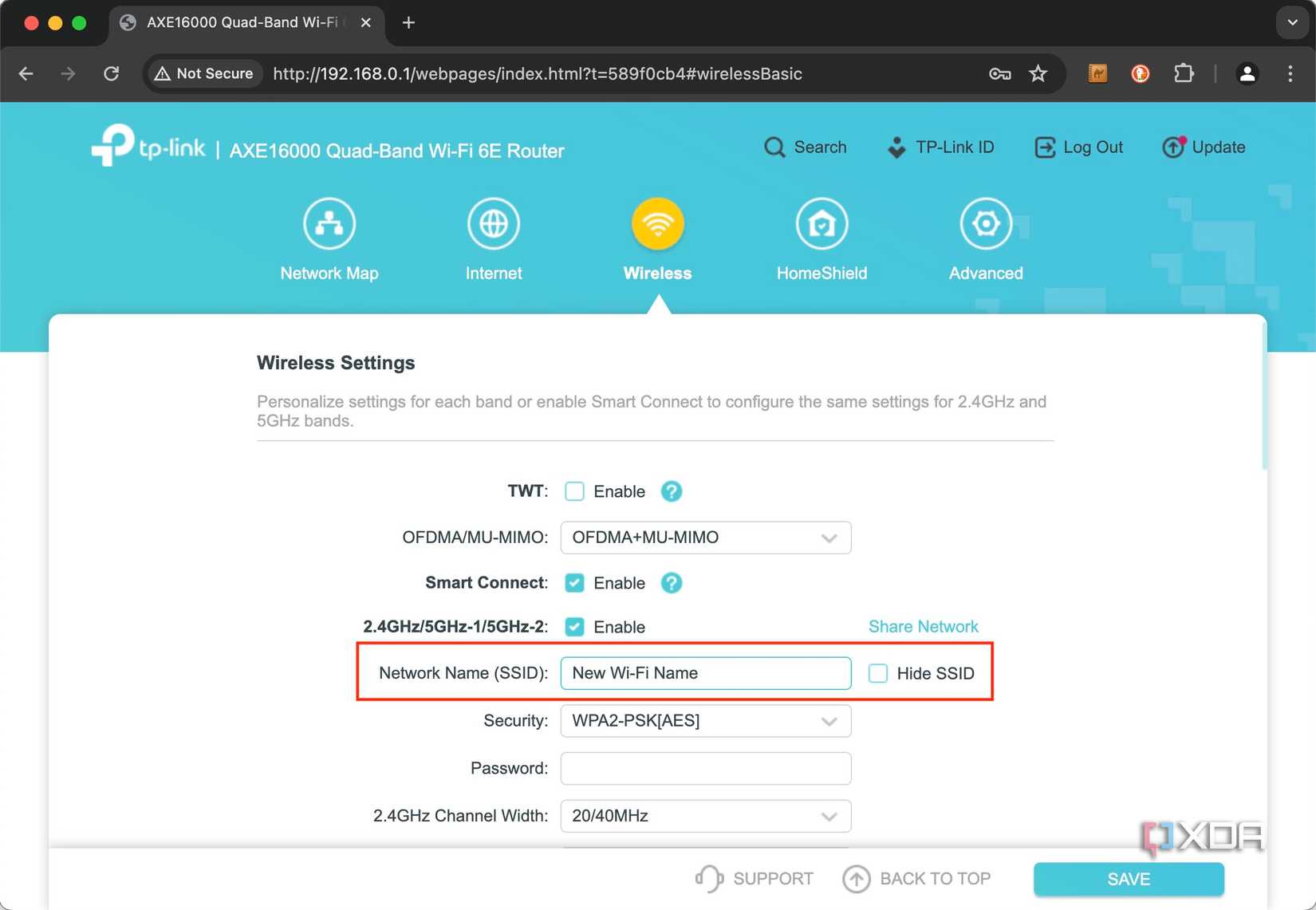
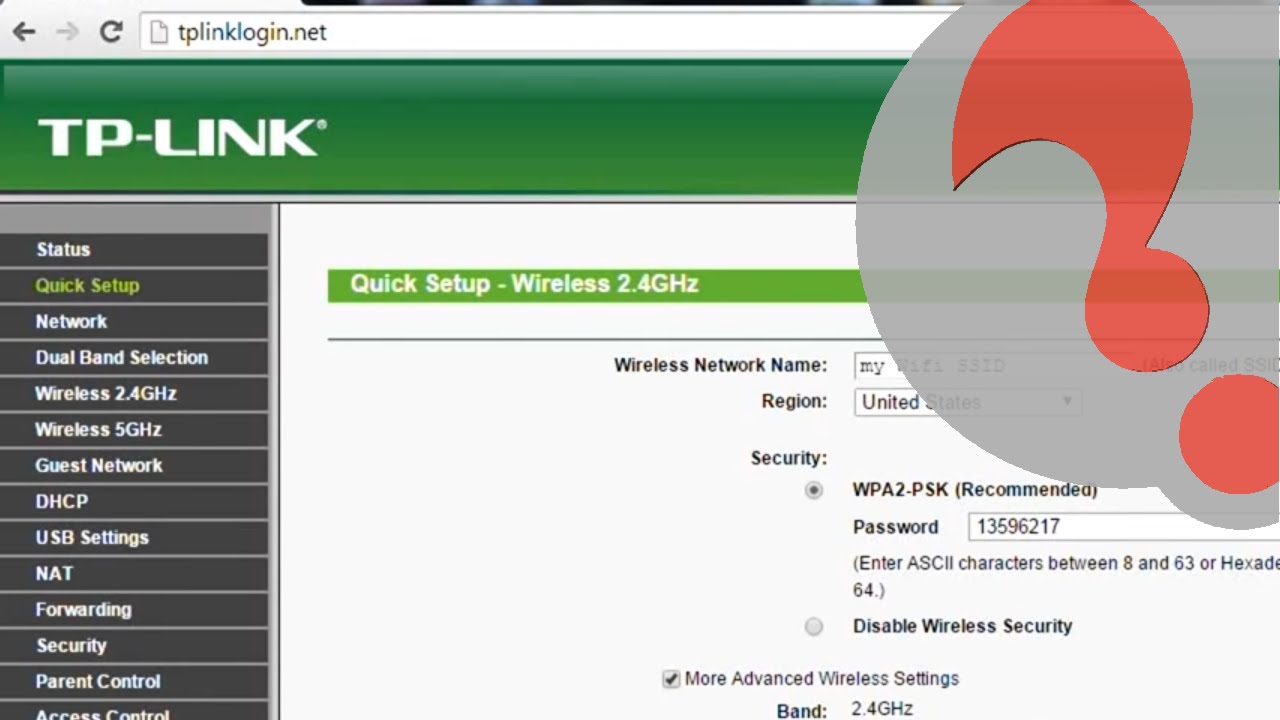
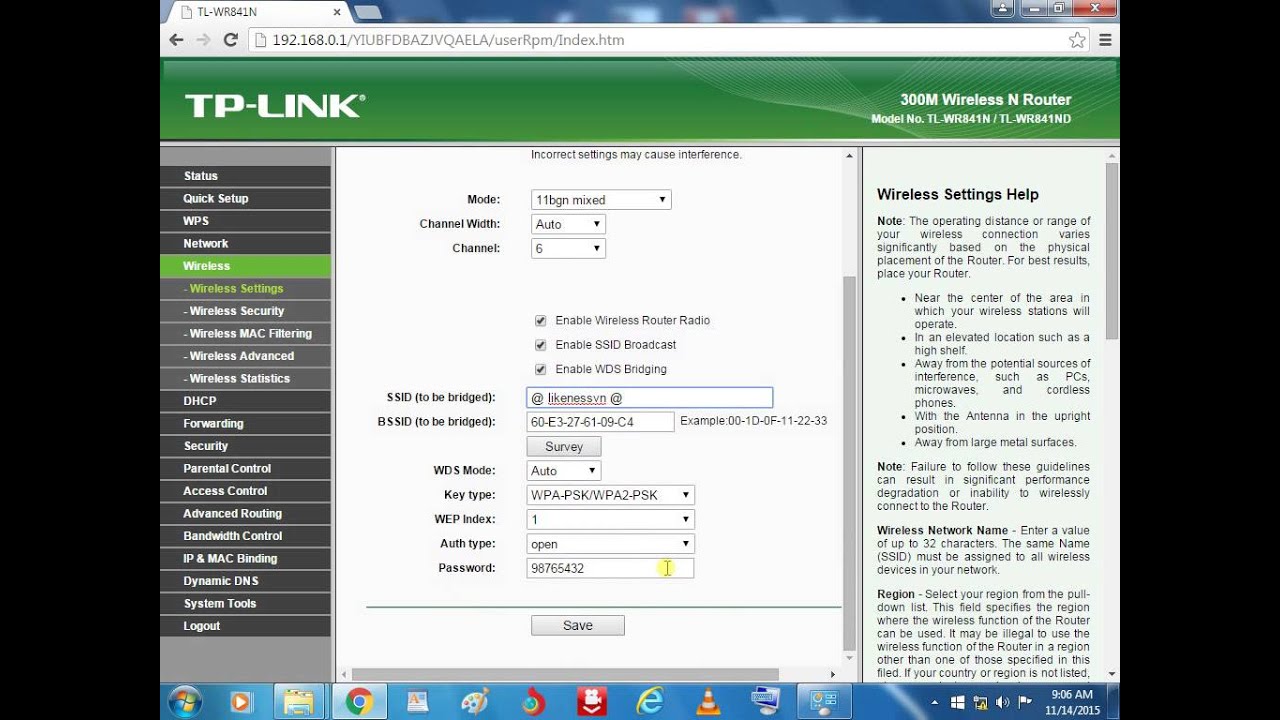
Once you've completed the initial setup, it's time to configure the wireless settings. This is where you'll create a unique SSID (network name) and password for your wireless network. Consider changing the default WiFi password to a strong and unique one to ensure your network's security.
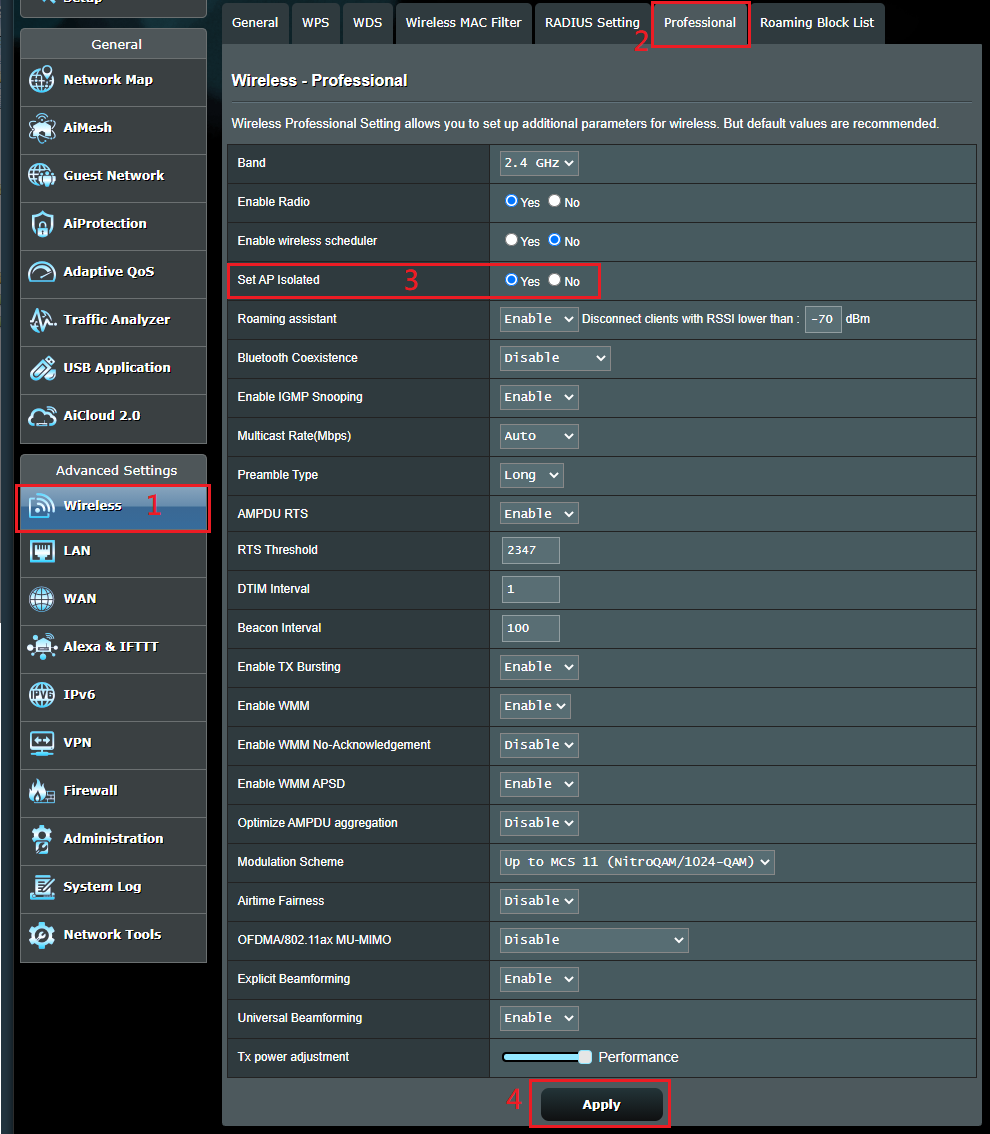
When configuring the wireless settings, you'll also have the option to set the channel width, channel, and transmission power. These settings can help optimize your network's performance and reduce interference from other devices.
Additional Tips and Tricks
Here are some additional tips to keep in mind when configuring your G router's wireless settings:
- Make sure to use WPA2 encryption to ensure your wireless network's security.
- Use a strong and unique WiFi password to prevent unauthorized access.
- Change the default SSID to a unique and memorable one to avoid confusion with other networks.
- Set the channel width and channel to optimal settings to minimize interference.
- Consider enabling Quality of Service (QoS) settings to prioritize traffic for critical applications.
Conclusion
Configuring your G router's wireless settings requires attention to detail and a clear understanding of the process. By following the steps outlined in this article, you'll be able to master the setup process and enjoy a seamless wireless experience. Remember to regularly update your router's firmware and software to ensure optimal performance and security.
Common Router Brands and Models
Here are some common router brands and models that support G router setup for wireless settings:
- NETGEAR WGR614v9
- Linksys WGR614
- TP-Link Archer C7
- Asus RT-N66U
Conclusion
With this comprehensive guide, you're now equipped with the knowledge and confidence to master your G router setup for wireless settings. Remember to take your time, follow the steps carefully, and experiment with different settings to optimize your network's performance.





![[Wireless Router] How do I enter my ASUS router's setting page using ...](https://i.ytimg.com/vi/03n-8JVxbMk/maxresdefault.jpg "[Wireless Router] How do I enter my ASUS router's setting page using ...")