Understanding the Connection Between GLP-1 and Body Temperature Regulation
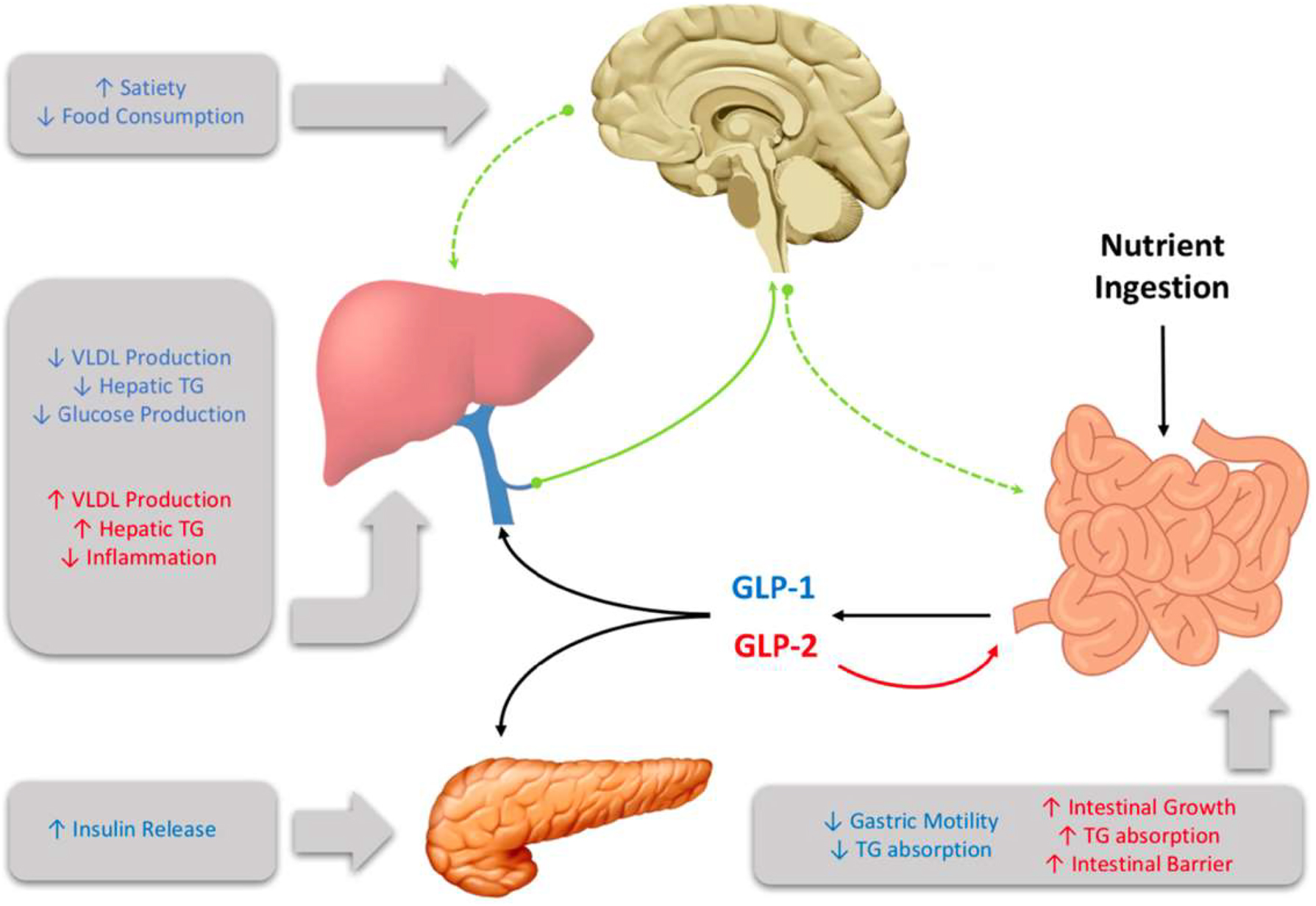
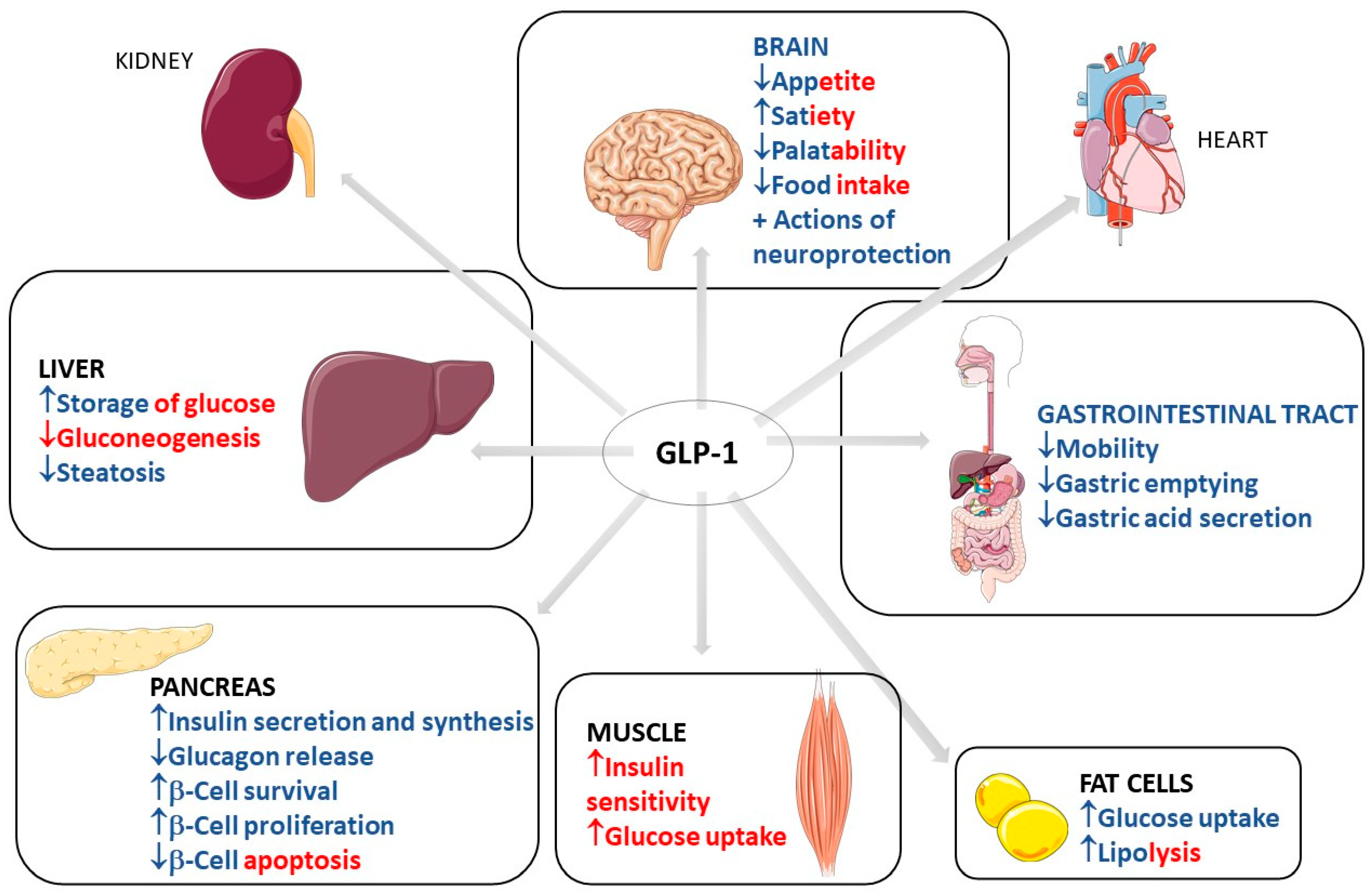
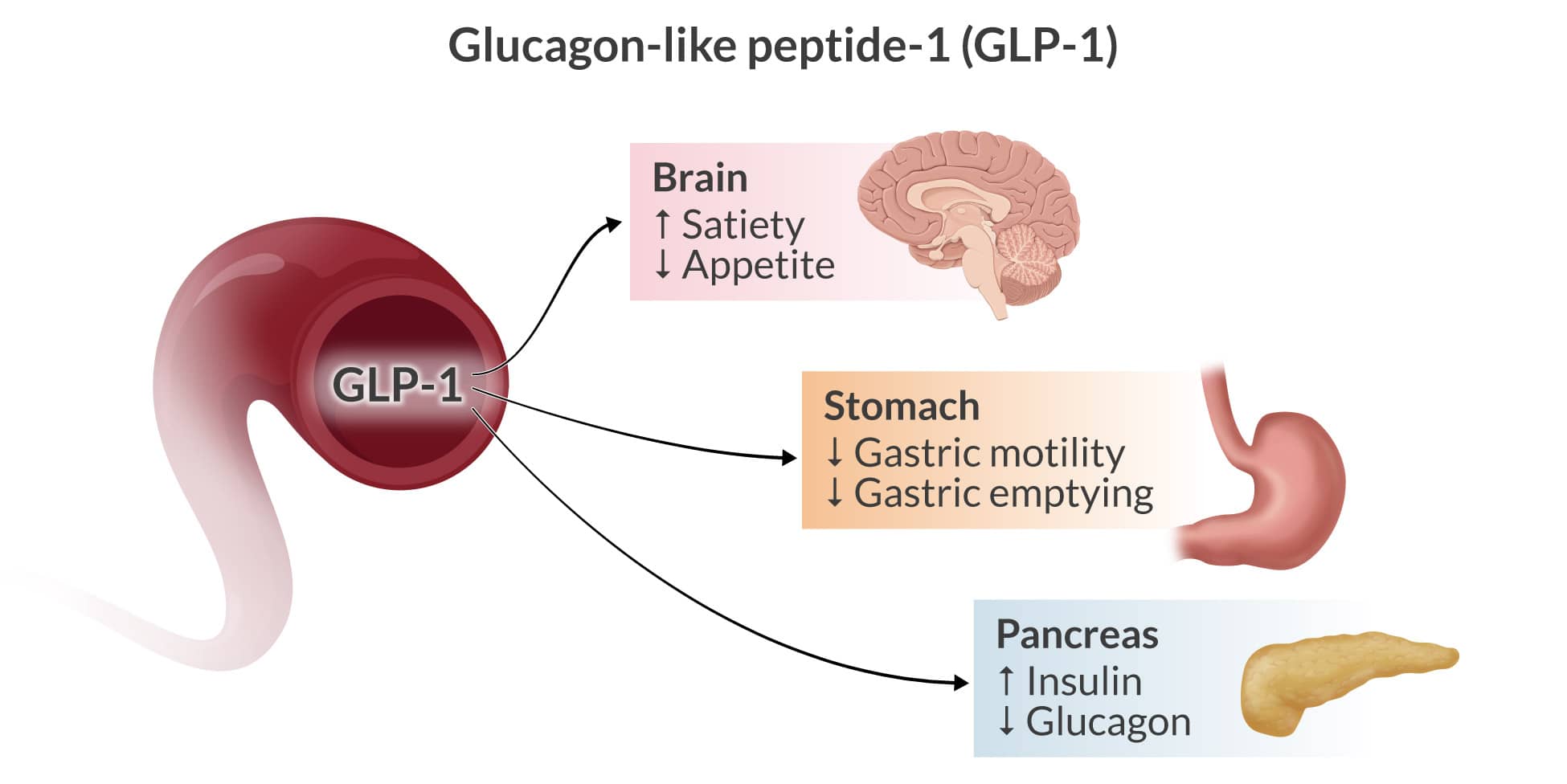
In recent years, the role of glucagon-like peptide-1 (GLP-1) in regulating body temperature has gained significant attention in the scientific community. GLP-1 is a hormone that plays a crucial role in glucose metabolism, appetite regulation, and body weight control. However, its influence on body temperature regulation is a relatively new area of research that is worth exploring.The Hypothalamus and Body Temperature Regulation
The hypothalamus is a small region in the brain that acts as the body's thermostat, regulating body temperature in response to changes in the environment. When the body detects a deviation from its normal temperature set point (around 37°C or 98.6°F), the hypothalamus sends signals to the body's thermoregulatory centers to activate mechanisms to maintain the set point. This includes sweating, vasodilation, and shivering, among others.The Role of GLP-1 in Body Temperature Regulation
Research has shown that GLP-1 receptors exist inside the hypothalamus, the brain's control center for hunger, metabolism, and body temperature. When GLP-1 medications activate these receptors, they can shift the system toward conserving energy rather than producing heat. This helps explain why some people taking GLP-1 medications might feel cold, even when their calorie intake is adequate.Adaptive Thermogenesis and GLP-1
Adaptive thermogenesis is an essential mechanism in warm-blooded animals that allows them to maintain their core internal temperature even when the ambient temperature is lower than thermoneutrality. Brown adipose tissue (BAT) thermogenesis is a conserved mechanism to maintain body temperature in mammals. However, researchers have found that GLP-1 and glucagon play key roles in regulating thermogenesis and energy balance, suggesting that these hormones don't just influence appetite but also how much heat the body produces at rest.GLP-1 and Weight Loss-Related Changes in Body Temperature Regulation