Installing a Data Router on Windows: A Comprehensive Guide
If you're looking to install a data router on your Windows device, you've come to the right place. In this article, we'll take you through the step-by-step process of installing a router on your Windows system. Whether you're a tech-savvy individual or a beginner, this guide will help you understand the process and set up your router with ease.
What is a Data Router?
A data router is a networking device that allows multiple devices to share a single internet connection. It allows you to connect multiple devices to the internet and share files, printers, and other resources. With a data router, you can create a network that is secure, reliable, and efficient.
Why Install a Data Router on Windows?
Installing a data router on Windows can help you improve your network performance, enhance security, and increase productivity. A data router can help you:
- Share your internet connection with multiple devices
- Improve network speed and reliability
- Enhance security by blocking unwanted traffic
- Access shared files, printers, and other resources
- Seamlessly switch between multiple networks
Step-by-Step Guide to Installing a Data Router on Windows
Installing a data router on Windows is a straightforward process. Here's a step-by-step guide to help you get started:
Step 1: Choose a Data Router
Before you start installing your data router, you need to choose a suitable device. You can opt for a wireless router or a wired router, depending on your needs. Consider factors such as the number of devices you want to connect, the speed of your internet connection, and the security level you require.
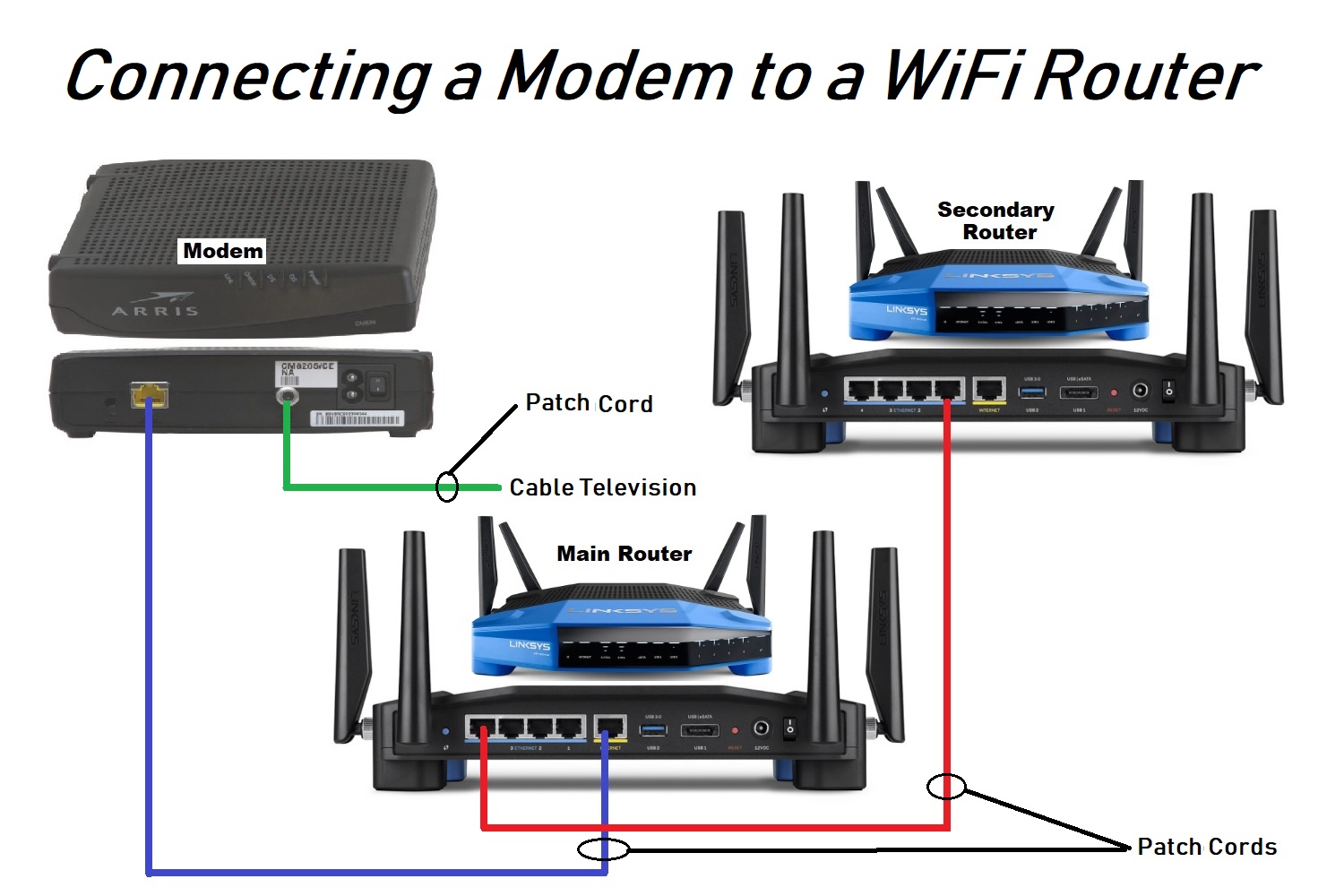
Step 2: Connect the Data Router to Your Modem

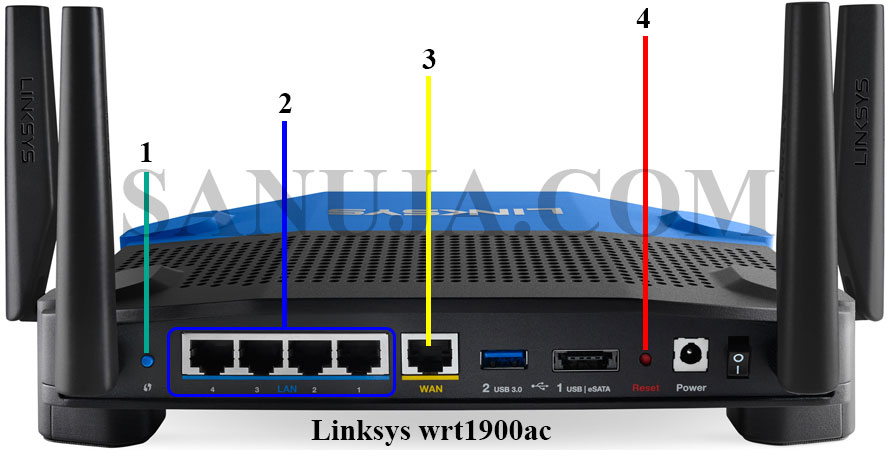
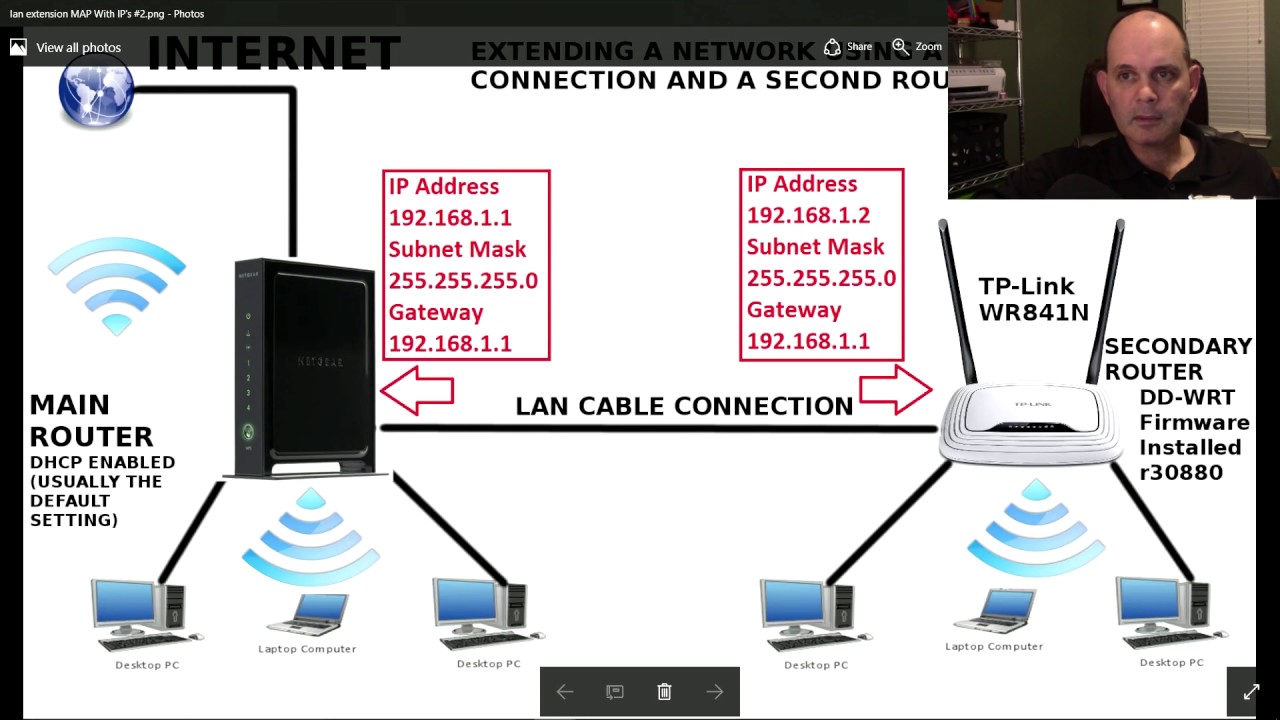
Connect the data router to your modem using an Ethernet cable. This will establish a connection between your router and the internet.
Step 3: Configure the Data Router
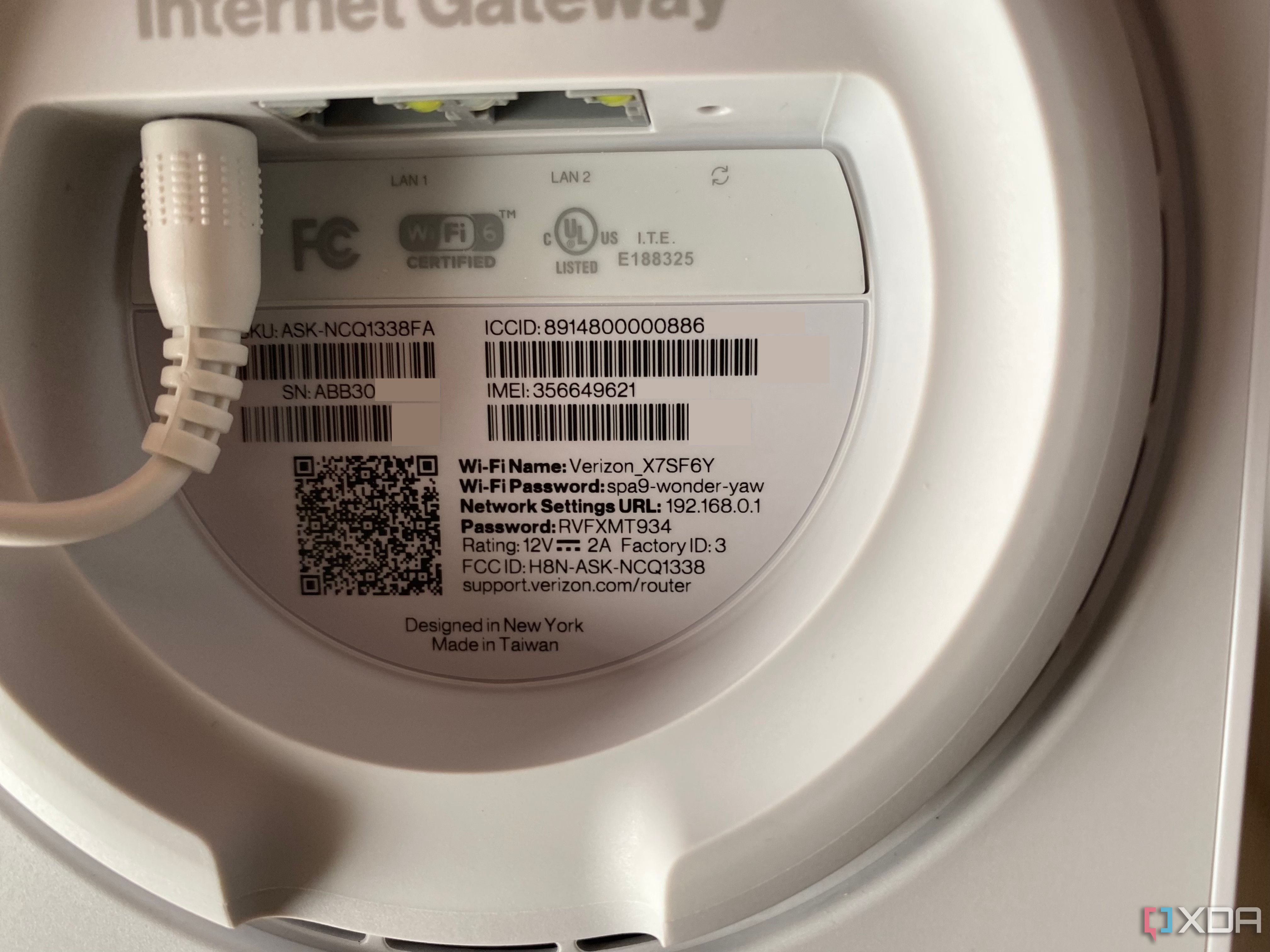
Open a web browser on your Windows device and type the IP address of your router (usually 192.168.0.1 or 192.168.1.1). Log in to the router's web interface using the default username and password (usually admin and password). Change the password to a strong and unique one for security purposes.
Step 4: Set Up Wireless Network
Configure the wireless network settings, including the network name (SSID), password, and channel settings. Make sure to enable WPA2 encryption for enhanced security.
Step 5: Connect Devices to the Network
Connect your devices to the network using wireless or Ethernet cables. Make sure to enter the network name and password to connect successfully.
Common Issues When Installing a Data Router on Windows
While installing a data router on Windows is a relatively straightforward process, you may encounter some common issues. Here are a few:
Wi-Fi connectivity issues
Router configuration errors
Malware infections
Conclusion
Installing a data router on Windows can greatly enhance your network performance, security, and productivity. By following the step-by-step guide outlined in this article, you can successfully install a data router and enjoy a seamless networking experience. Remember to choose a suitable router, configure the settings correctly, and troubleshoot common issues to ensure a smooth installation process.
Why Choose Our Guide?
Our comprehensive guide is designed to help you install a data router on Windows effortlessly. Here's why you should choose our guide:
- Step-by-step instructions for easy installation
- Expert advice on choosing the right router
- Troubleshooting tips for common issues
- Enhanced security and performance tips
- Updates and maintenance of the router





![Install Tailscale VPN on Rocky Linux / AlmaLinux [Guide]](https://www.xcitium.com/blog/wp-content/uploads/2025/12/what-do-routers-do.png "Install Tailscale VPN on Rocky Linux / AlmaLinux [Guide]")