Phasing Out a Low-Carb Diet: A Path to Sustainable Nutrition
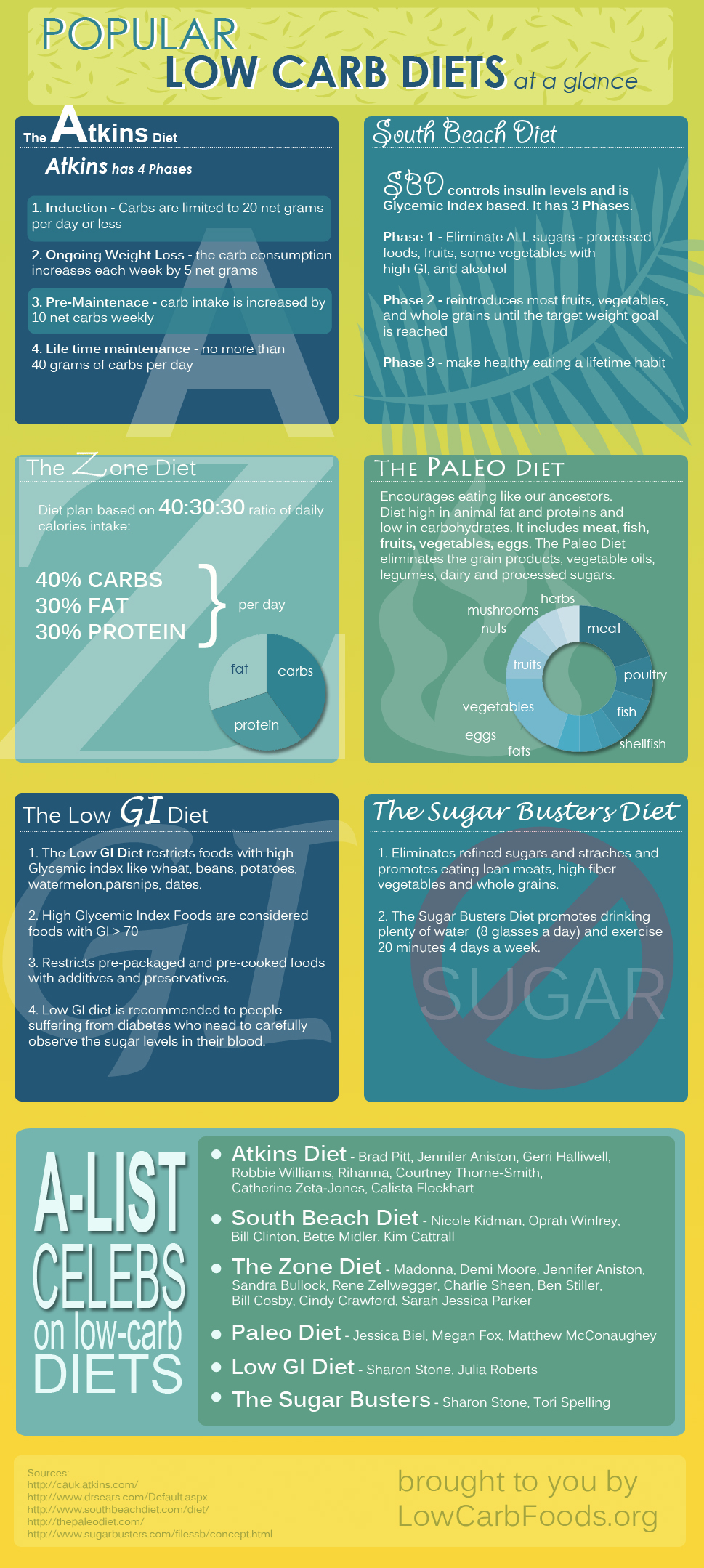
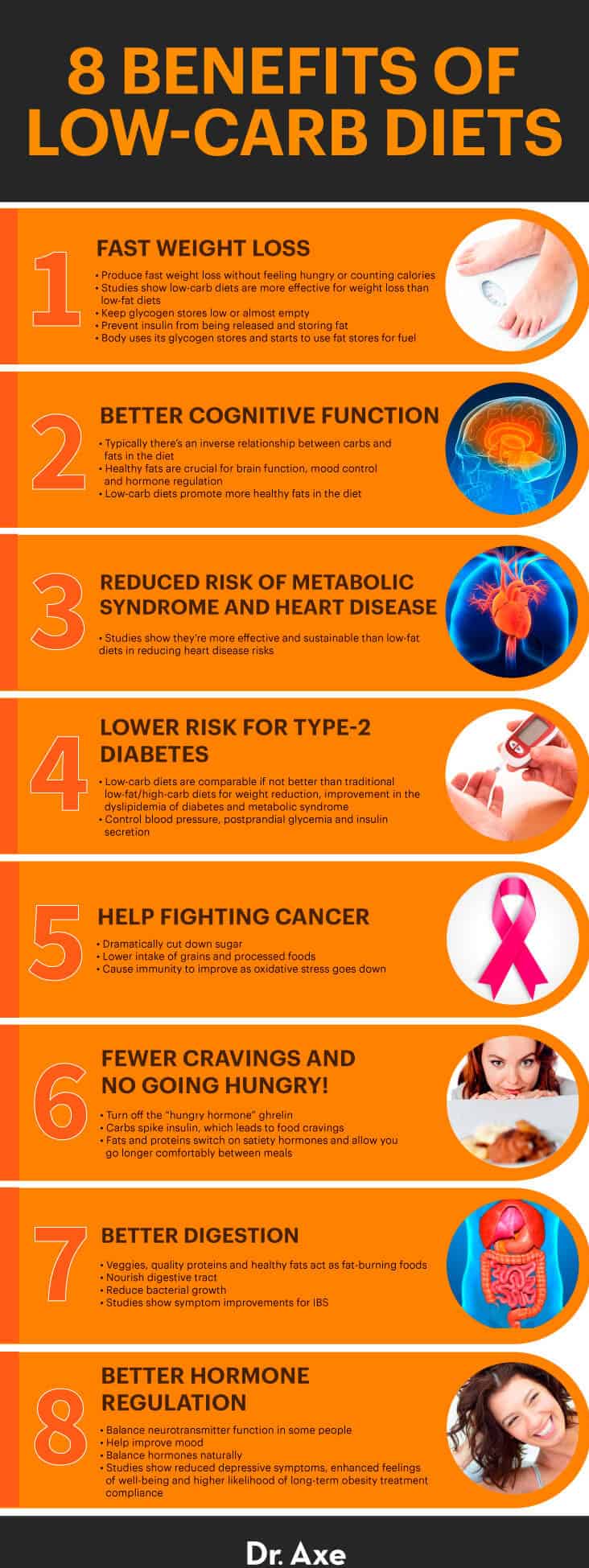
Low-carb diets, once considered a quick fix for weight loss and improved health markers, have garnered significant attention in recent years. However, as the initial excitement wears off, many individuals find themselves struggling to maintain the restrictive eating plan. When considering phasing out a low-carb diet, it's essential to understand the potential consequences of prolonged carbohydrate restriction and explore alternative, more sustainable approaches to nutrition.
The Challenges of Long-Term Low-Carb Diets
While low-carb diets can be effective in the short term, chronic carbohydrate restriction can lead to various health complications. Fiber deprivation, for example, can cause constipation, bloating, and gut dysbiosis. Moreover, weight loss achieved through low-carb diets is often due to water loss rather than actual fat reduction. This can lead to a frustrating cycle of yo-yo dieting, where individuals regain weight once they return to their normal eating habits.
Understanding the Decline of Low-Carb Diets
Research has consistently shown that low-carb diets can lead to significant weight loss, particularly in the initial phases. However, as the body adapts, the rate of weight loss slows down, and benefits may fade. A study published in the International Journal of Obesity found that participants who followed a low-carb diet for 12 months experienced a decrease in weight loss over time. This decline is thought to be due to a phenomenon known as neurohormonal adaptations, where the body adjusts to the low-calorie state and reduces its oxidative stress response.
Phasing Out a Low-Carb Diet: Strategies for a Sustainable Approach
When considering phasing out a low-carb diet, it's essential to adopt a more balanced and sustainable approach to nutrition. Here are some strategies to help you transition:
- Gradual carb reintroduction: Gradually increase carbohydrate intake over a period of weeks or months to give your body time to adjust.
- Whole foods over processed: Focus on whole, nutrient-dense foods rather than relying on processed low-carb products.
- Macronutrient balance: Ensure your diet includes a balance of protein, healthy fats, and complex carbohydrates for sustained energy and satisfaction.
- Listen to your body: Pay attention to hunger and fullness cues, and adjust your diet accordingly.
- Adopt stress-reducing techniques: Chronic stress can trigger cravings for comfort foods, making it more challenging to stick to a restrictive diet.
- Consult a registered dietitian or healthcare professional: Seek guidance on developing a personalized nutrition plan tailored to your needs and goals.

Alternatives to Low-Carb Diets
Instead of adopting a restrictive low-carb diet, consider alternative approaches that prioritize whole, nutritious foods and offer a more sustainable path to health and weight management. Some options include:
- Intermittent fasting: Alternate between periods of eating and fasting to promote weight loss and improved metabolic health.
- Portion control: Eat smaller, more frequent meals to maintain a healthy calorie intake and prevent overeating.
- Fiber-rich diets: Focus on whole, high-fiber foods to promote satiety and support digestive health.
- Mindful eating: Practice mindful eating techniques to develop a healthier relationship with food and reduce emotional eating.
- Balance and variety: Prioritize whole, nutrient-dense foods and aim for a balanced diet with variety in your meals.
Conclusion
Phasing out a low-carb diet requires a thoughtful and deliberate approach. By understanding the potential challenges of long-term carbohydrate restriction and exploring alternative, sustainable approaches to nutrition, you can develop a more balanced and healthy relationship with food. Remember to consult with a registered dietitian or healthcare professional to determine the best approach for your individual needs and goals.
References:
References and resources can be added here, following the specified format.