The Effects of GLP 1 on Body Temperature Regulation
What is GLP 1 and Its Role in Body Temperature Regulation?
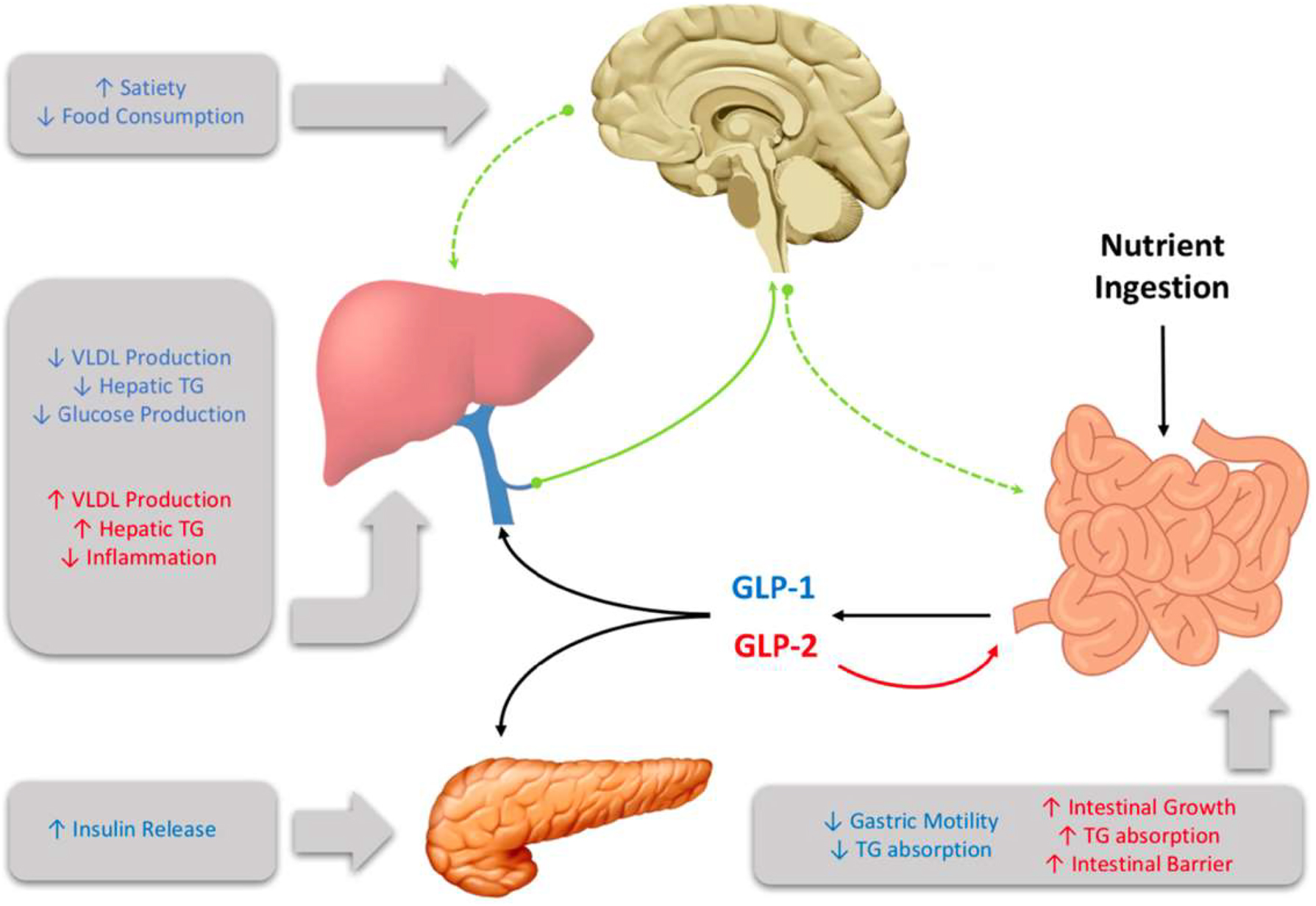
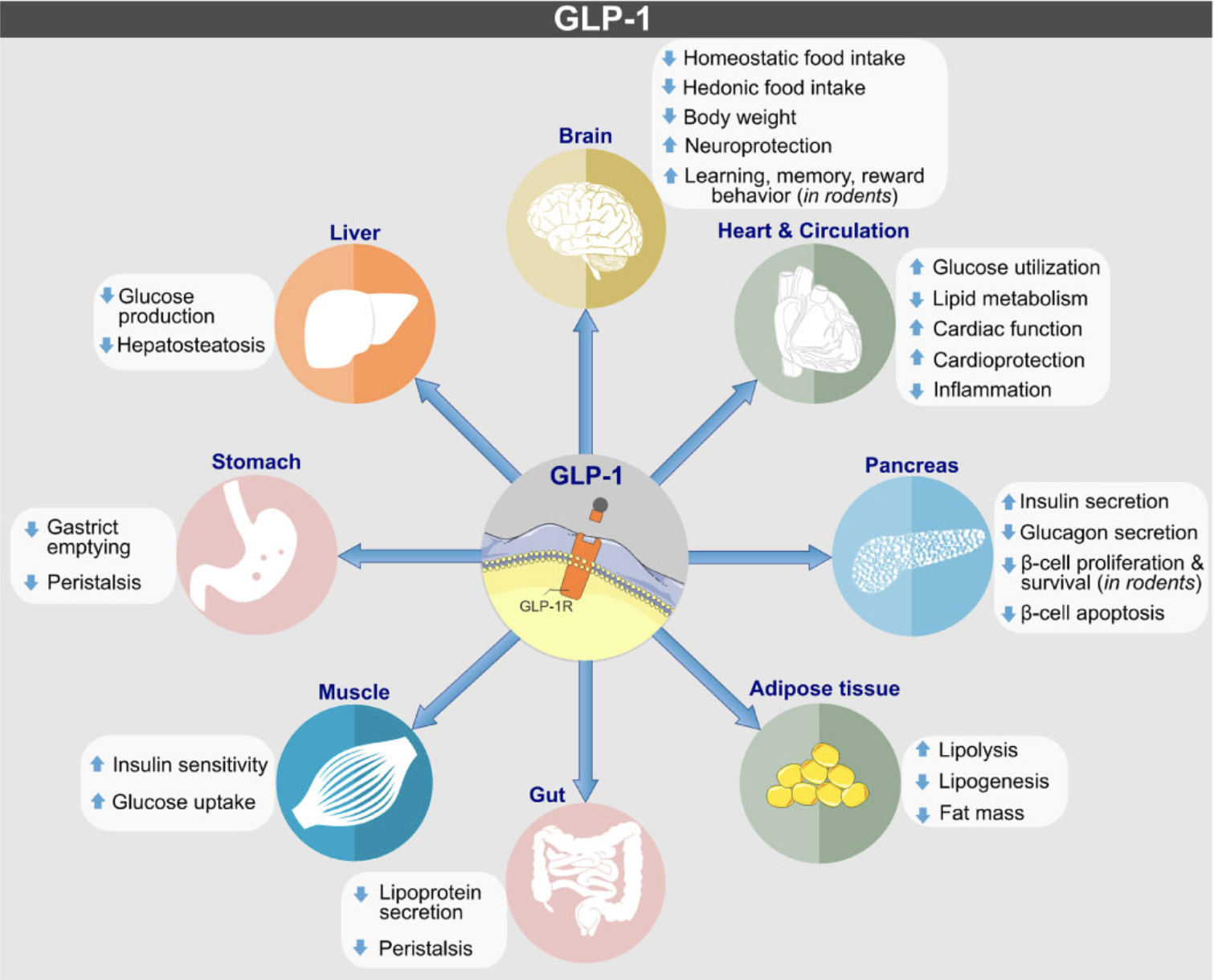
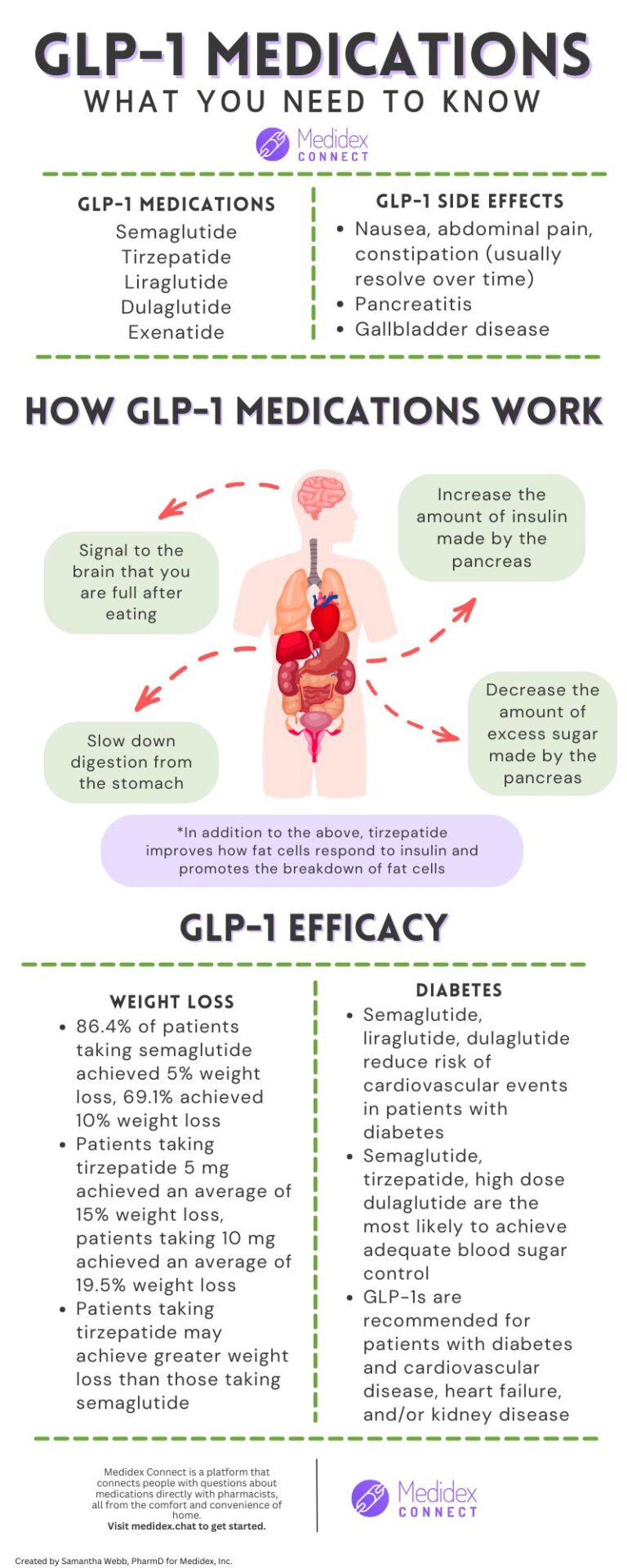
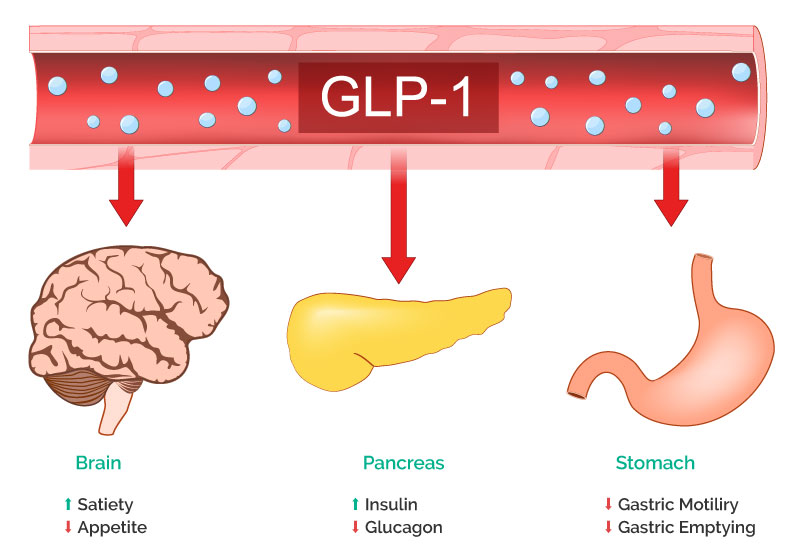
Glucagon-like peptide-1 (GLP 1) is a hormone that plays a crucial role in glucose homeostasis and appetite regulation. However, its effects on body temperature regulation have been a subject of recent studies. Research has shown that GLP 1 has an impact on thermogenesis, the process by which the body generates heat. The effects of GLP 1 on body temperature regulation are complex and not fully understood.GLP 1 Receptors and Thermogenesis
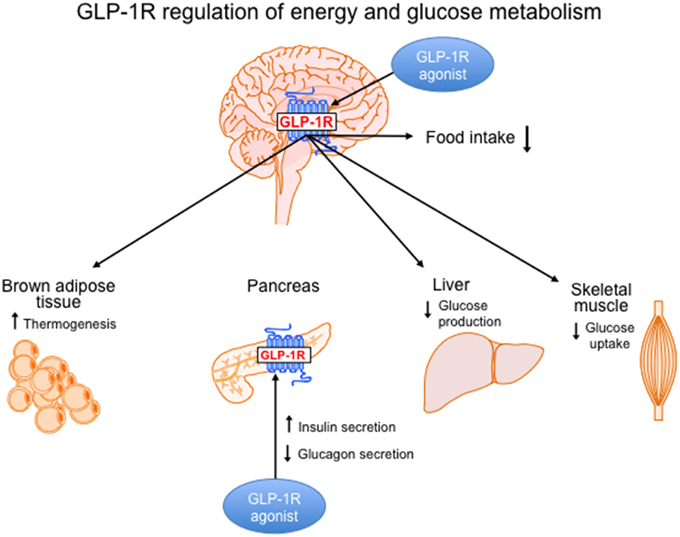
GLP 1 receptors are found in the hypothalamus, the brain's control center for hunger, metabolism, and body temperature regulation. When GLP 1 medications activate these receptors, they can shift the system toward conserving energy rather than producing heat. This helps explain why people taking GLP 1 medications may feel cold even when they have adequate calorie intake.GLP 1 and Brown Adipose Tissue
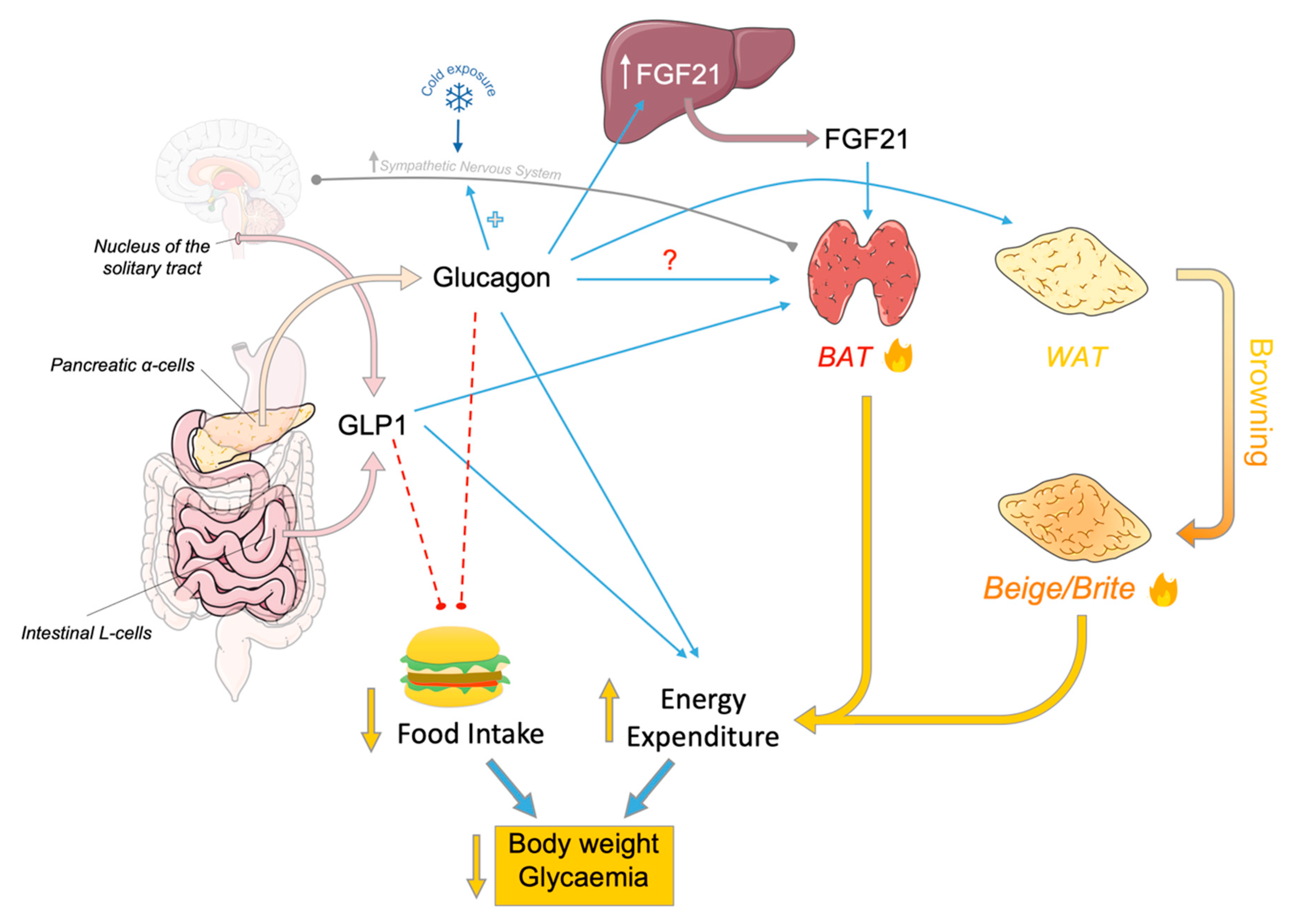
Brown adipose tissue (BAT) is a type of fat that is involved in thermogenesis. Research has shown that GLP 1 can increase energy expenditure by activating BAT. This has significant implications for understanding the effects of GLP 1 on body temperature regulation.GLP 1 and Thermoregulation in Humans
GLP 1 and Body Temperature Regulation in Non-Human Species
Research on non-human species has provided insight into the effects of GLP 1 on body temperature regulation. For example, a study on mice found that administration of GLP 1 increased body temperature and improved glucose metabolism. Another study on rats found that GLP 1 increased energy expenditure and improved glucose metabolism.Conclusion
The effects of GLP 1 on body temperature regulation are complex and not fully understood. Research has shown that GLP 1 can influence thermogenesis, the process by which the body generates heat, and that it can increase energy expenditure by activating brown adipose tissue. The effects of GLP 1 on body temperature regulation in humans and non-human species are also being studied. Further research is needed to fully understand the effects of GLP 1 on body temperature regulation and its therapeutic implications.References
* Brown adipose tissue (BAT) thermogenesis is a conserved mechanism to maintain body temperature in mammals. However, since BAT contribution to energy expenditure can represent a relevant modulator of thermogenesis, further analysis of BAT exertsials could provide insights into the specific mechanisms behind GLP 1-induced hyperactivity. * The effects of GLP 1 have been explored in a range of contexts, including insulin sensitivity, glucose uptake, and the activation of the sympathetic nervous system. This provides a foundation for understanding how GLP 1 can modulate thermogenesis in humans. * The administration of GLP 1 has been observed to decrease body weight and improve glucose tolerance in both lean and diabetic rodents, highlighting that past compensations were overly stern to confine food intake to existing'" - a view reinforcing that pharmacologic modulation of GLP 1 receptor activation has'De-mongeix validity!!!!- GLP 1 is a hormone that plays a crucial role in glucose homeostasis and appetite regulation.
- GLP 1 receptors are found in the hypothalamus, the brain's control center for hunger, metabolism, and body temperature regulation.
- GLP 1 can influence thermogenesis, the process by which the body generates heat.
- GLP 1 can increase energy expenditure by activating brown adipose tissue.
- Research on non-human species has provided insight into the effects of GLP 1 on body temperature regulation.
- Further research is needed to fully understand the effects of GLP 1 on body temperature regulation and its therapeutic implications.