The Relationship Between Aminopeptidase and GLP-1: A Comprehensive Review
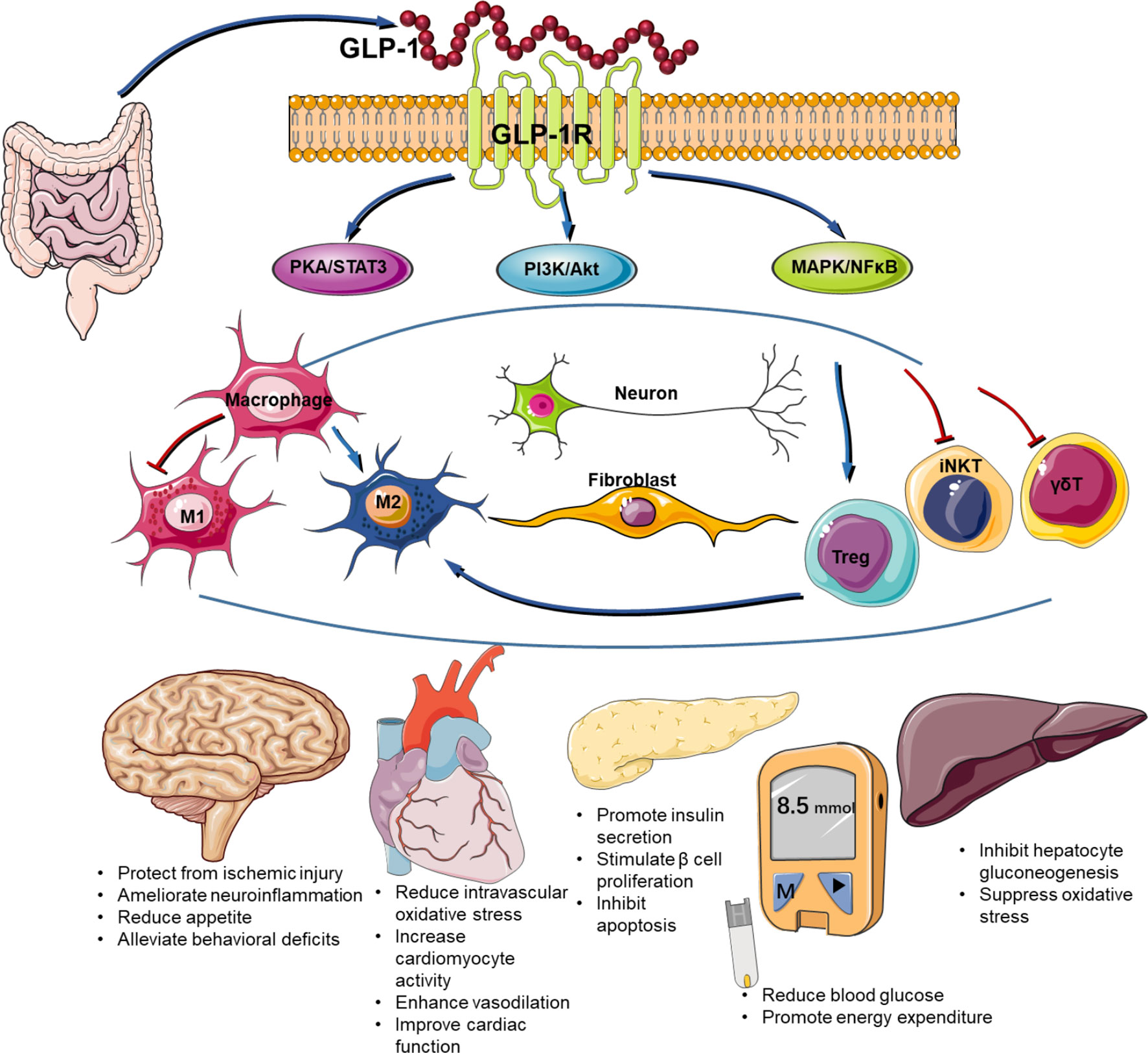
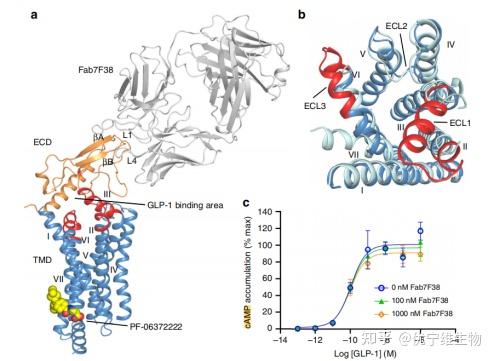
The glucagon-like peptide-1 (GLP-1) receptor is a key regulator of glucose homeostasis, and a drug target for type 2 diabetes. GLP-1 is an incretin hormone that is released from intestinal L-cells in response to food intake, and it plays a crucial role in regulating insulin secretion, glucose metabolism, and energy balance.
Physiological Roles of GLP-1
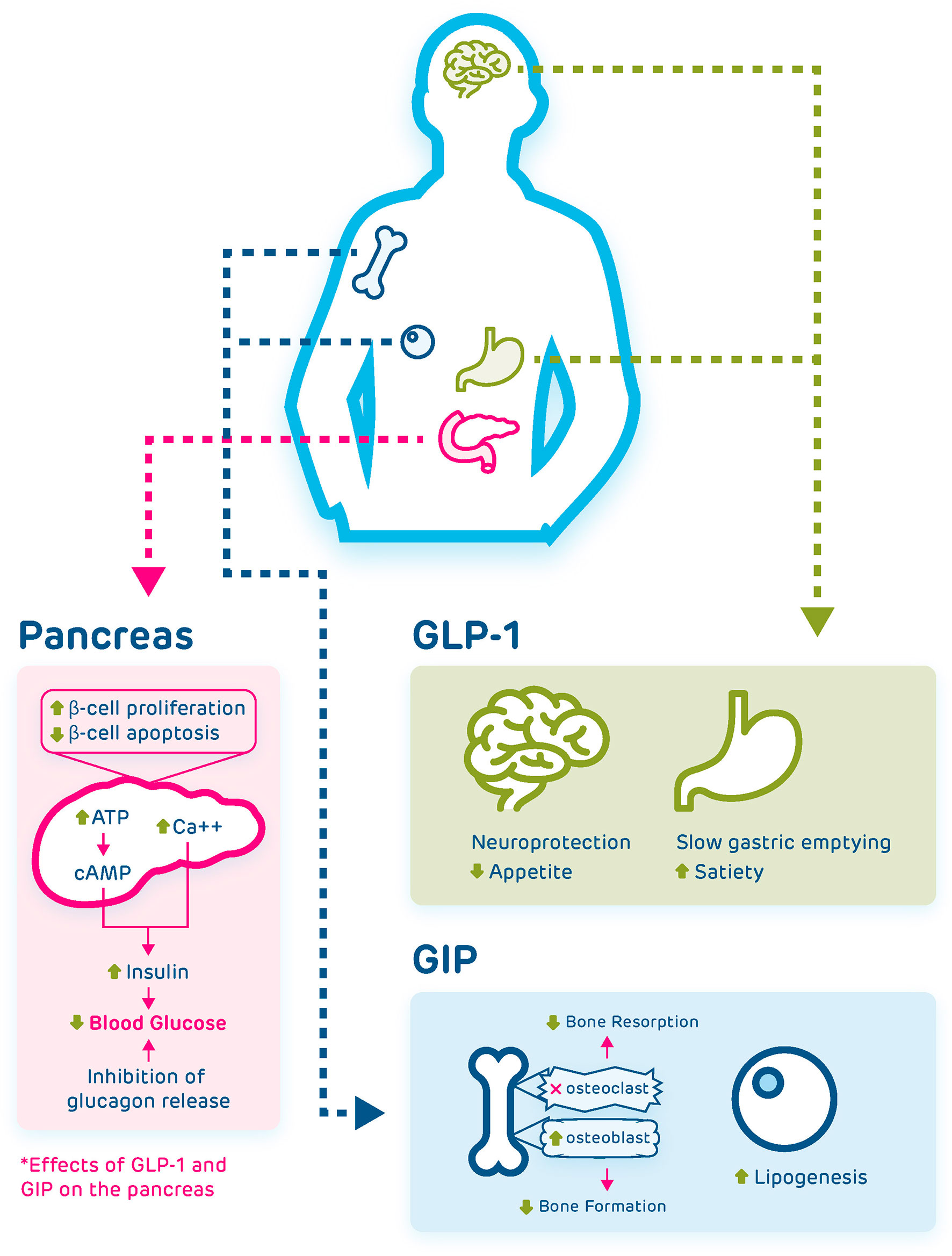
GLP-1 has emerged as a powerful player in regulating metabolism, and a promising therapeutic target for various chronic diseases. Its physiological roles include the stimulation of insulin secretion, decrease of gastric emptying, inhibition of glucagon secretion, and enhancement of satiety and weight loss.
The Role of Aminopeptidase in GLP-1 Metabolism
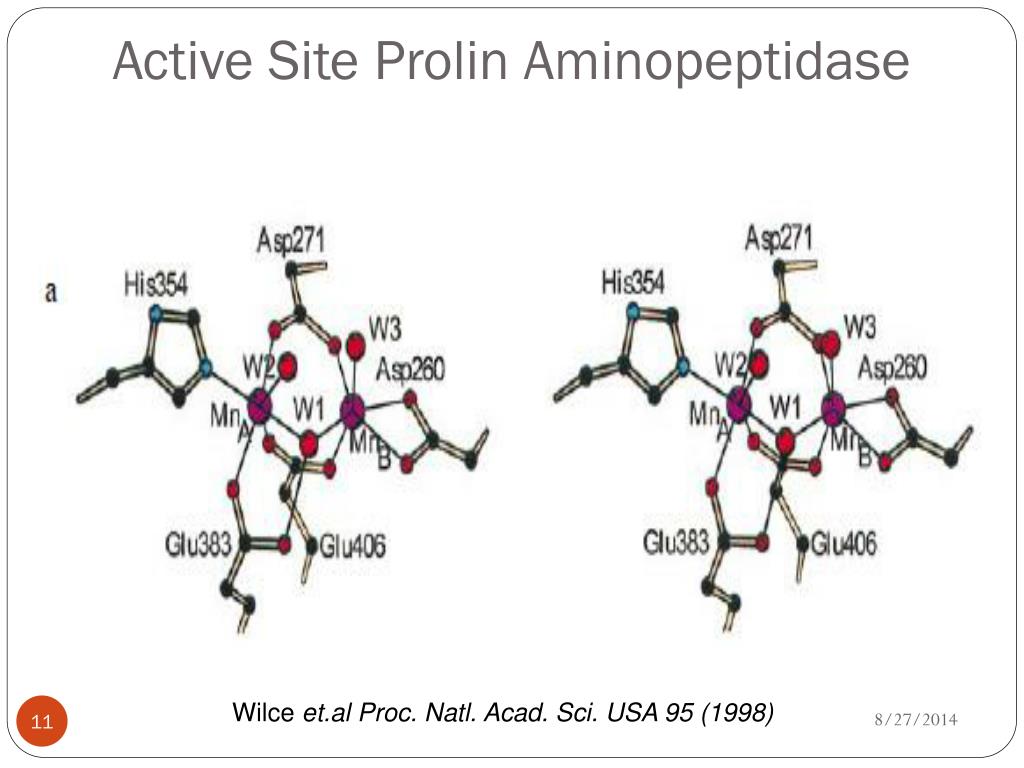
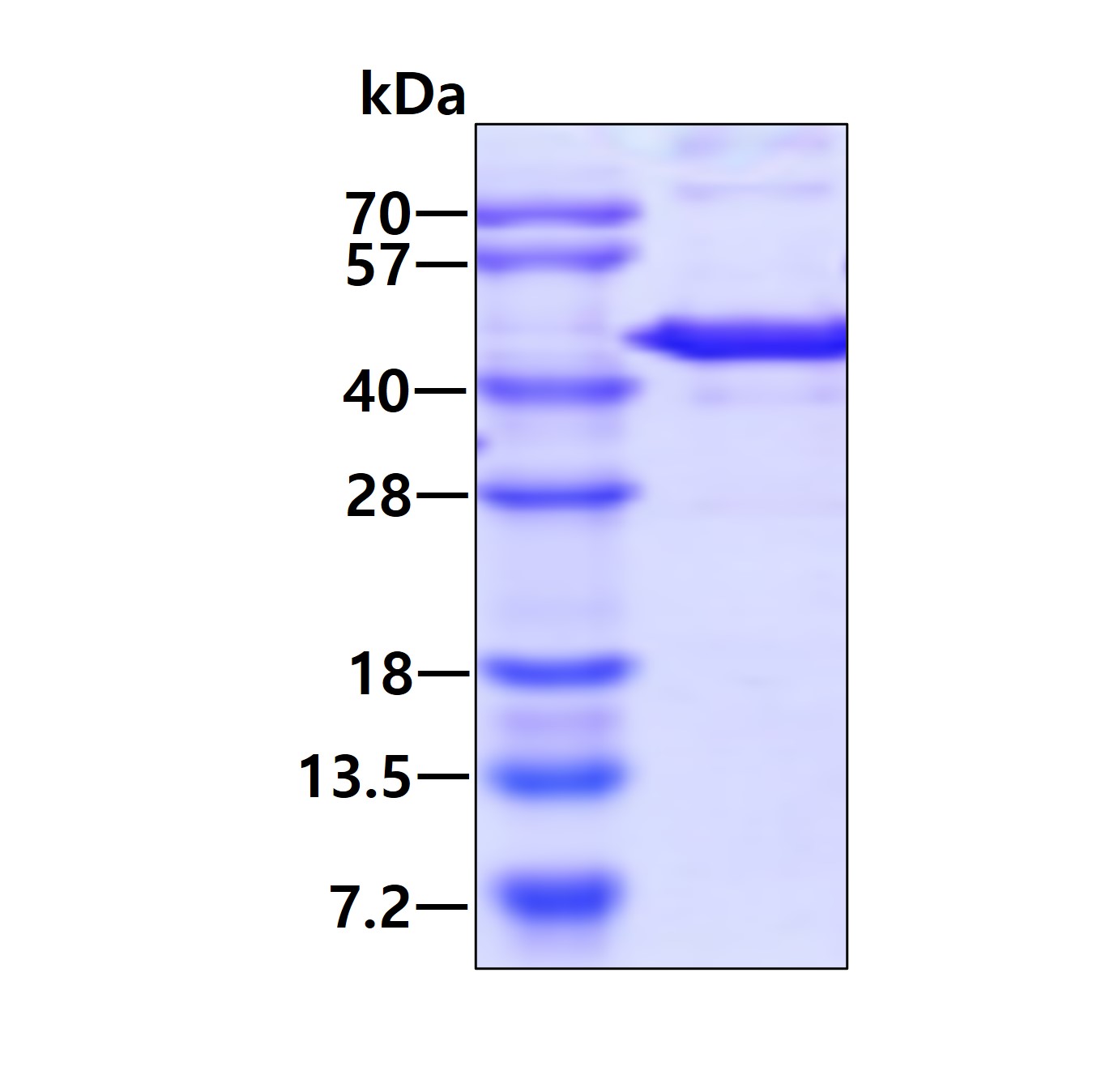
Aminopeptidase is an enzyme that plays a critical role in the metabolism of GLP-1. It is responsible for the degradation of GLP-1, and its activity can affect the levels and duration of action of GLP-1. Recent studies have shown that inhibitors of aminopeptidase can increase the levels and activity of GLP-1, leading to improved glucose metabolism and weight loss.
GLP-1 and Diabetes Management
GLP-1 receptor agonists have emerged as a novel class of medications for the treatment of type 2 diabetes. They work by mimicking the action of GLP-1, stimulating insulin secretion, and inhibiting glucagon secretion. GLP-1 receptor agonists have been shown to be effective in lowering A1C levels, weight, and cardiovascular risk in patients with type 2 diabetes.
GLP-1 and Obesity Management

GLP-1 receptor agonists have also been shown to be effective in weight loss and obesity management. They work by reducing appetite and increasing feelings of fullness, leading to a reduction in calorie intake and weight loss. GLP-1 receptor agonists have been shown to be effective in reducing weight and improving glycemic control in patients with obesity.
GLP-1 and Cardiovascular Health
GLP-1 receptor agonists have also been shown to have cardioprotective effects. They work by reducing inflammation, improving endothelial function, and reducing blood pressure. GLP-1 receptor agonists have been shown to reduce cardiovascular risk in patients with type 2 diabetes.
Conclusion
The relationship between aminopeptidase and GLP-1 is complex and multifaceted. Aminopeptidase plays a critical role in the metabolism of GLP-1, and its activity can affect the levels and duration of action of GLP-1. GLP-1 receptor agonists have emerged as a novel class of medications for the treatment of type 2 diabetes, obesity, and cardiovascular disease. They work by mimicking the action of GLP-1, stimulating insulin secretion, and inhibiting glucagon secretion. Further research is needed to fully understand the relationship between aminopeptidase and GLP-1, and to develop new therapies that can take advantage of this relationship.
References
- Glucagon-like peptide-1 (GLP-1) has emerged as a powerful player in regulating metabolism, and a promising therapeutic target for various chronic diseases.
- The glucagon-like peptide-1 receptor is a key regulator of glucose homeostasis, and a drug target for type 2 diabetes.
- GLP-1 receptor agonists have emerged as a novel class of medications for the treatment of type 2 diabetes, obesity, and cardiovascular disease.
- Aminopeptidase is an enzyme that plays a critical role in the metabolism of GLP-1.
- GLP-1 receptor agonists work by mimicking the action of GLP-1, stimulating insulin secretion, and inhibiting glucagon secretion.
- GLP-1 receptor agonists have been shown to be effective in lowering A1C levels, weight, and cardiovascular risk in patients with type 2 diabetes.
- GLP-1 receptor agonists have also been shown to be effective in weight loss and obesity management.
- GLP-1 receptor agonists have also been shown to have cardioprotective effects.