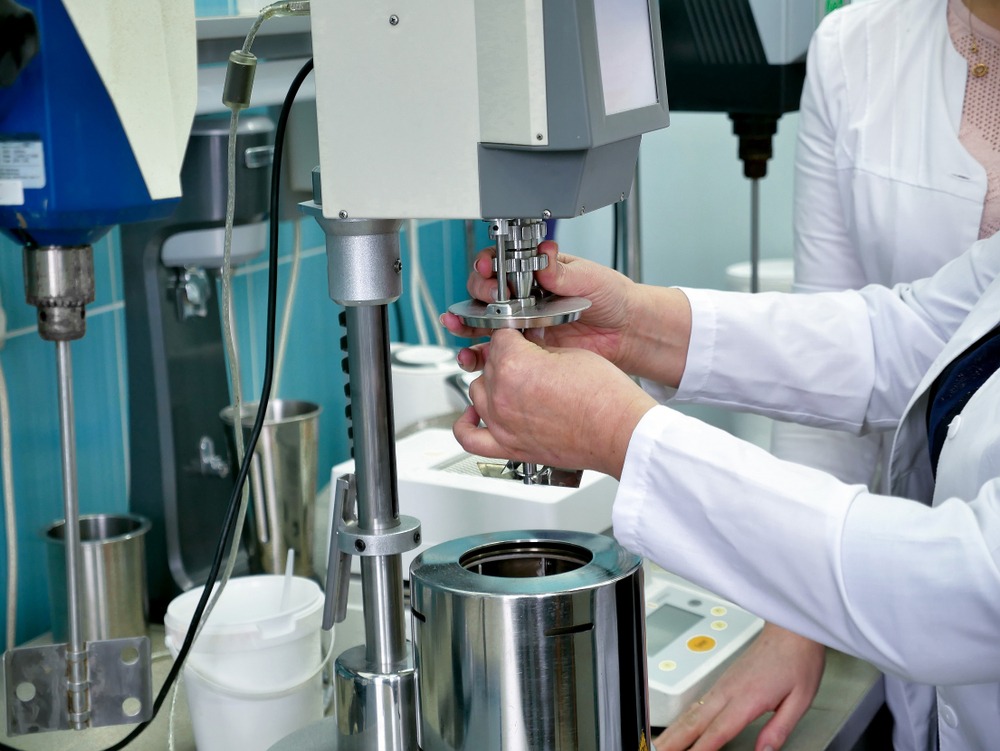
Asbestos Testing Laboratories: A Comprehensive Guide
Asbestos is a highly toxic and carcinogenic substance that was widely used in construction materials from the 1940s to the 1970s. Proper testing and analysis of asbestos-containing materials (ACMs) are crucial to ensure the safety of occupants, prevent health hazards, and comply with regulatory requirements. In this article, we will delve into the world of asbestos testing laboratories, exploring their role, services, and importance in assessing and mitigating asbestos-related risks.
What is Asbestos Testing?
Asbestos testing involves the examination of collected samples to determine the presence, type, and concentration of asbestos fibers. The testing process typically involves several steps, including:
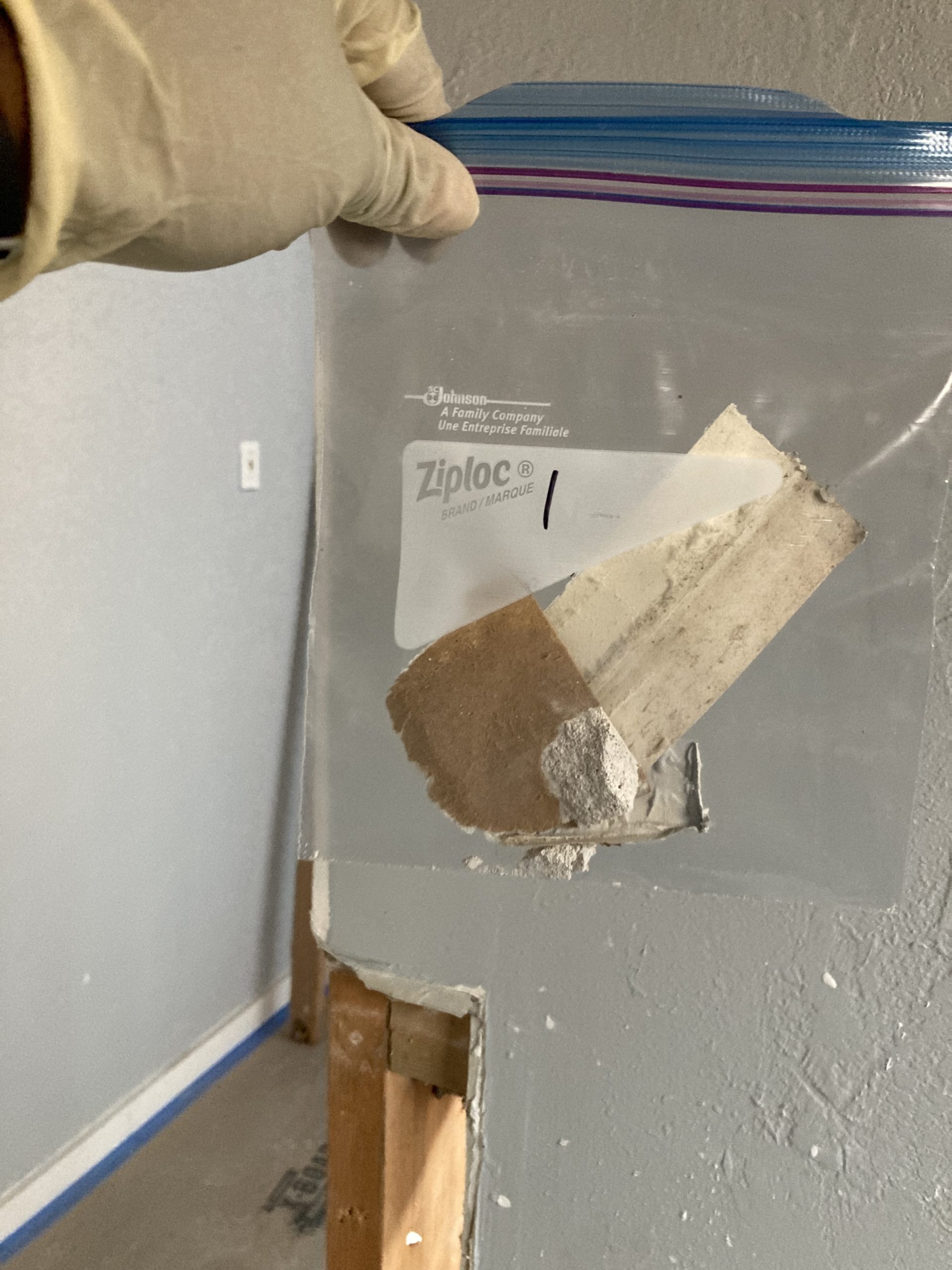
- Sampling: Collecting small samples from suspected ACMs using approved sampling methods.
- Preparation: Preparing the samples for analysis, which may involve crushing or grinding the material.
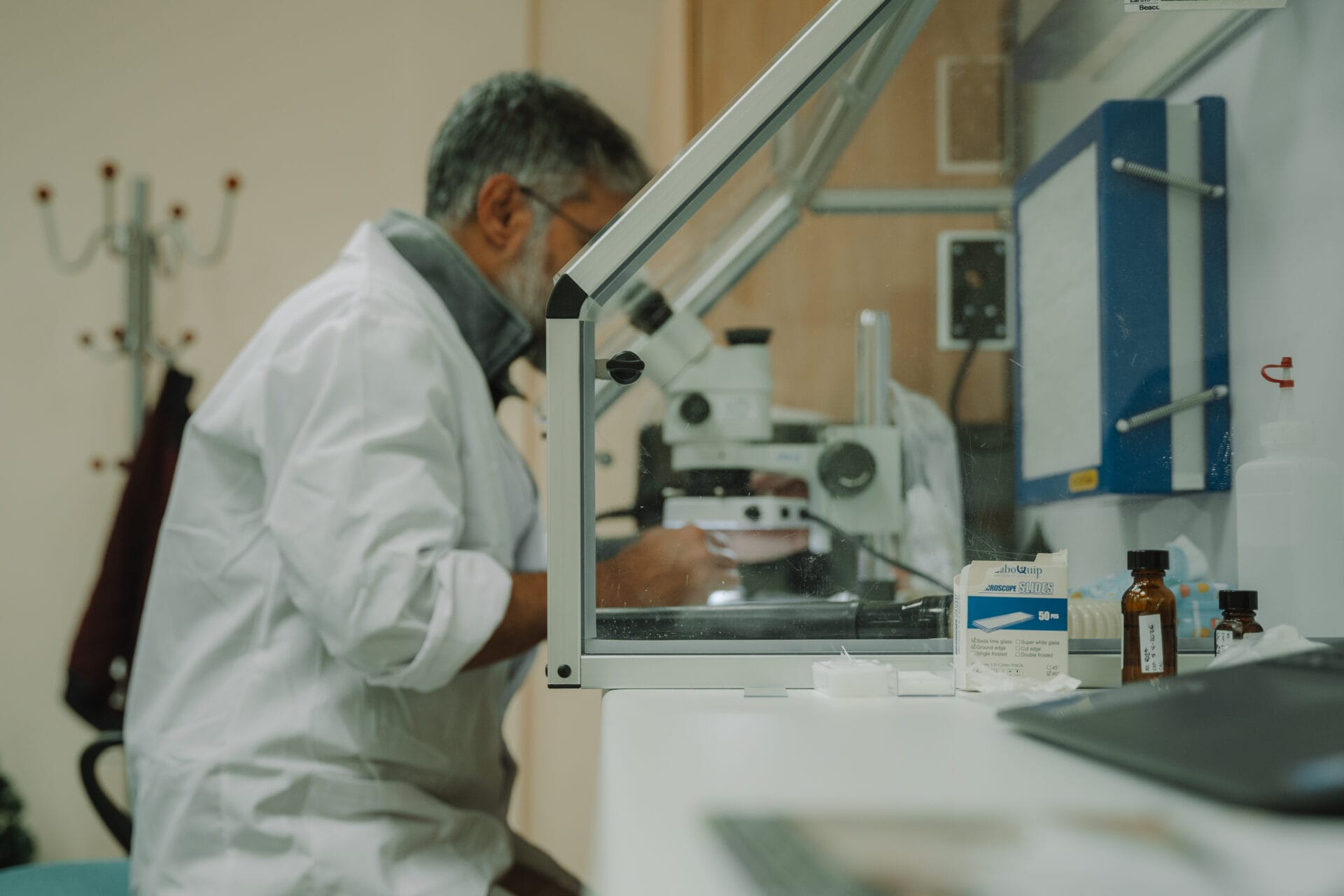
- Analysis: Conducting laboratory tests to identify and quantify the asbestos fibers present in the sample.
Types of Asbestos Testing Laboratories
Asbestos testing laboratories come in various shapes and sizes, offering a range of services to suit different needs. Some common types of asbestostesting laboratories include:
- Certified Laboratories: Accredited by organizations such as the National Environmental Laboratory Accreditation Program (NELAP) or the American Association for Laboratory Accreditation (A2LA).
- Specialized Laboratories: Focused on specific types of testing, such as polarized light microscopy (PLM) or transmission electron microscopy (TEM).
- Environmental Laboratories: Conducting testing for asbestos, lead, mold, and other environmental pollutants.
Why is Asbestos Testing Required?
Asbestos testing is essential to ensure the safety of occupants, protect against health hazards, and comply with regulatory requirements. Some reasons why asbestos testing is required include:
- Health Risks: Exposure to asbestos fibers can cause serious health issues, such as asbestosis, lung cancer, and mesothelioma.
- Regulatory Compliance: Many jurisdictions have laws and regulations that require asbestos testing and removal of ACMs.
- Property Transactions: Buyers and sellers of properties may require asbestos testing as a condition of sale or purchase.

How to Choose the Right Asbestos Testing Laboratory?
Choosing the right asbestos testing laboratory is crucial to ensure accurate and reliable results. Consider the following factors when selecting a laboratory:
- Accreditation: Look for laboratories accredited by recognized accrediting bodies.
- Experience: Choose a laboratory with experience in conducting asbestos testing.
- Services: Ensure the laboratory offers the specific services you require.
- Turnaround Time: Consider the laboratory's turnaround time to ensure you receive results promptly.
Conclusion
Asbestos testing laboratories play a critical role in assessing and mitigating asbestos-related risks. By understanding the types of asbestostesting laboratories, the testing process, and the importance of asbestos testing, you can protect yourself, your occupants, and the environment from the dangers of asbestos. Always choose a reputable and accredited laboratory to ensure accurate and reliable results.
Asbestos Testing Laboratories in the US and Canada
There are many asbestos testing laboratories in the US and Canada that offer a range of services. Some examples of certified asbestostesting laboratories include:
- Applied Technical Services (ATS)
- EMSL Testing Lab Locations
- AIH Laboratory
- SanAir
- Moody Labs
- PELLaboratories
- Lucion
- Lifetree Environmental Pty Ltd
- LAB(UK) Limited
- Envirolab Services
These laboratories are accredited by recognized accrediting bodies and offer a range of services, including asbestostesting, sampling, and analysis. Be sure to research and choose a laboratory that meets your specific needs and requirements.