Building a Remote Team using Project Management Methodologies
As the world becomes increasingly digital, remote work has become the new norm. Gone are the days of traditional office setups, where team members are physically present and can easily communicate with each other. Today, teams are dispersed across the globe, and project managers must adapt to this new reality by using innovative project management methodologies.
The Challenges of Remote Project Management
Managing a remote team poses several challenges, including communication gaps, lack of trust, and coordination chaos. Without the face-to-face interaction, team members may feel disconnected and unmotivated, leading to poor productivity and decreased job satisfaction. Furthermore, remote teams often struggle with asynchronous communication, which can result in delays and misunderstandings.
The Importance of Project Management Methodologies
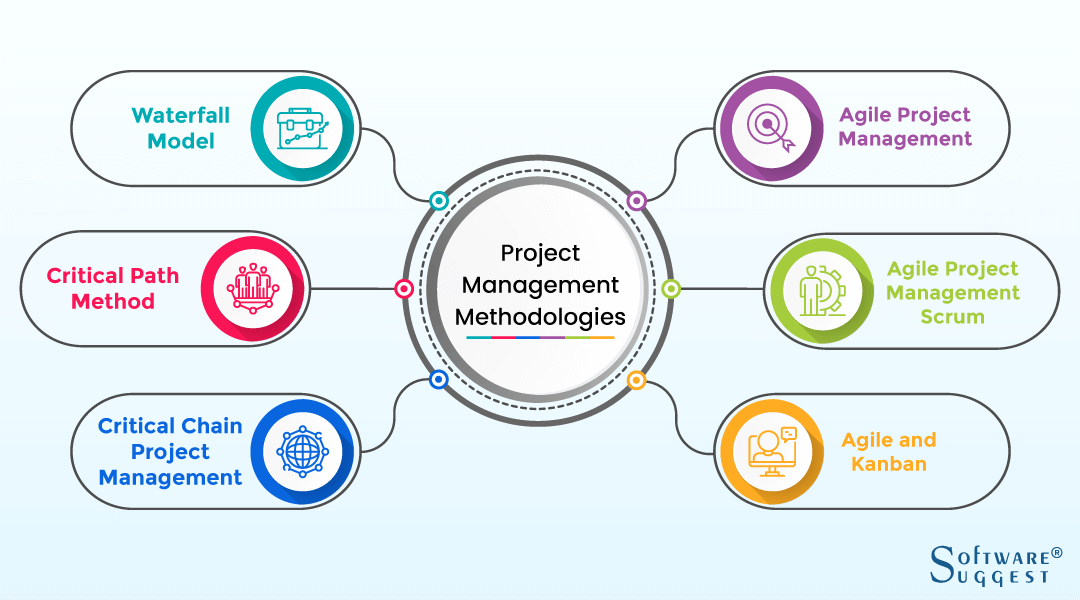
Project management methodologies offer a structured approach to managing projects, which is especially important for remote teams. These methodologies provide a clear framework for planning, executing, and controlling projects, ensuring that all team members are on the same page and working towards a common goal. By using project management methodologies, remote teams can overcome the challenges associated with distance and improve their overall performance.
Best Practices for Building a Remote Team using Project Management Methodologies
Here are some best practices for building a remote team using project management methodologies:
-
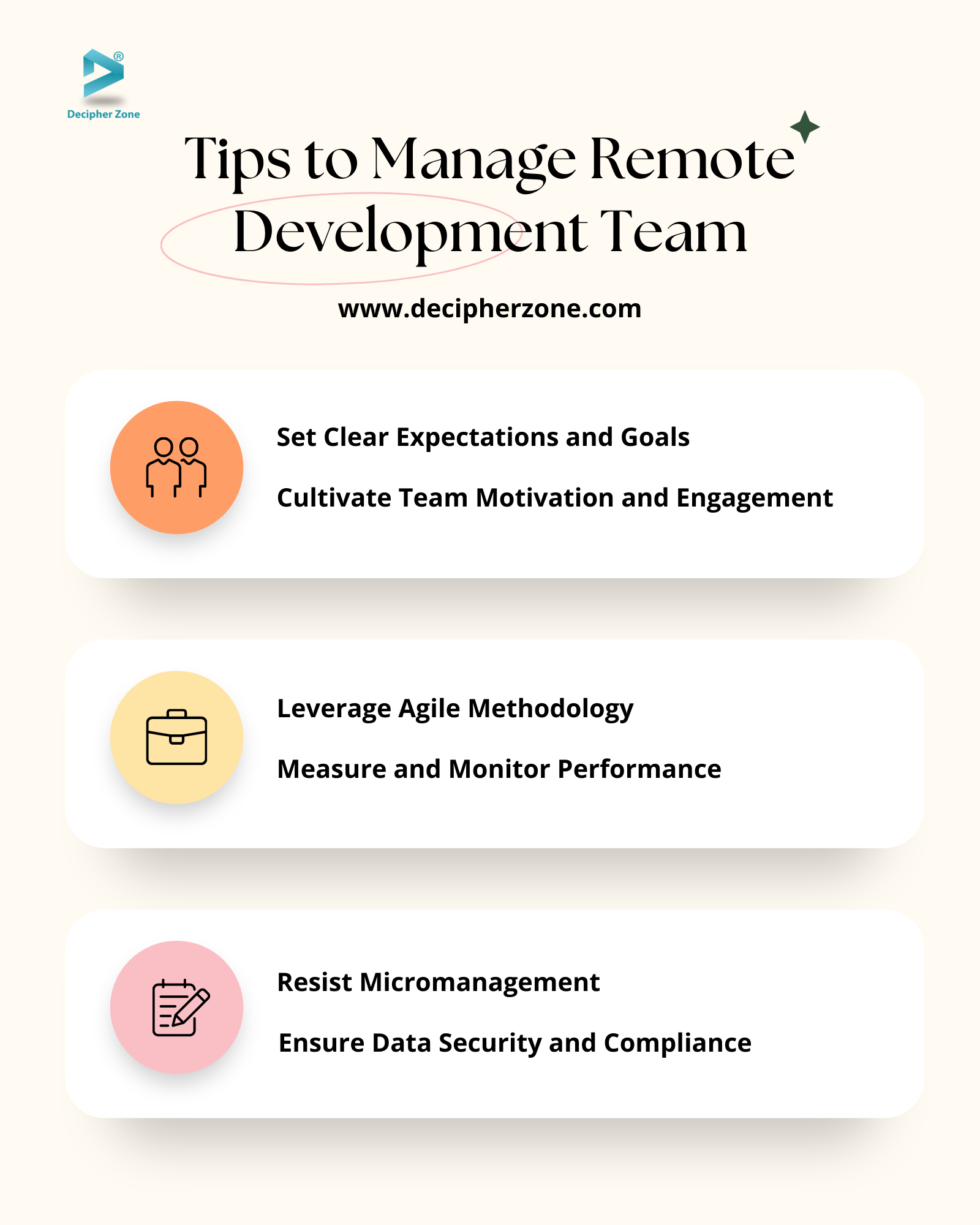
Establish Clear Goals and Objectives
Clearly define the project scope, deliverables, and success criteria to provide a roadmap for the team to follow. Ensure that all team members understand the project objectives and their roles and responsibilities.
-
Use Collaboration Tools
Utilize digital collaboration tools, such as project management software, video conferencing tools, and instant messaging apps, to facilitate communication and collaboration among team members.
-
Emphasize Communication and Transparency
Encourage open and transparent communication among team members, including regular updates, progress reports, and feedback. Use project management software to track progress and provide visibility into the project status.
-
Foster a Culture of Trust and Accountability
Build trust among team members by setting clear expectations, providing regular feedback, and recognizing individual contributions. Encourage accountability by establishing clear roles and responsibilities and providing regular check-ins.
-
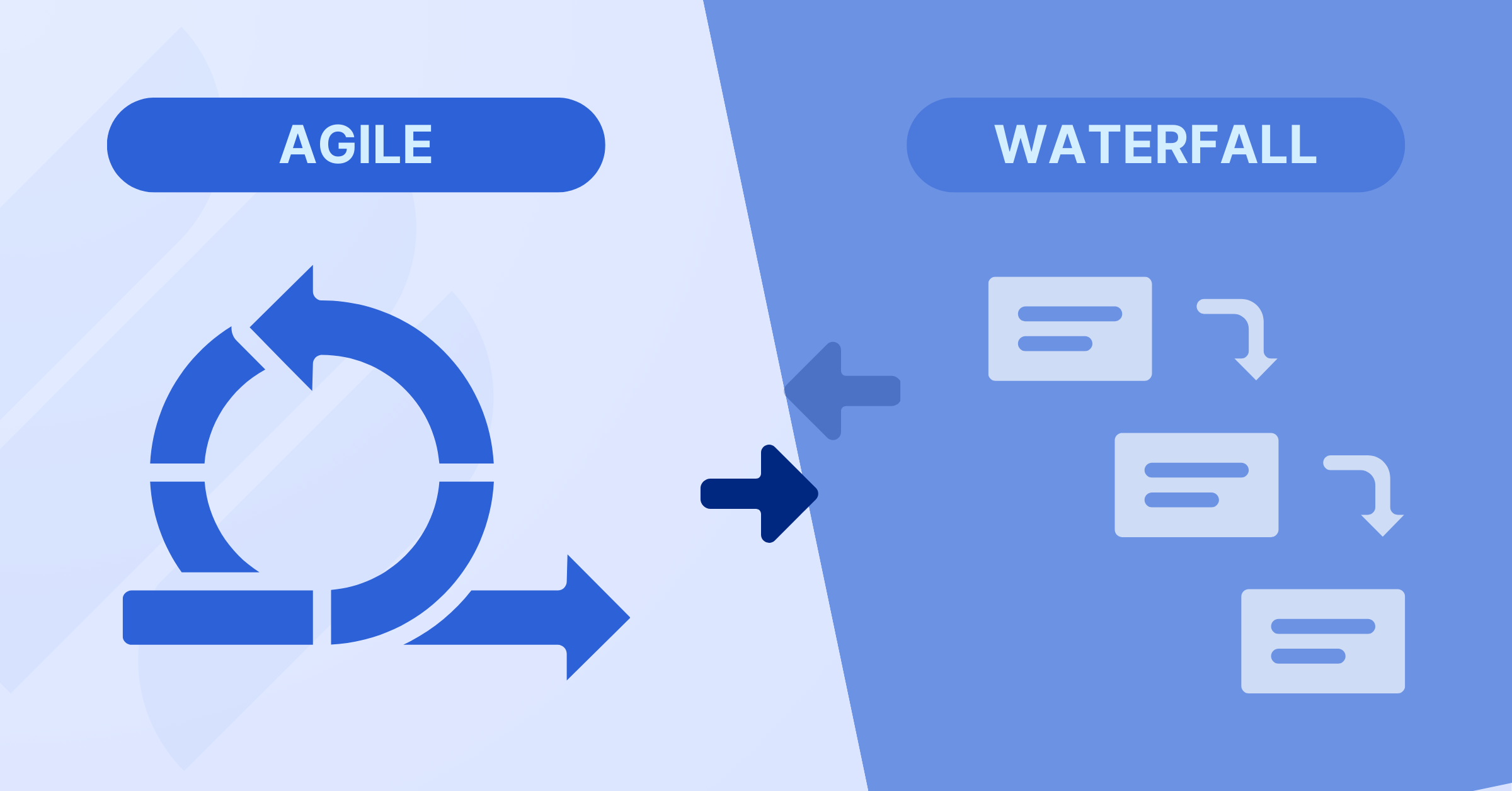
Use Project Management Methodologies
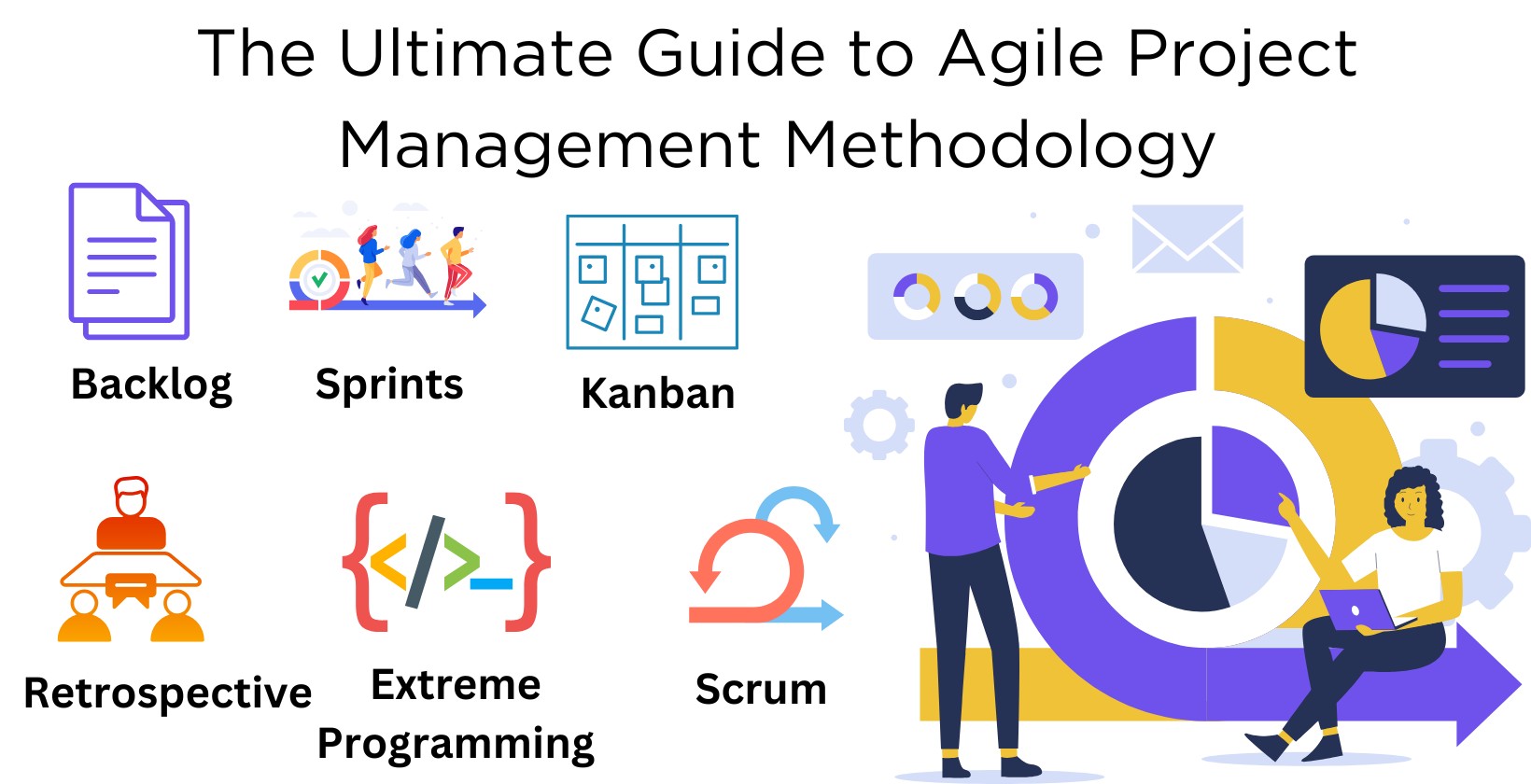
Adopt a project management methodology, such as Agile, Scrum, or Waterfall, to provide a structured approach to managing projects. Use project management tools to track progress, identify and mitigate risks, and ensure that the project stays on track.
Conclusion
Building a remote team using project management methodologies requires a structured approach to managing projects. By establishing clear goals and objectives, using collaboration tools, emphasizing communication and transparency, fostering a culture of trust and accountability, and using project management methodologies, remote teams can overcome the challenges associated with distance and improve their overall performance. By adopting these best practices, project managers can successfully build and manage remote teams using project management methodologies.