Carbon Credit Trading Risk Management: Navigating the Complex Landscape
The carbon credit trading market has experienced significant growth in recent years, driven by increasing demand for renewable energy and sustainable practices. However, this market is also characterized by high risks, particularly in terms of credit risk, delivery risk, and value risk. In this article, we will explore the intricacies of carbon credit trading risk management and discuss strategies for mitigating these risks.
The Rise of Carbon Credit Trading
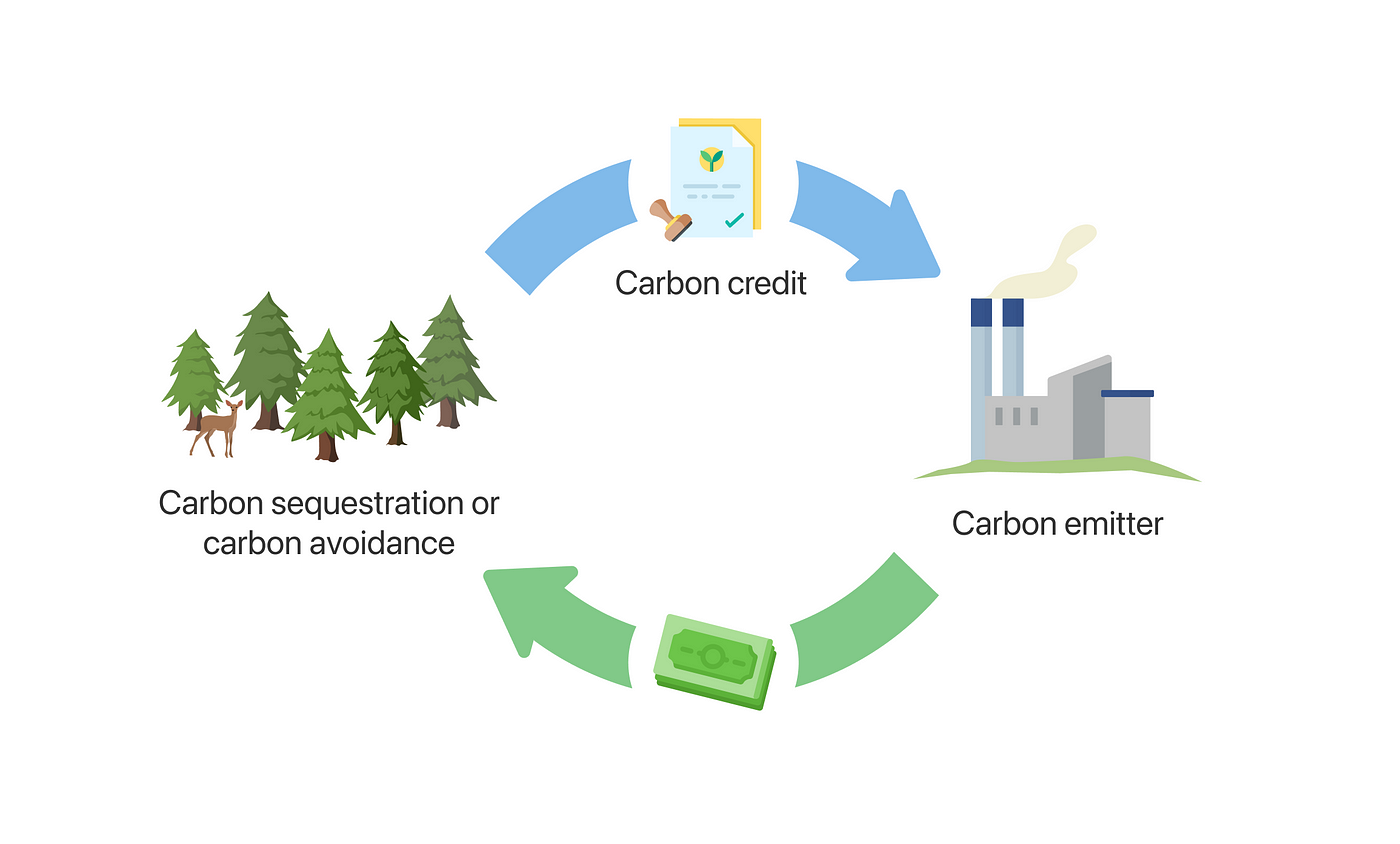
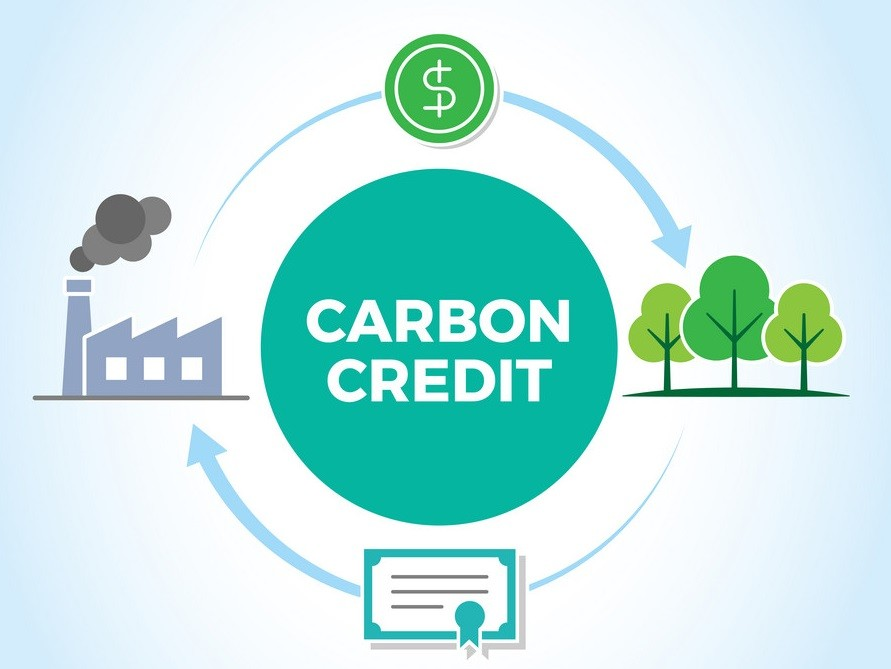
Carbon credit trading is a market-based mechanism for reducing greenhouse gas emissions. The market has grown rapidly, with voluntary carbon markets (VCMs) and compliance markets (CMs) experiencing significant demand. However, this growth has also led to concerns about credit quality and integrity, which can impact market stability and investor confidence.
Risk Management in Carbon Credit Trading
Risk management is a critical aspect of carbon credit trading. The three primary risk categories associated with carbon credit investments are integrity risk, delivery risk, and value risk. Integrity risk refers to the potential for credits to be issued under false pretenses or without adequate verification. Delivery risk arises from the possibility that credits may not be delivered as promised. Value risk occurs when the value of credits fluctuates due to market changes or other factors.
- Integrity risk: This risk can arise from the misrepresentation of carbon credits or the issuance of credits without adequate verification.
- Delivery risk: This risk occurs when carbon credits are not delivered as promised, either due to delays or failure to deliver.
- Value risk: This risk arises when the value of carbon credits fluctuates due to market changes or other factors.
Strategies for Risk Management
To mitigate these risks, investors and traders can employ several strategies, including:
- Rigorous due diligence: Conducting thorough research and analysis of carbon credit projects and their underlying assets.
- Third-party ratings: Obtaining ratings from reputable third-party providers to assess credit quality and integrity.
- Portfolio diversification: Spreading investments across various carbon credit projects and asset classes to minimize exposure to individual risks.
- Comprehensive data analysis: Utilizing advanced data analytics to monitor and assess carbon credit performance and market trends.
Compliance and Voluntary Credits
The carbon credit market includes both compliance credits, which are issued under the EU Emissions Trading System (EU ETS), and voluntary credits, which are sold on the voluntary carbon market (VCM). Compliance credits are subject to strict regulations and verification requirements, whereas voluntary credits are subject to less stringent standards. Understanding the differences between these two types of credits is crucial for effective risk management.
Regulatory Impacts and Emerging Risks
The carbon credit market is subject to various regulations and standards, including the EU's Carbon Pricing Rule and the International Carbon Reduction and Offset Alliance (ICROA) standards. However, these regulations and standards can create emerging risks, such as changes in market demand, supply chain disruptions, and shifts in regulatory requirements. Effective risk management requires staying informed about these developments and adjusting strategies accordingly.
Conclusion
Carbon credit trading risk management is a complex and multifaceted issue. By understanding the various risks associated with carbon credit investments and employing effective risk management strategies, investors and traders can minimize their exposure to these risks and capitalize on the growth opportunities in this market. As the carbon credit market continues to evolve, it is essential to stay informed about emerging trends, regulations, and market developments to ensure successful risk management and optimal returns.