Carbon Credit Trading for Businesses: Unlocking Opportunities and Minimizing Emissions
The global effort to combat climate change has led to innovative solutions, and carbon credits are a key financial mechanism among them. Carbon credit trading platforms enable businesses to offset unavoidable greenhouse gas (GHG) emissions by investing in projects that reduce, avoid, or remove carbon from the atmosphere. The carbon credits system incentivizes businesses to minimize their carbon footprint and drives sustainable growth.
Understanding Carbon Credit Trading
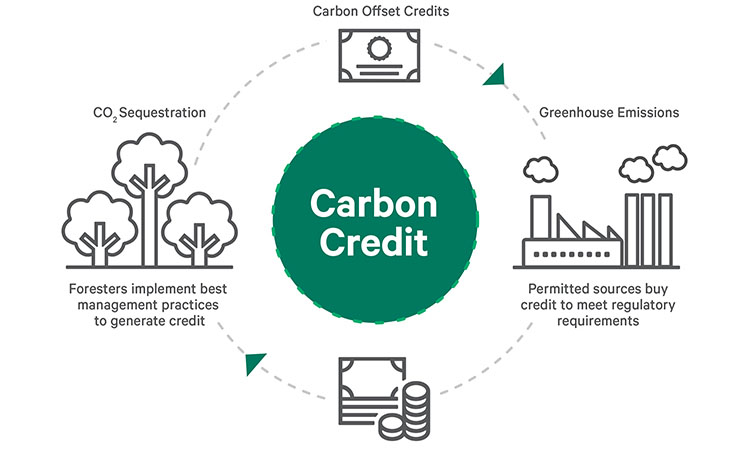
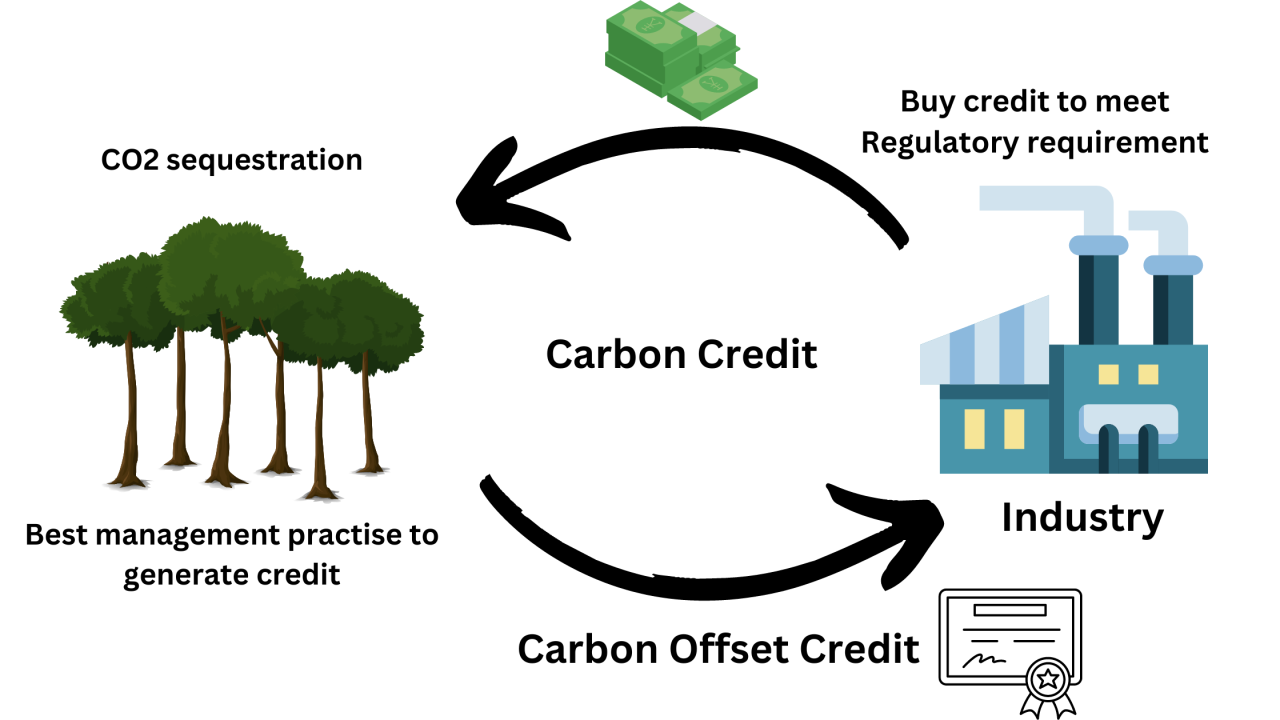
- Carbon credits represent one metric ton of carbon dioxide removed or avoided through climate projects such as reforestation, renewable energy, or methane capture.
- Carbon exchanges help price discovery, market liquidity, and transparent trading.
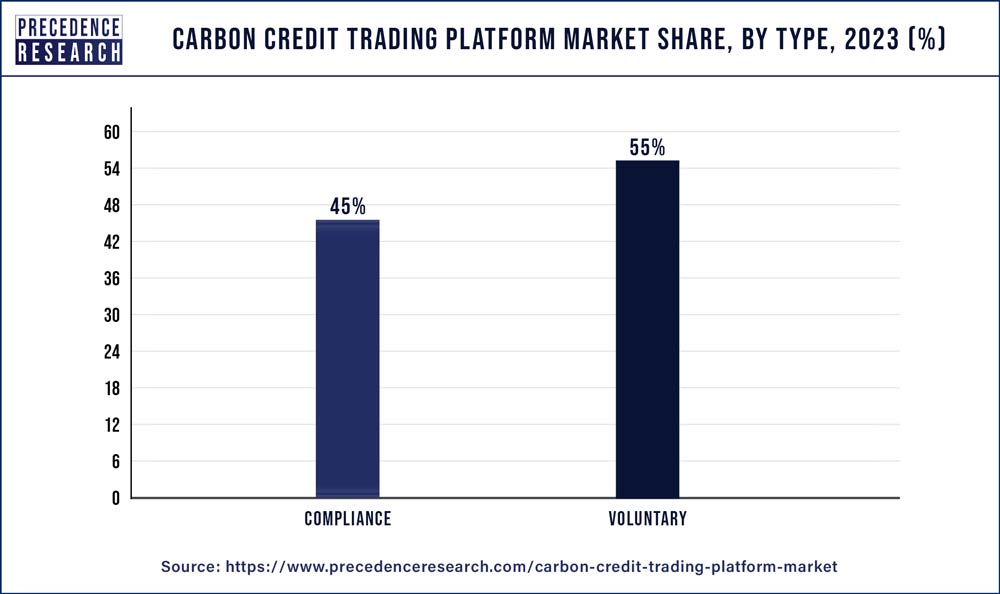
- Carbon credits can be sold in voluntary or compliance markets, with the former driven by corporate social responsibility and the latter by regulatory compliance.
The Benefits of Carbon Credit Trading for Businesses
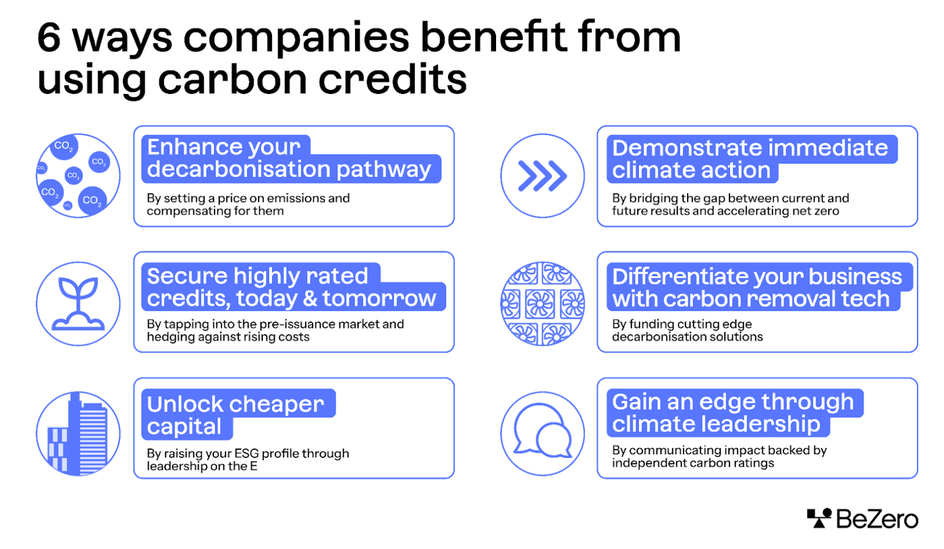
Carbon credit trading offers several benefits for businesses, including:
-
Reduced carbon footprint and greenhouse gas emissions.
-
Increased brand reputation and corporate social responsibility.
-
Access to new revenue streams through carbon credit sales or carbon offsetting.
-
Improved product competitiveness and market differentiation.
-
Facilitated compliance with carbon pricing regulations and tax incentives.
-
Enhanced stakeholder engagement and investor confidence.
Key Players and Market Trends
Several key players and market trends are shaping the carbon credit trading landscape, including:
- The growth of blockchain-based trading platforms and tokenized carbon credits.
- The increase in demand for renewable energy and energy efficiency projects.
- The rising interest in green finance and sustainable investing.
- The development of national emission trading programs and carbon credit trading schemes.
Best Practices for Carbon Credit Trading
To maximize the benefits of carbon credit trading, businesses should follow best practices, including:
- Conducting thorough carbon footprint assessments and emissions inventory.
- Selecting high-quality carbon credits from verified projects.
- Understand the regulatory framework and compliance requirements.
- Engaging stakeholders and investors on carbon credit trading strategies.
- Monitoring and reporting on carbon credits and emissions data.
Conclusion
Carbon credit trading provides a unique opportunity for businesses to minimize their carbon footprint, drive sustainable growth, and gain a competitive advantage in the market. By understanding the benefits, key players, and market trends, and following best practices, businesses can unlock the full potential of carbon credit trading and contribute to a low-carbon economy.
![Top 6 Carbon Credit Trading Platforms in 2026 [Full Review]](https://climatesort.com/wp-content/uploads/2025/02/Climatesort-Infographs-2-e1739445712161.png "Top 6 Carbon Credit Trading Platforms in 2026 [Full Review]")