Understanding Carbon Footprint Reduction Credits
Copies of carbon credit certificates (carbon credits) are mounted on a computer screen. The carbon credit is a tradeable certificate that represents the reduction or removal of one ton of carbon dioxide (CO2) or an equivalent amount of other greenhouse gases (GHGs) from the atmosphere.
What are Carbon Footprint Reduction Credits?
Carbon footprint reduction credits are tradable certificates that represent the reduction or removal of greenhouse gas emissions. These credits are generated by projects that reduce emissions, such as reforestation, renewable energy, carbon capture, and energy efficiency. They are an essential tool for mitigating the effects of climate change and are created to incentivize the reduction of greenhouse gas emissions.
How do Carbon Credits Work?
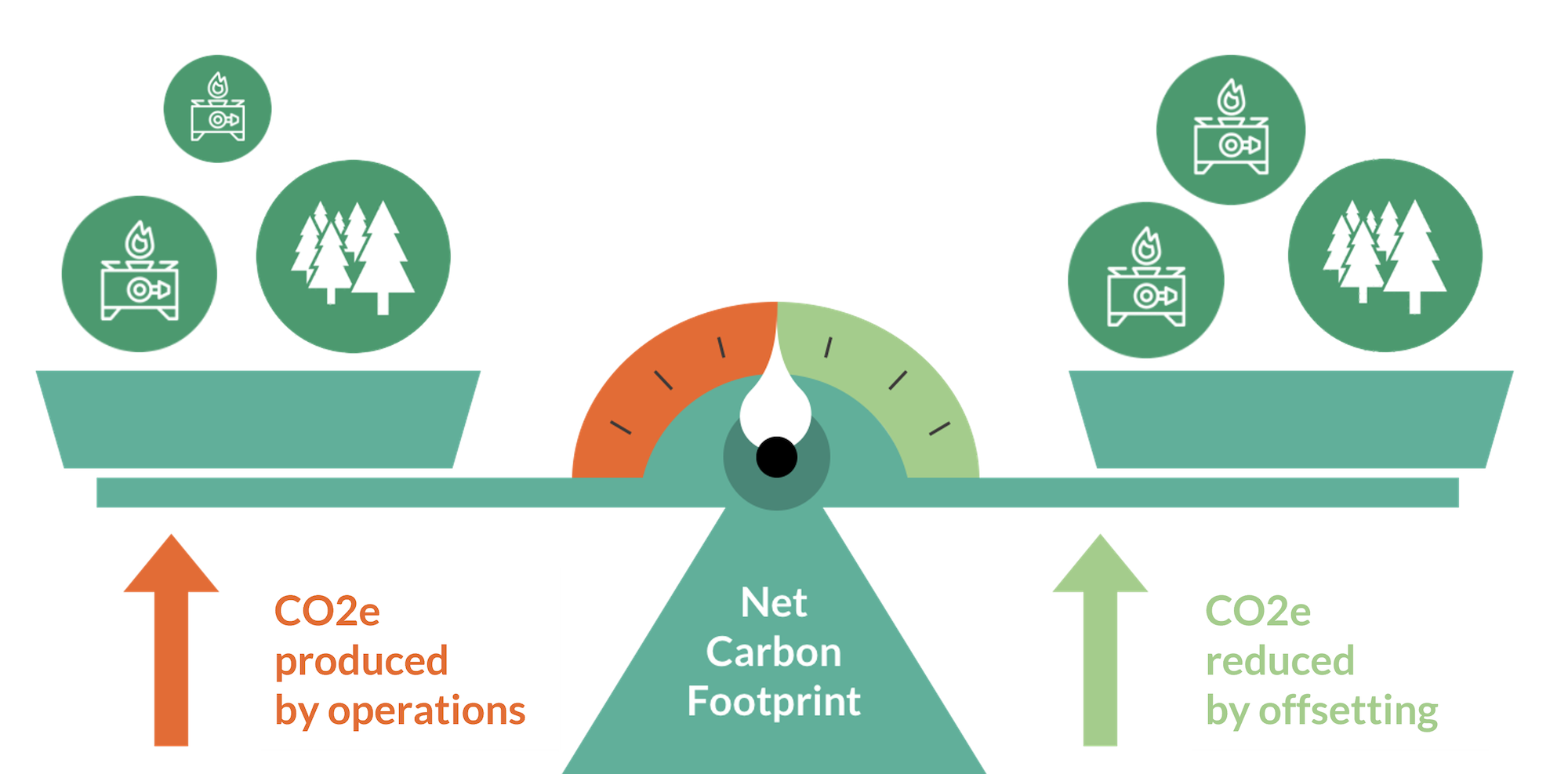
A carbon credit is a tradeable certificate that represents the reduction or removal of one ton of carbon dioxide (CO2) or an equivalent amount of other greenhouse gases (GHGs) from the atmosphere. When a company or individual purchases a carbon credit, they are essentially paying for the reduction or removal of greenhouse gas emissions that would have been released into the atmosphere. This can be done through various means, such as investing in renewable energy projects, reforestation efforts, or carbon capture technology.
Benefits of Carbon Credits
- Carbon credits provide a financial incentive for companies and individuals to reduce their greenhouse gas emissions.
- They help to mitigate the effects of climate change by reducing the amount of greenhouse gases in the atmosphere.
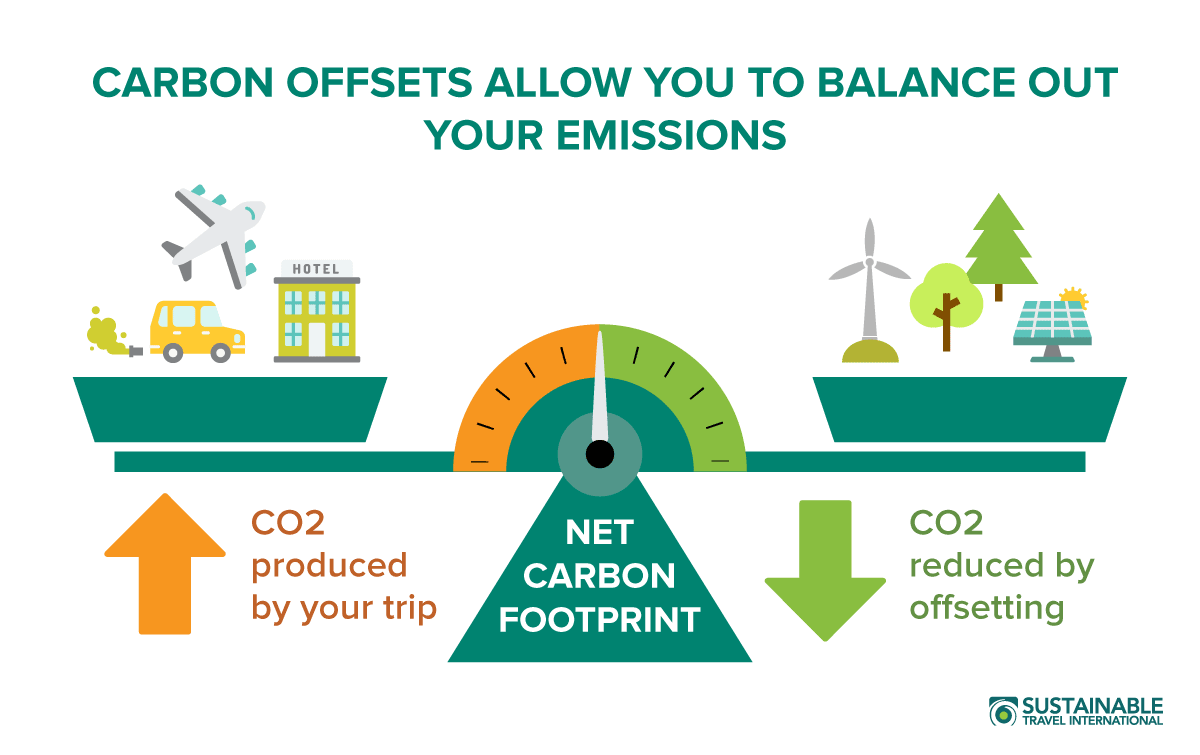
- Carbon credits can be used to offset emissions from various activities, such as air travel, energy consumption, and industrial processes.
- They can be traded on carbon markets, allowing companies and individuals to buy and sell credits to meet their emissions reduction targets.
Applications of Carbon Credit
- Renewable Energy Projects: Carbon credits can be generated by investing in renewable energy projects, such as wind farms or solar power plants.
- Reforestation Efforts: Reforestation projects can generate carbon credits by planting trees and reducing the amount of carbon dioxide in the atmosphere.
- Carbon Capture Technology: Carbon capture and storage technology can generate carbon credits by capturing and storing carbon dioxide emissions from industrial processes.
- Energy Efficiency Projects: Energy efficiency projects, such as retrofitting buildings with energy-efficient lighting, can also generate carbon credits.
Conclusions
CARBON FOOTPRINT REDUCTION CREDITS (CFRC) is a powerful tool for mitigating climate change by incentivizing the reduction of greenhouse gas emissions. By understanding how carbon credits work, the benefits of carbon credits, and their various applications, companies and individuals can make informed decisions about how to reduce their carbon footprint and contribute to a more sustainable future.
References
- United Nations Framework Convention on Climate Change (UNFCCC)
- International Finance Corporation (IFC)
- Global Carbon Project (GCP)
- Intergovernmental Panel on Climate Change (IPCC)

.png "Carbon Credits - 101: Everything You Need to Know")



:max_bytes(150000):strip_icc()/Carbon-markets-7972128_final-3e1deab003104299afd27a4de367ef4b.png "Carbon Footprint Energy Interactive Calculator | FIRGELLI")