Functional Kitchen Cabinet Layouts: A Guide to Maximizing Space and Efficiency
When it comes to designing a functional kitchen, the layout of the cabinets can make all the difference. A well-designed layout can optimize storage solutions, facilitate better workflow, and even impact the overall aesthetic of the space.
The Importance of Functionality in Kitchen Design
A functional kitchen is more than just a beautiful space – it's a space that meets the needs of the homeowner's lifestyle. Whether you're a busy parent, a culinary enthusiast, or a homeowner looking to create a comfortable cooking space, a functional kitchen layout is essential.
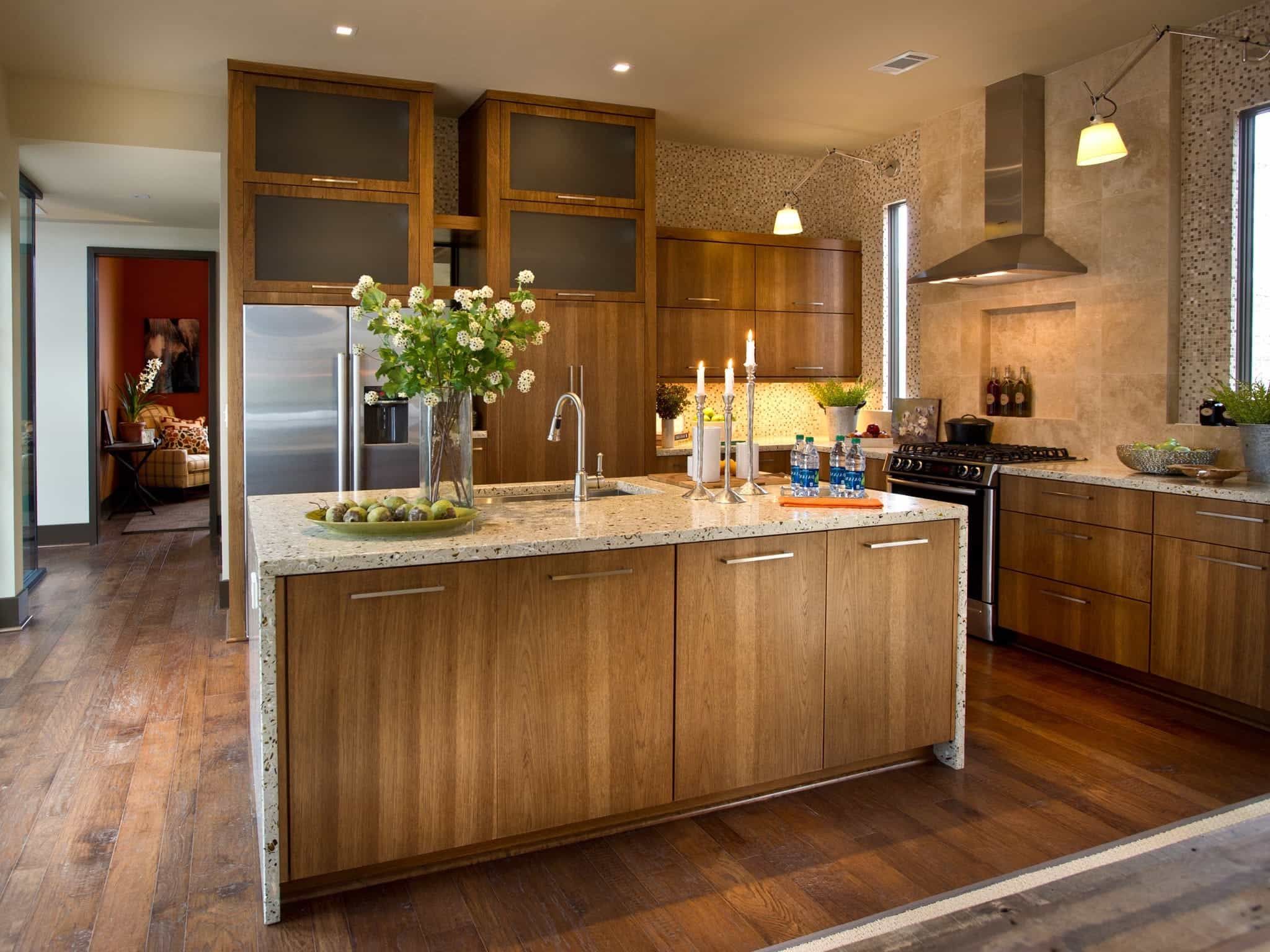
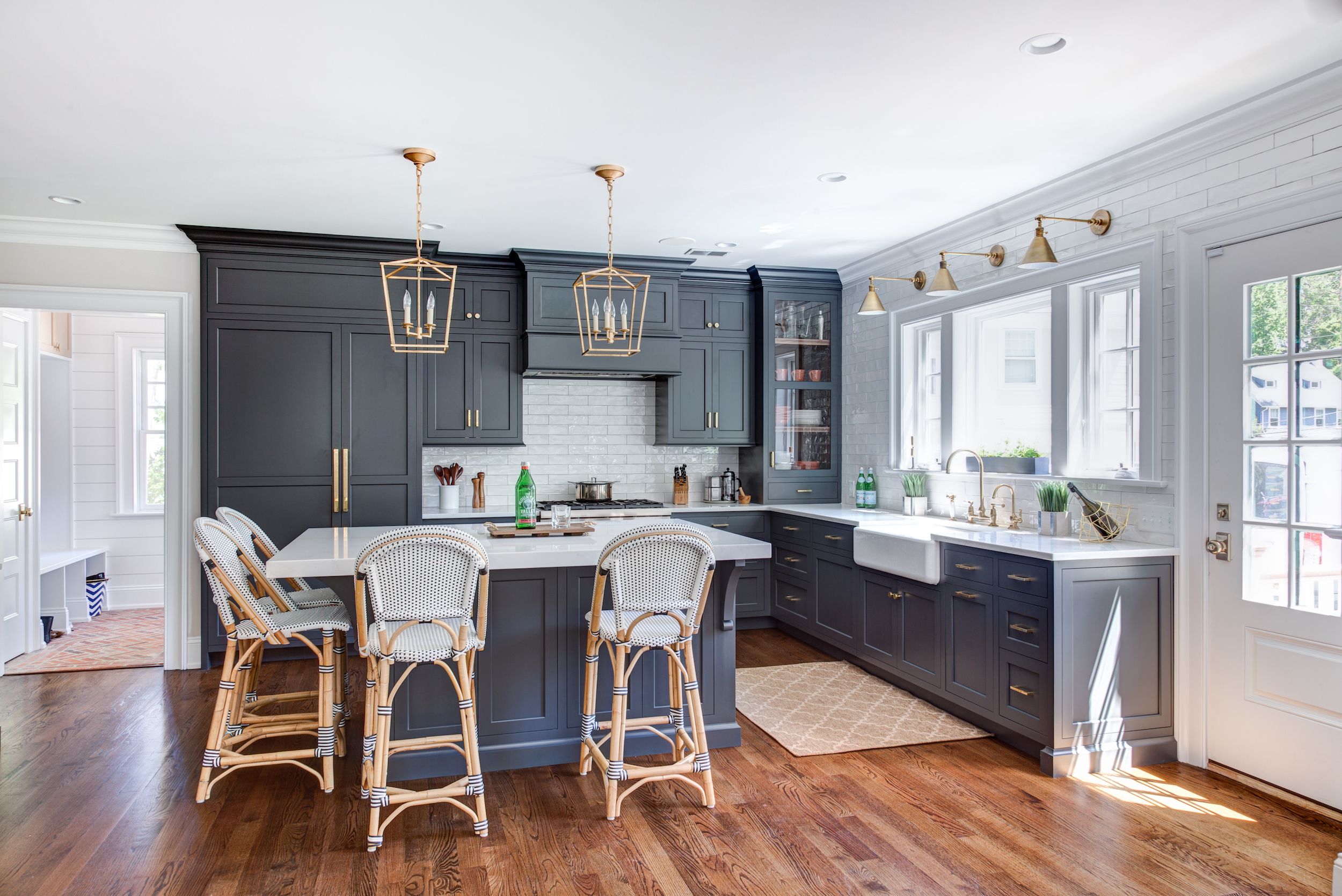
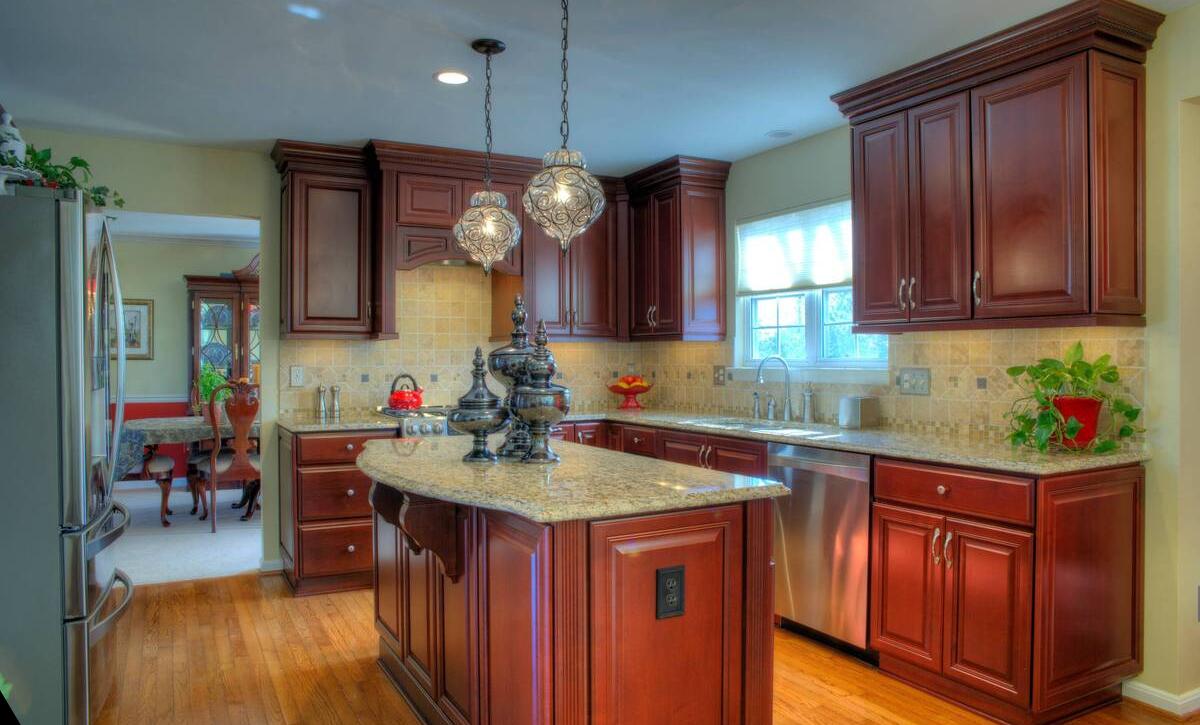
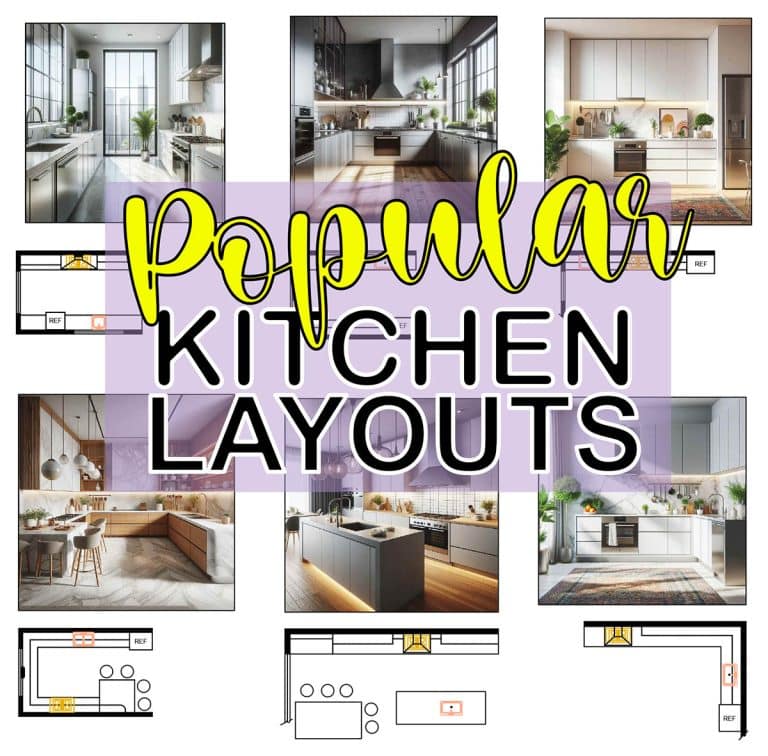
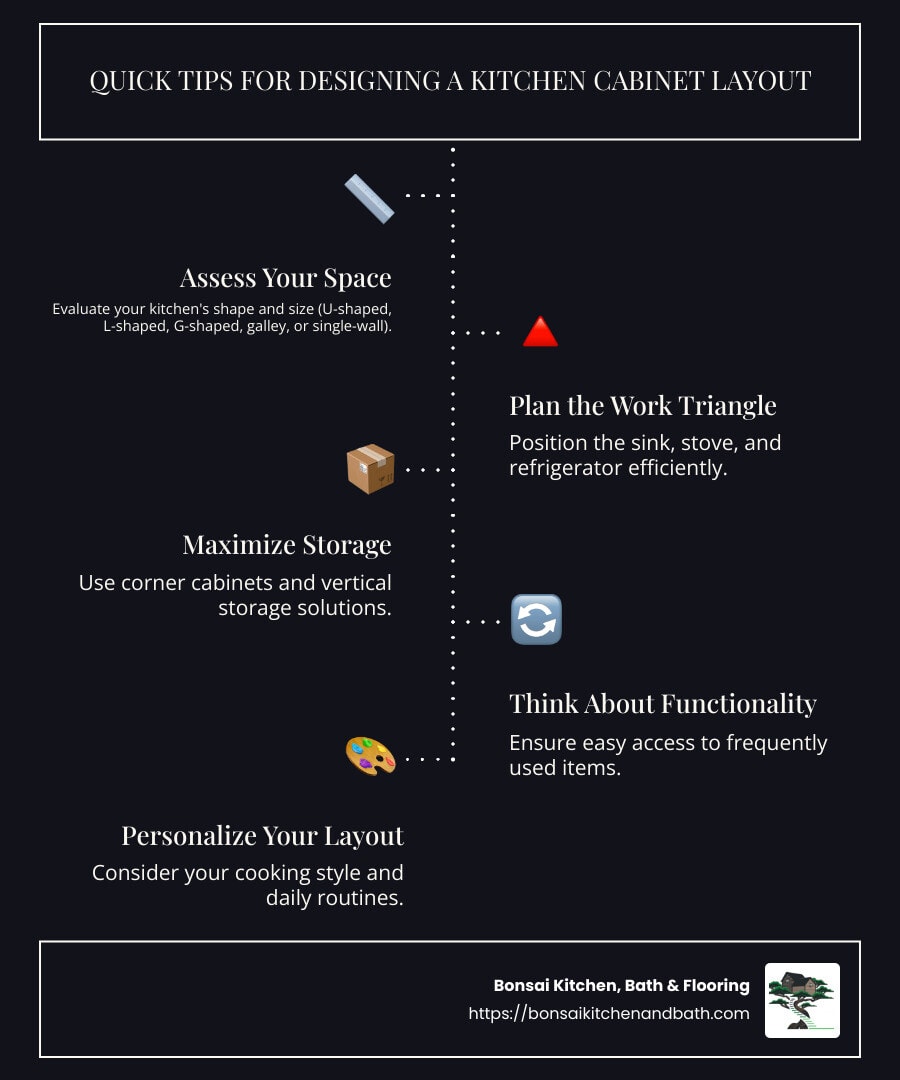
The key to a functional kitchen is a well-designed layout that prioritizes workflow, storage, and accessibility. By incorporating essential elements such as a "work triangle" concept, where the three primary work areas (sink, stove, and refrigerator) are connected in a triangular formation, you can create a kitchen that is efficient and comfortable to use.
Maximizing Vertical Space: A Key to Functional Kitchen Design
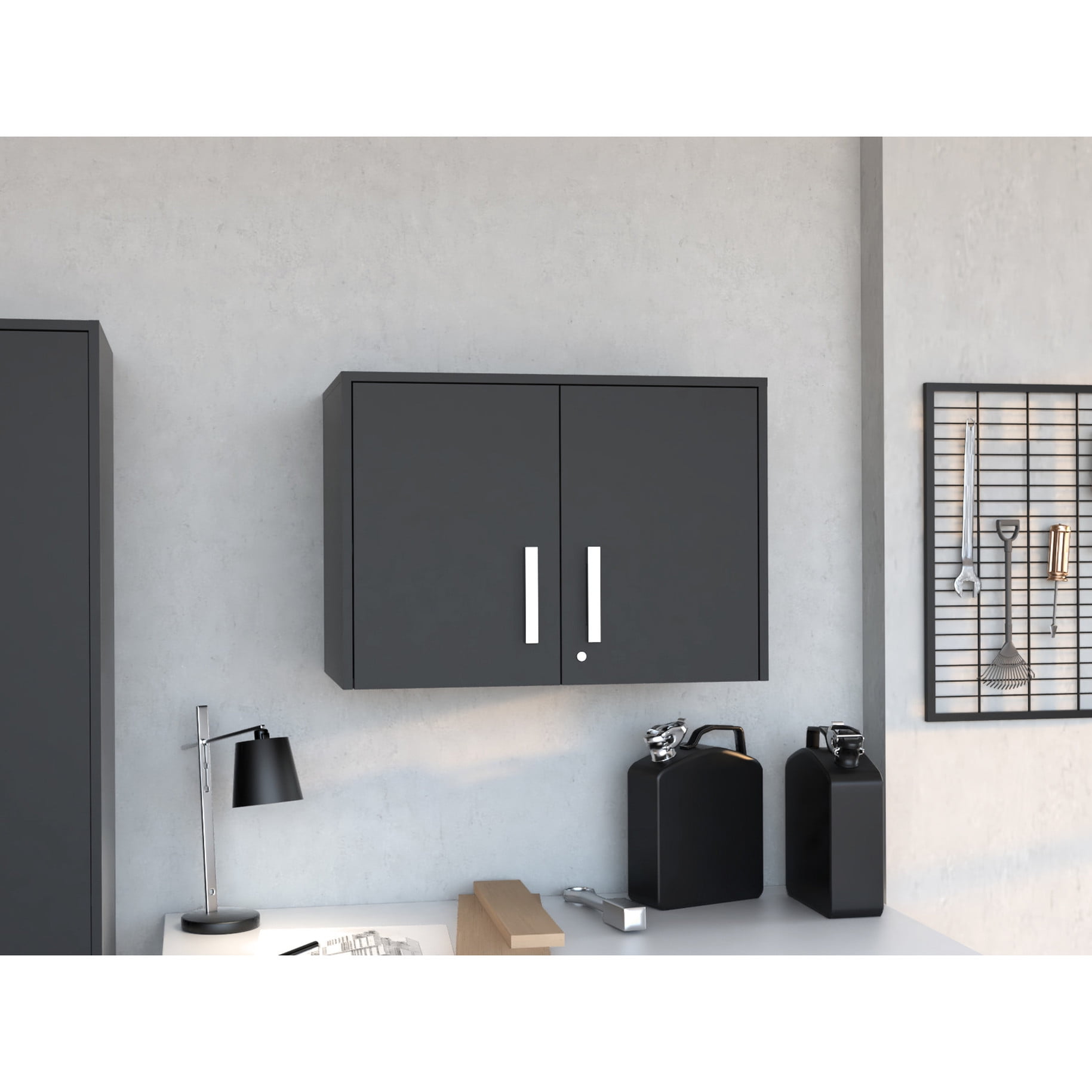
In today's small kitchen design, maximizing vertical space is crucial. By incorporating wall-to-ceiling cabinets, slim pull-outs, and modular corner units, small kitchens can feel functional, modern, and spacious.
- Vertical storage solutions help to keep the floor clear, reducing clutter and making the space feel larger.
- Slim pull-outs and modular corner units optimize storage, allowing you to fit more into a smaller space.
- Wall-to-ceiling cabinets provide additional storage for utensils, cookware, and other kitchen essentials.
The Benefits of Open Shelving and Minimalist White Cabinets
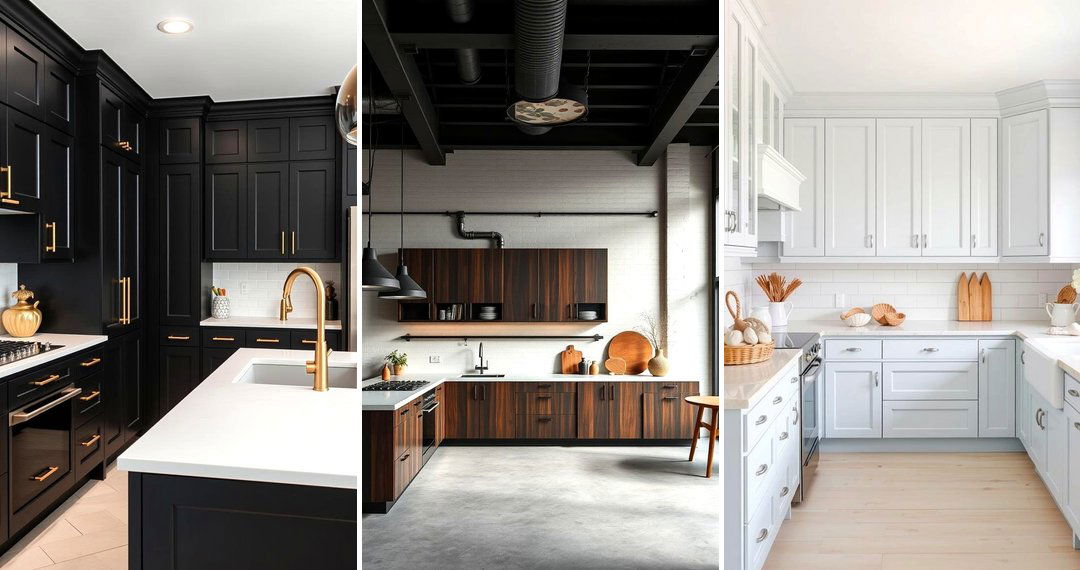
Open shelving and minimalist white cabinets are a popular choice for kitchen design. These versatile solutions suit farmhouse, modern, and contemporary styles, incorporating pull-out drawers and hidden compartments for a clutter-free environment that balances form and function.
- Open shelving adds visual interest to the space, while keeping frequently used items accessible.
- Minimalist white cabinets provide a clean and neutral backdrop for the kitchen, allowing you to add pops of color and personality through decor.
- Pull-out drawers and hidden compartments keep clutter out of sight, maintaining a sense of calm and organization.
7 Key Design Tips for a Functional Kitchen Layout
Designing a functional kitchen layout requires attention to detail and a careful consideration of workflow, storage, and accessibility. Here are 7 key design tips to help you create a kitchen that is both functional and stylish:
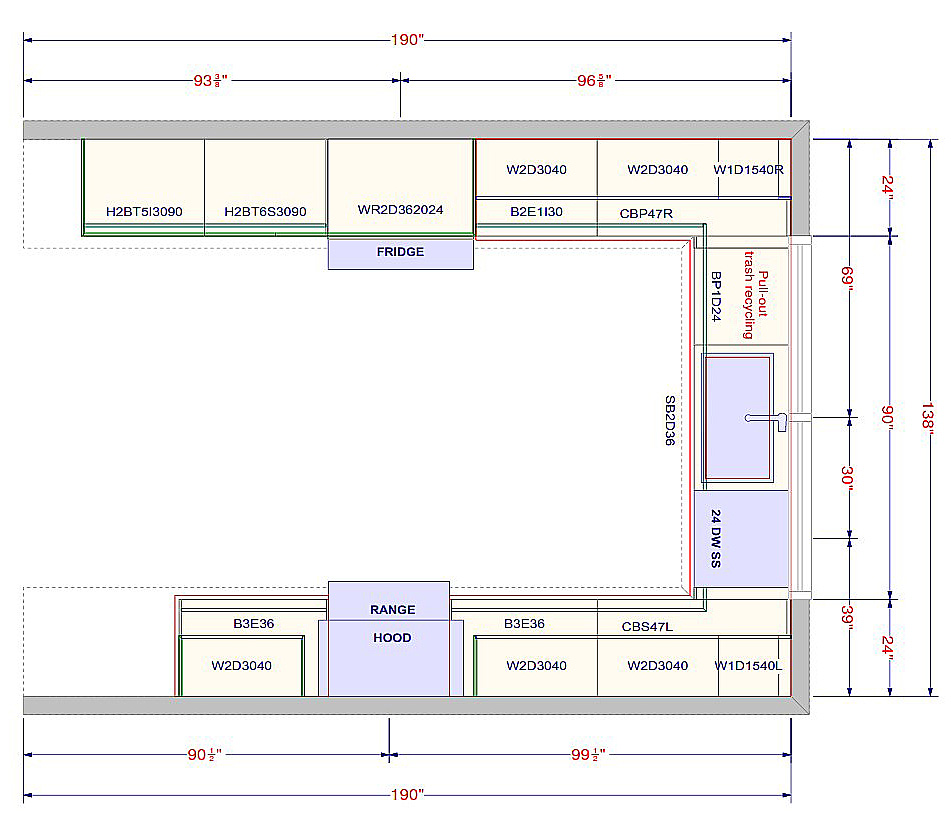
- Measure and map out the space to create a clear understanding of the room's dimensions and layout.
- Identify the primary work areas and create a "work triangle" concept to optimize workflow.
- Choose a layout that prioritizes natural light and ventilation.
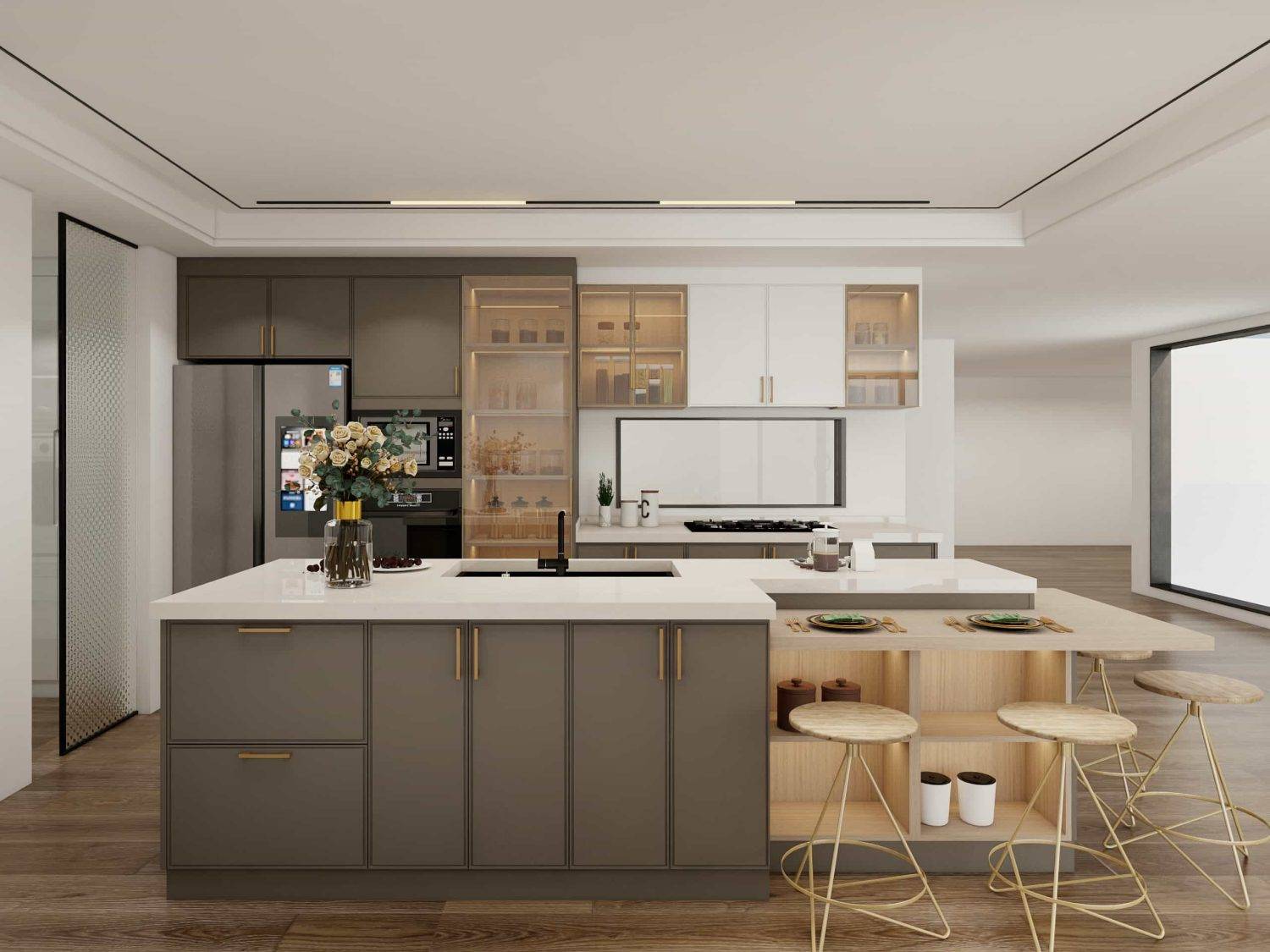
- Incorporate storage solutions that meet your needs, such as wall-to-ceiling cabinets and pull-out drawers.
- Select a color scheme and material palette that reflects your personal style and complements the room's layout.
- Add decorative elements, such as lighting and accessories, to enhance the space's aesthetic.
- Carefully plan the placement of appliances and electrical outlets to optimize workflow and reduce clutter.
Conclusion
A functional kitchen layout is essential for creating a space that meets the needs of the homeowner's lifestyle. By prioritizing workflow, storage, and accessibility, you can create a kitchen that is both efficient and comfortable to use. Remember to measure and map out the space, identify the primary work areas, and choose a layout that prioritizes natural light and ventilation. With these design tips and a careful consideration of your needs, you can create a functional kitchen layout that harmonizes efficiency with personalized design.