Cardiovascular Risk and GLP-1: Understanding the Complex Relationship
Introduction
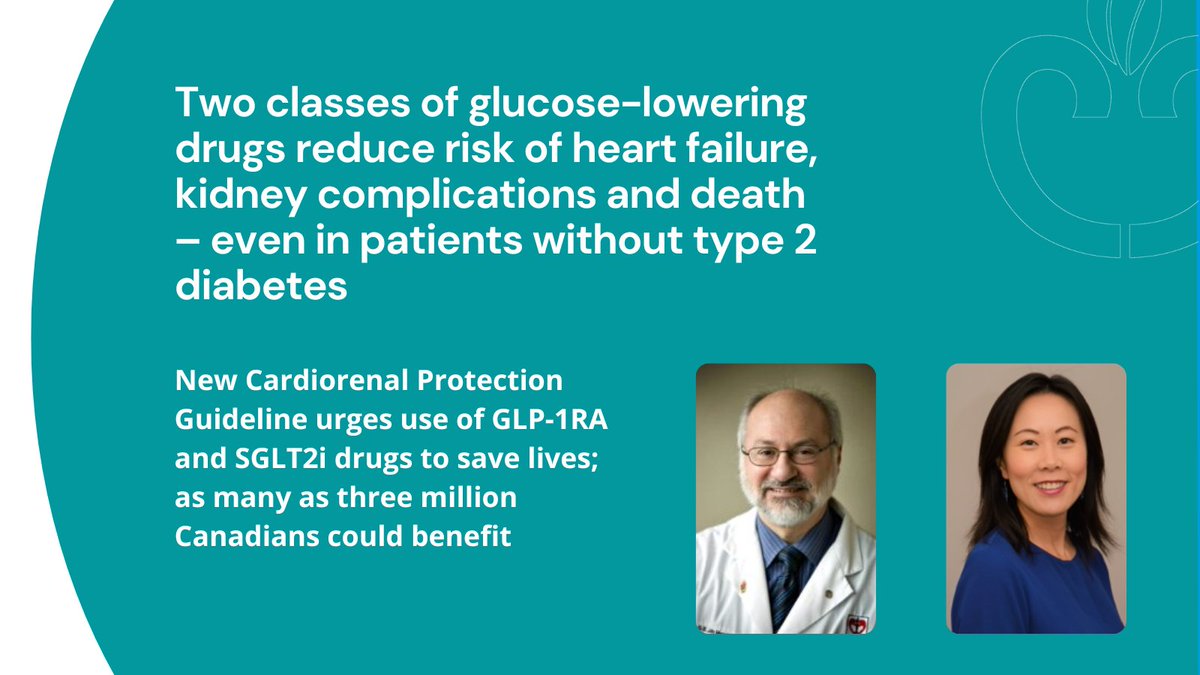
In recent years, glucagon-like peptide-1 receptor agonists (GLP-1RAs) have emerged as a valuable treatment option for patients with type 2 diabetes, demonstrating significant cardiovascular benefits. However, the safety and efficacy of GLP-1RAs across diverse populations remain insufficiently defined, and there is a need to explore the relationship between GLP-1Ras and cardiovascular risk.What is GLP-1 and How Does it Affect Cardiovascular Risk?
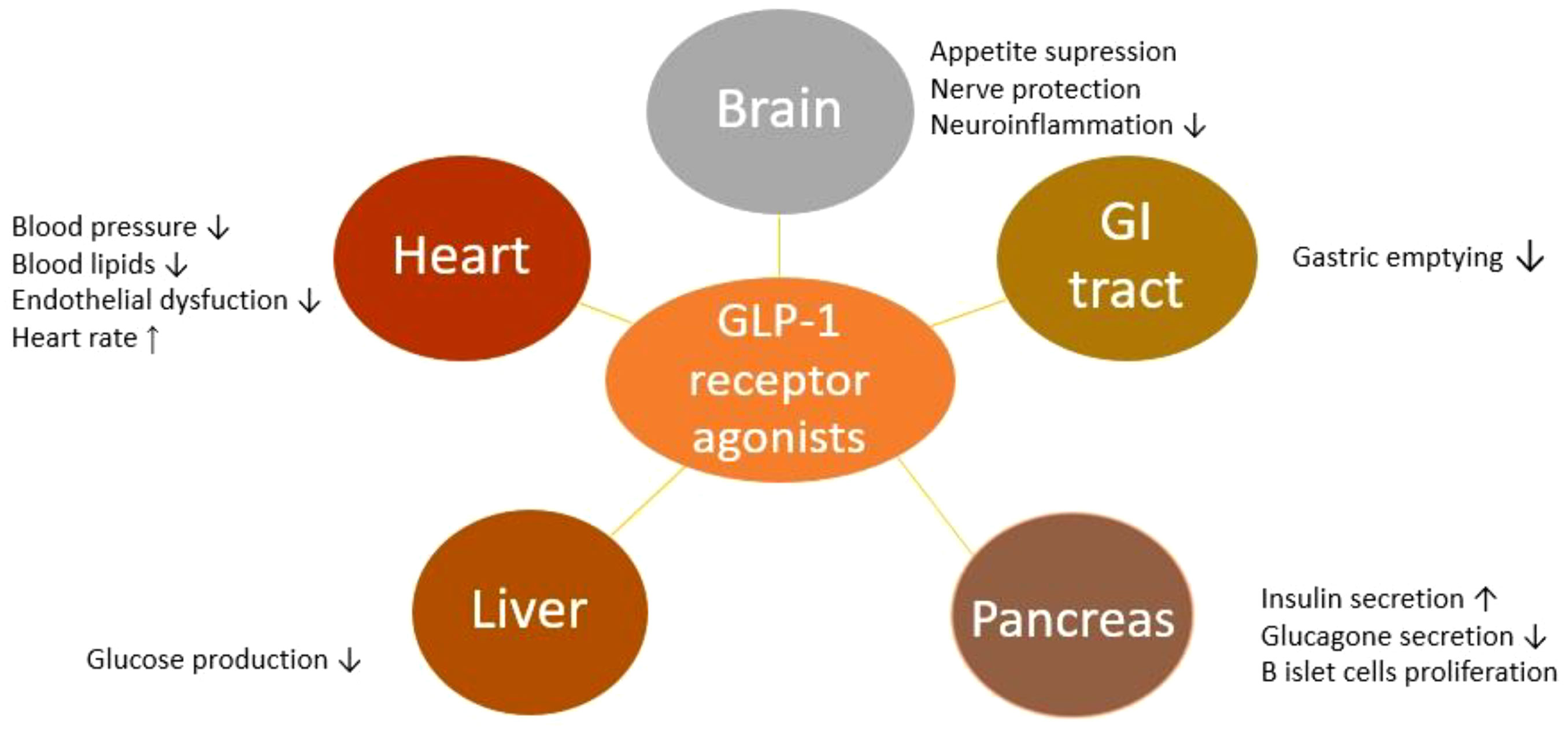
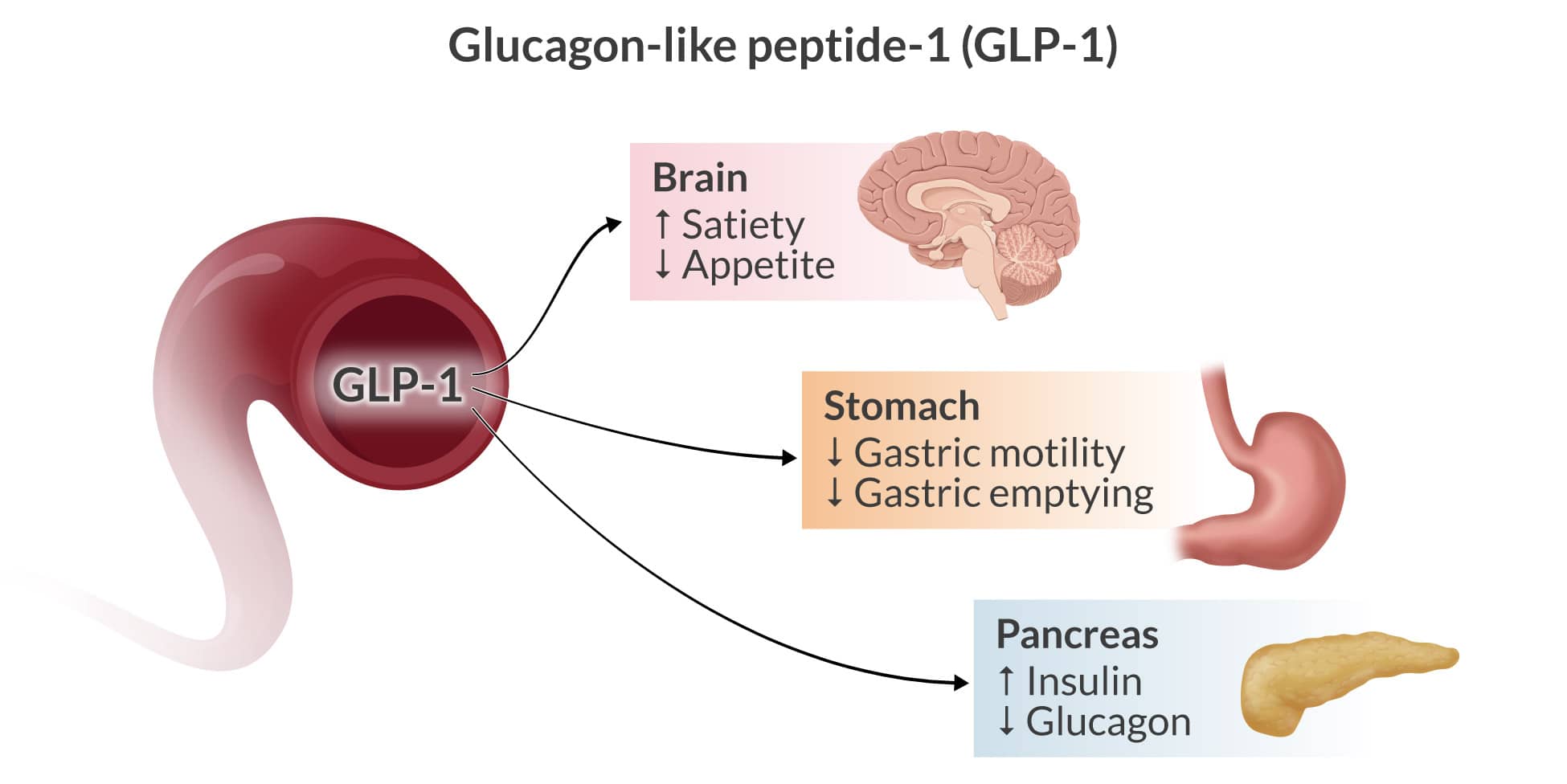
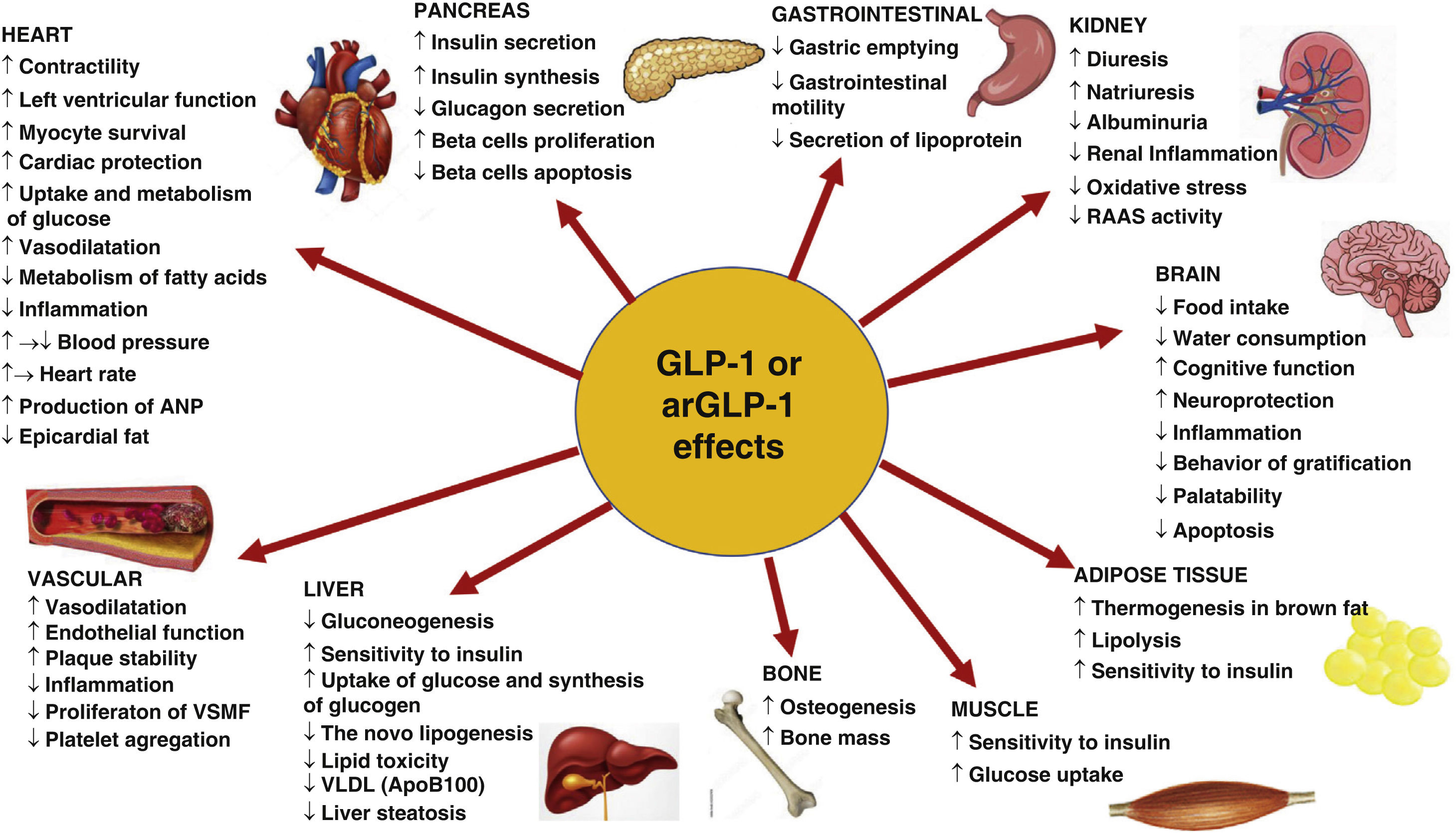
GLP-1 is a naturally occurring hormone that plays a crucial role in glucose metabolism and appetite regulation. GLP-1RAs, such as semaglutide and tirzepatide, mimic the action of GLP-1, promoting weight loss, improves glycemic control, and reducing cardiovascular risk. By activating GLP-1 receptors, GLP-1Ras enhance insulin sensitivity, suppress glucagon secretion, and slow gastric emptying, leading to improved blood glucose levels and weight loss.The Benefits of GLP-1Ras on Cardiovascular Risk
Numerous studies have demonstrated the cardiovascular benefits of GLP-1RAs, including: * Reduced risk of major adverse cardiovascular events (MACE), including heart attack, stroke, and death * Lower risk of cardiovascular disease (CVD) and heart failure * Improved endothelial function and reduced inflammation * Enhanced weight loss and reduced body mass index (BMI)However, Recent Research Suggests That GLP-1Ras May Have a Dark Side
Recent studies have raised concerns about the potential risks associated with GLP-1Ras, particularly when treatment is discontinued. Stopping GLP-1Ras for even a short period can lead to a significant increase in cardiovascular risk, with a recent study finding that the risk of heart attack, stroke, and death increased by 22% after two years of treatment cessation.Understanding the Risks of Discontinuing GLP-1Ras