Correct Posture for Sleeping: Tips for a Restful Night
Getting a good night's sleep is essential for both physical and mental well-being. However, many people overlook the importance of maintaining proper posture while sleeping, which can lead to discomfort, pain, and even long-term health problems. In this article, we will discuss the correct posture for sleeping and provide tips on how to achieve it.
Understanding the Importance of Sleep Posture
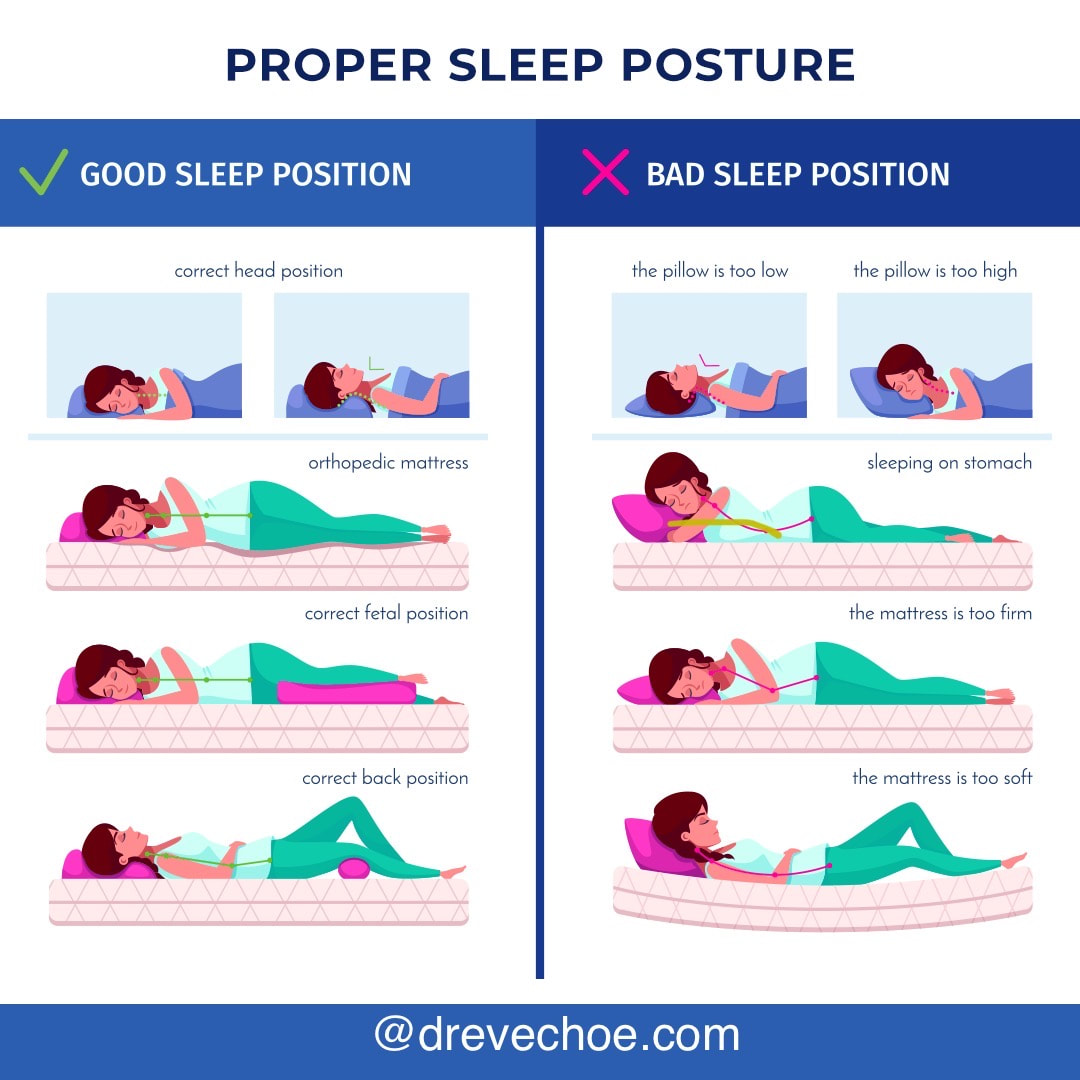
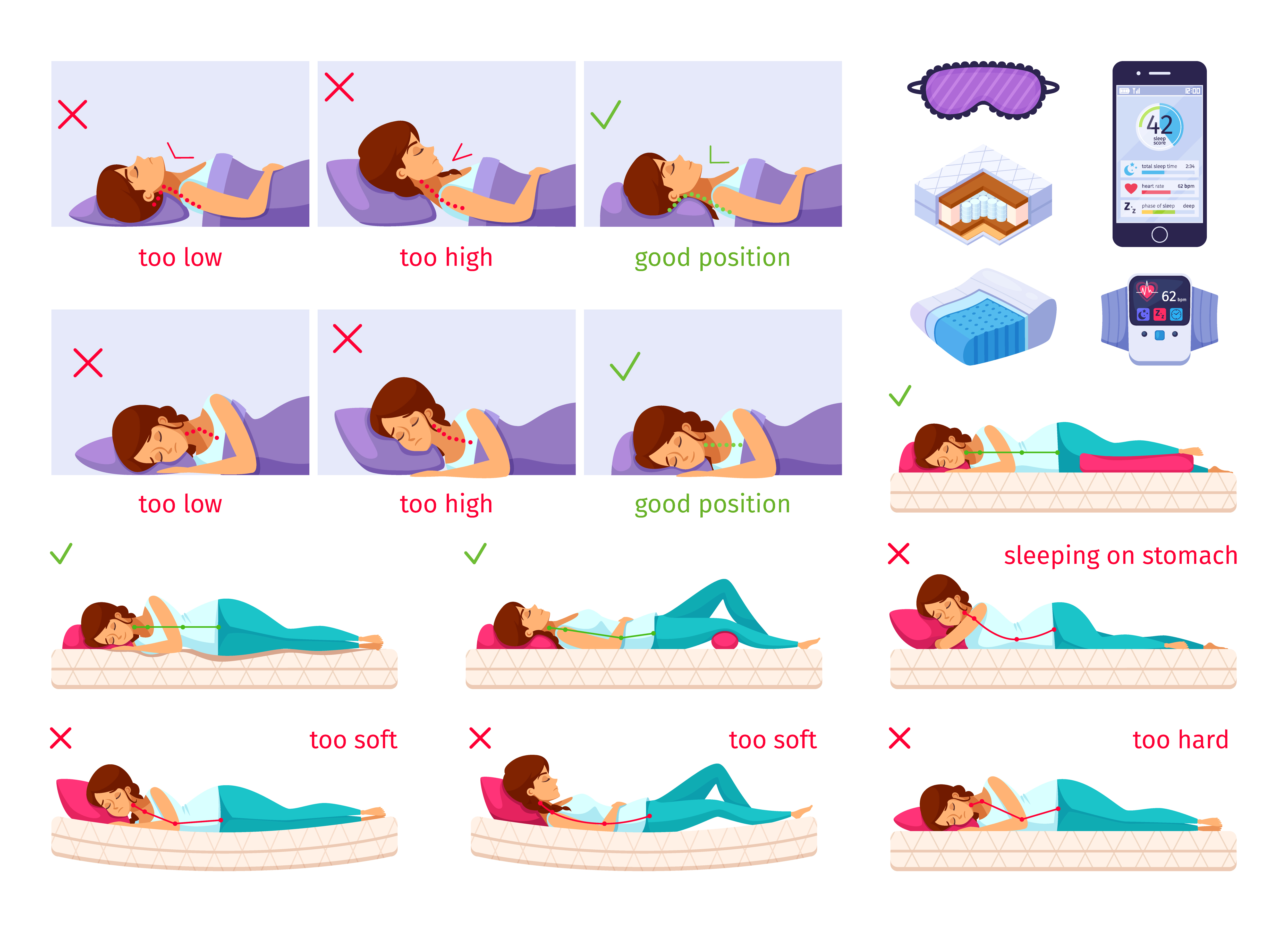
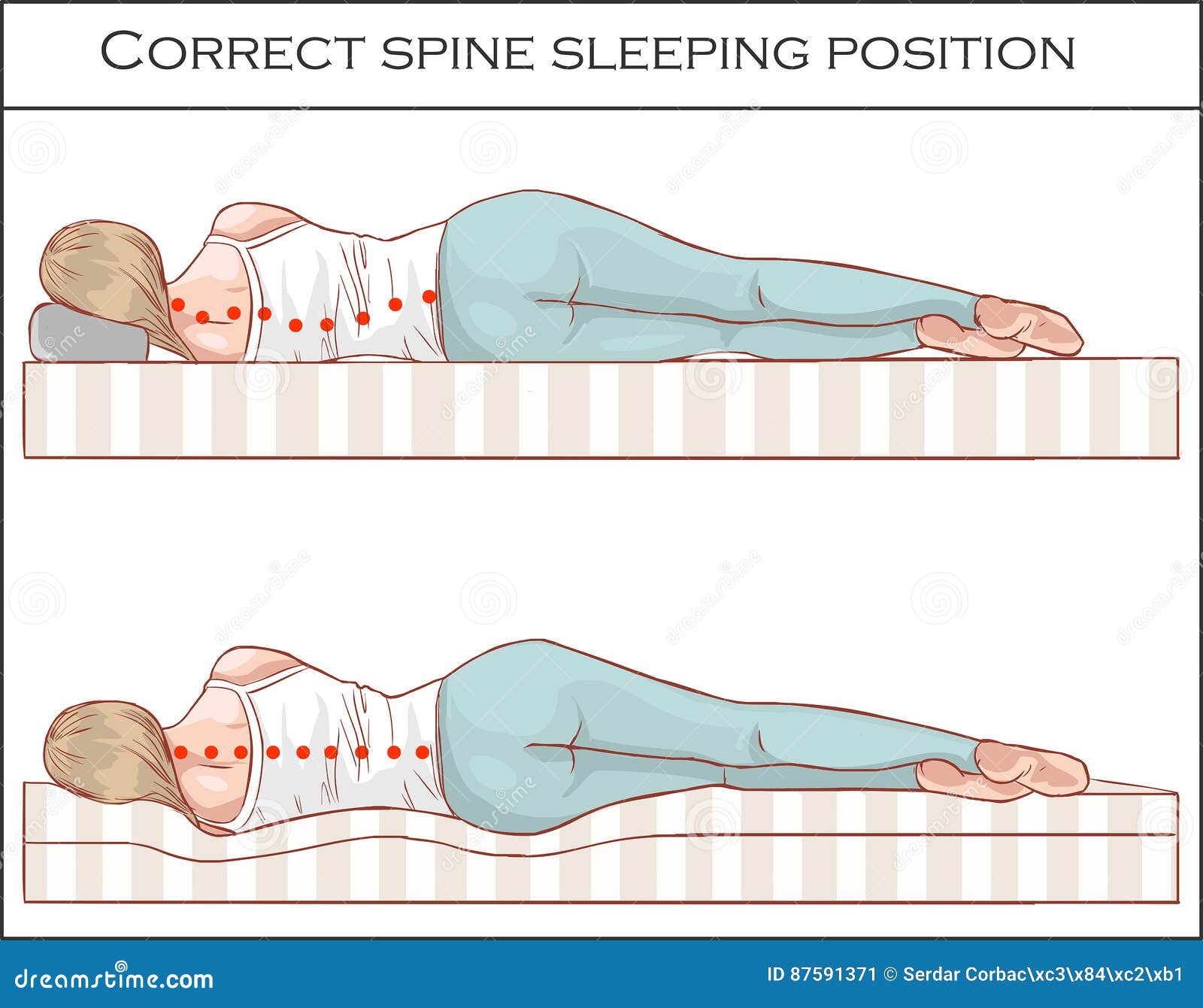
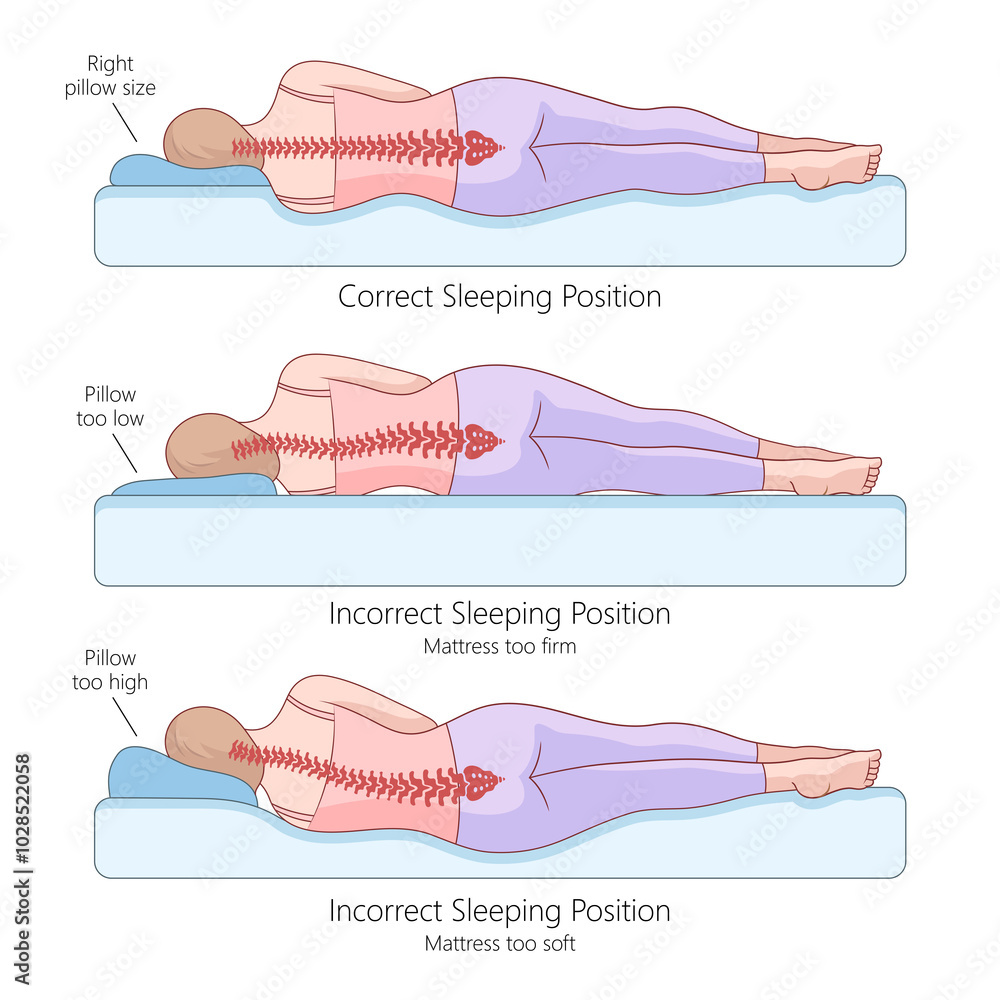
Proper sleep posture is crucial for maintaining a healthy spine, reducing neck strain, and promoting better sleep quality. When we sleep, our body weight is distributed across the mattress, and our spine is subjected to various forces. If we sleep in an incorrect position, our spine can become misaligned, leading to discomfort, pain, and even long-term damage.
The Three Main Sleeping Positions: Which One is Best?
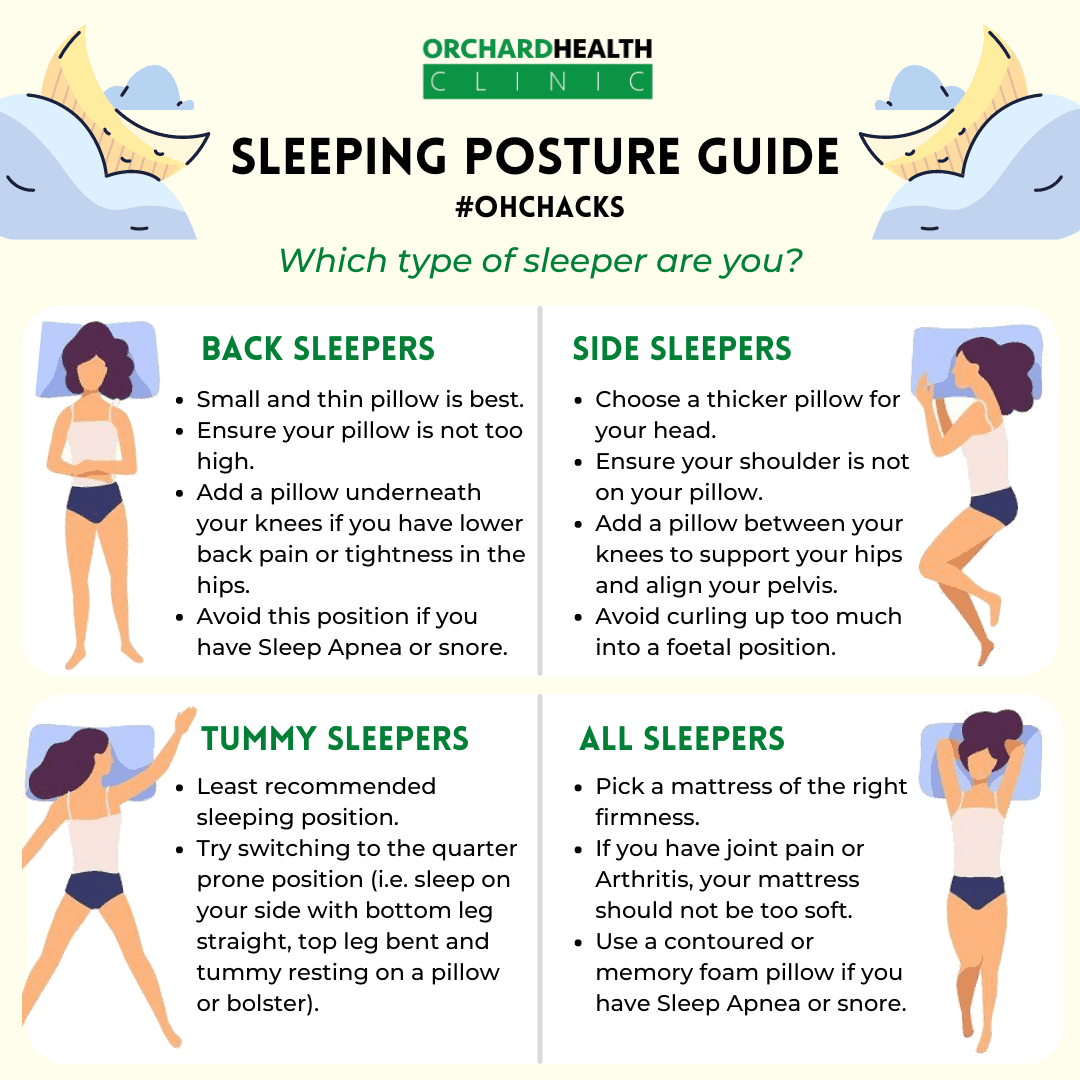
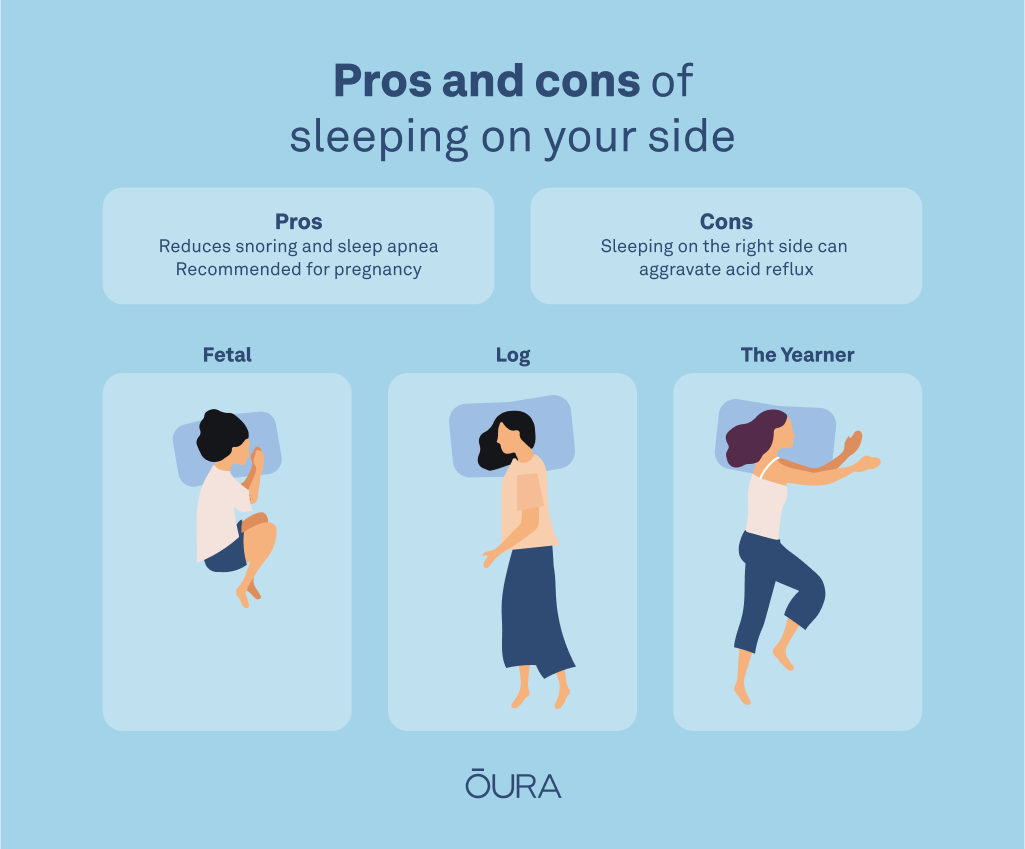
There are three main sleeping positions: back sleeping, side sleeping, and stomach sleeping. Each position has its unique benefits and drawbacks. Back sleeping allows for even weight distribution and can help maintain proper spinal alignment. However, it can lead to snoring and sleep apnea. Side sleeping is gentle on the spine and can help reduce back pain, but it can put pressure on the shoulders and hips. Stomach sleeping is considered the least common position and can strain the neck and lower back.
Correct Posture for Sleeping: Back Sleeping
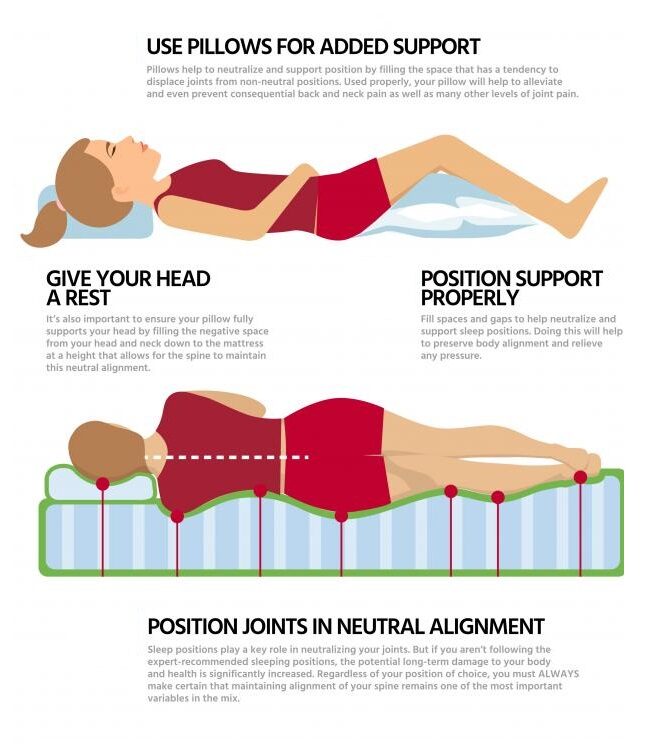
Back sleeping is considered the best position for most people. To maintain proper posture, place a small pillow under your knees to reduce pressure on your lower back. This position allows your body weight to distribute evenly across the mattress, reducing strain on your spine.
Correct Posture for Sleeping: Side Sleeping
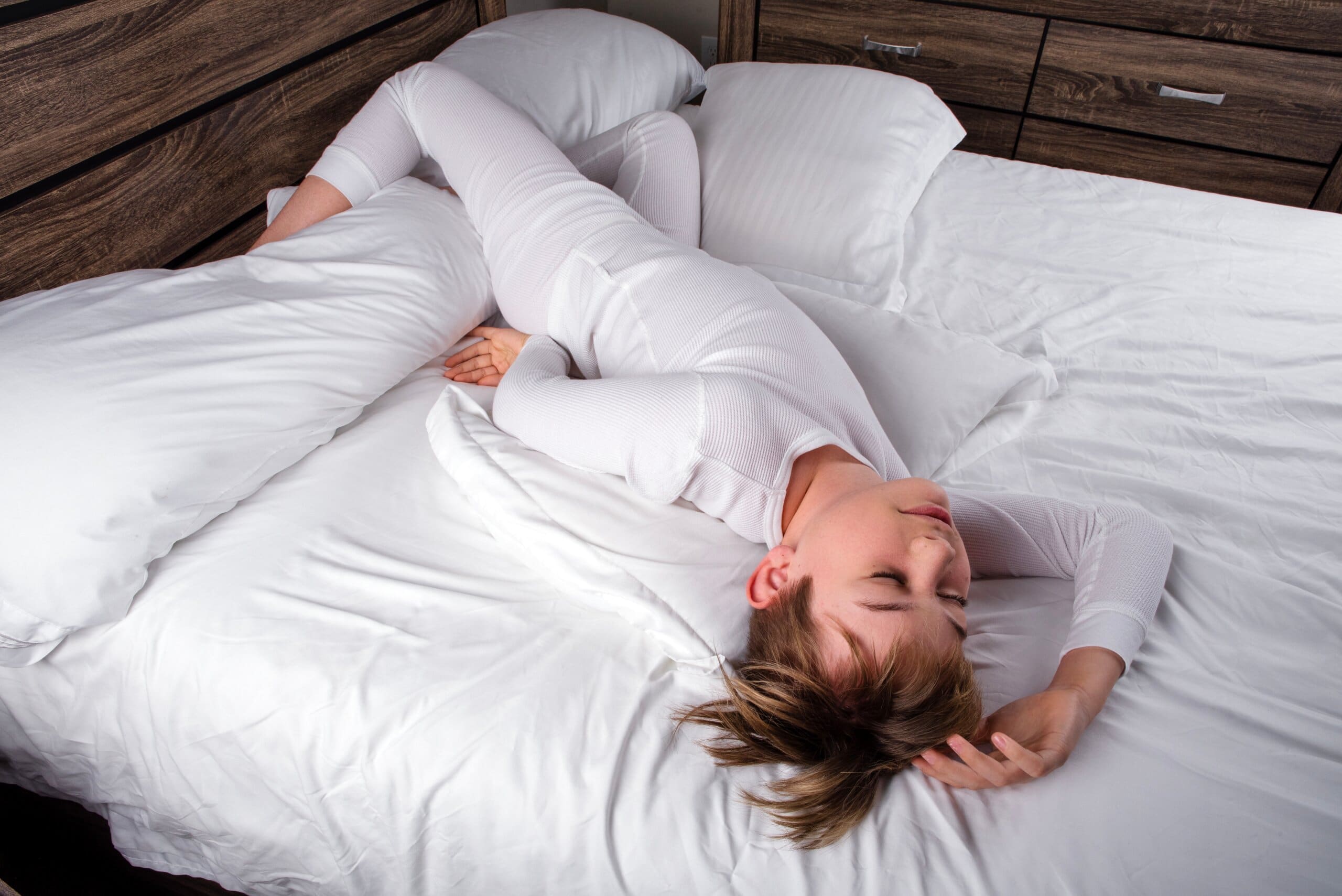
Side sleeping can be beneficial for people who experience back pain. To maintain proper posture, place a pillow between your knees to keep your spine aligned. You can also use a rolled-up towel or a pillow under your waist to support your hips and maintain proper posture.
Correct Posture for Sleeping: Stomach Sleeping
Stomach sleeping is not recommended as it can put pressure on your neck and lower back. However, if you insist on sleeping on your stomach, you can try placing a pillow under your head and a rolled-up towel under your waist to maintain some level of spinal alignment.
Tips for Maintaining Proper Sleep Posture
- Use a supportive mattress and pillow to maintain proper spinal alignment.
- Place a pillow under your knees to reduce pressure on your lower back while back sleeping.
- Use a pillow between your legs to maintain proper alignment while side sleeping.
- Stretch regularly to maintain flexibility and prevent muscle strain.
- Avoid sleeping on your stomach, as it can put pressure on your neck and lower back.
Conclusion
Maintaining proper posture while sleeping is crucial for maintaining a healthy spine, reducing neck strain, and promoting better sleep quality. By understanding the importance of sleep posture and following the correct posture for sleeping, you can wake up feeling refreshed, relaxed, and ready to take on the day.
Recommendations
Consider investing in a supportive pillow and mattress to maintain proper spinal alignment. You can also try stretching regularly and practicing good posture to prevent muscle strain. If you experience persistent back pain or neck strain, consult with a healthcare professional for personalized advice.
Final Thoughts
Proper sleep posture is essential for maintaining a healthy spine, reducing neck strain, and promoting better sleep quality. By understanding the correct posture for sleeping and following the tips outlined in this article, you can wake up feeling refreshed, relaxed, and ready to take on the day.