Drywall Joint Compound Finishing Methods: A Comprehensive Guide
Drywall finishing is a crucial aspect of residential and commercial construction projects, and one of the essential tools for achieving a perfect finish is drywall joint compound, also known as mud. In this article, we will explore various drywall joint compound finishing methods, including techniques for applying compound, sanding, and repairing common drywall issues.
Introduction to Drywall Joint Compound Finishing Methods
Drywall joint compound is a powerful tool for smoothing out seams, holes, and imperfections on drywall surfaces. By applying multiple layers of compound and sanding between coats, you can achieve a seamless finish that is ready for painting or other finishes. In this guide, we will cover various drywall joint compound finishing methods, including tape and compound techniques, flat joints, and wet sanding.
Preparation is Key
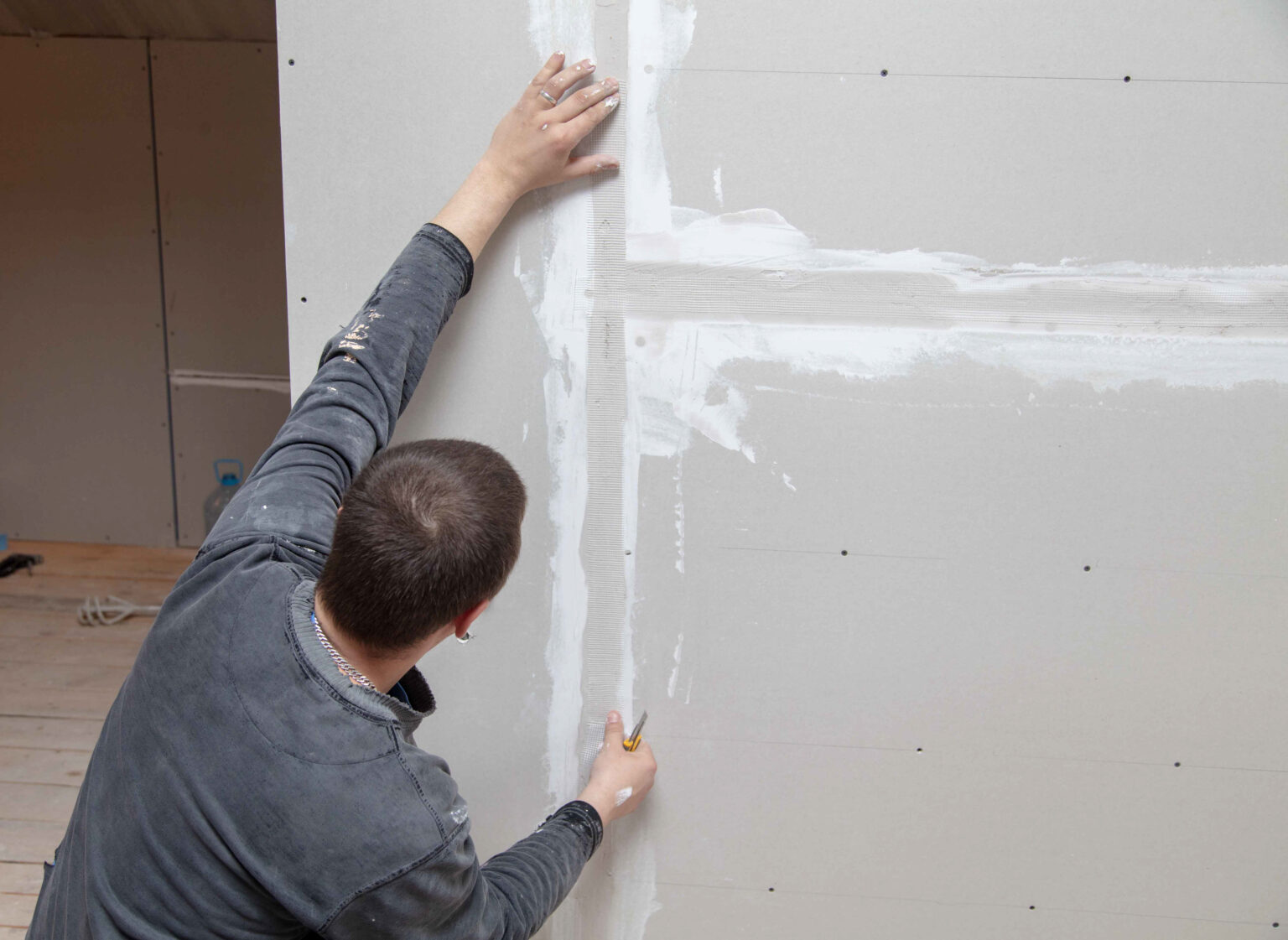
Before applying drywall joint compound, it's essential to prepare the surface. This includes cleaning the area with a putty knife or drywall knife, removing any debris or dust, and applying fiberglass mesh tape to repair any damaged areas. Once the tape is secure, you can apply the first coat of compound.

Tape and Compound Technique
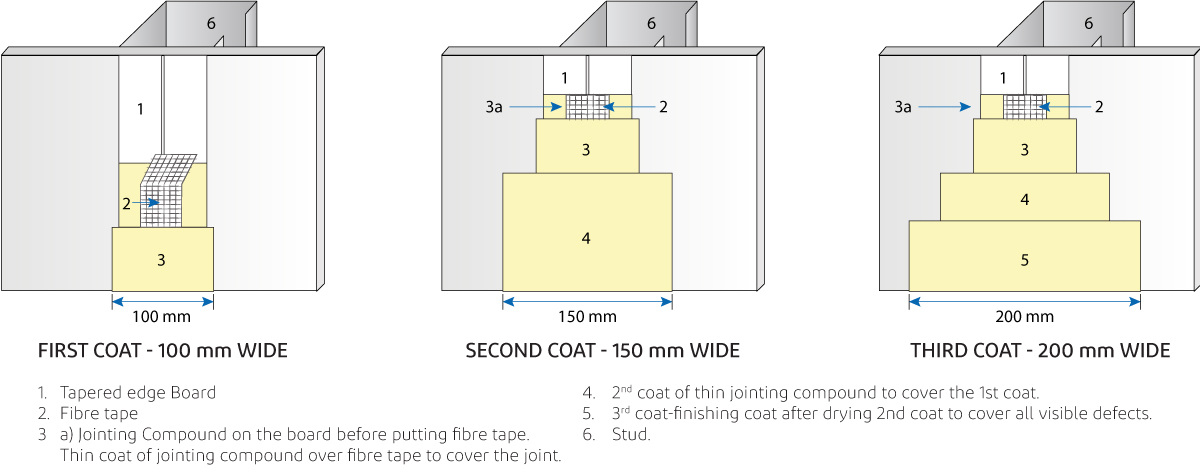
The tape and compound technique is one of the most common methods used in drywall finishing. It involves applying fiberglass mesh tape over the joints between drywall panels and then embedding the tape in a thin layer of compound. The compound is then allowed to dry and sanded smooth before applying additional coats.
Step-by-Step Instructions for the Tape and Compound Technique
- Apply a thin layer of compound over the joint
- Embed the tape in the compound, pressing it firmly into place
- Allow the compound to dry completely
- Sand the area smooth with progressively finer grits of sandpaper
- Apply additional coats of compound as needed
Flat joints involve applying a thin layer of compound over the length of the joint using a 6-inch taping knife. This technique is ideal for creating a seamless finish on flat joints. To achieve a perfect flat joint, apply the compound in thin, even layers, allowing each layer to dry before sanding.
Step-by-Step Instructions for Flat Joints
- Apply a thin layer of all-purpose or taping compound over the length of the joint
- Use a 6-inch taping knife to spread the compound evenly, feathering it out towards the edges
- Allow the compound to dry completely
- Sand the area smooth with progressively finer grits of sandpaper
- Apply additional coats of compound as needed
Wet Sanding
Wet sanding is a specialized finishing method that uses damp paper to smooth out joints and surfaces. This technique is ideal for minimizing dust and creating a smooth finish. However, it's essential to work carefully to preserve a flat, uniform sheen and prevent over-wetting the substrate.
Step-by-Step Instructions for Wet Sanding
- Dampen a sanding pad or paper with water
- Apply light pressure to the sanding pad or paper, working in a consistent direction
- Continue sanding until the area is smooth and even
- Allow the area to dry completely before applying additional coats of compound
Choosing the Right Drywall Topping Compound
Choosing the right drywall topping compound can significantly impact the quality of your finish. With various types of compounds available, it's essential to select a product that meets your specific needs. This includes fast-setting compounds for quick applications, lightweight drying compounds for smooth finishes, and repair kits for holes, cracks, and surface imperfections.
Fast-Setting Compounds
Fast-setting compounds are ideal for quick applications and are often used for large-scale projects. These compounds tend to be lightweight and easy to sand, but can be more prone to dust and imperfections.
Lightweight Drying Compounds
Lightweight drying compounds are perfect for smooth finishes and are often used for interior walls and ceilings. These compounds are designed to dry quickly and evenly, making them ideal for large areas.
Repair Kits
Repair kits are designed for holes, cracks, and surface imperfections on interior walls. These kits typically include a fast-setting compound and a putty knife or drywall knife for applying the compound.
Conclusion
Drywall finishing is a highly specialized skill that requires patience, practice, and attention to detail. By mastering various drywall joint compound finishing methods, including tape and compound techniques, flat joints, and wet sanding, you can achieve a seamless finish that is ready for painting or other finishes. Remember to always choose the right drywall topping compound for your specific needs and work carefully to preserve a flat, uniform sheen.
Tips and Recommendations
Here are some valuable tips and recommendations for drywall finishing:
- Use high-quality drywall tape and compound for optimal results
- Apply multiple coats of compound, sanding between coats, for a seamless finish
- Work in a well-ventilated area to prevent dust and fumes
- Choose the right drywall topping compound for your specific needs
Product Recommendations
Here are some product recommendations for drywall finishing:
- Westpac TNT 3.5 Gallons Premixed Finishing Drywall Joint Compound Carton
- Gold Bond Uni-Kal 49.5-lbs Powder Finishing Drywall Joint Compound Bag
- BEADEX Brand LITE 3.5 Gallons Premixed Finishing Drywall Joint Compound Carton
Final Thoughts
Drywall finishing is an art that requires patience, practice, and attention to detail. By mastering various drywall joint compound finishing methods, including tape and compound techniques, flat joints, and wet sanding, you can achieve a seamless finish that is ready for painting or other finishes. Remember to always choose the right drywall topping compound for your specific needs and work carefully to preserve a flat, uniform sheen.
:no_upscale()/cdn.vox-cdn.com/uploads/chorus_asset/file/19497366/paint_wall_0.jpg "How To Finish Drywall - This Old House")