Effective Time Management for Remote Teams: Strategies for Success
As the world becomes increasingly connected, remote teams are becoming the new norm. With technological advancements and the flexibility of remote work, teams can operate across different time zones and schedules. However, this also presents unique challenges that can blur the lines between personal and professional life. Effective time management is essential for maximizing productivity and achieving goals in remote teams. In this article, we'll explore practical strategies and tools to help you and your team stay organized, communicate effectively, and drive performance.
Why Effective Time Management is Crucial for Remote Teams
Effective time management is critical for remote teams operating outside traditional office environments. Without the distractions and interruptions often found in an office setting, remote workers can easily get sidetracked and lose focus. This can lead to decreased productivity, missed deadlines, and poor communication among team members. Moreover, the flexibility of remote work can sometimes make it challenging for team members to separate their personal and professional lives, leading to burnout and decreased motivation.
15 Essential Time Management Strategies for Remote Teams
Here are 15 effective time management strategies for remote teams:
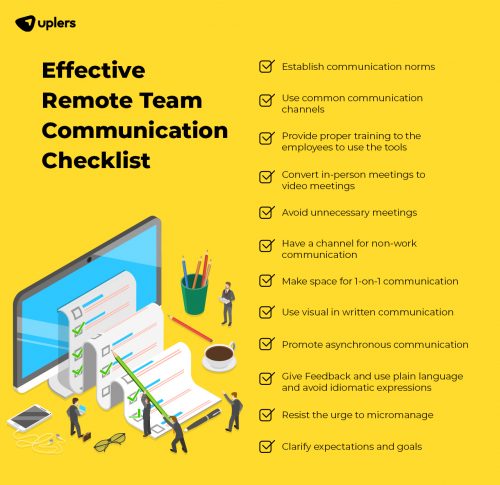
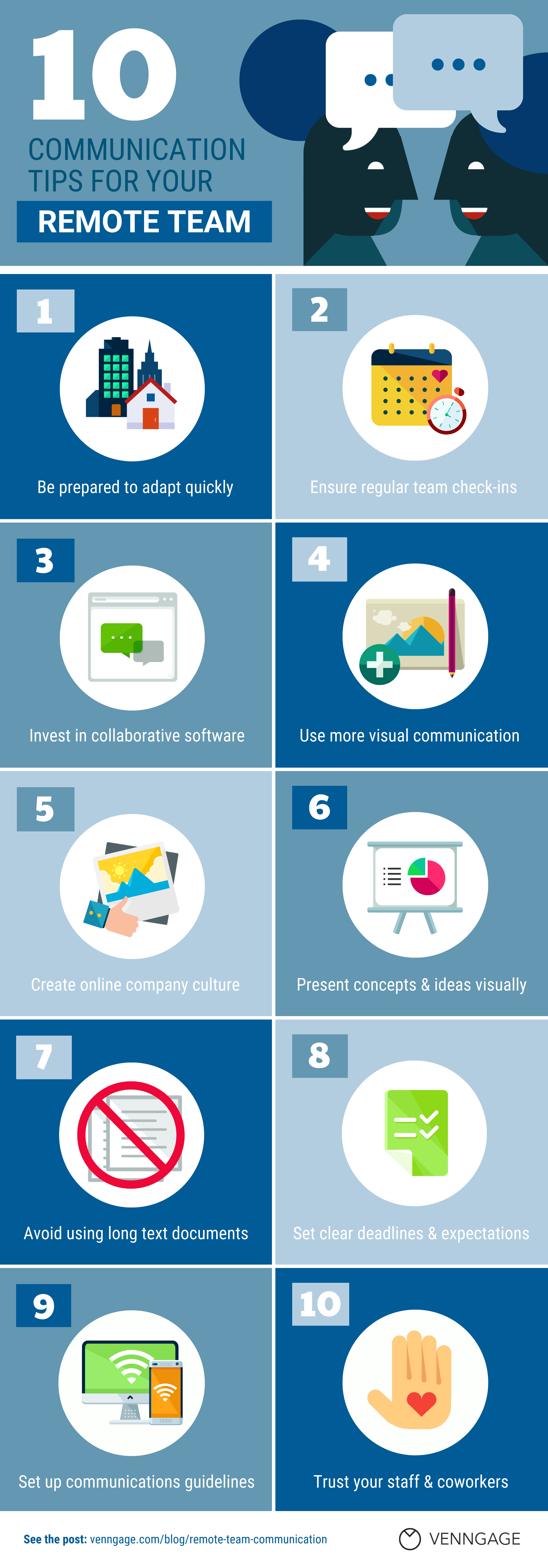
- 1. Set clear goals and expectations: Establish clear goals and expectations with your team and ensure everyone understands their roles and responsibilities.
- 2. Create a shared calendar: Use a shared calendar to keep track of team members' availability, schedules, and deadlines.
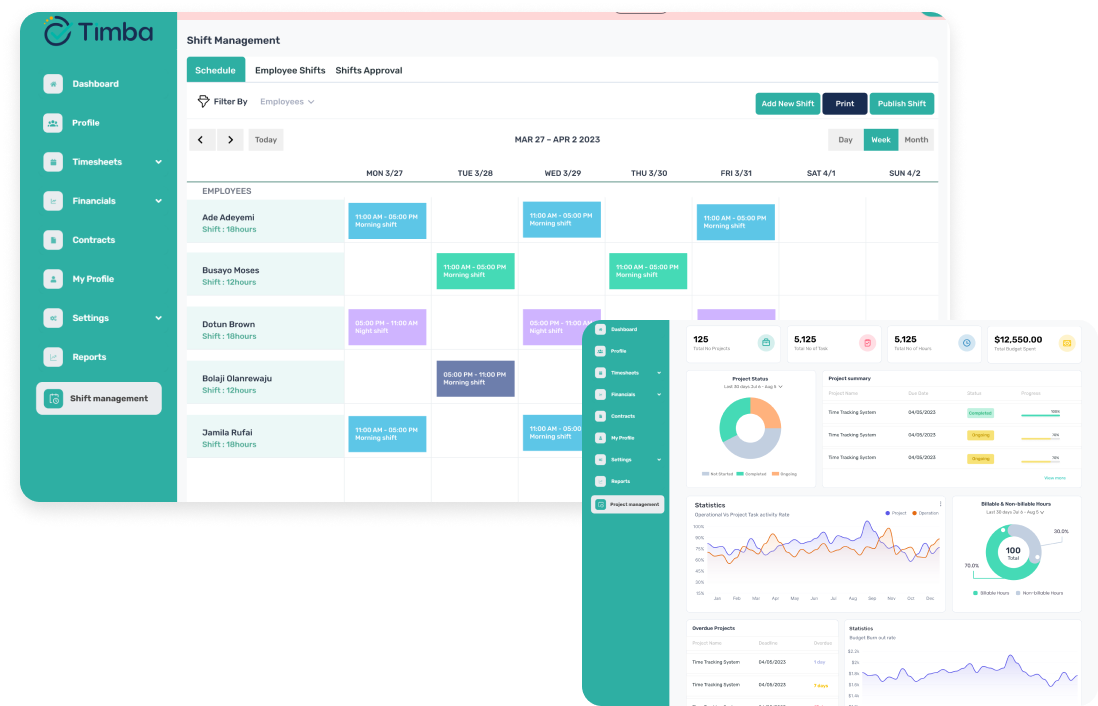
- 3. Use time-tracking tools: Utilize time-tracking tools like Toggl, Harvest, or Clockify to monitor team members' work hours and stay on track.
- 4. Prioritize tasks: Encourage team members to prioritize tasks based on importance and deadlines using the Eisenhower Matrix or the Pomodoro Technique.
- 5. Establish regular check-ins: Schedule regular virtual meetings to ensure team members are on track, address any questions or concerns, and provide support.
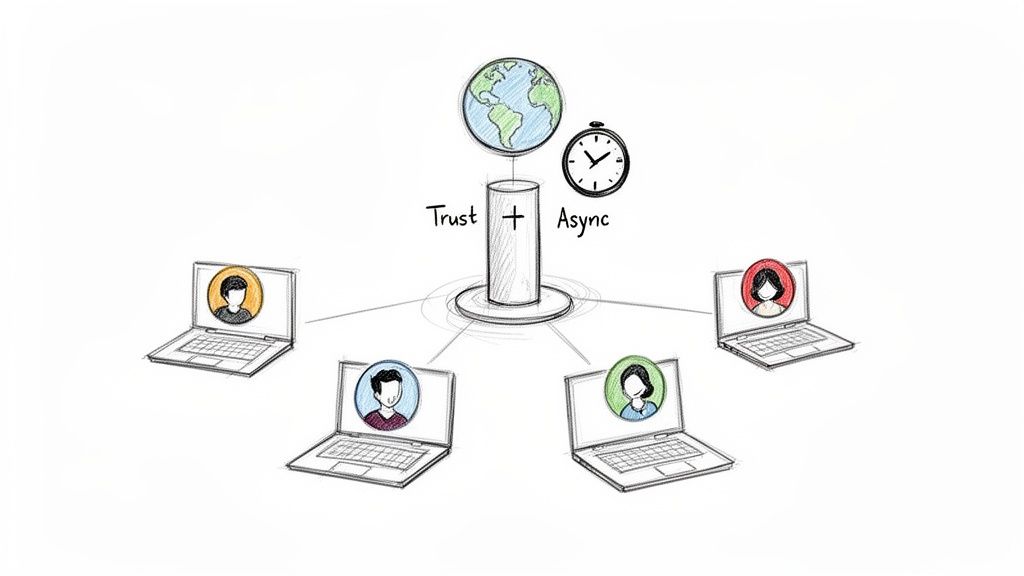
- 6. Use asynchronous communication: Leverage asynchronous communication tools like email, chat apps, or project management software to facilitate communication among team members.
- 7. Set boundaries: Establish clear work hours and boundaries to maintain a healthy work-life balance.
- 8. Use productivity software: Utilize productivity software like RescueTime, Focus@Will, or Noisli to help team members stay focused and productive.
- 9. Eliminate distractions: Minimize distractions by creating a dedicated workspace, using website blockers, or implementing a "do not disturb" policy.
- 10. Encourage work-life balance: Support team members in maintaining a healthy work-life balance by setting realistic goals and encouraging self-care.
- 11. Provide feedback and recognition: Regularly provide constructive feedback and recognition to motivate team members and improve performance.
- 12. Train and develop team members: Invest in training and development programs to enhance team members' skills and productivity.
- 13. Foster open communication: Encourage open communication, active listening, and constructive feedback to build trust and collaboration.
- 14. Use technology wisely: Leverage technology to automate repetitive tasks, simplify communication, and enhance collaboration.
- 15. Review and adjust: Regularly review time management strategies and adjust them as needed to ensure they remain effective and relevant.
Time Management Tools for Remote Teams
Here are some essential time management tools for remote teams:
- Project Management Software: Asana, Trello, Basecamp, or Jira
- Communication Tools: Slack, Microsoft Teams, Google Workspace, or Skype
- Time-Tracking Tools: Toggl, Harvest, or Clockify
- Productivity Software: RescueTime, Focus@Will, or Noisli
- Virtual Meeting Tools: Zoom, Google Meet, or Skype
Conclusion
Effective time management is crucial for remote teams operating in today's fast-paced and connected world. By implementing these 15 essential strategies and using the right tools, you can improve communication, enhance productivity, and drive performance. Remember to regularly review and adjust your time management strategies to ensure they remain effective and relevant to your team's needs.
By prioritizing effective time management, you can strengthen your remote team's collaboration, motivation, and overall success. Whether you're a team leader, manager, or individual contributor, the strategies and tools outlined in this article will help you navigate the challenges of remote work and achieve your goals.






.jpg "TechTarget - Global Network of Information Technology Websites and ...")