The Environmental Impact of Septic Tank Systems: A Comprehensive Guide
Septic tanks are often seen as a practical solution for waste management in areas without access to centralized sewage systems. However, their environmental implications are complex and multifaceted. In this article, we'll delve into the environmental impact of septic tank systems and explore actionable steps to ensure yours is eco-friendly.
How Septic Systems Work
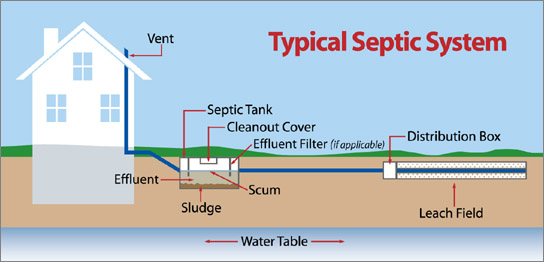
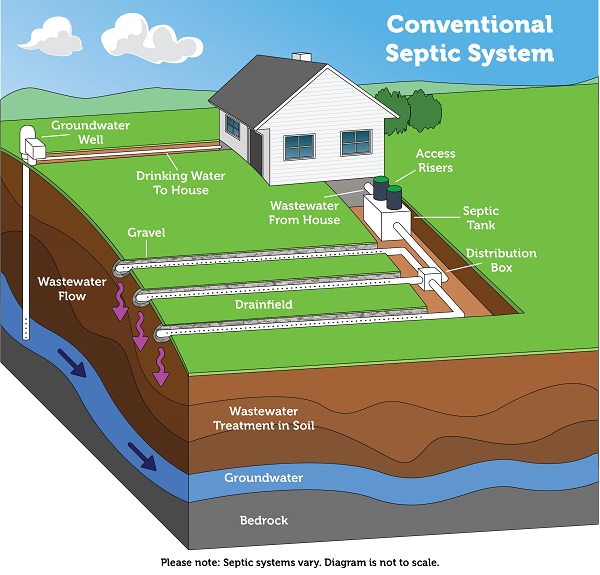
A typical septic system includes a septic tank and a drain field (or leach field). Wastewater from your home flows into the septic tank, where solids settle at the bottom and lighter materials like grease float to the top. The treated wastewater then flows into the drain field, where it's filtered and absorbed by the soil.
The Environmental Impact of Septic Tank Systems
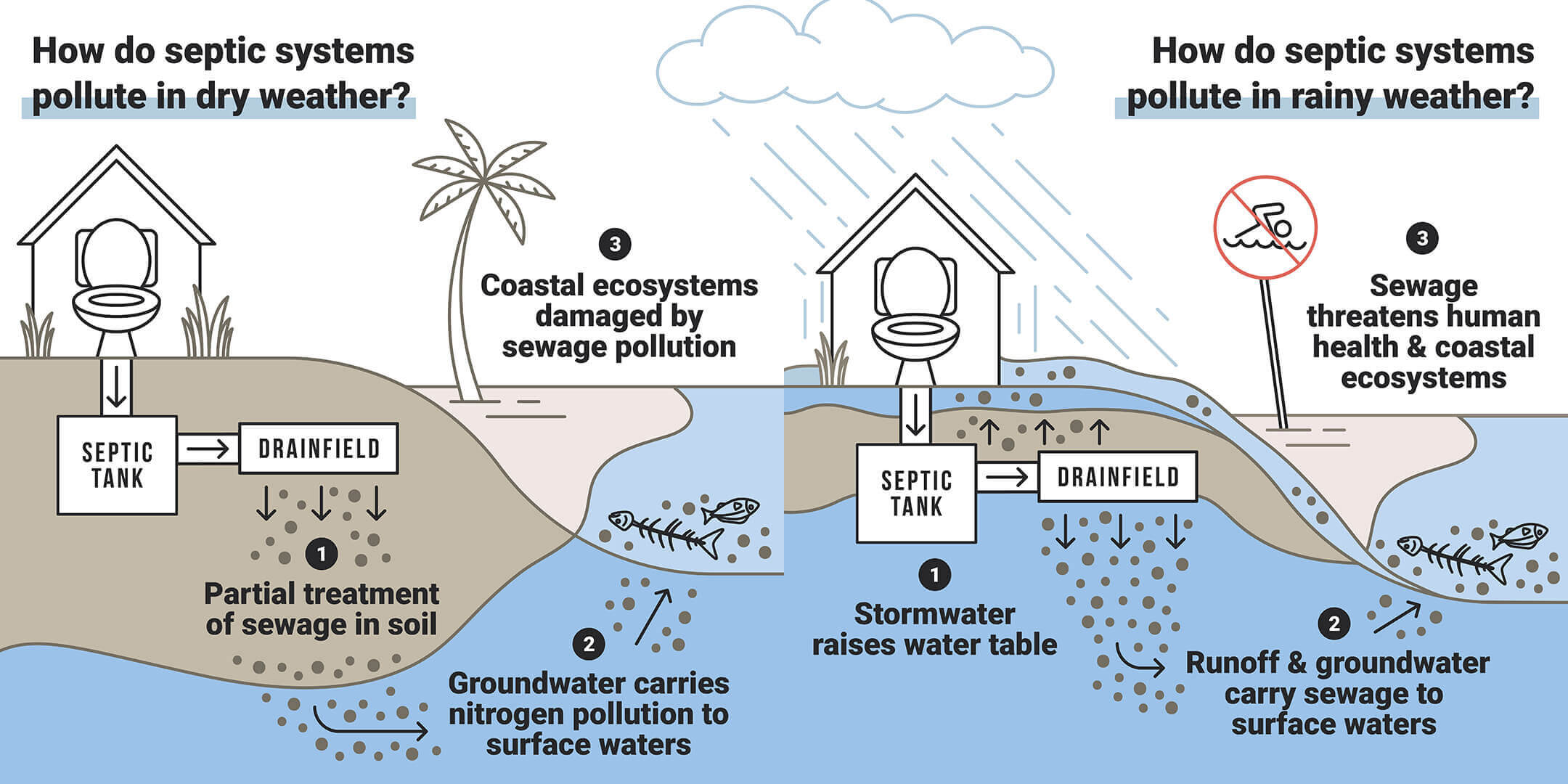
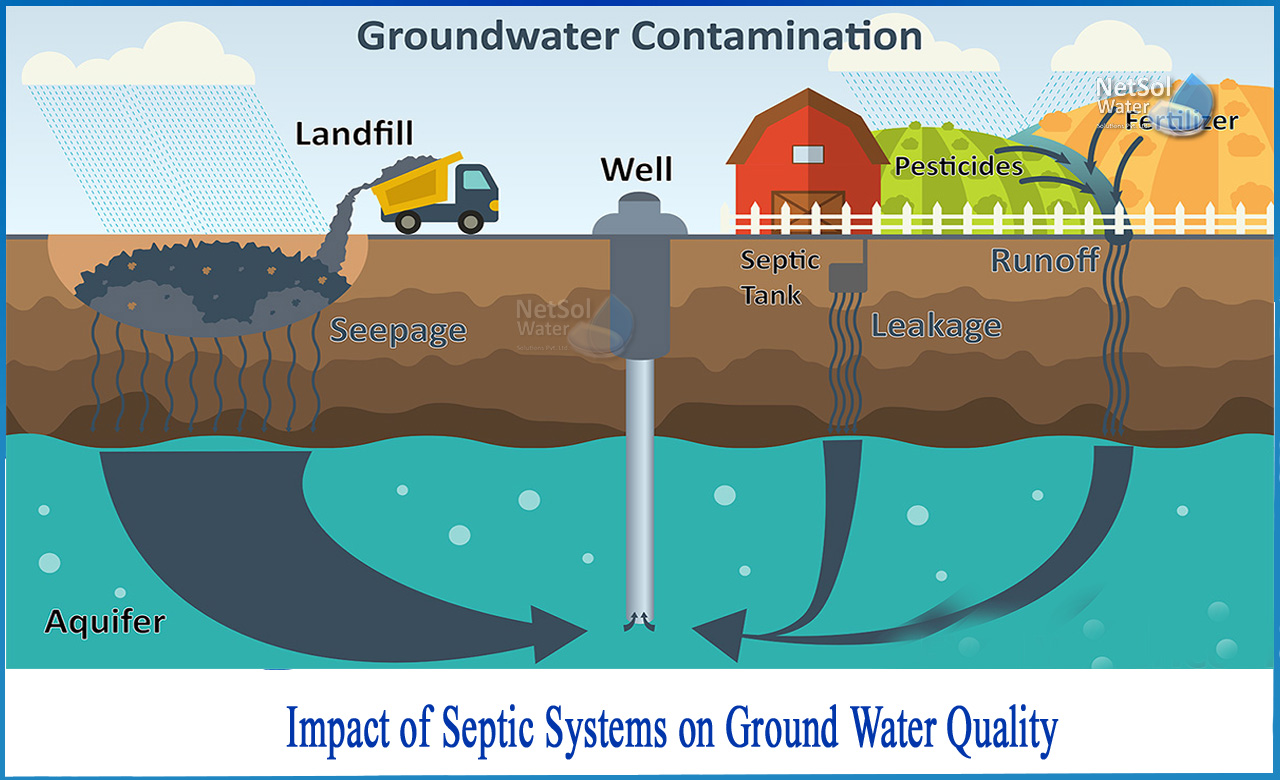
The environmental impact of septic tank systems is a significant concern. From groundwater contamination to the emission of harmful gases, poorly managed septic systems can adversely affect the environment. Some of the key environmental impacts include:
- Groundwater contamination: If the septic system is not designed or maintained properly, wastewater can leach into the groundwater, contaminating nearby wells and aquifers.
- Surface water contamination: Septic systems can also contaminate surface water bodies, such as rivers and lakes, if the system is not functioning correctly.
- Soil pollution: The release of pollutants, such as nutrients and bacteria, into the soil can lead to soil degradation and affect plant growth.
- Harmful gas emissions: Septic systems can emit methane and other gases, contributing to greenhouse gas emissions and climate change.
Factors Affecting the Environmental Impact of Septic Tank Systems
The environment in which your septic system sits plays a major role in how well it works. Soil is nature's filter – it's supposed to absorb effluent from the septic tank and neutralize harmful substances before they reach groundwater. However, soil type, climate, and vegetation can all affect the system's performance and environmental impact.
Preventing Environmental Damage from Septic Systems
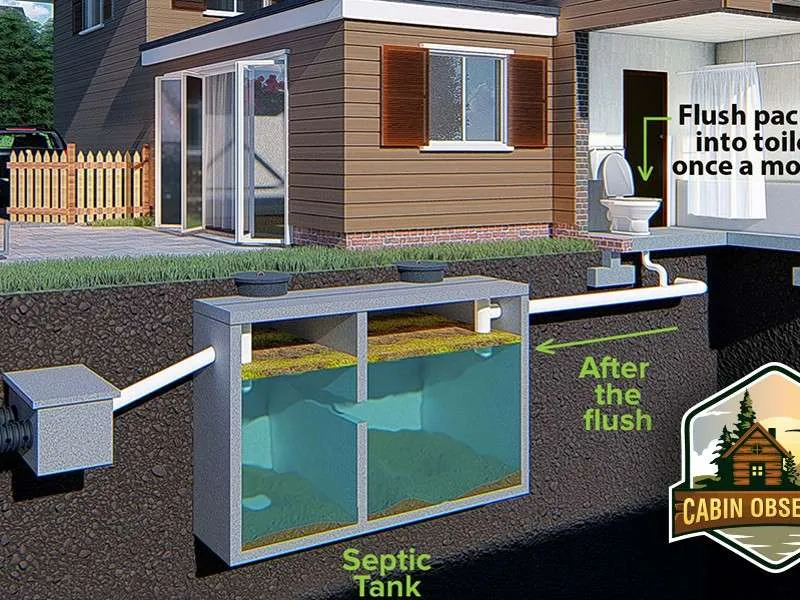
To minimize the environmental impact of septic tank systems, it's essential to:
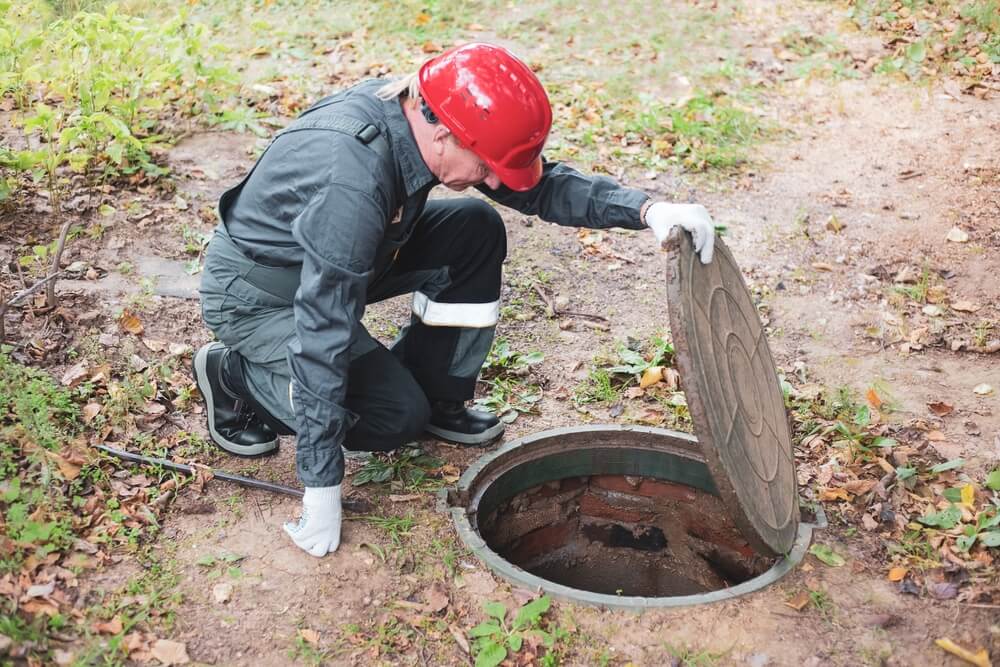
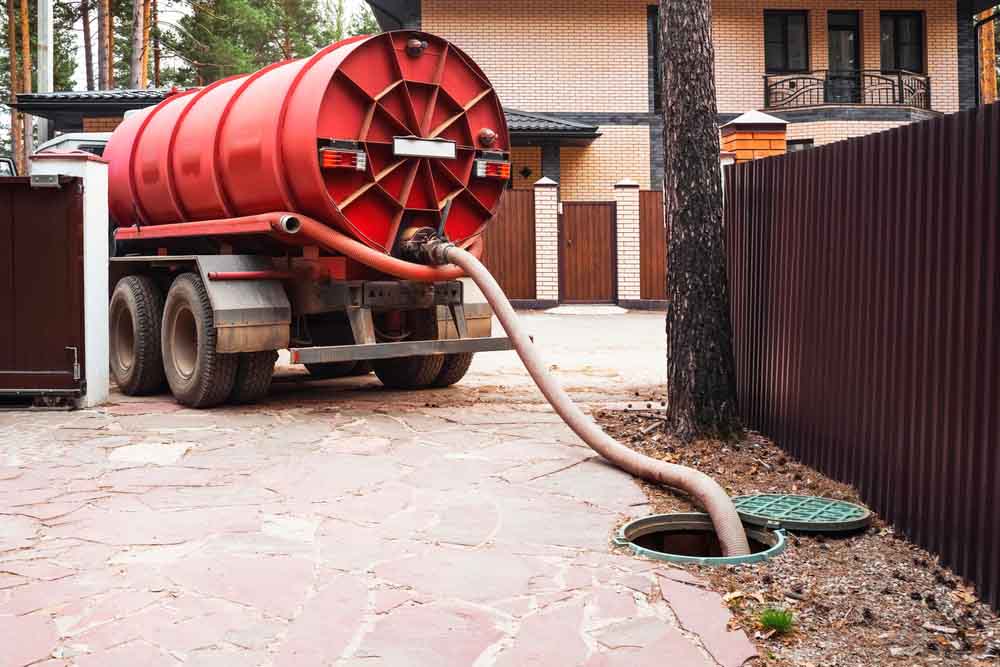
- Maintain your septic system regularly: This includes pumping the tank, inspecting the system, and addressing any issues promptly.
- Use eco-friendly products: Choose products that are designed to be safe for septic systems and won't harm the environment.
- Avoid overloading the system: Don't overload the system with too much wastewater or solids, as this can lead to backup and environmental damage.
- Install a septic system designed for your soil and climate: A properly designed system will perform better and have a lower environmental impact.
Upgrading Components of the System
In some cases, it may be beneficial to upgrade components of the system. For instance, replacing a failing tank with a modern, more durable material can extend the lifespan of the system. Additionally, installing advanced treatment options can improve effluent quality and reduce environmental impact.
Conclusion
The environmental impact of septic tank systems is a significant concern. However, by understanding how septic systems work, being aware of the environmental implications, and taking proactive steps to prevent damage, you can ensure your septic system is eco-friendly and functioning correctly. Remember to maintain your system regularly, use eco-friendly products, avoid overloading the system, and install a system designed for your soil and climate.
Further Reading
For more information on septic tank systems and their environmental impact, be sure to check out the following resources:
- Oklahoma DEQ provides environmental programs and resources to ensure clean air, safe water, and proper waste management statewide.
- Modern septic tanks services are moving away from harsh chemicals toward biological treatments that protect beneficial bacteria and extend system lifespan while meeting environmental standards.
- Investigation and inspection of repairs made to improperly functioning on-site sewage management systems.