Understanding the Relationship Between GLP-1 and Metabolic Rate Increase
When it comes to managing weight and improving overall health, glucagon-like peptide-1 (GLP-1) receptor agonists have been touted as a game-changer. However, the relationship between GLP-1 and metabolic rate increase is not as straightforward as it seems. In this article, we'll delve into the science behind GLP-1 and its impact on metabolic rate, exploring the nuances of this complex topic.What is GLP-1 and How Does it Work?
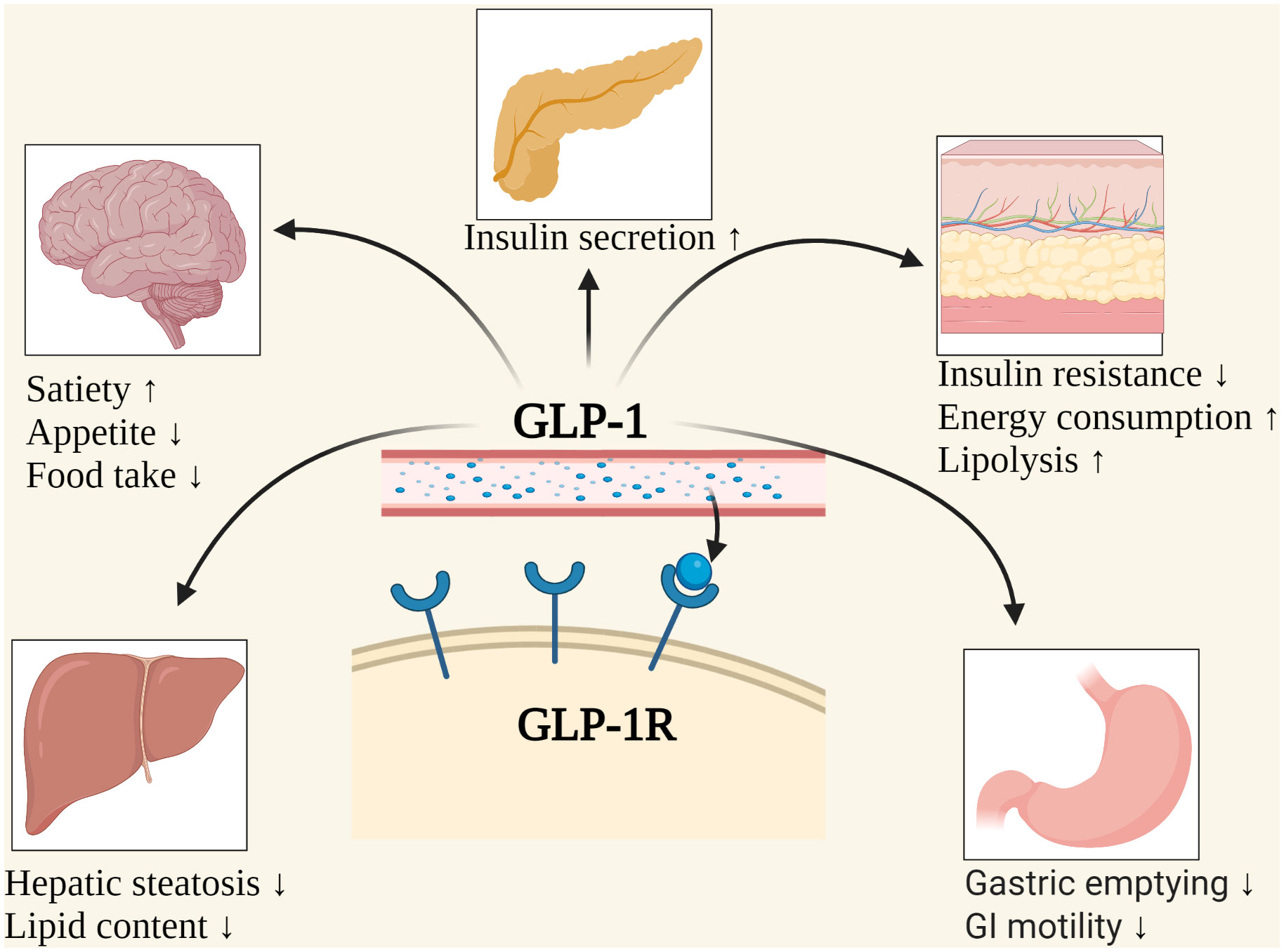
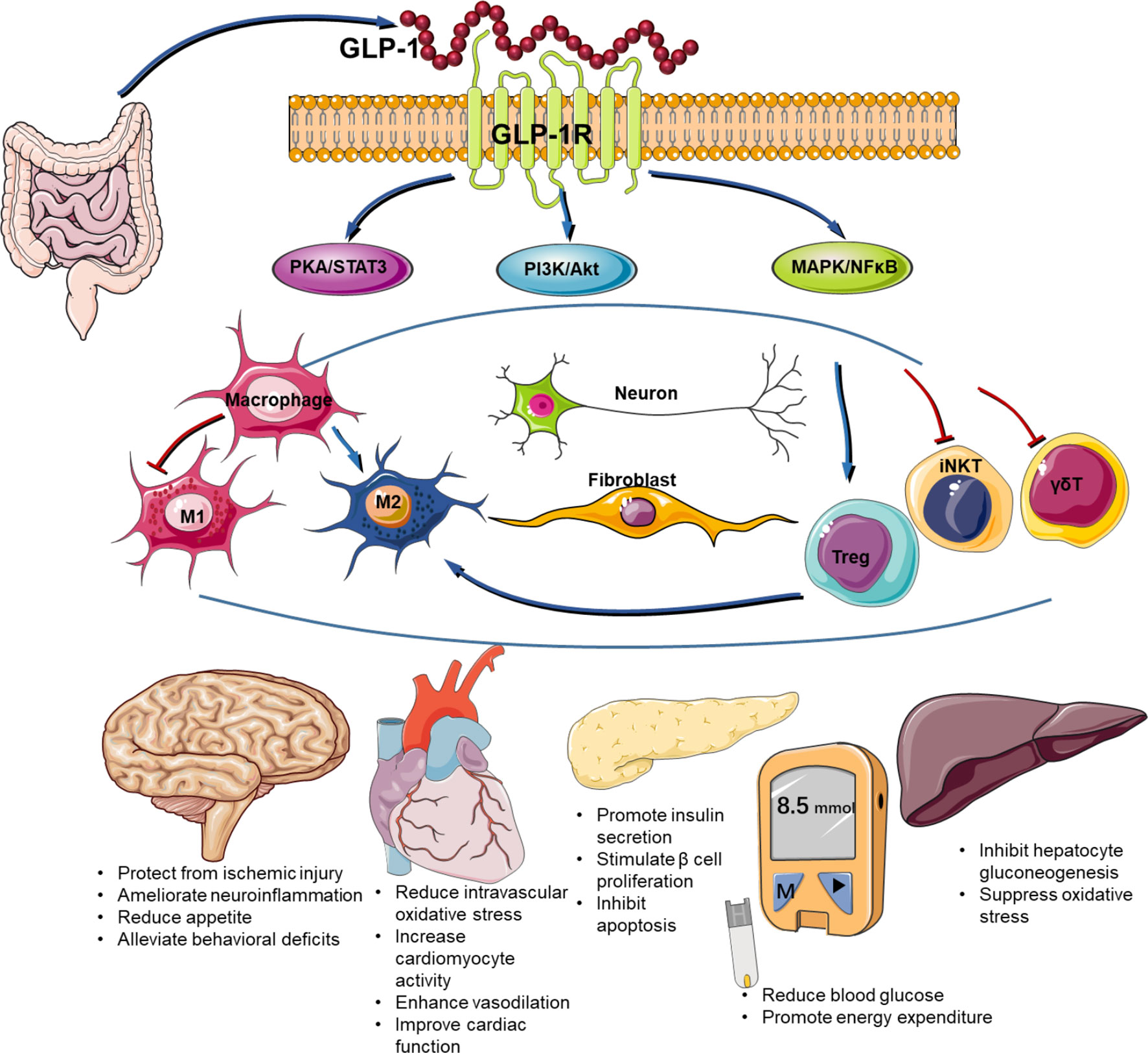
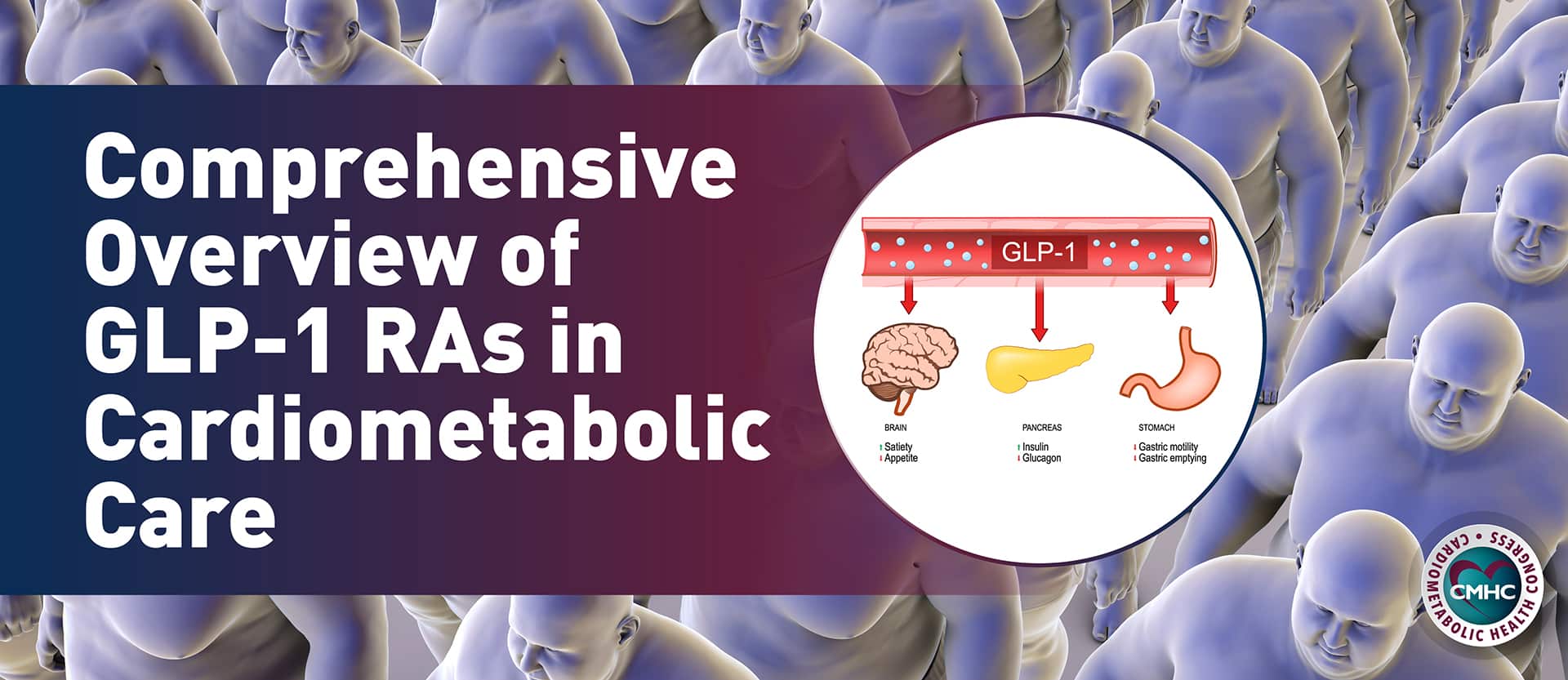
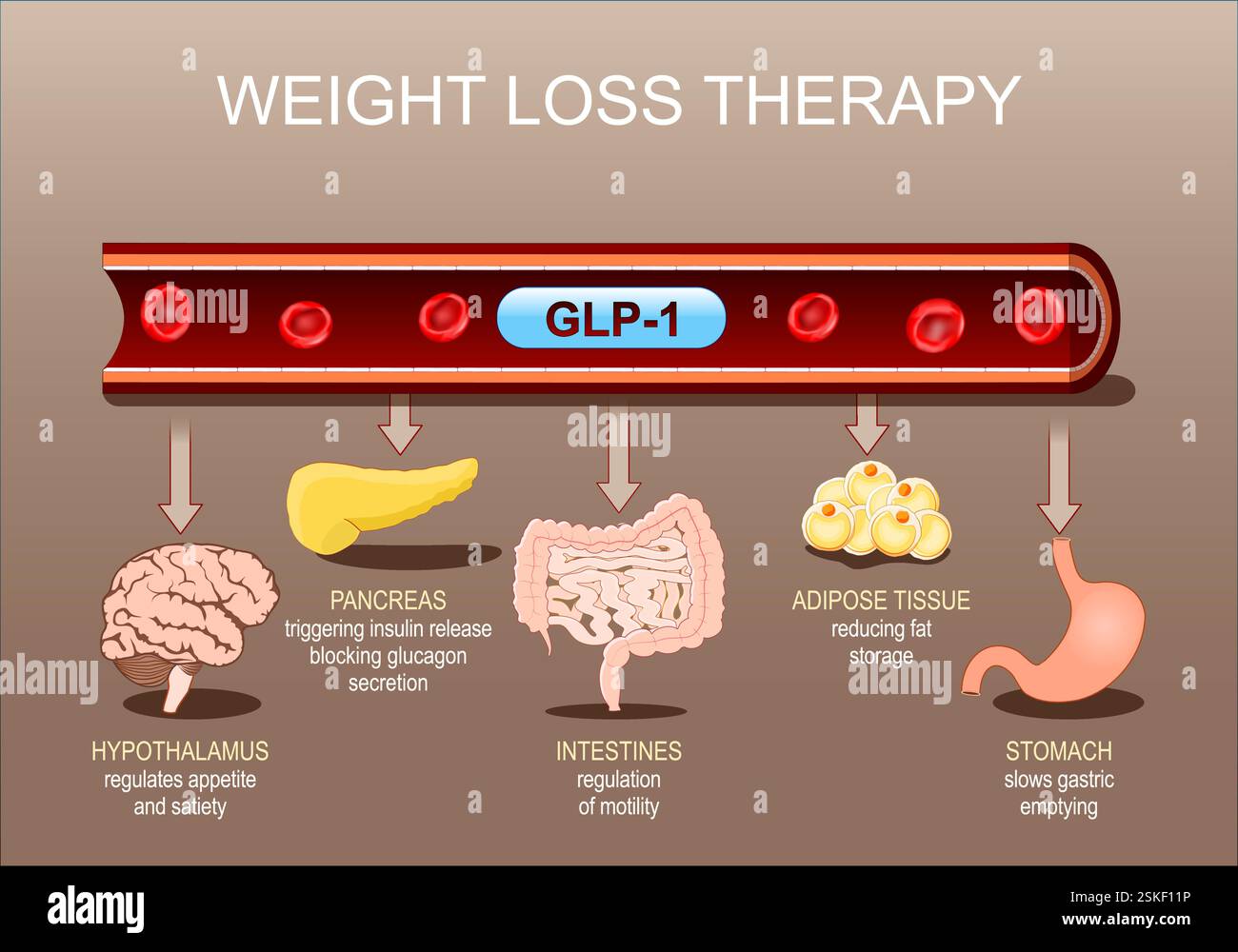
GLP-1 is a hormone that plays a crucial role in glucose metabolism and appetite regulation. It is secreted by the intestinal L cells in response to food intake and helps to regulate blood sugar levels by enhancing insulin sensitivity and suppressing glucagon secretion. GLP-1 receptor agonists are medications that mimic the action of natural GLP-1, stimulating the GLP-1 receptor to produce similar effects.The GLP-1 and Metabolic Rate Connection
Research has shown that GLP-1 receptor agonists can have a positive impact on metabolic rate, but the relationship is not as simple as a direct increase in metabolic rate. Instead, GLP-1 medications work primarily by suppressing appetite, slowing gastric emptying, and reducing caloric intake rather than accelerating metabolic rate.Metabolic Adaptation and Plateaus
One of the key challenges with GLP-1 therapy is the potential for metabolic adaptation and plateaus. After an initial period of weight loss, the body can adapt to the medication's effects, leading to a slowing of weight loss or even weight regain. This is not due to medication failure, but rather metabolic adaptation, which can be overcome with strategic dose adjustments, dietary changes, and exercise modifications.Key Takeaways