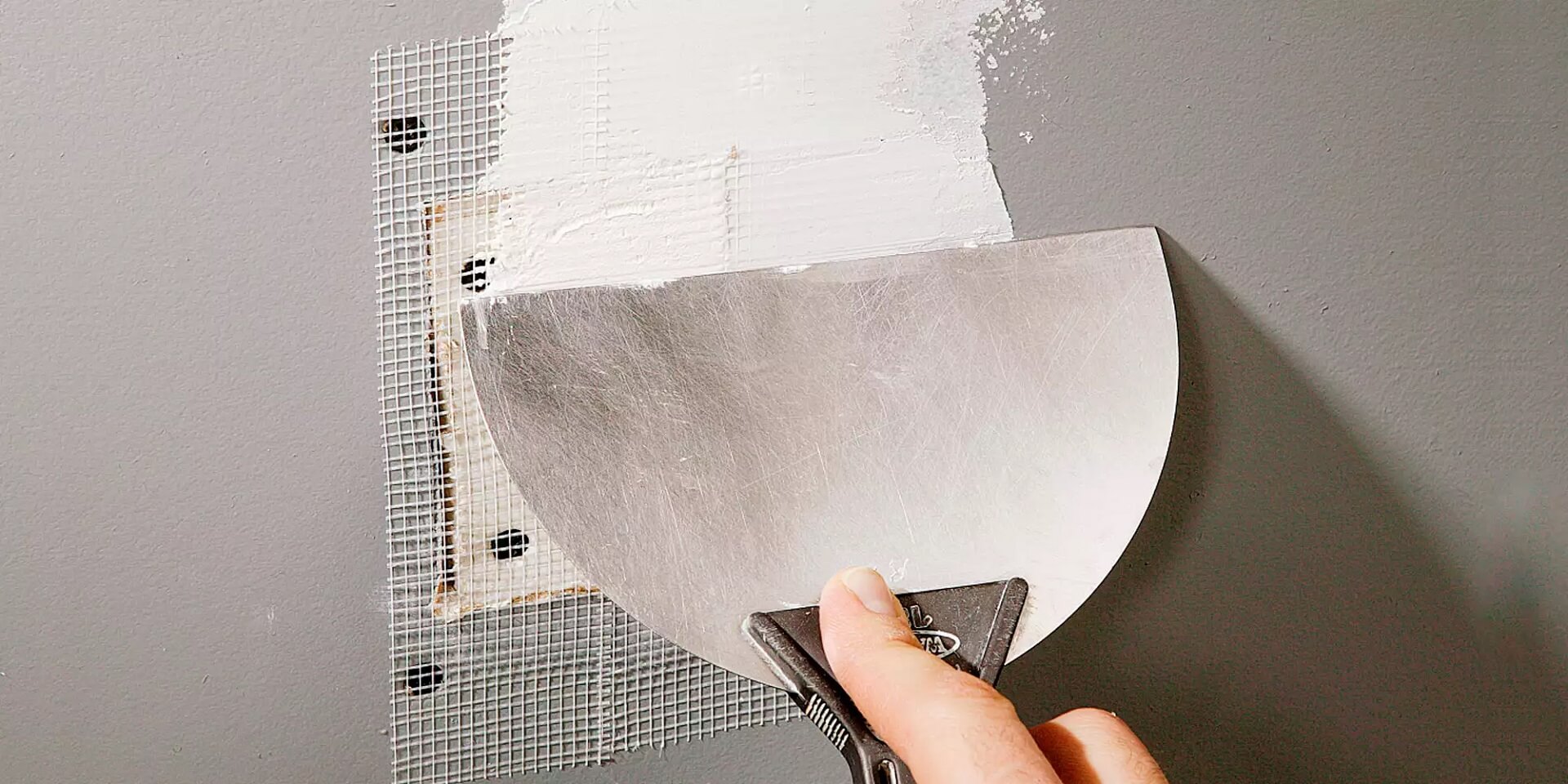
Drywall Crack Repair: A Step-by-Step Guide
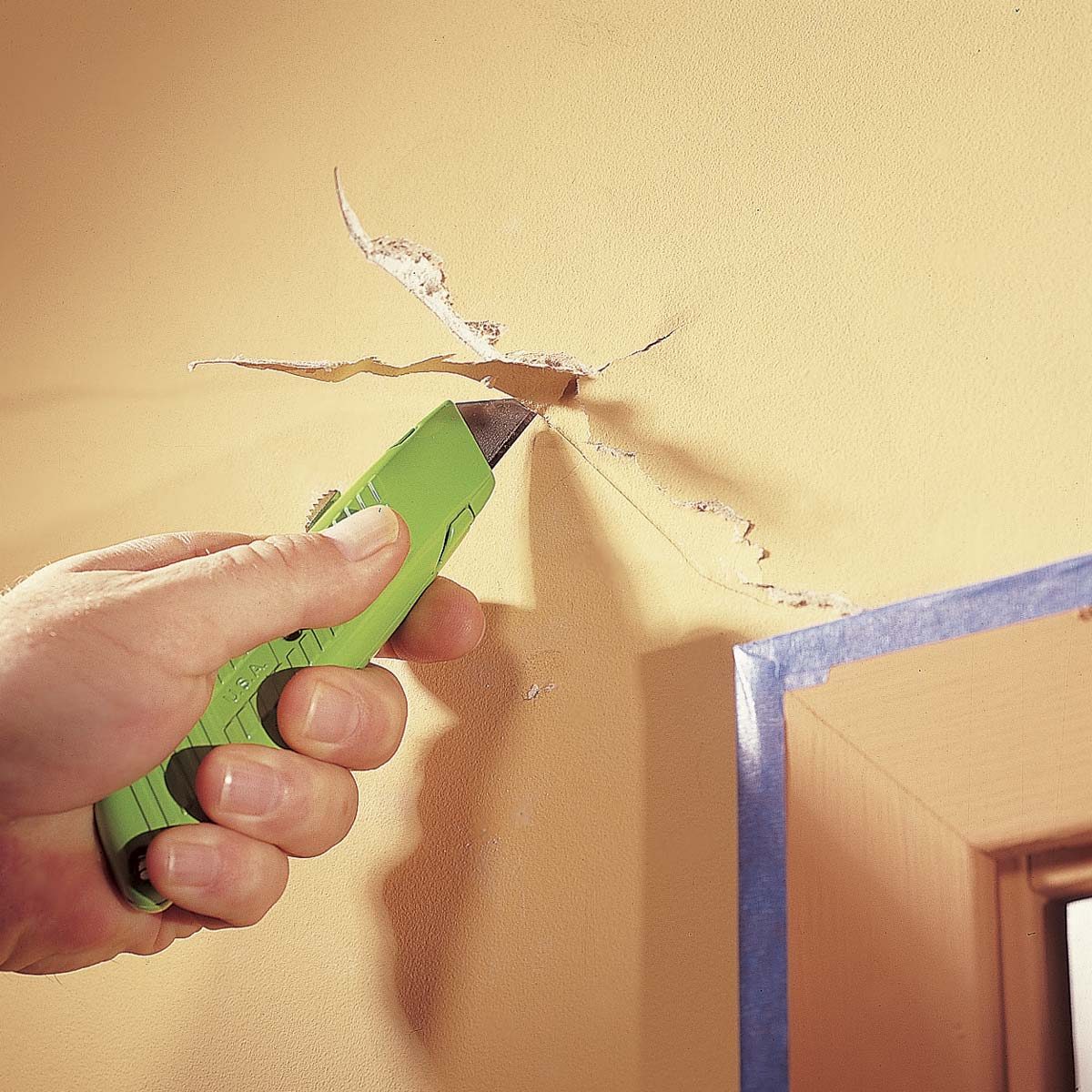
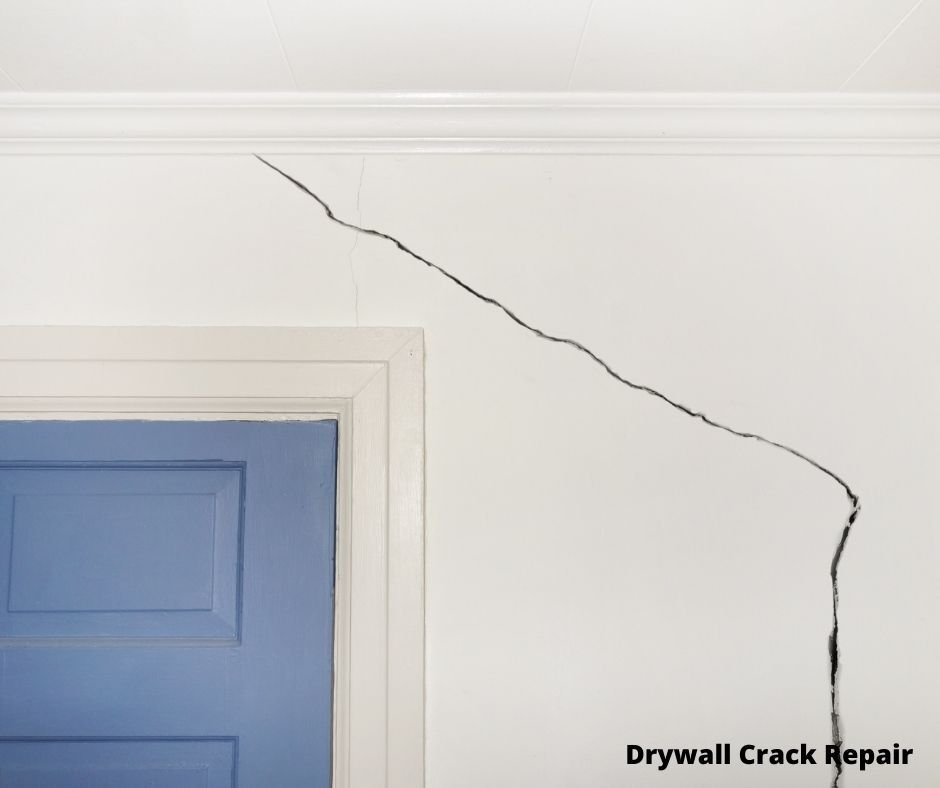
Drywall cracks can be a nuisance in any home. Not only do they detract from the aesthetic appeal of your walls and ceilings, but they can also be a sign of underlying structural issues. Fortunately, drywall crack repair is a relatively simple process that can be completed with a few basic tools and some patience. In this article, we will walk you through the steps of repairing drywall cracks, from identifying the source of the problem to completing the final touches.
Identifying the Source of the Problem
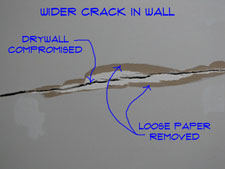
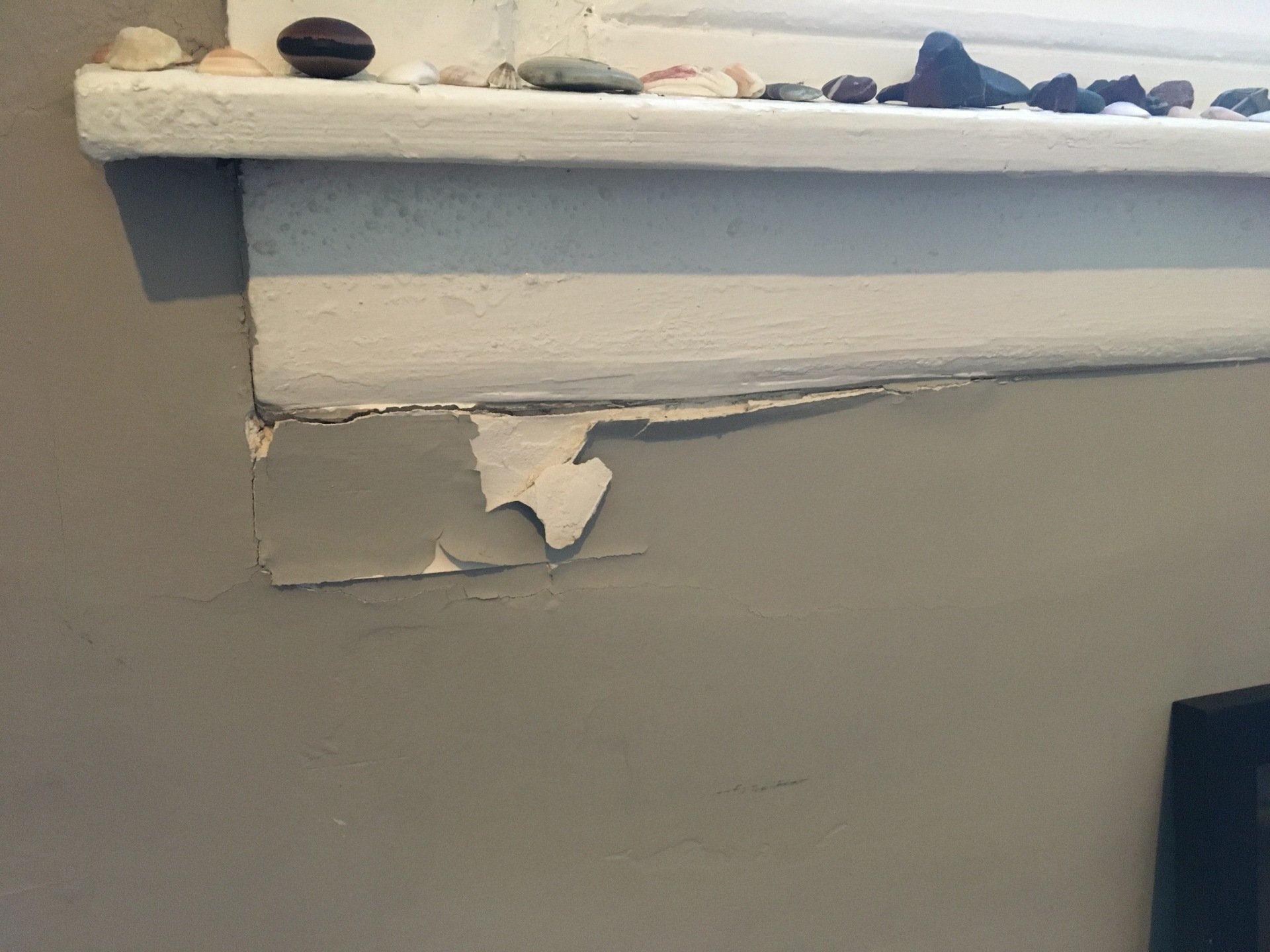
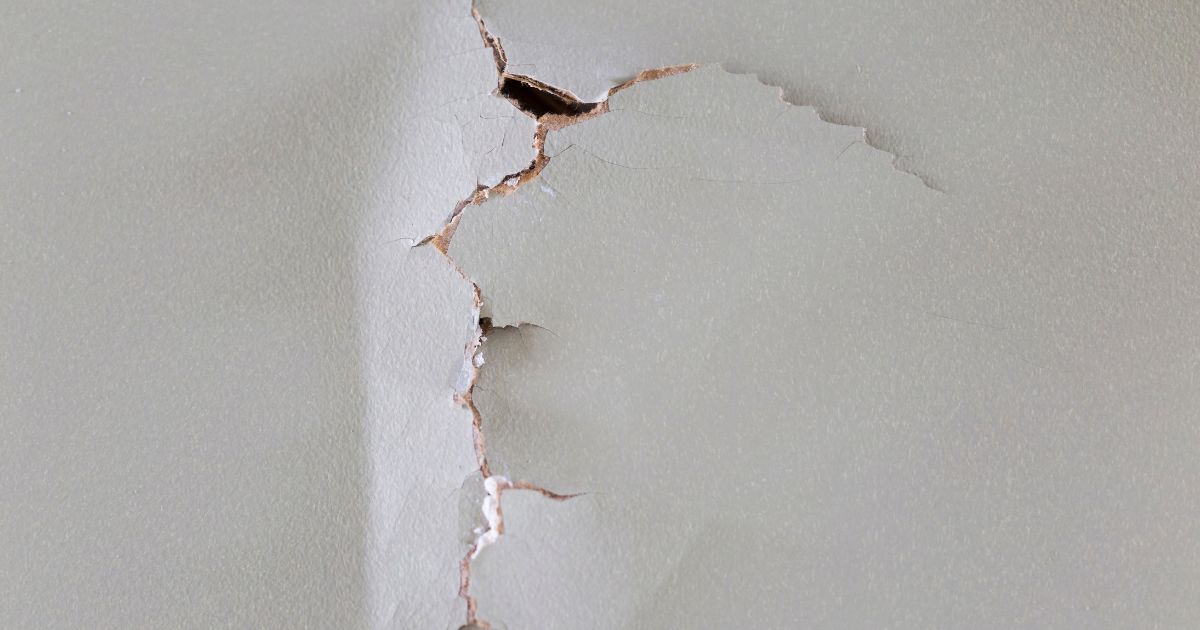
Before you begin the repair process, it's essential to identify the source of the drywall crack. This can help you address the underlying issue and prevent further damage. Some common causes of drywall cracks include:
- Settling foundation
- Moisture damage
- Structural shifting
- Poor installation
Once you've identified the source of the problem, you can begin the repair process.
Materials Needed
To repair a drywall crack, you'll need the following materials:
- Drywall repair compound (also known as spackling compound)
- Mesh tape
- Drywall screws
- Joint compound (also known as drywall mud)
- Sandpaper
- Paint (optional)
Step 1: Clean the Area
Begin by cleaning the area around the crack with a vacuum cleaner or a damp cloth. This will ensure a smooth surface for application of the repair compound.
Step 2: Apply Drywall Repair Compound
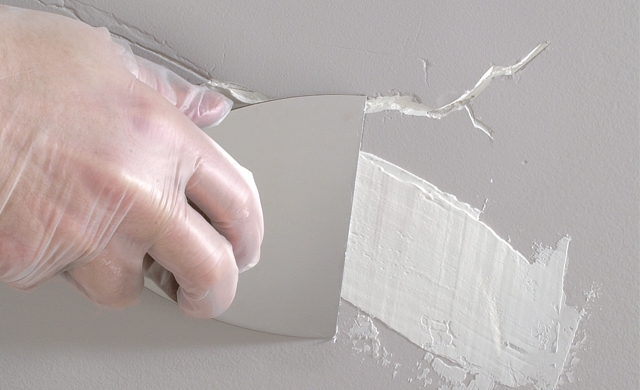
Using a putty knife, apply a thin layer of drywall repair compound to the crack. Make sure to spread it evenly and press it firmly into the crack.
Step 3: Apply Mesh Tape
Next, apply a mesh tape over the drywall repair compound, making sure to press it firmly into the tape.
Step 4: Apply Joint Compound
Using a putty knife, apply a thin layer of joint compound over the mesh tape, making sure to spread it evenly and press it firmly into the tape.

Step 5: Sand the Area
Using a sanding block or sandpaper, sand the area until it's smooth and even. Make sure to feather the edges so that the repair blends in with the surrounding area.
Step 6: Paint the Area (Optional)
If you need to paint the area, make sure to apply a coat of primer and paint to match the surrounding area.
Conclusion
Repairing drywall cracks is a relatively simple process that can be completed with a few basic tools and some patience. By following these steps and identifying the source of the problem, you can ensure a successful and long-lasting repair.
The Importance of Quality Drywall Repair
A well-executed drywall repair can make a significant difference in the appearance and functionality of your walls and ceilings. Not only can it fix cosmetic issues, but it can also prevent further damage and structural problems. By investing in quality drywall repair services, you can enjoy a number of benefits, including:
- Improved appearance
- Increased structural integrity
- Reduced risk of further damage
- Long-lasting results
Whether you're dealing with a small drywall crack or a more extensive repair, it's essential to invest in quality services that will get the job done right the first time. By doing so, you can enjoy a number of benefits and ensure that your walls and ceilings remain safe and functional for years to come.
DIY vs. Professional Drywall Repair
When it comes to drywall repair, there are two options to consider: DIY and professional services. While DIY repair can be a cost-effective and convenient option, it's essential to consider the potential risks and complications that can arise. Some common issues with DIY drywall repair include:
- Inadequate materials
- Inexperienced application
- Lack of compliance with building codes
- Poor finish
On the other hand, professional drywall repair services offer a number of benefits, including:
- High-quality materials
- Experienced application
- Compliance with building codes
- Professional finish